





 Portuguese
  English
  Spanish
  4 min of reading
  5 comments




Highways of the Cellulose Route Will Have Tolls That Can Reach R$ 91.20. The New Concession Promises Greater Traffic Flow, but the Prices Are Alarming.
A new highway concession project in Mato Grosso do Sul could change the lives of drivers traveling the so-called ‘Cellulose Route’.
Although the promise is to improve flow and safety on the roads, the toll prices are already raising doubts and concerns.
Those driving on highways MS-040, MS-338, MS-395, BR-262, and BR-267 can expect fares ranging from R$ 4.47 to an impressive R$ 91.20, depending on the type of vehicle and the chosen payment method.
-
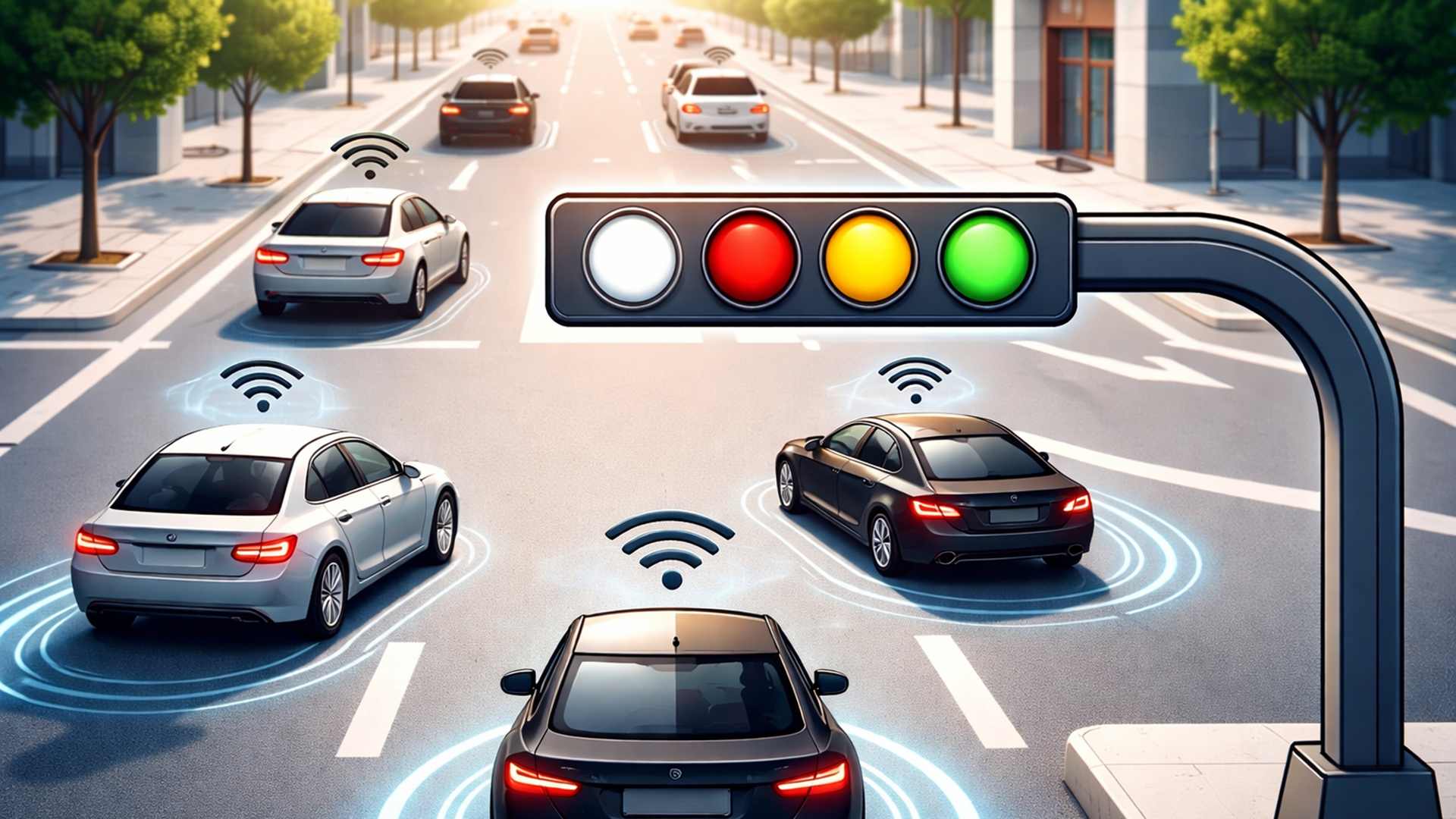
Engineers propose a fourth traffic light for intersections – the change promises to affect crossings, queues, and waiting times.
-
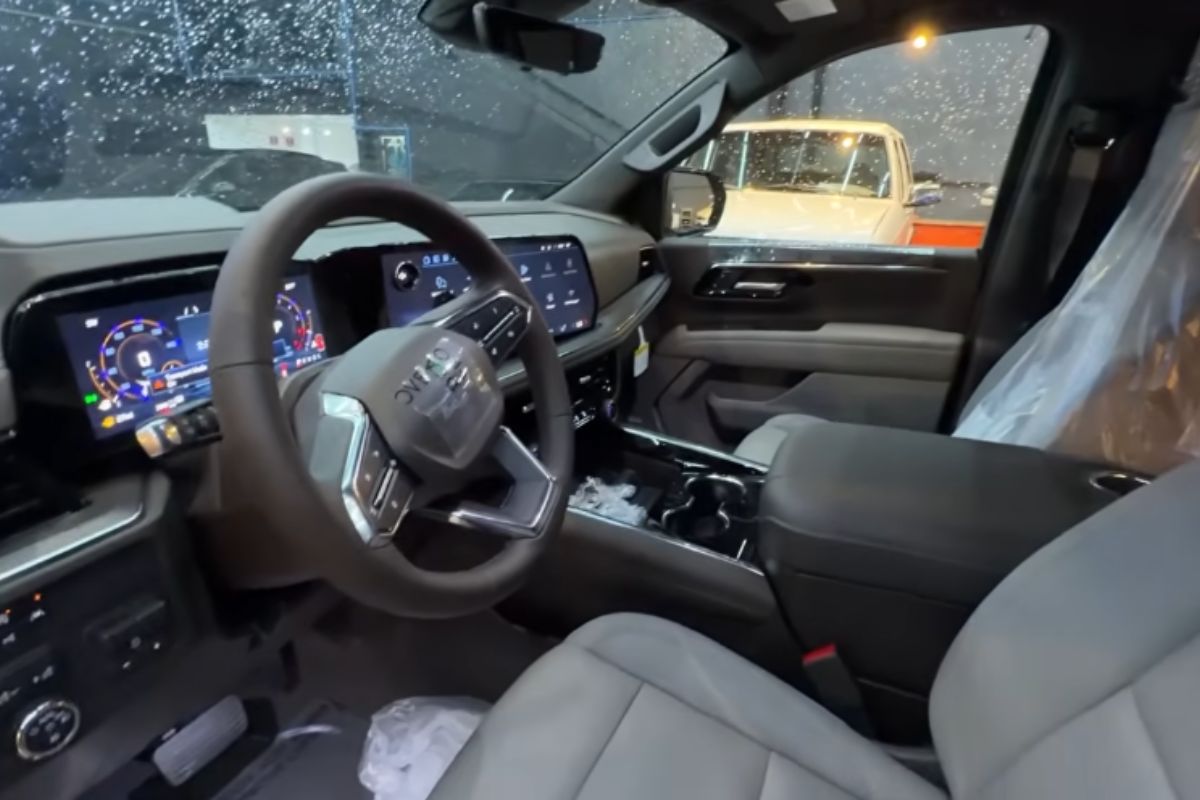
Chevrolet Suburban Z71 lands in Brazil with a V8 engine, off-road design, air suspension, seven seats, and colossal size, a rare version imported for around R$ 1.3 million with luxury and exclusivity.
-
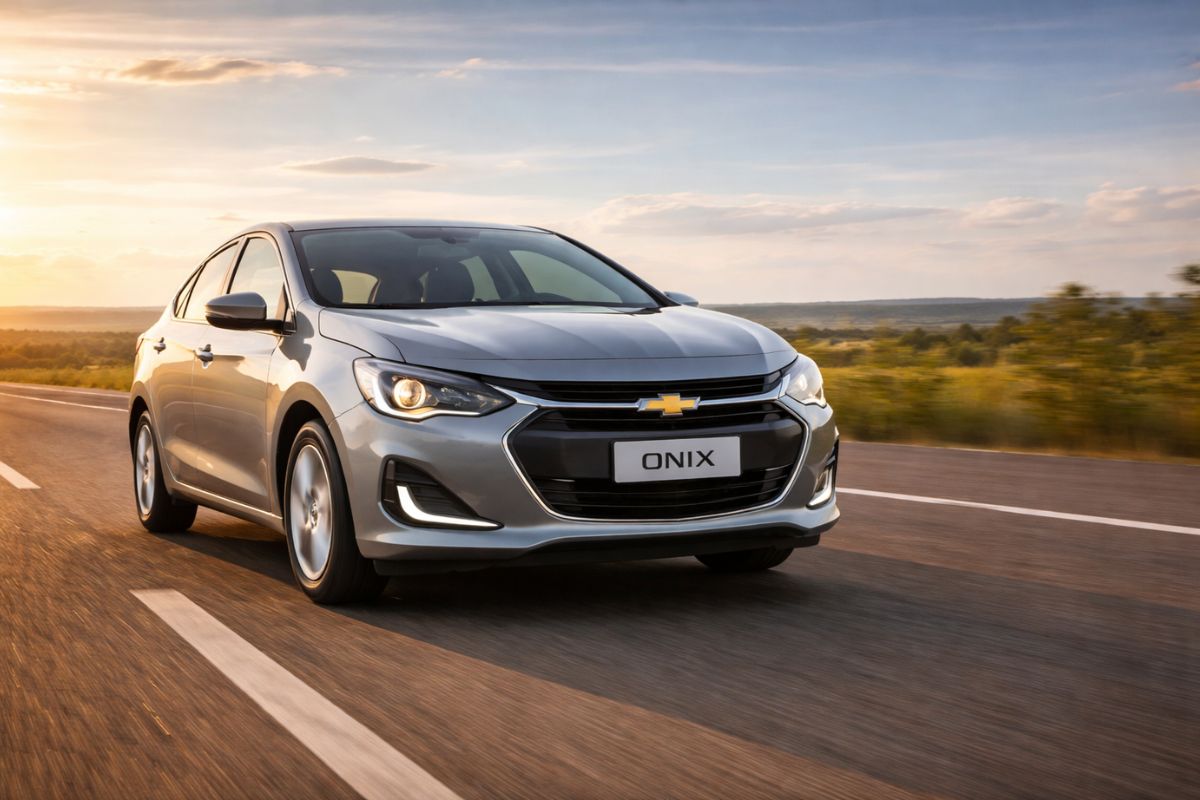
The Chevrolet Onix 1.0 turbo achieves 17.7 km per liter on the highway and ranks among the three most economical cars in Brazil in 2026, alongside two more expensive Toyota hybrids available at dealerships.
-
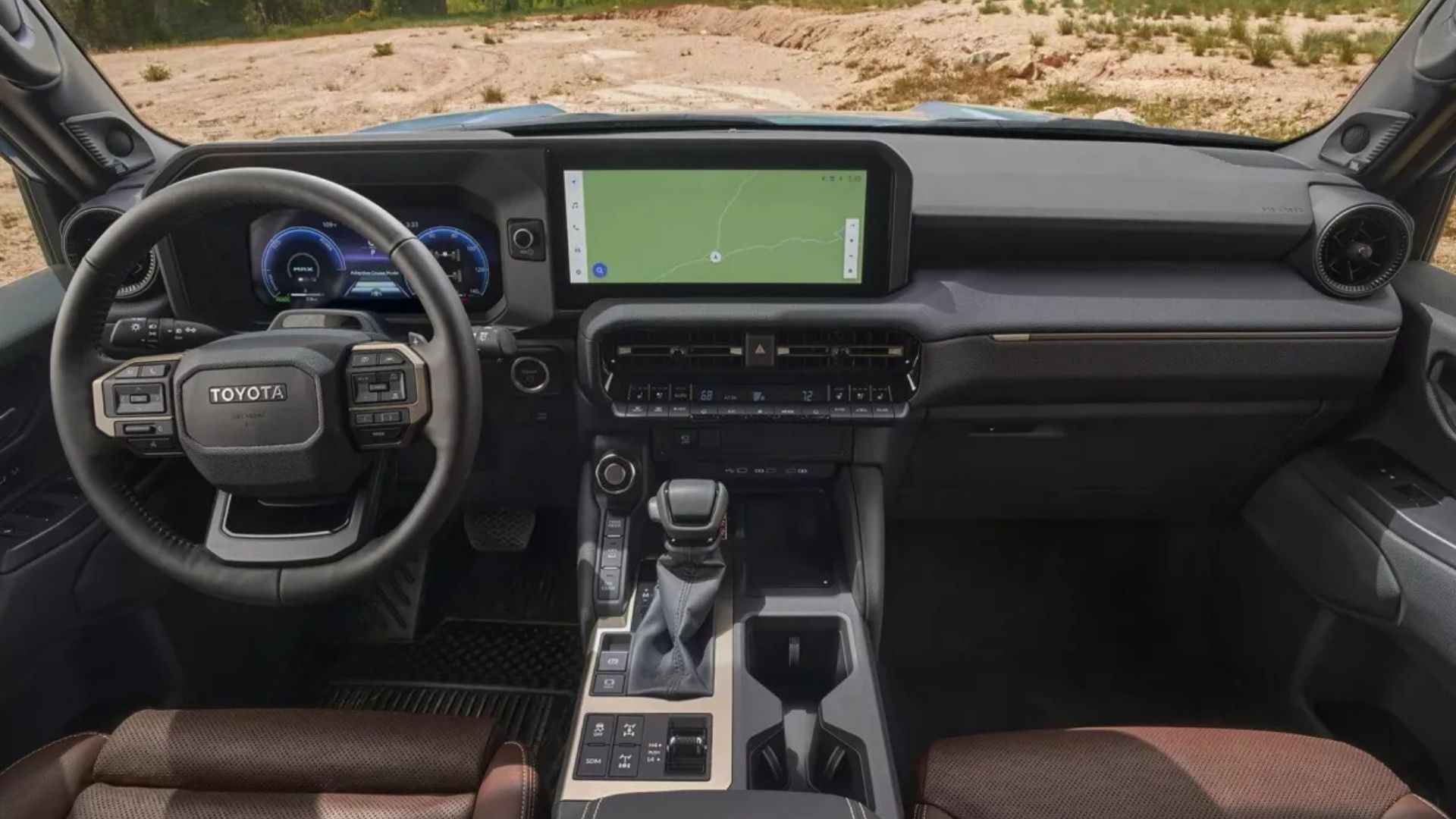
Little sister of the Hilux: Toyota launches Land Cruiser FJ with 4 radical versions, 2.7 engine with 166 hp and 4×4 traction with locking.

All of this, of course, depending on whether the auction for the concession scheduled for December concludes without surprises.
According to the notice approved by the state administration, the criterion for choosing the company responsible for the concession will be the lowest fare offered, but the established cap already leaves many skeptical.
What is truly concerning is the variation in prices between passenger vehicles and trucks, especially for larger ones, such as six-axle trucks, which could be hit with the maximum fare of R$ 91.20.
In total, there are 12 strategic toll points along the 870 km that make up the route.
The toll collection system will be the innovative ‘free flow’, which allows passage without the need to stop, speeding up the flow on the roads.
But Is the Convenience Worth the Price?
With a year for toll collections to begin after the contract is signed, drivers have time to prepare, but they are not necessarily happy with the outlook.
High Fees for Heavy Vehicles
Those driving passenger vehicles will have a different experience.
Depending on the chosen payment method, such as using the automatic tag, which guarantees a 5% discount, the fares may be lighter.
For ordinary drivers, the toll price ranges from R$ 4.47 to R$ 14.44, depending on the location.
However, truck drivers and heavy cargo vehicle operators will feel the impact more strongly.
The toll plaza between Campo Grande and Ribas do Rio Pardo, for example, will feature the highest price in the project.
In this duplicated stretch, which extends to the Suzano factory, the toll for six-axle trucks could reach R$ 91.20.
According to the notice, Nova Alvorada do Sul will also have one of the highest rates, reaching R$ 90.60 for the same types of vehicles.
In contrast, the cheapest toll plaza will be located in Bataguassu, with fares starting at R$ 4.47 for light vehicles, but which may still reach up to R$ 28.20 for trucks.
Difference Between State and Federal Highways
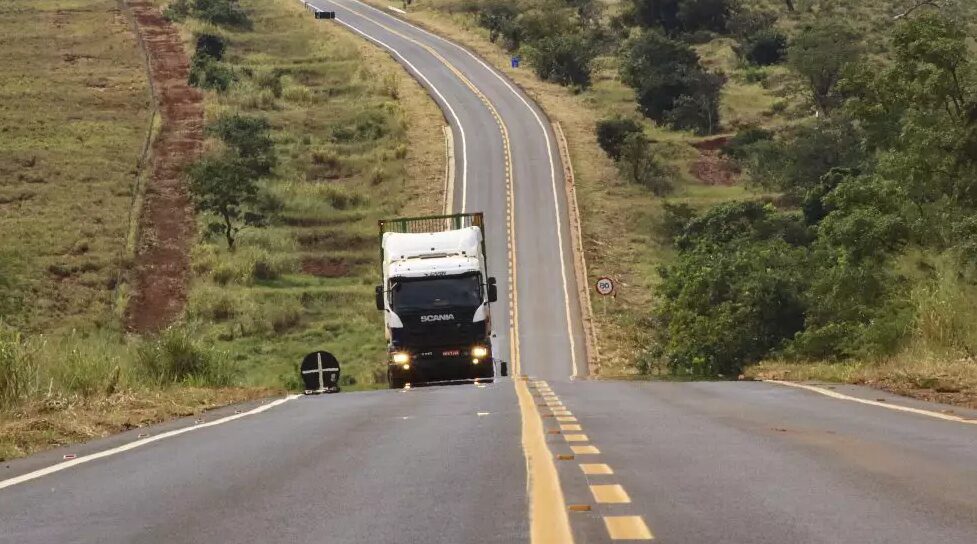
The Cellulose Route includes both state and federal highways, and according to the notice, there is a variation in prices depending on the road condition and the number of lanes.
For single-lane sections, the price per kilometer will be R$ 0.1613, while for duplicated roads, the cap reaches R$ 0.2258.
It is worth noting that this calculation is based on the type of vehicle and the distance traveled, meaning that drivers traveling long distances on duplicated highways will pay considerably more.
Additionally, the installation of toll gantries will be subject to a system that adjusts according to vehicle flow and demand, which may lead to changes in tolls over the years.
According to information collected in September 2024, the maximum rates, while already causing controversy, could be reduced by up to 20% in discounts permitted by the notice, but there are no guarantees that companies will offer such benefits.
Economic Impacts and Exemptions
While the toll prices seem to be the main point of debate, it is important to observe the potential benefits of the concession.
The free flow system promises to reduce travel time and improve safety on the roads.
Moreover, the privatization of highways may result in more efficient maintenance, improving road quality and, consequently, driver safety.
Another relevant point is that some vehicles will be exempt from toll payment.
Among them are motorcycles, mopeds, motorbikes, and emergency vehicles such as ambulances and fire trucks.
State government vehicles will also not pay the tolls, as well as empty cargo vehicles, which will be exempt on the suspended axles.
Variable Rates and Their Impact on Truck Drivers’ Finances
If you are a truck driver or depend on freight transportation, the numbers are not very encouraging.
The table released shows that for heavy vehicles, such as six-axle trucks, tolls can reach up to R$ 91.20.
The impact of this charge will inevitably be passed on to the final consumer, whether in the prices of transported goods or in the operational costs of logistics companies.
Is It Worth It?
With so many high prices, the burning question is: is the Brazilian driver ready to pay such high tolls in exchange for a possible gain in road efficiency?
While there is a promise of less congestion and greater safety, on the other hand, the prices are still far from being popular.
What do you think? Is it worth paying up to R$ 91.20 to drive on safer highways, or is this just another financial burden that Brazilians will have to bear? Comment below!








No Brasil atualmente somos surrupiados de todos os lados.
As rodovias foram construídas com os recursos oriundo dos nossos impostos , mas quando ficam prontas são entregues ao capital privado com a falácia de sue o estágio não tem competência.
BRs como a 040, 262 e tantas outras as ué foram entregues pelos pelos privatista dão as pioras rodovias ho Brasil , pior até de todo ias não concedidas.
E essa gente vem Falar de segurança?
Que segurança nada , o que importa é o dinheiro suado da população entregue de mãos beijadas aos ” carniceiros” dos nossos recursos.
E a população fica calada e não reage.
Porque os donos de carro no Brasil tem que pagar para rodar na rodovia feita com dinheiro deles através do IPVA? É só taxa. Roubalheira.
Absurdo, cobrar altas taxas de pedágio na rodovia, sendo que o IPVA é cobrado para manutenção delas. Dupla tarifação. Só acontece no Brasil. Devolva então o IPVA.