





 Português
  Inglês
  Espanhol
 4 min de leitura
  0 comentários


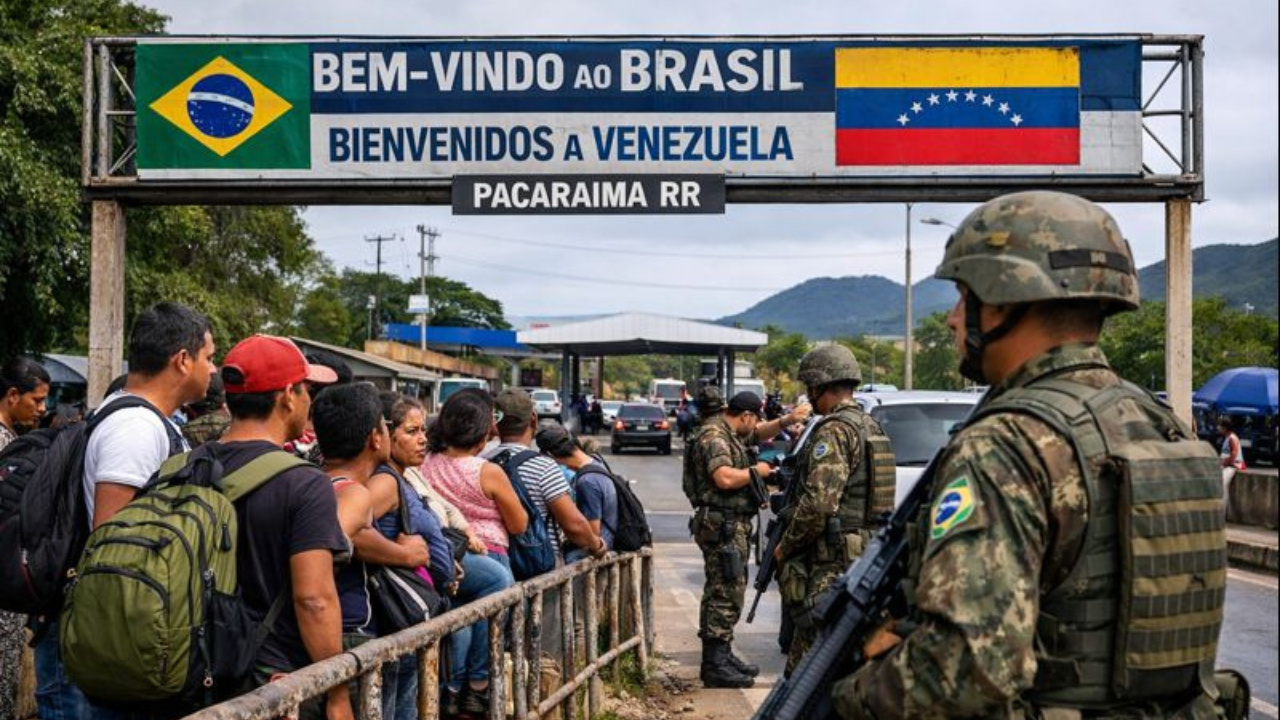
Roraima Affirms It Cannot Support New Advances of Venezuelan Immigration and Demands Federal Inspection at the Brazil–Venezuela Border.
The Venezuelan immigration has returned to the center of national debate following alerts from the Roraima government about the state’s capacity limitations to absorb new migrants.
The issue gained momentum this week when Governor Antônio Denarium called on the federal government for stricter federal inspection of the Brazil–Venezuela Border, amid regional instability caused by the escalation of the conflict involving the United States and Venezuela.
According to him, control is necessary to prevent worsening the humanitarian crisis already faced in the state.
-
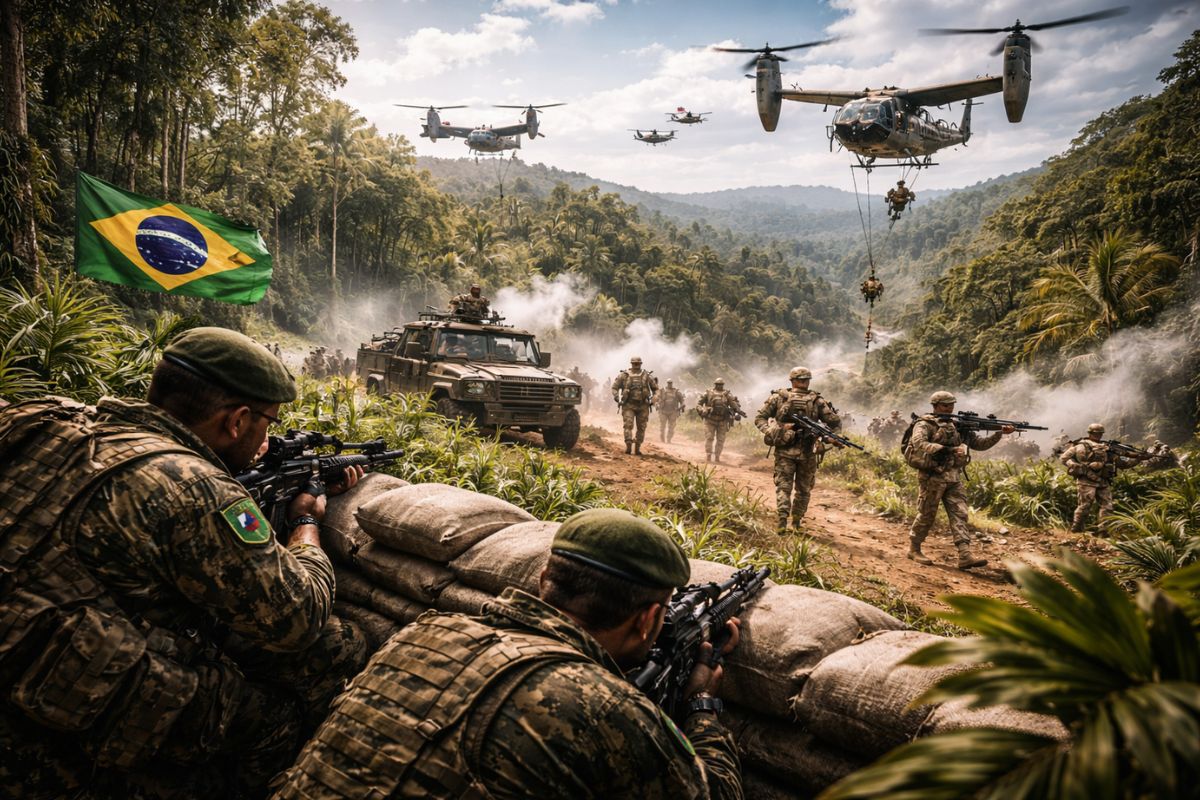
If the USA were to go to war with Brazil, Washington’s greatest fear would not be the attack itself, but facing a vast territory, prolonged resistance, and a costly, chaotic, and unpredictable occupation.
-
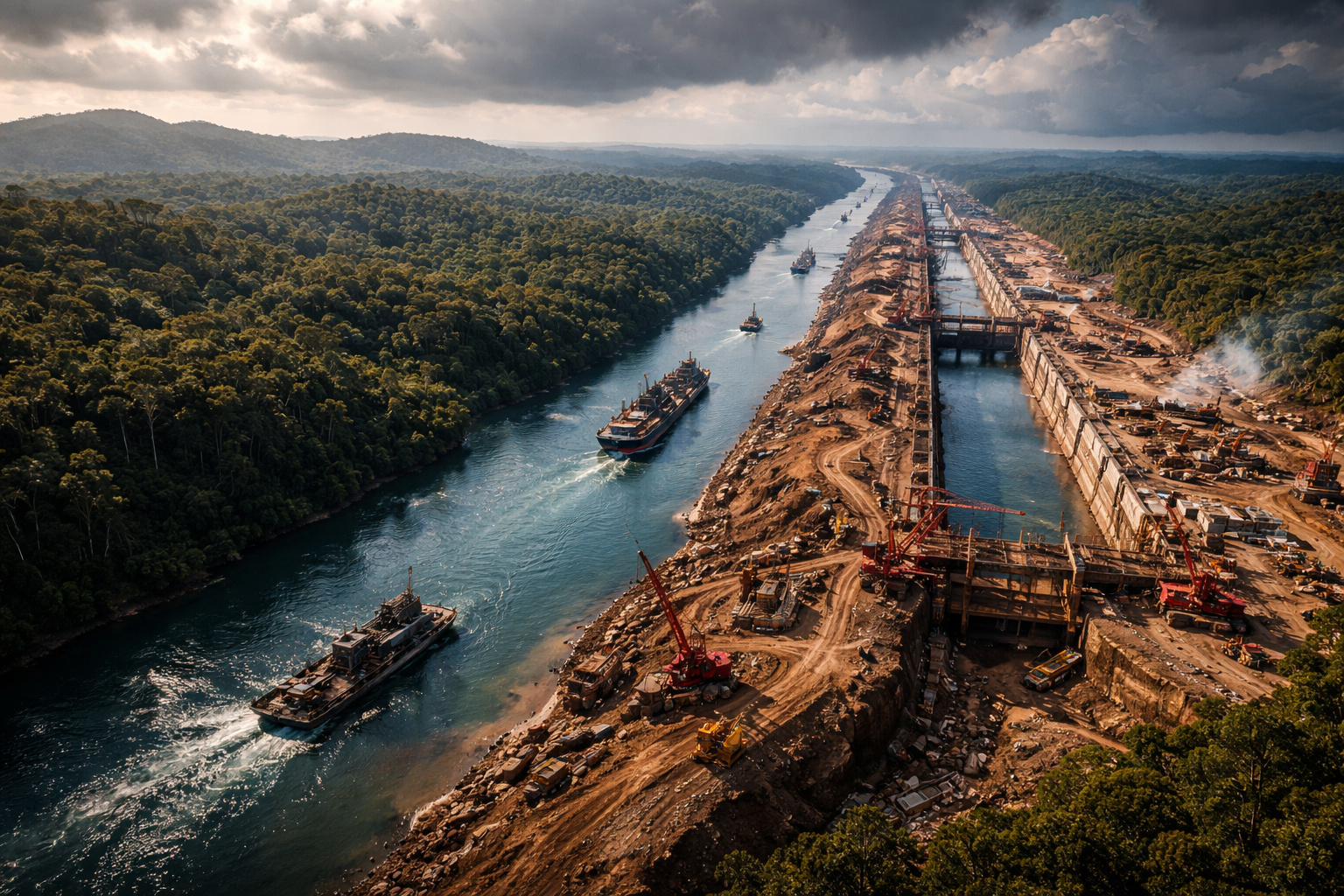
In 2013, Nicaragua sold the concession for a canal to rival Panama to a Chinese billionaire who lost 85% of his fortune, disappeared, and was declared bankrupt. Now the project resurfaces with a new route, a new Chinese partner, and a cost of $64.5 billion.
-
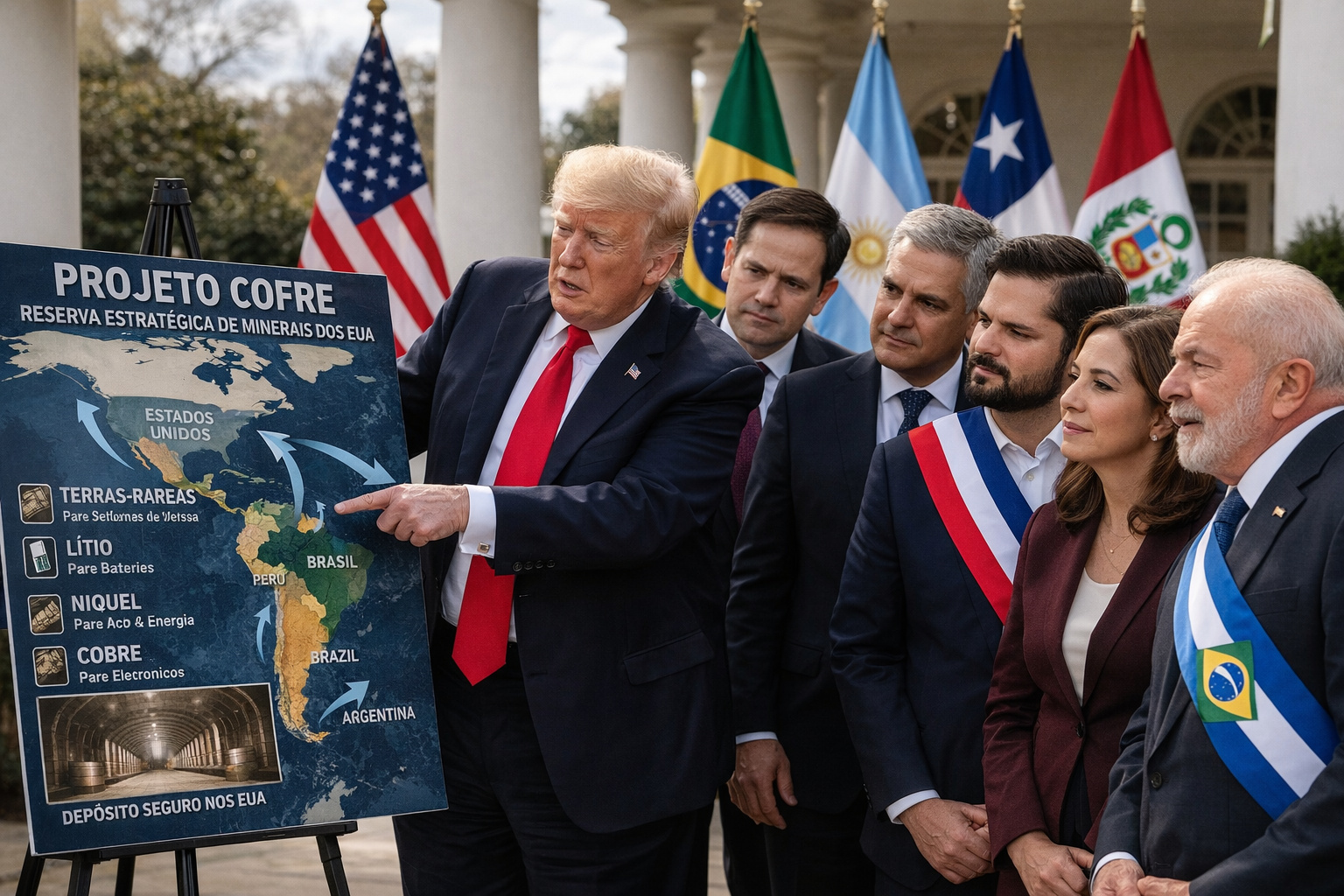
The USA announces a mysterious billion-dollar vault project to store critical minerals, but what intrigues experts is not just the plan itself, but why Latin America, including Brazil, has entered the center of this global dispute against China.
-
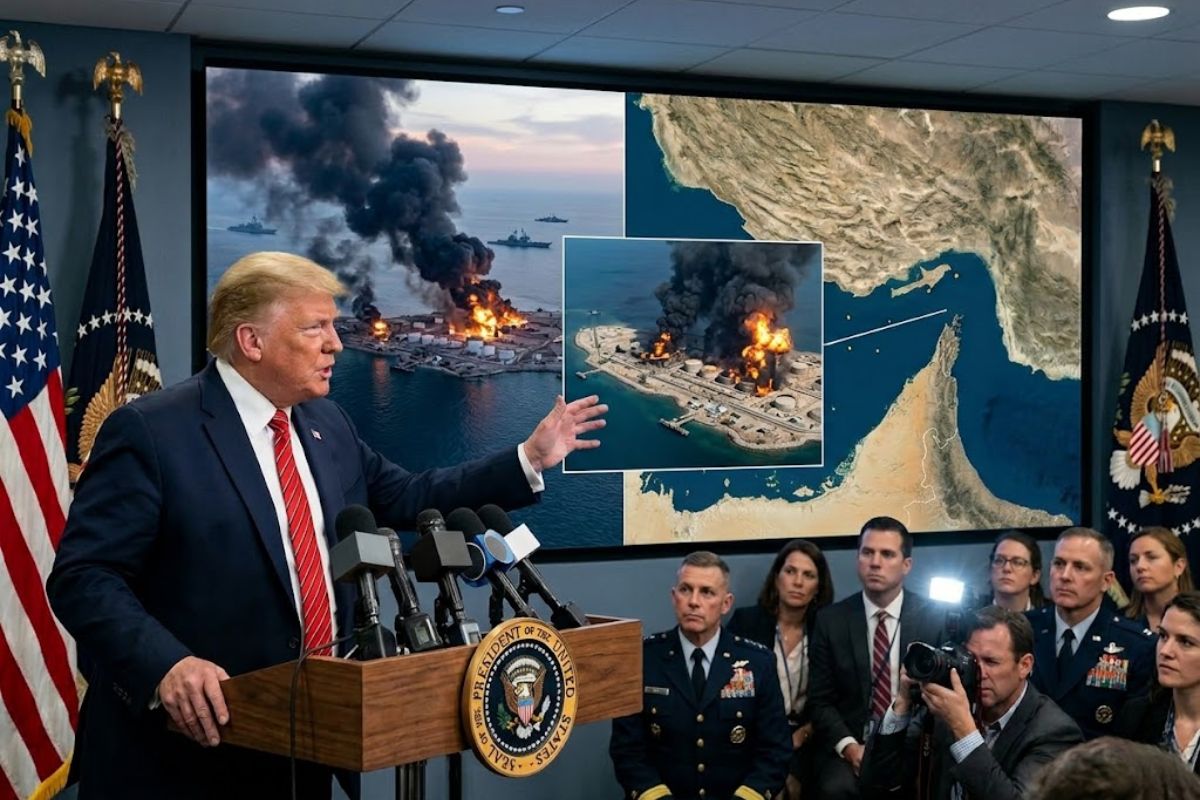
Trump Announces Bombing of U.S. Military Targets on Iranian Island Responsible for About 90% of Iran’s Oil Exports, Warns of Further Attacks if Navigation in Strategic Strait of Hormuz Is Threatened
Roraima at the Limit of Capacity to Serve
According to Denarium, Roraima faces structural difficulties in dealing with new peaks of Venezuelan immigration.
In an interview with CNN Brasil, the governor stated: “It is a very big concern. If the flow of Venezuelans increases, Roraima does not have the conditions and does not have the capacity to provide assistance.”
The head of the state executive explained that, at the peak of the migration crisis, between 1,500 and 2,000 Venezuelans entered the state per day.
In the last 30 days, the flow has reportedly decreased to an average of between 300 and 500 people daily.
Still, he assesses that the situation remains unstable, especially in light of the new international context.
International Conflict Increases Alert at the Border
The tension between the United States and Venezuela has heightened the level of attention of Brazilian authorities at the Brazil–Venezuela Border.
Denarium directly cited the impact of the conflict: “With this attack that occurred, we are experiencing a moment of great concern and making observations.”
According to the governor, even during official border closures, Venezuelan immigration continues through alternative routes.
This movement, according to him, makes controlling the flow more difficult and further pressures public services in Roraima.
Request for National Debate on Immigration
In addition to reinforcing federal inspection, Denarium stated he has requested President Luiz Inácio Lula da Silva to open a debate in the National Congress regarding the entry of foreigners into the country.
“As they arrive in Roraima as refugees, there are no entry restrictions or documentation requirements,” he explained.
The governor emphasized that the state can no longer absorb new contingents without direct harm to the local population.
Social and Economic Impacts in Roraima
One of the central points raised by the state government is the direct impact of Venezuelan immigration on the labor market and essential services.
Denarium stated that about 20% of the current population of Roraima is made up of Venezuelans.
“Approximately 20% of our population is Venezuelan, automatically taking away opportunities for Brazilians in jobs, public safety, health, and education. And the government of Roraima has been bearing all these costs,” he said.
Health Reinforces Actions in the Face of Humanitarian Crisis
In light of the risk of worsening the humanitarian crisis, the Ministry of Health sent a National Health System Force team (FNSUS) to the Brazil–Venezuela Border in Roraima.
The mission is to assess hospital infrastructure and develop a contingency plan for a possible increase in demand for services.
The minister Alexandre Padilha highlighted that the group has “extensive experience” in emergency situations.
According to him, if necessary, field hospitals could be set up, and existing units expanded, with the aim of reducing impacts on the public health system.
International Cooperation and Humanitarian Aid
Padilha also stated that Brazil is available to the Pan American Health Organization (PAHO/WHO) for humanitarian aid actions.
Thus, concern has increased following the destruction of the main distribution center in La Guaira, Venezuela, which was hit by a U.S. attack.
Therefore, this cooperation, according to the minister, is essential to prevent the humanitarian crisis from escalating and having even greater repercussions on Roraima and other Brazilian states.
Army Intensifies Federal Inspection
Meanwhile, the Brazilian Army reinforced federal inspection at the Brazil–Venezuela Border.
Thus, despite the intensification, the commander of the Army in Roraima, Brigadier General Roberto Pereira Angrizani, stated that the flow remains normal and that, for now, there is no need to send more troops.
Experts See Strategic Caution
For international law professor Manuel Furriela, the reinforcement at the border is a preventive measure.
“Nothing indicates that there is an increase, but the inspection becomes strategic for Brazil to verify an abnormal flow,” he assessed.
Thus, the expert also warned of the risk of entry of Colombian and Venezuelan drug traffickers, pressured by the intensification of military actions by the United States in the region.
According to him, this factor reinforces the need for constant vigilance.
With information from Agência Estado.









-

Uma pessoa reagiu a isso.