





 English
  Francês
  Alemão
  Italiano
  Japonês
  Norueguês
  Portuguese
  Spanish
  7 min of reading
  0 comments


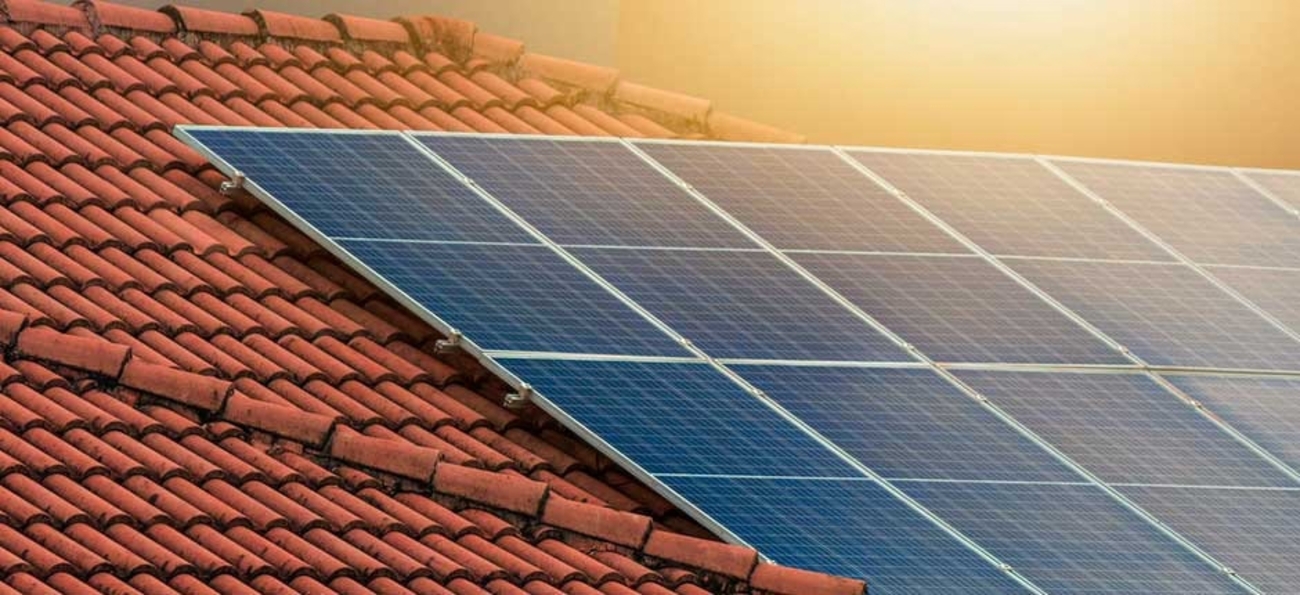
With one of the highest radiation levels in the country and isolation from the national system, solar energy is growing in Roraima as the main alternative for consumers seeking savings and electrical autonomy.
The state of Roraima is undergoing an unprecedented energy transformation, and solar energy is growing in Roraima at an accelerated pace, driven by successive increases in electricity bills and instability in local supply.
While the rest of Brazil connects to the National Interconnected System (SIN), Roraima remains the only isolated Brazilian state, primarily relying on thermoelectric plants powered by diesel oil and natural gas.
This geographical and technical isolation increases the cost of electricity generation, resulting in tariffs that weigh heavily on the pockets of Roraima consumers. In light of this uncertain scenario, residents and business owners in Boa Vista and the interior of the state are heavily investing in photovoltaic systems.
-
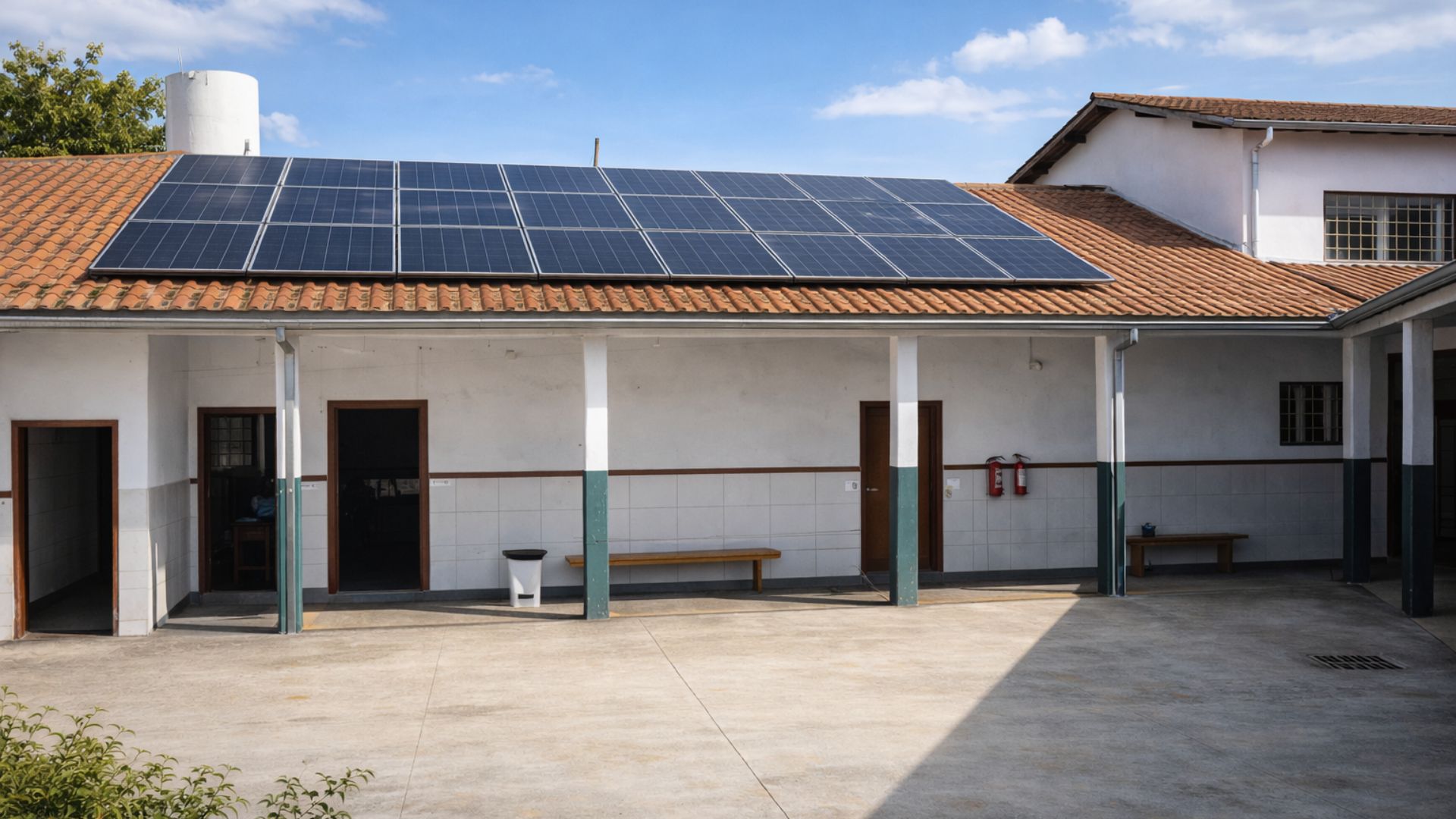
Copel boosts solar energy in Paraná and brings innovation to public schools, promoting savings on electricity bills, energy efficiency, and a direct impact on the quality of education.
-
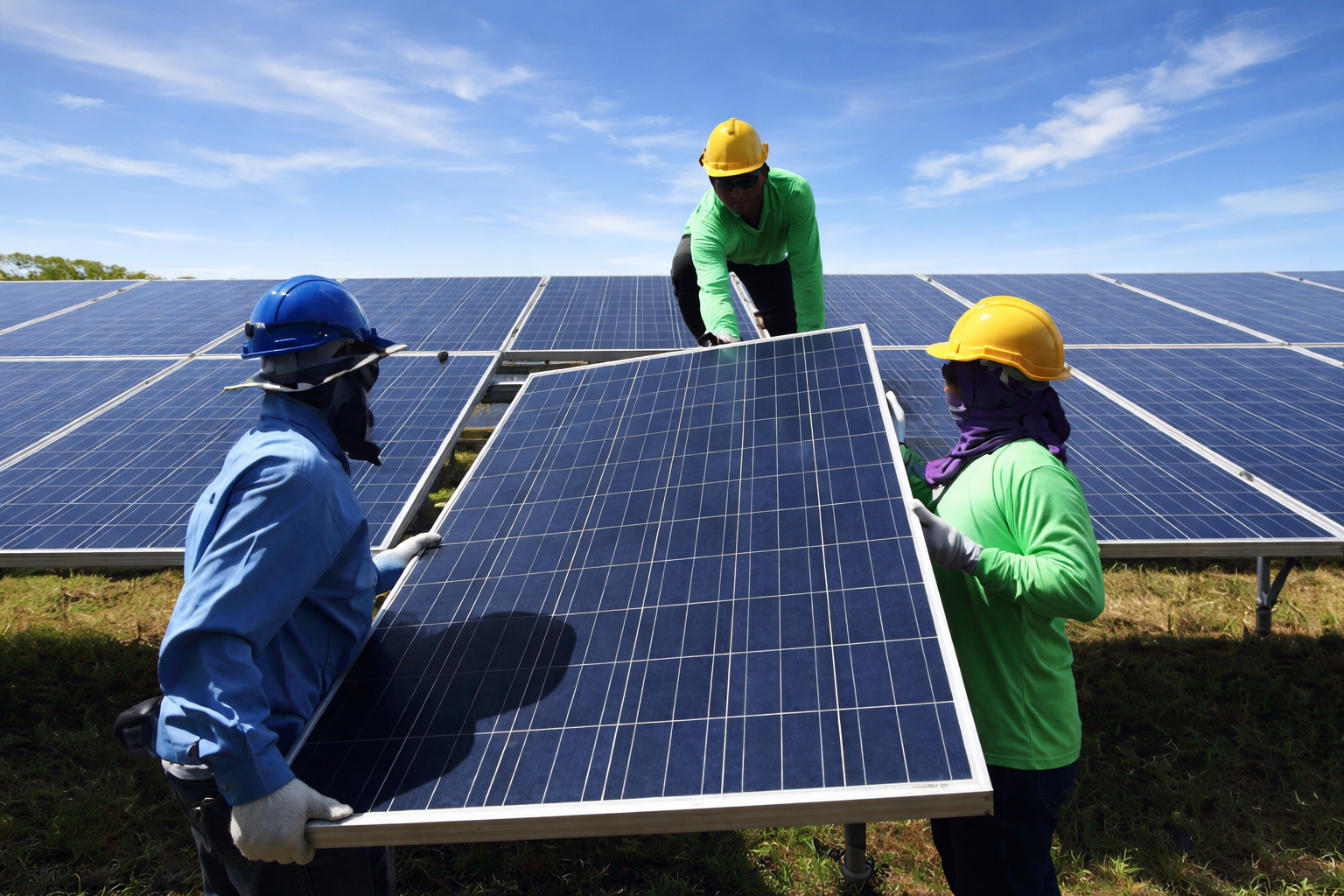
Brazil reaches historic milestone in solar energy: Sector surpasses 2 million accumulated green jobs and generates billions in the national economy even under market pressure.
-
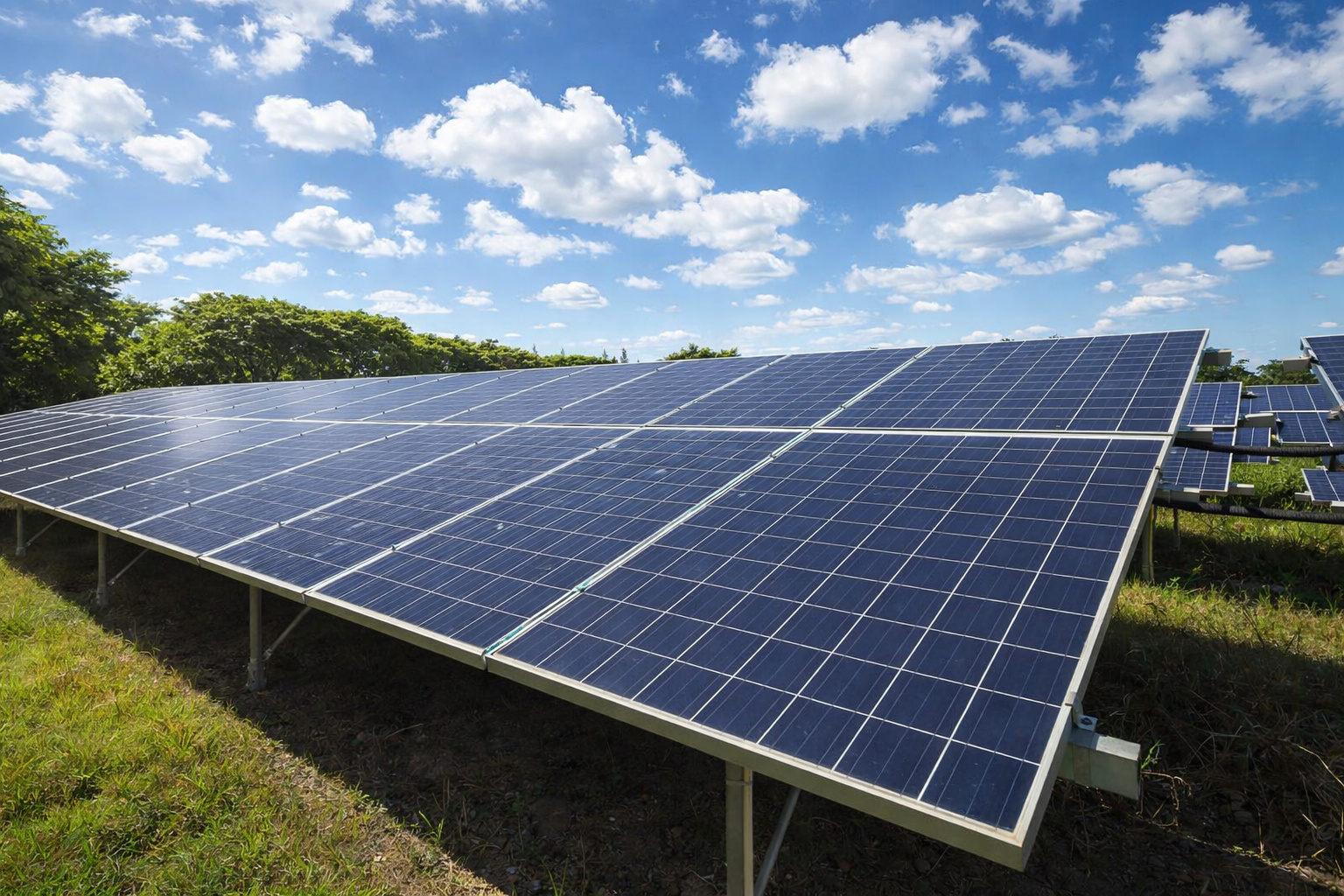
Minas Gerais takes the lead in renewable energy: State surpasses historic mark of 14 GW in solar energy generation in MG and consolidates dominance in the Brazilian electric sector.
-
Minas Gerais transforms solar energy into an economic engine by reaching an unprecedented level, generating jobs, attracting investments, and consolidating national leadership in the production of sustainable clean energy.
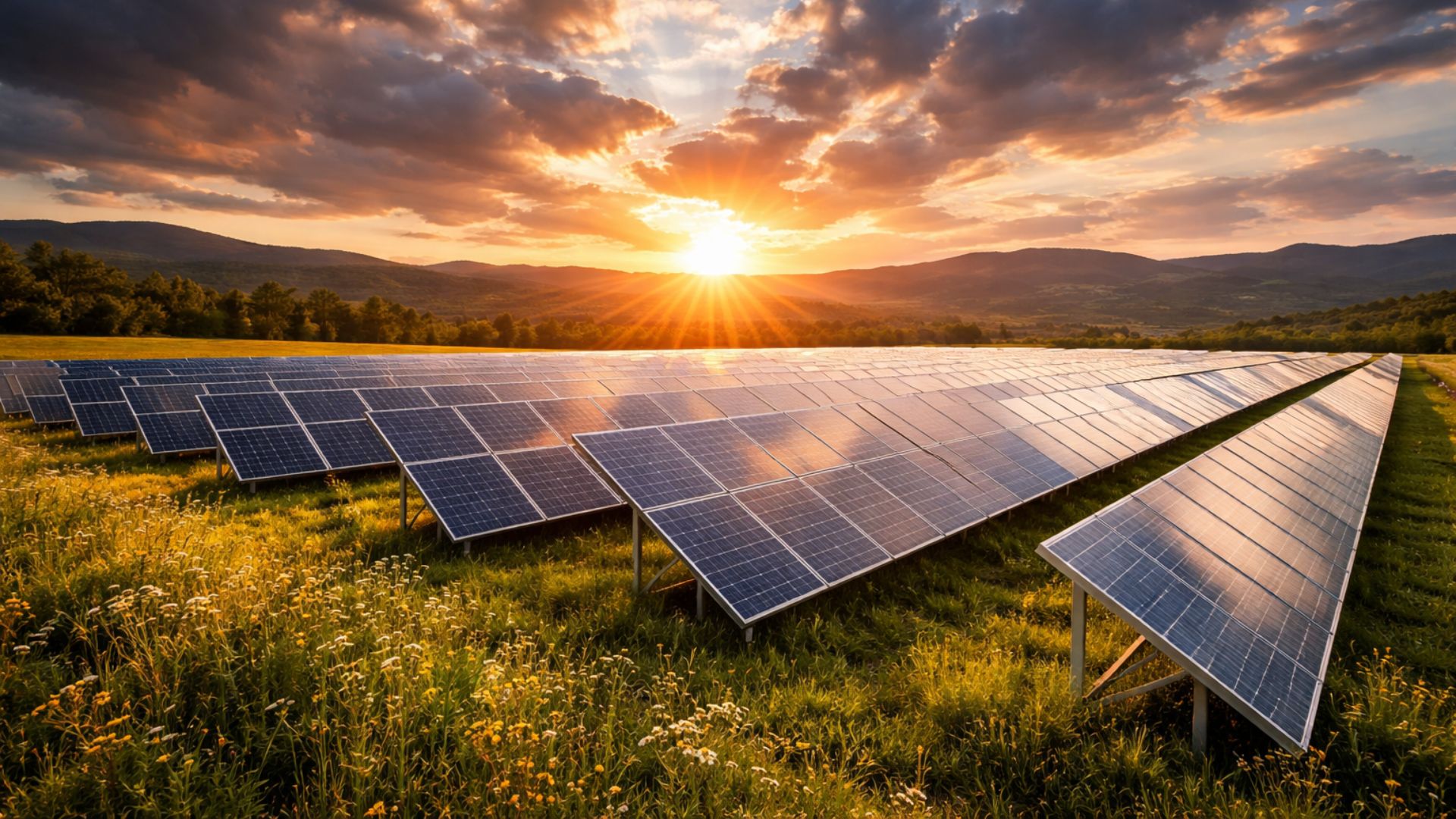

The abundance of sunlight for almost the entire year makes the state a fertile ground for the technology, allowing the population to reduce fixed costs and ensure clean energy even during crises in the fossil fuels that power the state system.
The economic factors that explain why solar energy is growing in Roraima
The household economy serves as the main engine of this change, as solar energy is growing in Roraima precisely where the cost of living is highest. Roraima faces an immense logistical challenge to receive the fuel that powers its plants.
The transportation of diesel by highways increases the final price of energy, and this cost is directly reflected in household bills. When a consumer installs solar panels on their roof, they stop being just a bill payer and become a producer of their own electricity. The return on investment occurs quickly, as the high cost of kilowatt-hours in the state accelerates the “payback” period of the system.
In addition to residences, the commercial sector in Roraima leads the race for self-sufficiency. Supermarkets, hotels, and small industries in Boa Vista are adopting solar energy to maintain competitiveness.
In a state where high temperatures require constant use of cooling and air conditioning systems, the electricity bill can account for up to 40% of a company’s operational costs. By switching to photovoltaic sources, these business owners can predict their long-term expenses, protecting cash flow against annual adjustments by Aneel and variations in tariff flags.
The isolation of the electrical system and the search for energy security
Roraima bears the mark of being the only “isolated system” in Brazil, meaning that the state does not receive energy from large hydropower plants like Itaipu or Belo Monte. For many years, energy came from the Guri plant in Venezuela, but the political and technical instability of the neighboring country interrupted this supply.
Currently, the state sustains its consumption with local thermoelectric plants, which have extremely high operating costs and a negative environmental footprint. In this context, solar energy is growing in Roraima as a solution for national and regional security.
Generating energy on-site reduces the burden on local distribution networks, which often suffer from outages and fluctuations. When a neighborhood has several houses generating their own energy during the day, the demand on thermoelectric plants decreases, theoretically reducing the need for fossil fuel combustion.
For the average citizen, solar energy represents peace of mind knowing that as long as there is sunlight, there will be electricity available for their basic needs, mitigating the effects of occasional blackouts that still haunt the far north of the country.

Investments and new businesses in the Roraima photovoltaic sector
The market boom is reflected in the creation of new installation and maintenance companies. Solar energy is growing in Roraima and is driving a productive chain that generates jobs and income for the local population.
Engineers, electricians, and sales consultants find a booming market in Boa Vista. The number of systems connected to the grid in Roraima has significantly increased in the last two years, and trends indicate that this growth will double by 2027. Large national solar energy groups are already looking at Roraima as a strategic expansion hub in the Amazon region.
The ease of credit also boosts the sector. Public banks and credit cooperatives offer specific financing lines for solar energy with attractive interest rates. Often, the installment amount of the financing is equivalent to the savings generated on the electricity bill, allowing consumers to install the system without upsetting their monthly budget.
This financial viability democratizes access to technology, reaching not only the wealthier classes but also small rural producers who use solar energy to pump water and refrigerate agricultural production.

Sustainability in the Amazon: The environmental impact of solar energy
Although financial motivation is the main trigger, the environmental benefit of solar energy is growing in Roraima has a direct impact on the preservation of the Amazon. Each kilowatt generated by the sun in Roraima replaces energy generated by burning diesel or natural gas.
This means less greenhouse gas emissions and less noise and air pollution near thermoelectric plants. The state of Roraima, home to unique natural beauties, finds in clean energy a path to sustainable development that respects its biodiversity.
Solar energy is considered a low-impact source, as it utilizes already occupied spaces, such as rooftops and industrial areas, for electricity generation. This avoids the need for large flooding for hydropower plants or deforestation for the passage of extensive transmission lines.
The energy transition in Roraima serves as a model for other isolated communities in the Amazon, proving that it is possible to bring modernity and comfort to the most remote regions of Brazil in a clean and renewable way.
Logistical challenges and technical maintenance in the far North
Despite the optimism, the sector faces challenges characteristic of the North region. Solar energy is growing in Roraima, but companies must deal with the freight costs to bring panels and inverters from factories located in the South and Southeast of Brazil. This logistical cost ends up being passed on to the final consumer, making the system a bit more expensive than in other Brazilian capitals. However, the state’s high solar incidence compensates for this extra cost through energy generation above the national average.
Technical maintenance also requires attention. The equatorial climate, with periods of heavy rain and high humidity, requires high-quality equipment and well-executed installations to avoid corrosion and electrical failures.
Local companies invest in constant training to ensure that systems withstand the extreme weather conditions of the region. The durability of solar panels, which exceeds 25 years, ensures that the investment is secure, provided the consumer chooses qualified professionals and brands with solid guarantees in the Brazilian market.

The future of Roraima’s electrical matrix and new technologies
The outlook for the coming years is one of acceleration. Solar energy is growing in Roraima and is expected to gain support from large-scale storage batteries. Currently, most systems are of the “on-grid” type, which depend on the electrical grid to function.
With the drop in lithium battery prices, the trend is for consumers to opt for hybrid systems capable of storing energy generated during the day for nighttime use. This will ensure total independence from the conventional electrical system and protect users against any instability in the public grid.
The federal and state governments are also discussing the implementation of large-scale solar parks (centralized generation) to complement the state’s matrix. These projects, coupled with the construction of the Tucuruí Transmission Line, which will connect Roraima to the rest of the country, will create a more robust and diversified system.
Even with the arrival of the transmission line, solar energy will continue to be a smart choice, as on-site generation will always be cheaper than buying energy from the grid, regardless of where it comes from.
Solar energy is growing in Roraima as an example of decentralized energy transition
The phenomenon that causes solar energy to grow in Roraima confirms that energy decentralization is the path to regional development. The state transforms its geographical disadvantage into a technological opportunity, utilizing its most abundant natural resource: the sun.
The people of Roraima show the rest of Brazil that energy independence is possible through innovation and investment in renewable sources.
The energy transition in Roraima is not just a matter of fashion or ecological awareness; it is a strategy for economic survival and social progress. As electricity rates continue to rise, the sun will shine as the definitive solution for consumers’ wallets.
The record of new installations in the state signals a future where every home will be its own power plant, ensuring that the development of the far north of Brazil occurs in a clean, affordable, and sustainable manner for many generations.








Seja o primeiro a reagir!