





 English
  Francês
  Alemão
  Italiano
  Japonês
  Norueguês
  Portuguese
  Spanish
  4 min of reading
  0 comments


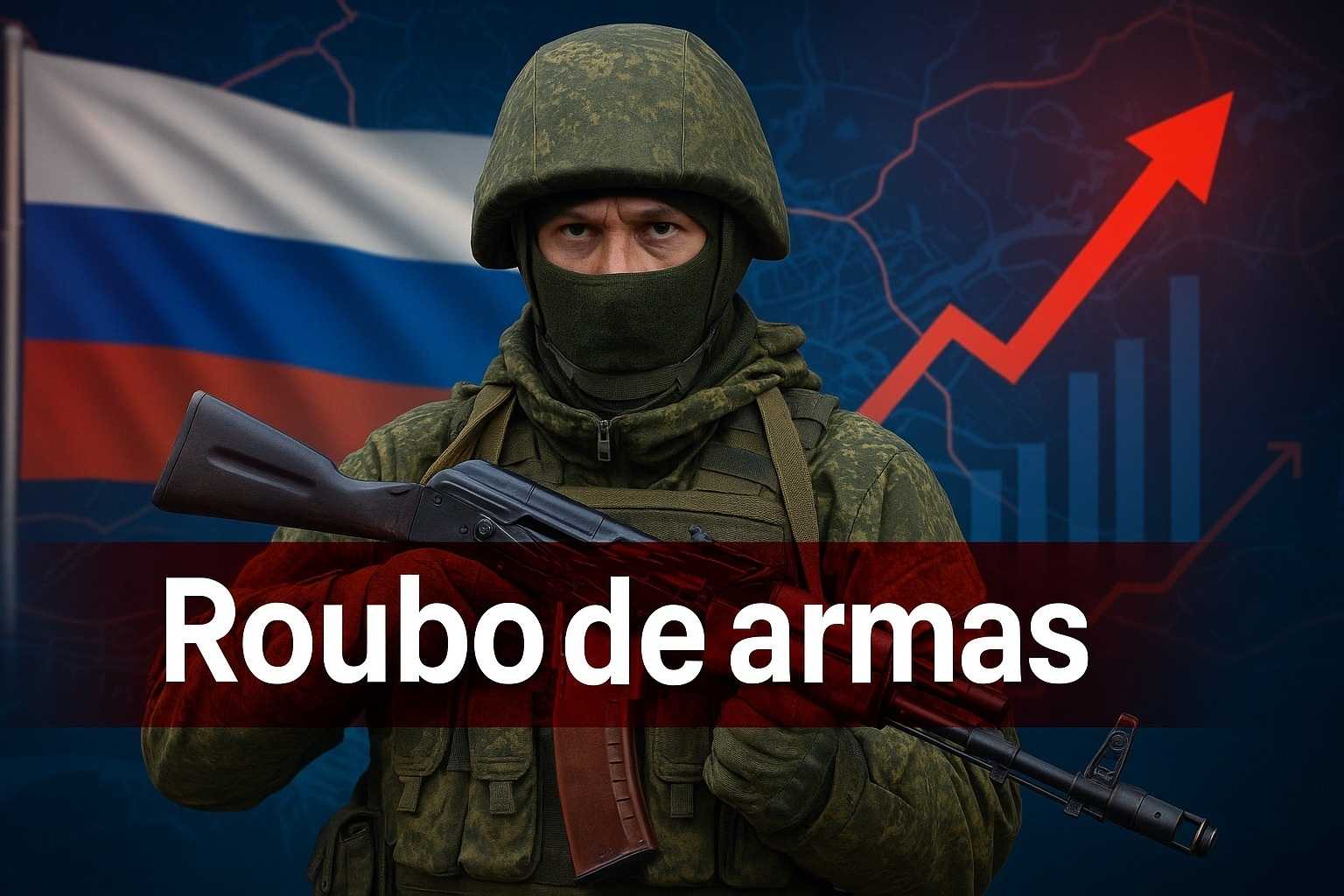
Since the beginning of the invasion of Ukraine, the theft of weapons by Russian soldiers has become a growing problem for Moscow. Weapons diverted from the battlefront are taken to Russia and supply organized crime, while reducing the effectiveness of military units still in operation.
Since February 2022, theft of weapons by Russian soldiers has been recorded in units operating in Ukraine, with some of the material being taken back to the Russian Federation when the military are released from service.
The phenomenon affects troop cohesion and increases crime in the country.
Origin And Aggravating Factors Of The Problem
The historical difficulty of recovering weapons from demobilized soldiers has been identified in several conflicts.
-
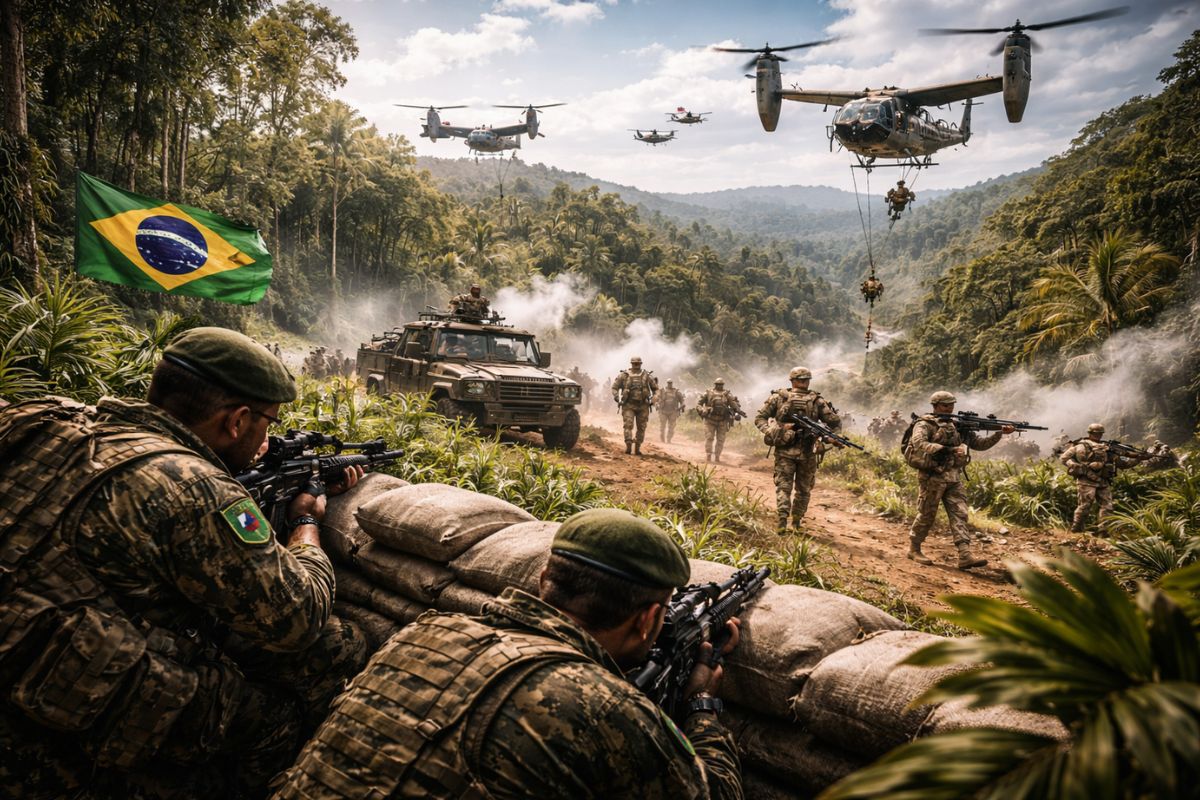
If the USA were to go to war with Brazil, Washington’s greatest fear would not be the attack itself, but facing a vast territory, prolonged resistance, and a costly, chaotic, and unpredictable occupation.
-
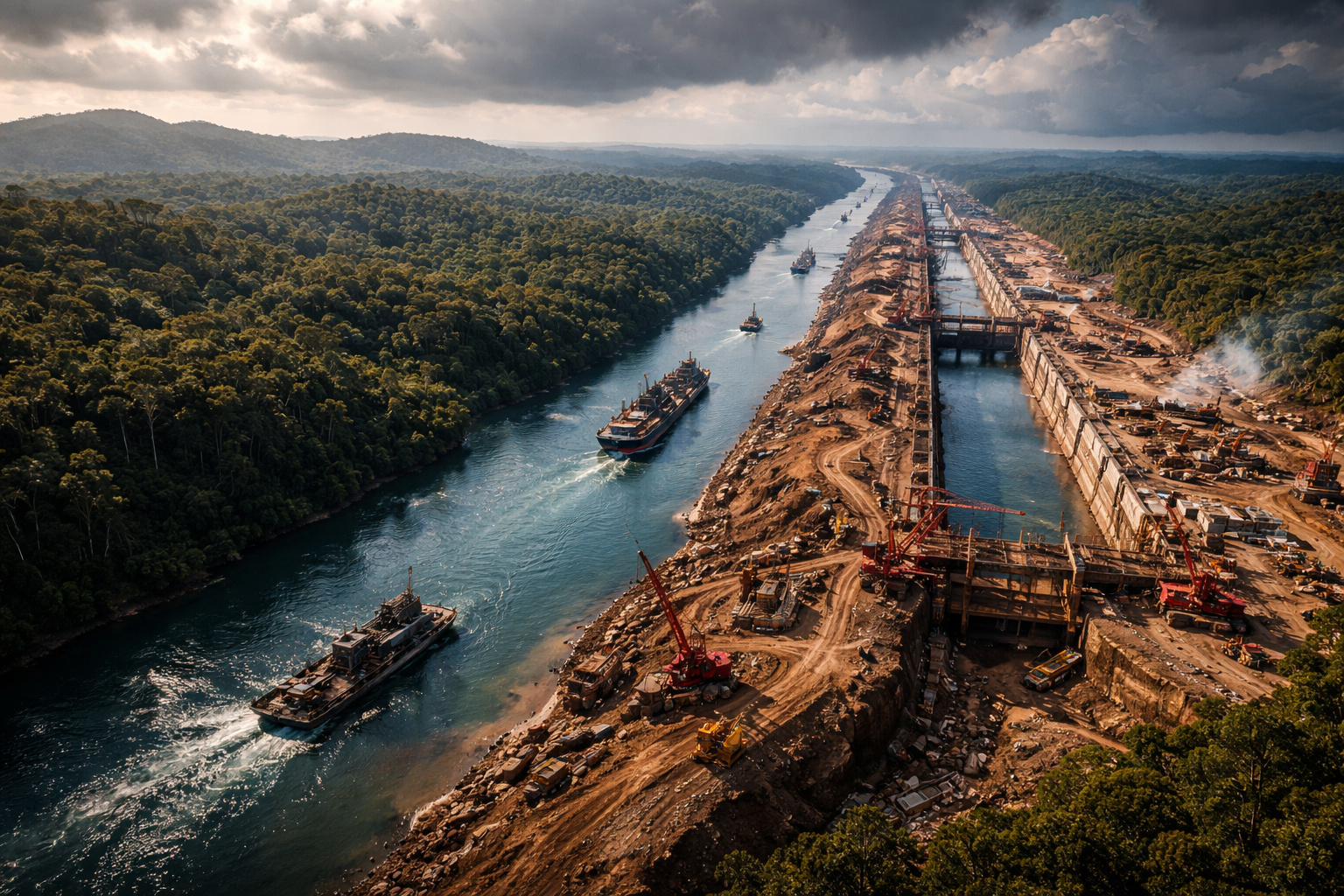
In 2013, Nicaragua sold the concession for a canal to rival Panama to a Chinese billionaire who lost 85% of his fortune, disappeared, and was declared bankrupt. Now the project resurfaces with a new route, a new Chinese partner, and a cost of $64.5 billion.
-
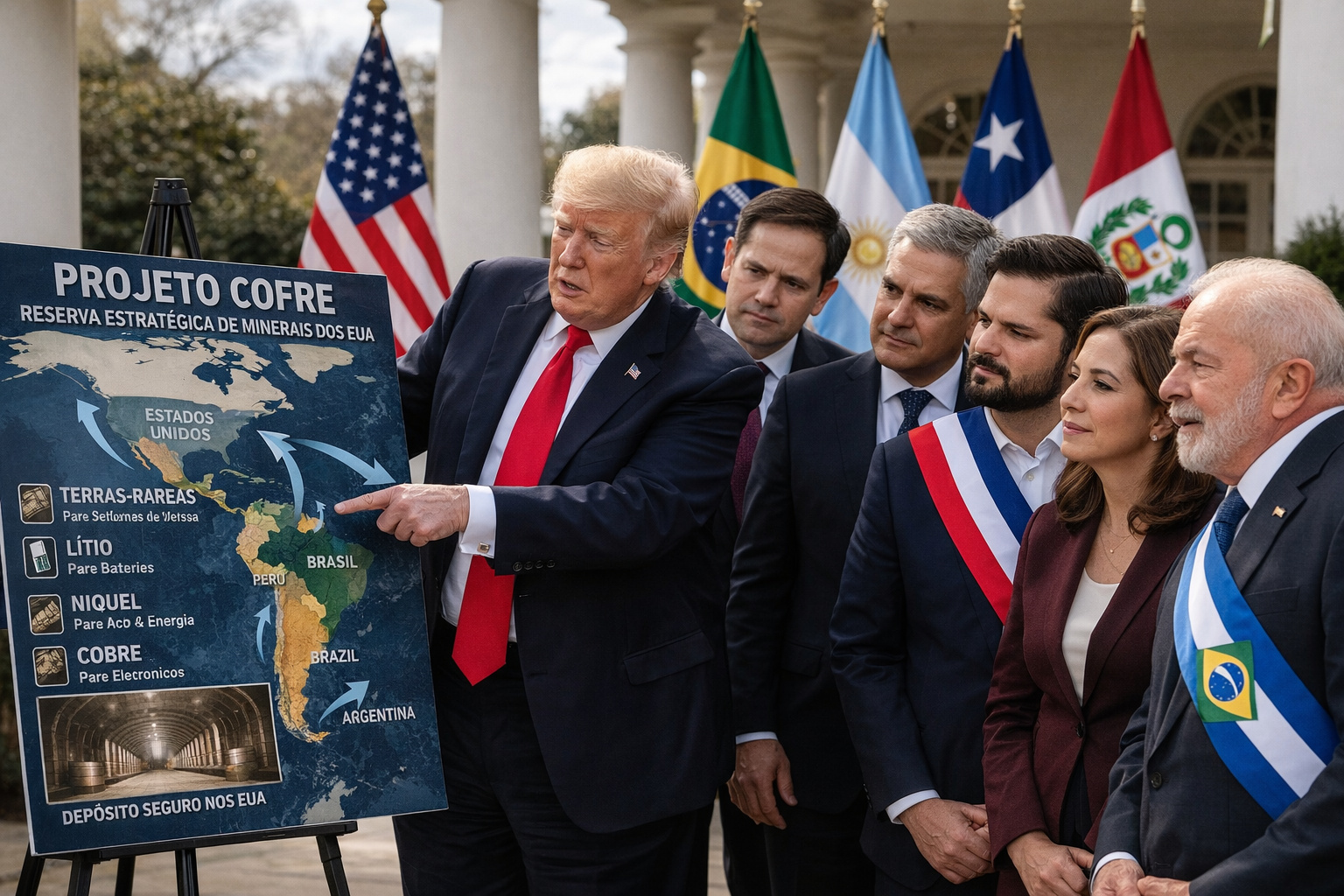
The USA announces a mysterious billion-dollar vault project to store critical minerals, but what intrigues experts is not just the plan itself, but why Latin America, including Brazil, has entered the center of this global dispute against China.
-
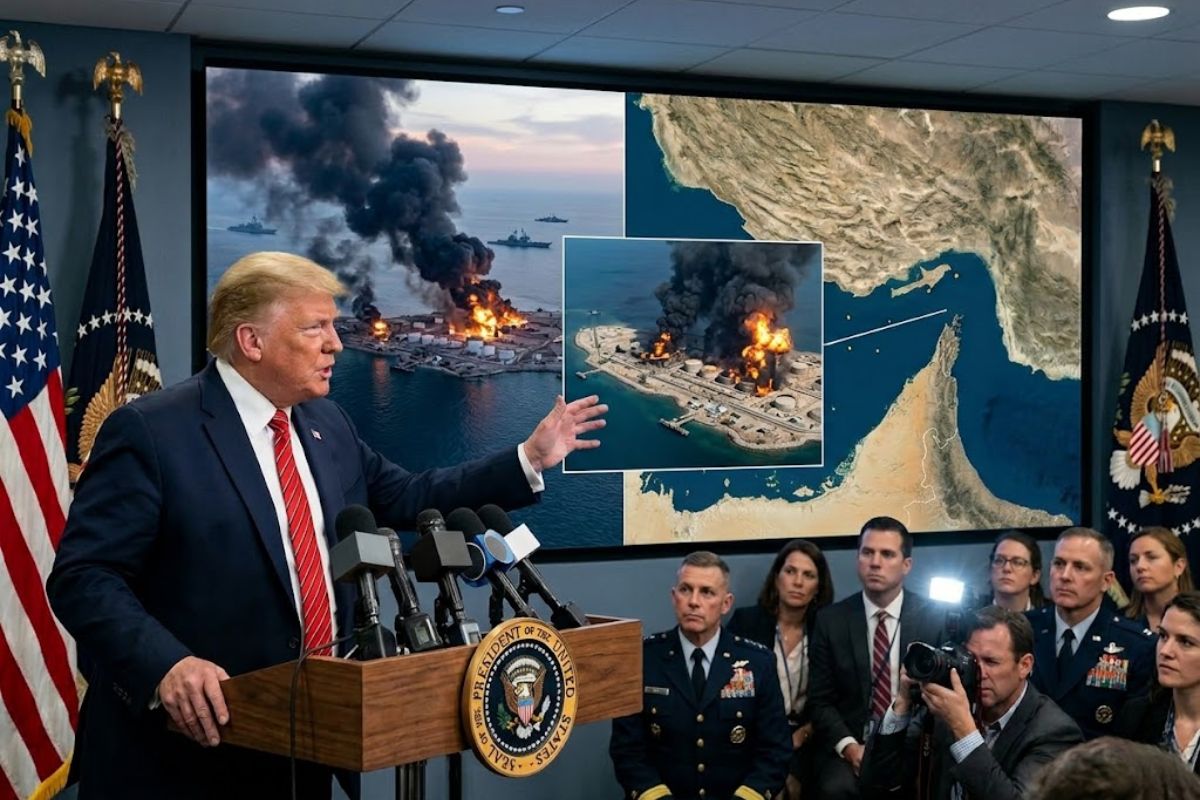
Trump Announces Bombing of U.S. Military Targets on Iranian Island Responsible for About 90% of Iran’s Oil Exports, Warns of Further Attacks if Navigation in Strategic Strait of Hormuz Is Threatened

In the Russian case, the severity grows because men with criminal backgrounds were released from prison at the decision of Vladimir Putin on the condition of serving in Ukraine. The reinsertion of these profiles raises internal risks.
High financial incentives have attracted volunteers to the war effort, but the lack of well-paying jobs upon their return pushes some veterans into illegal activities.
The conversion of the enlistment bonus into a difficult standard of living creates an environment conducive to seeking income through illegal means.
Official Responses And Limits Of Transparency
The rise in crime rates alarmed citizens and authorities, stimulating additional measures by the state to contain the illegal behavior of veterans. The effectiveness of these actions has been classified as limited by available records.
Since the fall of 2023, the Ministry of Internal Affairs has stopped releasing statistics on the subject.
The informational vacuum restricts diagnoses, and official communication has reduced the problem to individual actions, without addressing the structural reach pointed out by independent reports.
How Command Influences The Theft Of Weapons By Russian Soldiers
Investigation by the group Verstka indicates that theft of weapons by Russian soldiers is facilitated, in part, by command practices that underreport or distort the number of weapons to cover future losses.
This behavior reduces the risk perceived by perpetrators, opening space for large-scale diversions.
This dynamic suggests knowledge, tolerance, or even complicity from at least some officials. The relaxation of internal controls favors the exit of pistols, automatic weapons, ammunition, and grenade launchers, according to the journalistic survey.
The chain of custody of military material suffers continuous weakening.
Destinations And Illegal Arms Market
Soldiers caught often declare that they transport weapons as war trophies. There are cases of resale to family members or interested third parties, with an increase in the flow to criminal organizations.
The reconfiguration of organized crime in Russia enhances its material capacity, faced with an arsenal previously unavailable.
Courts have repeatedly imposed suspended sentences or fines, according to Verstka. The available sample does not allow for statistical certainty, but the observed pattern aligns with the Kremlin’s effort to promote veterans as the new elite of the country.
The imposition of long prison sentences could produce additional political friction.
Immediate Military Effects On The Battlefield
In the Ukrainian theater, theft of weapons by Russian soldiers decreases the real availability of equipment in some units.
The asymmetry between declared inventory and actual material reduces readiness and feeds wear and tear among soldiers, command, and the system that houses them. The corrosive effect on discipline has been recorded in various reports.
Internal friction tends to grow in scenarios of reversal of fortune on the battlefield. Operational stress, coupled with the perception of impunity, intensifies the distance between hierarchies and the base, deteriorating collective effectiveness.
The problem exceeds the logistical realm and reaches the morale and governance of the units.
Internal Risks: Crime, Paramilitarism And Public Safety
Internally, the continuous proliferation of weapons creates immediate difficulties for the Kremlin. Other sources supply the illegal market, but the flow of material coming from the front is not irrelevant.
In certain situations, criminals have begun to display firepower superior to that of the police, according to available journalistic documentation.
The environment favors the expansion of paramilitary groups, such as the Russian Community, which cooperates with authorities in some contexts and, in others, confronts representatives of the regime. The ambivalence of these formations adds operational uncertainty to the state apparatus.
Potential Scale And Return Of Veterans
The trend of growth has been highlighted despite the measures taken. The prospect of the return of up to 700,000 potential veterans increases the chance of intensifying the illegal circulation of arms throughout Russia.
Theft of weapons by Russian soldiers tends to add to other risk dynamics, raising the level of violence.
Concern in the Kremlin has been reported amid the assessment that, in the short term, current state power instruments would be sufficient to manage the situation. However, the long-term assessment points to more unstable scenarios.
Manageable Short Term, Uncertain Long Term
In the short term, repressive and judicial capacity maintains relative balance. In the long term, the dissemination of weapons, observed leniency in penalties, and incomplete social reintegration of veterans may combine adverse effects.
The expected result includes greater social demand for tougher policies.
The adoption of harsher measures may generate immediate control, but also accumulated discontent among veterans.
The tension between political legitimacy and public safety intensifies when the subject involves ex-combatants promoted by the regime. Theft of weapons by Russian soldiers thus becomes a systemic risk.
The combination of permissive command practices, an expanding illegal market, limited state responses, and the return of significant contingents of veterans composes a growing threat landscape.
The continuation of the proliferation of weapons tends to pressure internal stability and military effectiveness.





-

Uma pessoa reagiu a isso.