





 Portuguese
  English
  Spanish
  4 min of reading
  0 comments


Theft of Cargo in Baixada Santista Increased by 197% in 2023 and Represented 10.46% of Reported Incidents in São Paulo
The majority of cases occurred in urban areas, and in 79% there was the use of firearms and direct threats, according to Overhaul’s Annual Cargo Theft Report
Cargo thefts in Baixada Santista, a region that contains the largest port complex in Latin America, increased by 197% in 2023 compared to 2022, according to data from Overhaul, which analyzes the security of goods transportation in the country. In 2023, there were 548 cases of cargo theft reported, compared to 184 in 2022.
-
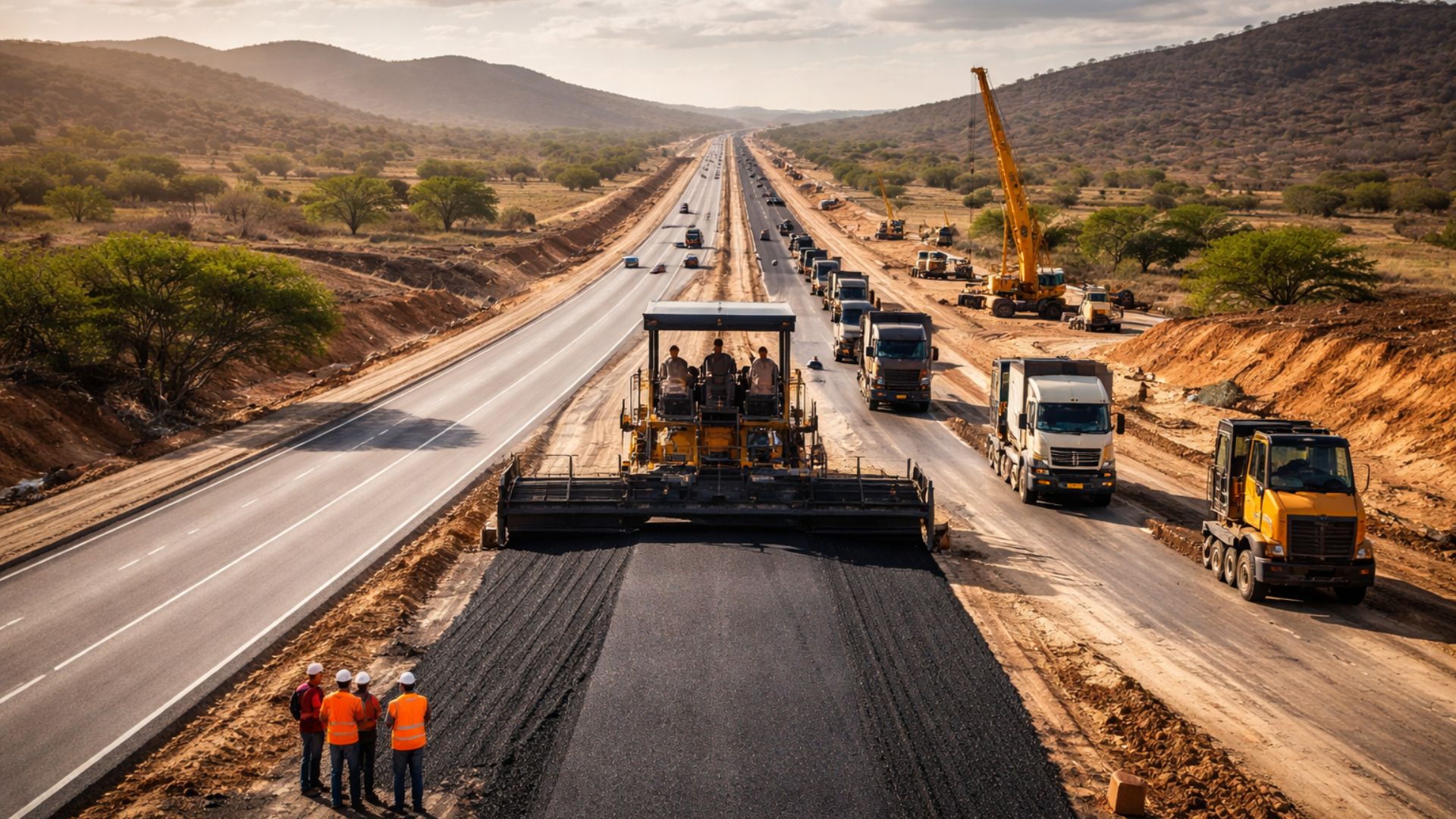
Government unlocks R$ 554 million for a highway that has been requested for decades and accelerates the duplication of BR.
-
Without bricks, without cement, and without endless construction: the cardboard house that is assembled in modules and can be moved.

-
Billions of barrels on the equatorial margin could lead Amapá to double its oil production in Brazil — the state aims to enter the route of companies in the Campos Basin, attract investments, and boost jobs and businesses in the oil and gas sector.

-
Without bricks, without cement, and without endless construction: the cardboard house that is assembled in modules and can be moved.

The thefts are primarily concentrated in Praia Grande, São Vicente, Guarujá, Cubatão, and urban areas (70%). The report also indicates that in 79% of cases, there was the use of firearms and direct threats, with incidents occurring mainly on Tuesdays (24%) and in the morning (65%).
| City | 2022 | 2023 |
| Praia Grande | 51 | 196 |
| São Vicente | 11 | 150 |
| Guarujá | 9 | 92 |
| Cubatão | 52 | 54 |
| Santos | 29 | 23 |
| Mongaguá | 14 | 16 |
| Itanhaém | 16 | 11 |
| Peruíbe | 1 | 3 |
| Bertioga | 1 | 3 |
| Total: | 184 | 548 |
“The port of Santos is essential for the national economy, responsible for a large part of the cargo movement in the country. Its strategic location and modern infrastructure allow the city to be an important logistics center, significantly contributing to Brazilian foreign trade and the economy as a whole. Therefore, many companies have strengthened the security of their cargo in the region,” says Overhaul’s intelligence manager in Brazil, Reginaldo Catarino.
Overhaul monitors reported cases daily in several countries, including Brazil: here, the company compares official information released by the Departments of Security and Highway Police of the 26 states and the Federal District with data from security, transportation, and data intelligence technology companies.
Most Stolen Products
At the top of the list of most “sought-after” cargoes by gangs operating in Brazil, according to Overhaul’s survey, are trucks with various loads, or “miscellaneous” cargo, accounting for 43% of incidents, a nearly 10% increase compared to 2022.
In the Baixada region, the five most stolen products in 2023 were also mixed cargoes, followed by food and beverages; agricultural loads, such as pesticides, grains, and seeds; alcoholic beverages; and finally, electronics.
The choice of certain items by criminals is directly linked to the ease of disposing of the stolen products and selling them in the black market without having to pay taxes or issue invoices. “We have noticed an increase in opportunistic theft cases that involve gangs and organized crime,” says Reginaldo. He notes that while analyzing cargo theft cases, the consultancy considers all types of incidents, whether those carried out by organized crime or also in cases of theft from cargo, such as a truck overturning on the highway with a load of alcoholic beverages that is looted by the public.
Brazil
Almost two cargo thefts occurred per hour on Brazilian roads in 2023, totaling 17,118 incidents. The result shows a growth of 4.8% in crime compared to 2022, according to the data from the “Brazil: Annual Cargo Theft Report.” São Paulo was the state with the highest number of incidents in 2023, accounting for 42% of total cases—a 4% increase from the previous year.
The Southeast remained the area with the highest number of cargo thefts, responsible for 76% of incidents. Following this, the Southern (10%), Northeastern (8%), Central-Western (5%), and Northern (1%) regions complete the map of this type of crime in Brazil last year. According to the report’s results, the sub-regions with the highest crime rates continue to be those located in metropolitan areas of large cities.
Trend
Reginaldo Catarino says there is a rising wave of cargo thefts in Brazil and that this increase may be directly related to changes in consumer behavior, macroeconomic issues, the advancement of agricultural production, and the growth of informality.
“We have observed that the population consuming products from cargo thefts has been increasing, and just like in the regulated market, the ‘law of supply and demand’ also dictates the growth of this type of crime. This is a very important social issue that needs to be addressed. Furthermore, the lack of infrastructure on roads and secure stops is also an aggravating factor,” he assesses.
Solutions
To combat this problem, experts point out that excellent intelligence work and monitoring of the situation are essential, reducing the exposure of cargo at the entrances and exits of the port, and using specialized security teams. The use of advanced technology, such as vehicle, cargo, and container monitoring systems, is also a differentiator, as well as having the ability to detect behavioral changes and allowing for a quick response to prevent theft and engage law enforcement.
“For cargo entering Santos, it’s important to choose routes and times that minimize exposure and ensure a smooth entry to the port. Security measures should be in place to protect the cargo while waiting in lines and during transit to the final destination,” highlights Catarino.
Regarding imports, intelligence work should begin from the origin, with monitoring of the route’s movements and through the port and terminals. Attention should also be paid to the release of the container and the exit from the port, with multiple layers of security in place to ensure safe passage through high-risk areas.







Seja o primeiro a reagir!