





 Portuguese
  English
  Spanish
  3 min of reading
  0 comments


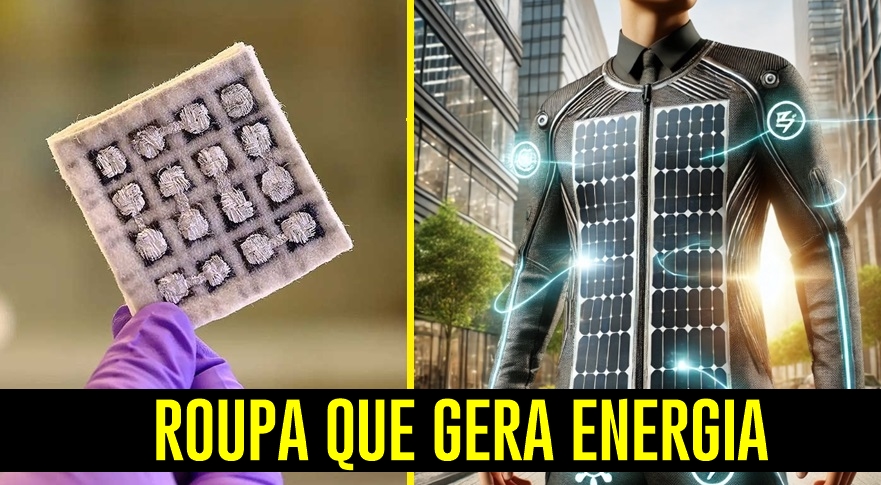
Soon, Our Clothes Could Generate Electricity With New Revolutionary Invention, Bringing Innovation to Everyday Life
Imagine your clothes that not only keep you warm but also charge your phone and monitor your health. Researchers from Chalmers University of Technology, in Sweden, are developing an innovative silk thread that transforms body heat into electricity, promising to revolutionize the textile industry and offer new features for fashion.
How The Technology Works
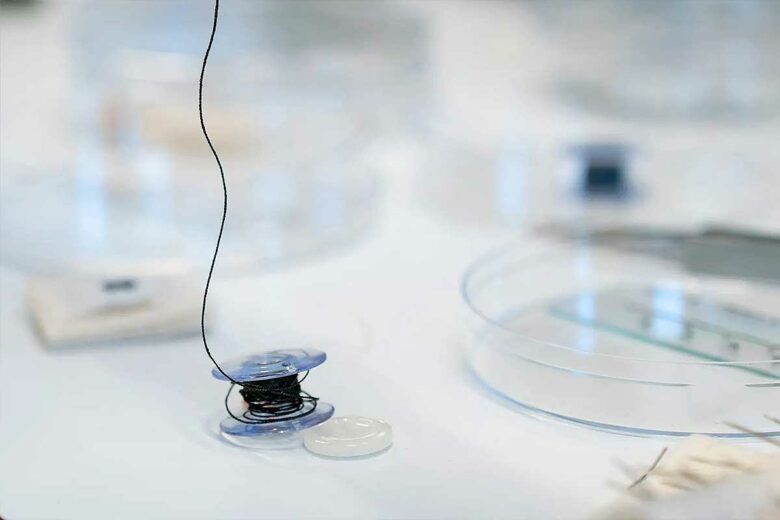
The thread created by researchers is coated with a carbon-based conductive polymer. This technology has a unique chemical structure that allows electricity conduction similarly to silicon, but with the advantage of being flexible.
In recent years, significant advancements have been made in the area of conductive polymers and, especially, in smart textiles, which can now convert temperature differences into electrical energy.
-
A “silent skill” is allowing Brazilians to earn up to R$ 22,000 per month without a degree and become indispensable for companies that rely on millions of data to survive.

-
Researchers at the Toyota Research Institute found that if a human uses robotic arms to flip a pancake 300 times in an afternoon, the robot learns to do it on its own the next morning, and this is currently the most promising method to solve the biggest bottleneck in modern robotics.

-
Goodbye iron: a common item in households is starting to lose space to technology that smooths clothes in minutes without an ironing board and with less energy consumption.

-
Antarctica reveals an unusual clue high in the Hudson Mountains, and what appeared to be just an isolated rock began to expose a secret hidden under the ice for ages.

Practical Application
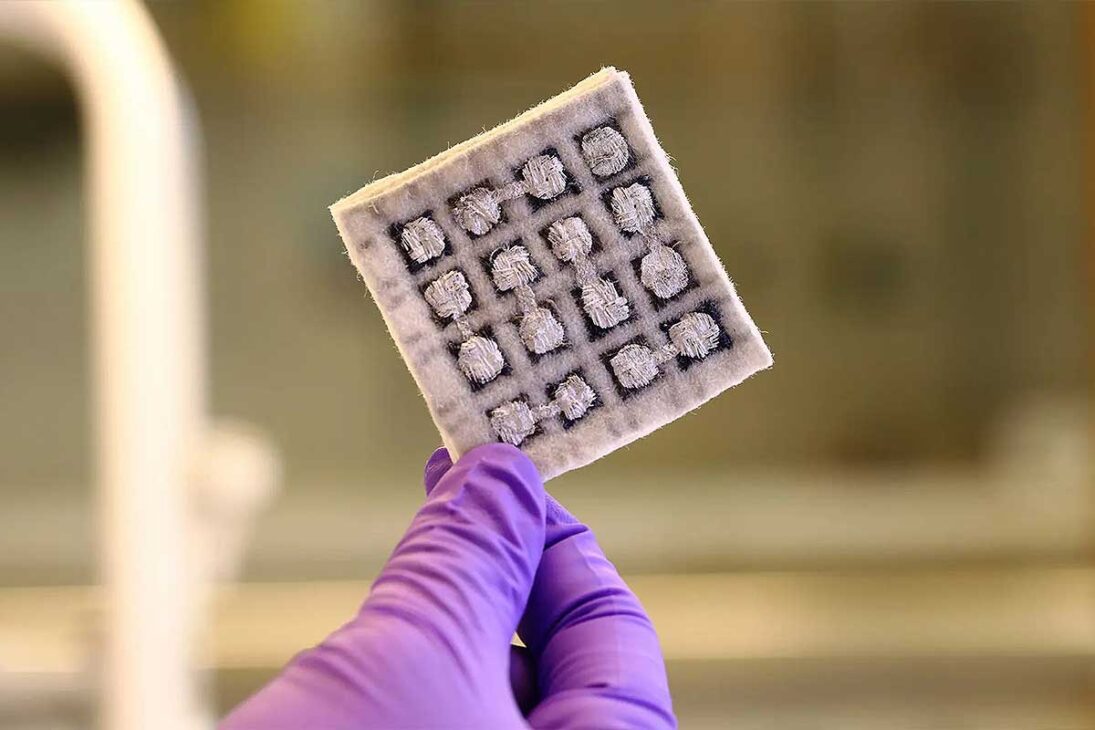
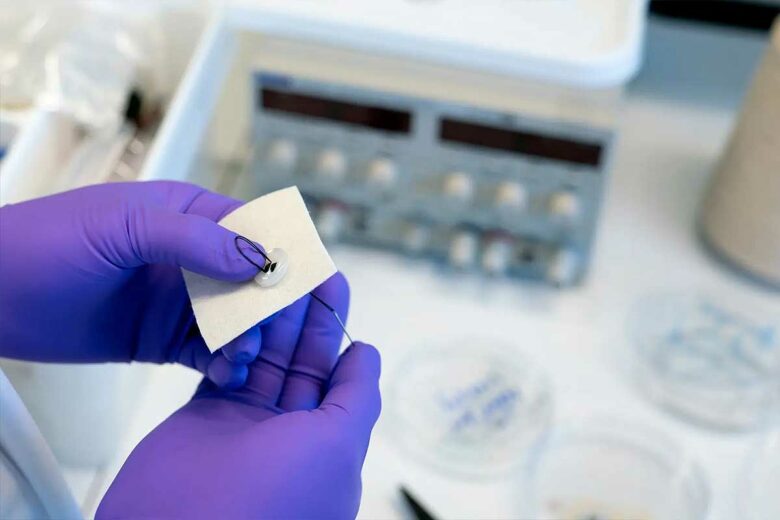
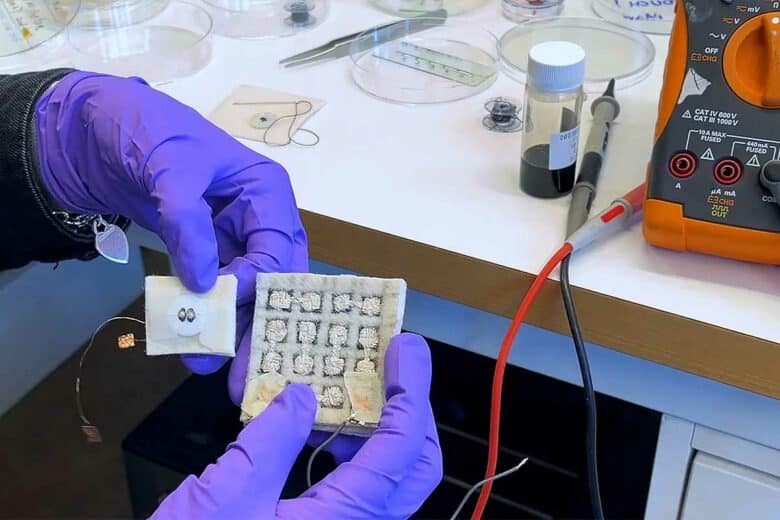
To demonstrate the potential of the thread, researchers developed two thermoelectric generators: a button and a piece of fabric sewn with this conductive thread. When exposed to different temperatures, both generate electricity.
The generated energy depends on the amount of polymer used and the temperature difference between the body and the environment. In tests, the fabric produced about 6 millivolts with a temperature difference of 30°C.
This means that, with a voltage converter, this fabric could charge small electronic devices, such as fitness trackers and medical sensors.
Advantages of Organic Polymers
The thread developed is made of carbon-based organic polymers. Compared to previous conductive threads, this new material is lightweight, flexible, and easy to handle.
Another advantage is its excellent electrical conductivity and stability, without the need for rare earth elements (REE), commonly used in traditional electronics.
According to Mariavittoria Craighero, a PhD student in the Department of Chemistry and Chemical Engineering at Chalmers, “We found the missing piece to create the ideal thread. This new type of polymer, recently discovered, exhibits stability and excellent electrical conductivity.”
Challenges in Production
Despite the innovations, manufacturing the thermoelectric fabric still presents challenges. The sewing process is done manually and can take up to four days, making production time-consuming and labor-intensive.
However, the team believes that creating an automated process will be possible in the future, allowing for large-scale production.
Christian Müller, the study leader, states: “This is an important advancement. Thermoelectric textiles offer incredible possibilities, and this research could have a significant impact on society.”
Durability and Care of Clothes
Another highlight is the durability of the conductive thread. Researchers assure that it can be machine washed while maintaining its properties for at least one year.
Even after seven washings, the polymer maintained two-thirds of its conductive capacity, which is a positive result, though there is still a need to improve durability for the material to be commercially viable.
Will we see clothes that charge our devices soon? Research from Chalmers University of Technology points to a future where this is possible. However, there are still development steps to make this technology accessible and economically viable.







Seja o primeiro a reagir!