





 Portuguese
  English
  Spanish
 3 min of reading
  0 comments


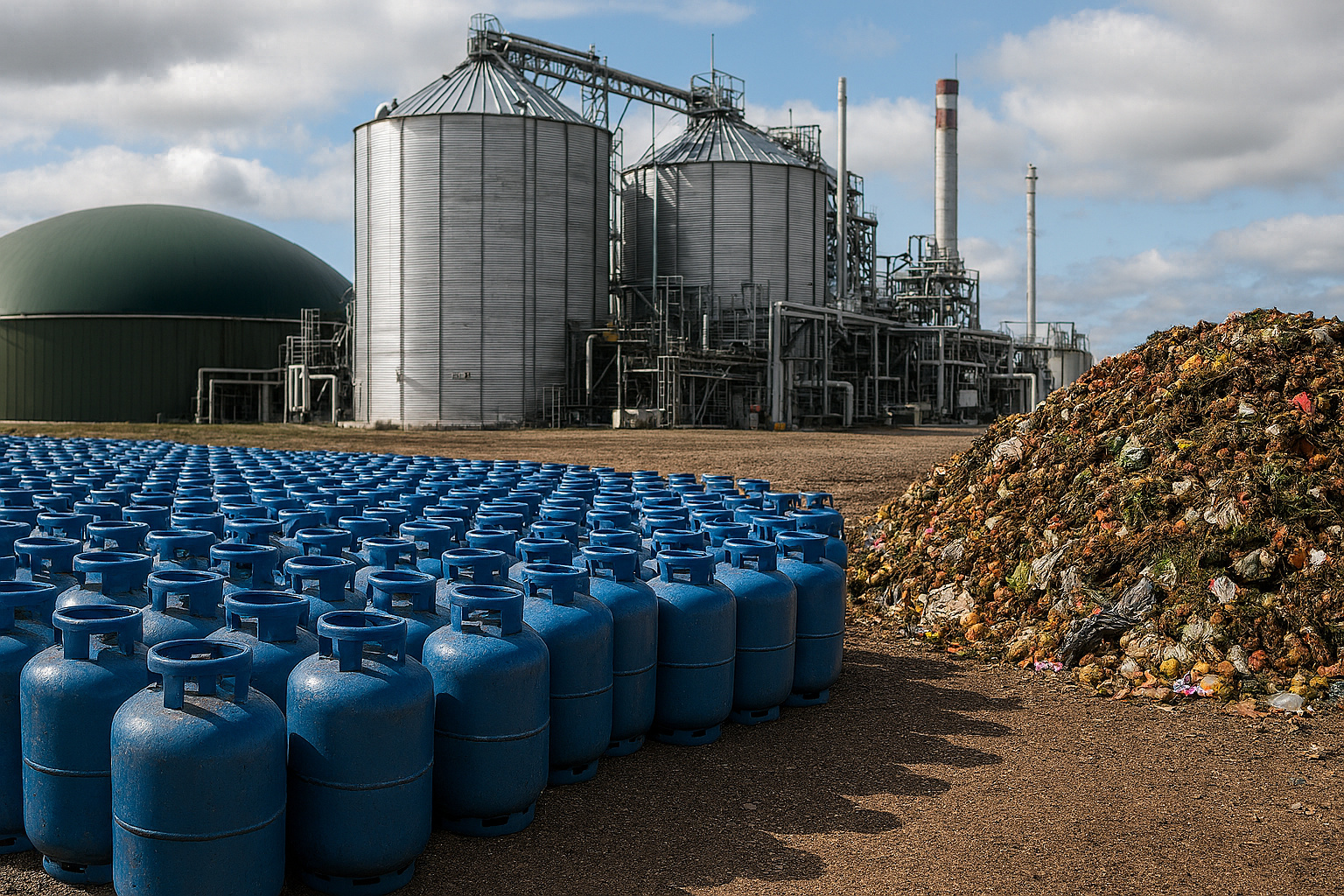
Biomethane Unit South, in Minas do Leão, Received R$ 150 Million in Investments and Promises to Reduce 1 Million Tons of Greenhouse Gases in 15 Years, Generating Clean Energy in the State.
Rio Grande do Sul took an unprecedented step in energy transition on Monday (15). The first biogas plant installed at a landfill in the state began operations, located in Minas do Leão, 100 km from Porto Alegre. The plant will transform organic waste into renewable gas, capable of supplying the industry and, in the future, sectors such as transportation and electricity generation.
Production Capacity Impresses
The unit, called Biomethane South, will have the capacity to produce the equivalent of 12,500 gas cylinders daily. This result comes from the utilization of waste discarded by 85 municipalities in the state.
In practice, the initiative closes a cycle: what was once mere waste now generates clean energy and sustainable fuel.
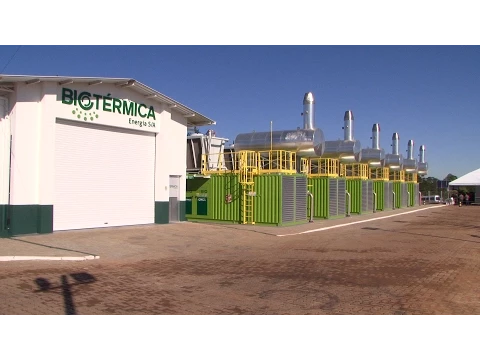

In addition, the plant already contributes to CRVR’s own energy matrix.
At the unit, biogas is being used to generate about 8.5 megawatts/hour, supplying part of the operations.
-
Brazil accelerates hydrogen and biofuel projects to consolidate the fuel of the future and reduce dependence on oil by 2026.
-
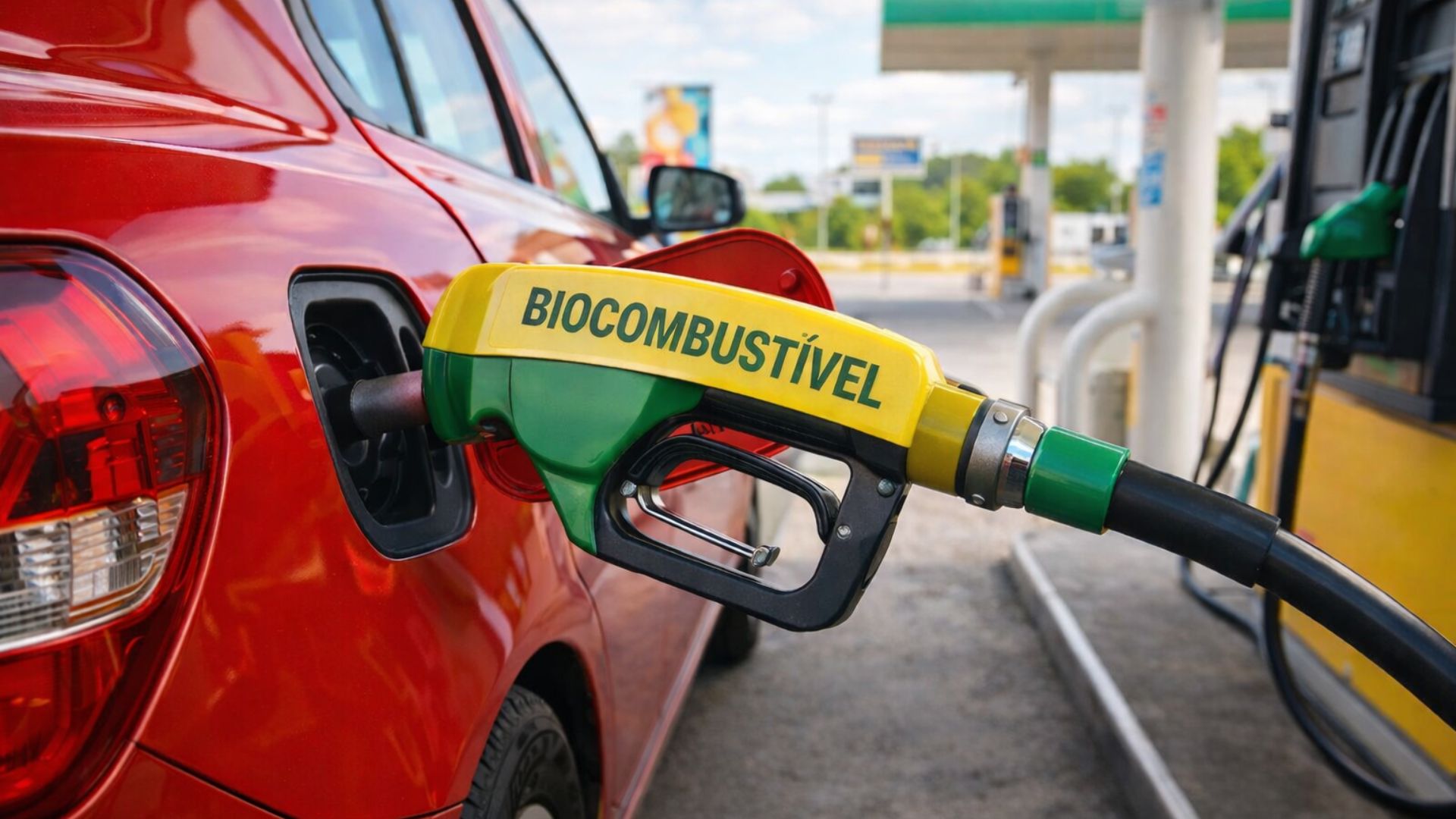
CNPE strengthens policy and prevents imported biodiesel from being mixed with diesel, aiming to strengthen the Brazilian industry and protect jobs by reducing external dependence amid tensions in the global market.
-
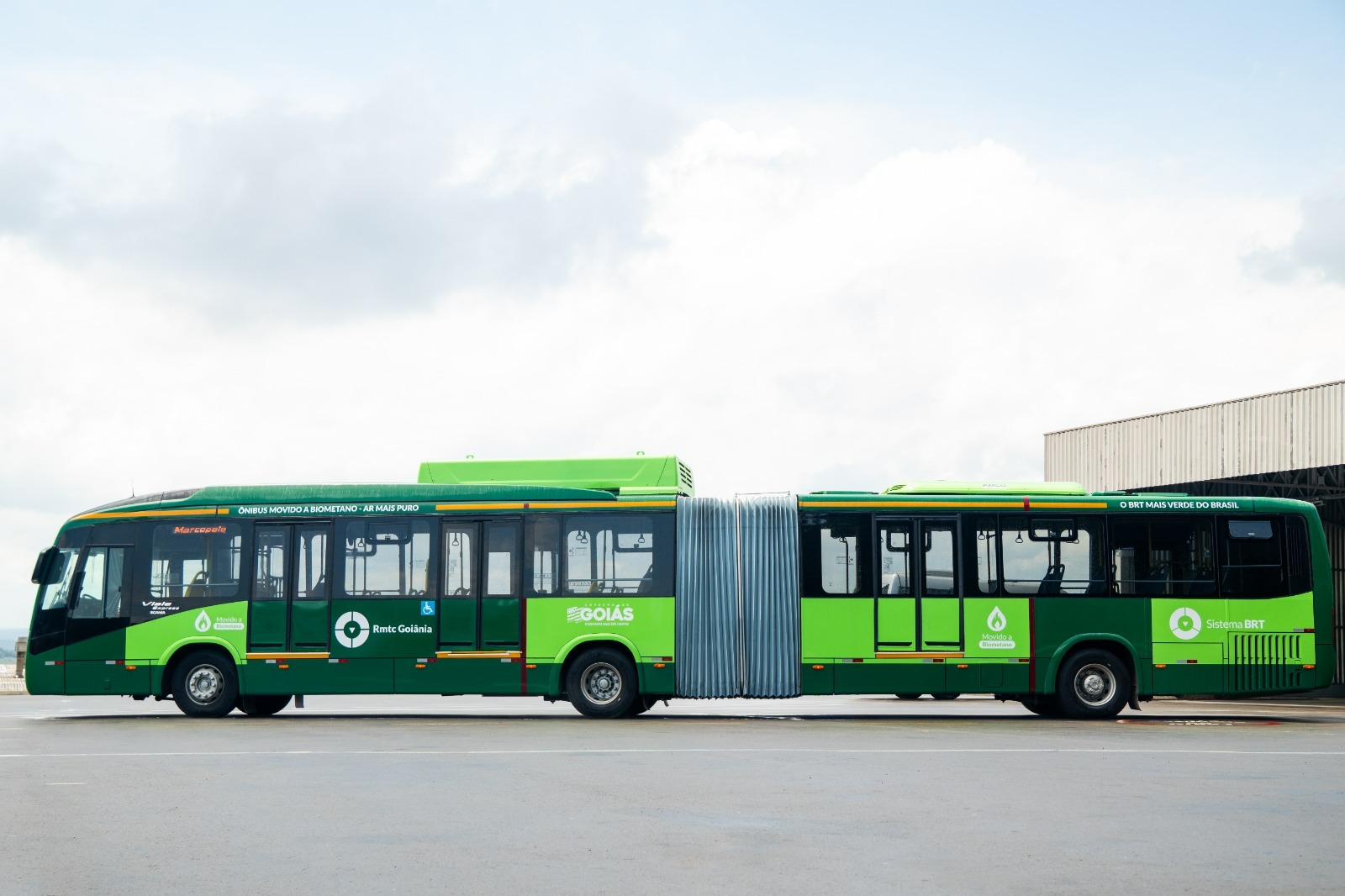
Revolution in public transport: Goiânia puts into circulation the first articulated buses powered by biomethane in Brazil and promises to drastically reduce pollution on the Anhanguera Corridor.
-
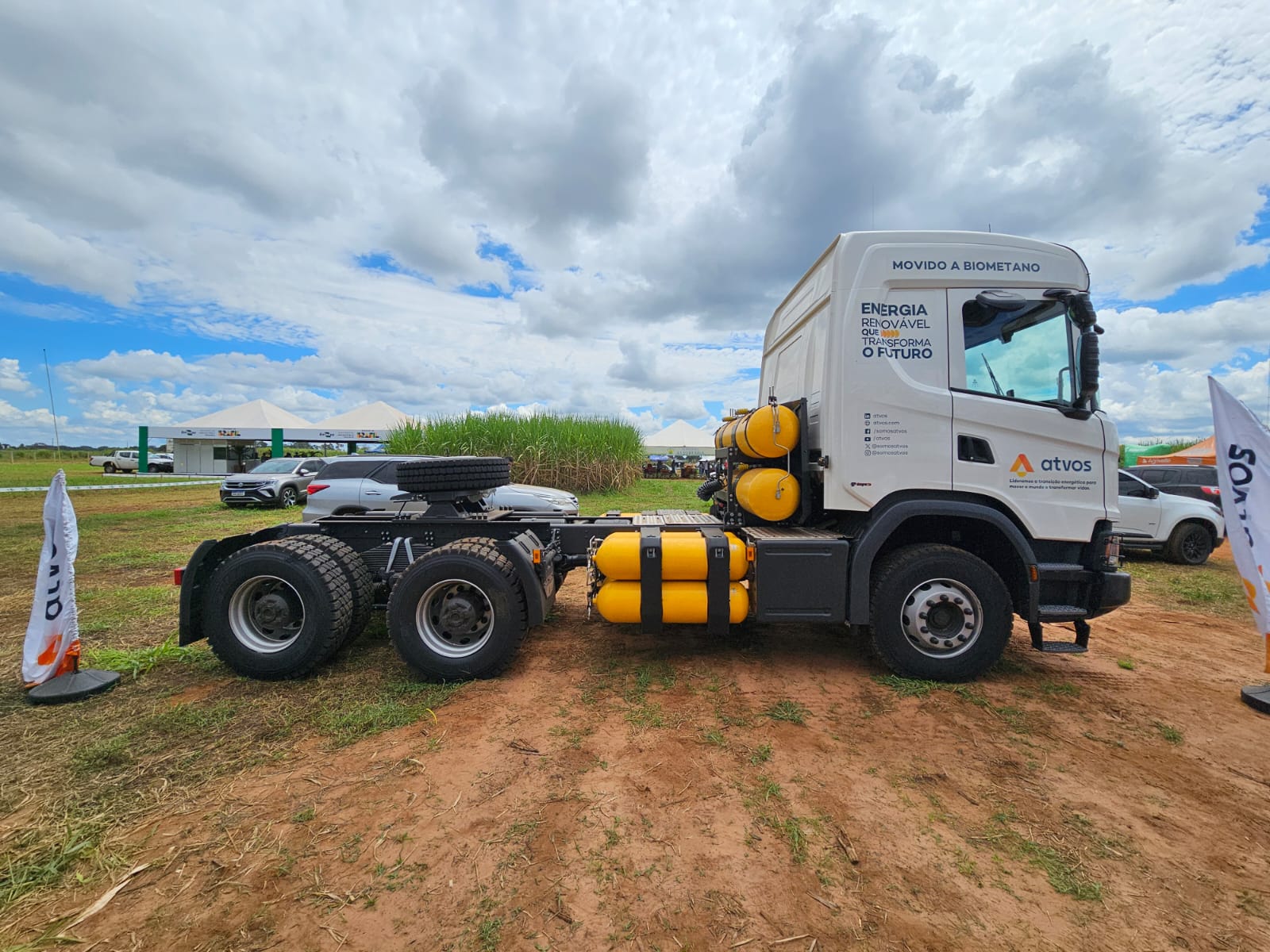
From the field to the pipelines: Mato Grosso do Sul accelerates the energy transition and consolidates a new axis in renewable energy with the arrival of a giant biogas plant.

Billion Investment in Expansion
The construction involved an investment of R$ 150 million, shared between the Solví group, controlling CRVR, and Arpoador Energia. The managers emphasize that, in addition to the positive environmental impact, the project has already created 30 direct jobs in Minas do Leão.
The company’s plan also includes the installation of new plants in other municipalities, such as São Leopoldo, Santa Maria, Giruá, and Victor Graeff.
In São Leopoldo alone, R$ 100 million is already being invested in a unit currently under construction.
Environmental Impact: Less Greenhouse Gas
According to CRVR, the conversion of biogas into biomethane should prevent the emission of 1 million tons of greenhouse gases in 15 years.
This figure is comparable to removing thousands of vehicles from the streets, demonstrating the initiative’s potential to combat climate change.
The utilization of waste for energy generation not only reduces emissions but also helps extend the lifespan of landfills and decrease long-term environmental impacts.
How Waste Becomes Biomethane
The production process is divided into several stages:
- Decomposition – The organic waste discarded in landfills releases what is called biogas, composed of methane, carbon dioxide, and other elements.
- Collection – Biogas is sucked by well-like structures and directed to a network of pipes installed over the landfill.
- Purification – At the plant, the gas goes through processes to remove moisture, adjust temperature, and eliminate CO₂ and other residues.
- Concentration – The result is a gas with more than 90% methane, called biomethane.
- Commercialization – Biomethane is compressed, placed in cylinders, and distributed for consumption.
This cycle ensures the complete utilization of organic waste, which ceases to be just trash to become a strategic energy resource.
Perspectives Until 2030
CRVR’s goal is ambitious: by 2030, all planned biomethane production units should be operating in Rio Grande do Sul.
If confirmed, the conversion of waste into renewable gas could meet up to 10% of the state’s natural gas demand.
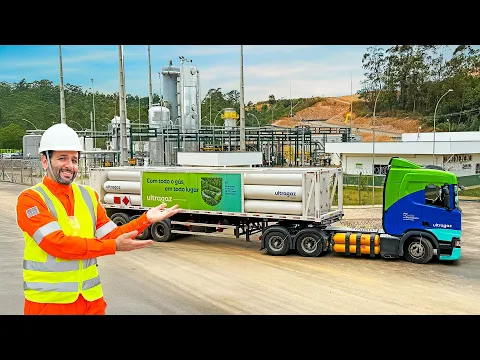
This advancement reinforces the role of biomethane as one of the most promising alternatives within the Brazilian energy transition, aligned with decarbonization and energy security goals.
A Milestone for the Energy Transition in Brazil
The start of operations of Biomethane South represents not just a local project.
The model can expand to other regions of Brazil, where landfills also concentrate a large volume of organic waste.
If replicated on a national scale, the technology could transform the country into a worldwide reference in renewable natural gas production, making the most of the reality of its urban and rural centers.







Seja o primeiro a reagir!