





 Portuguese
  English
  Spanish
  3 min of reading
  0 comments


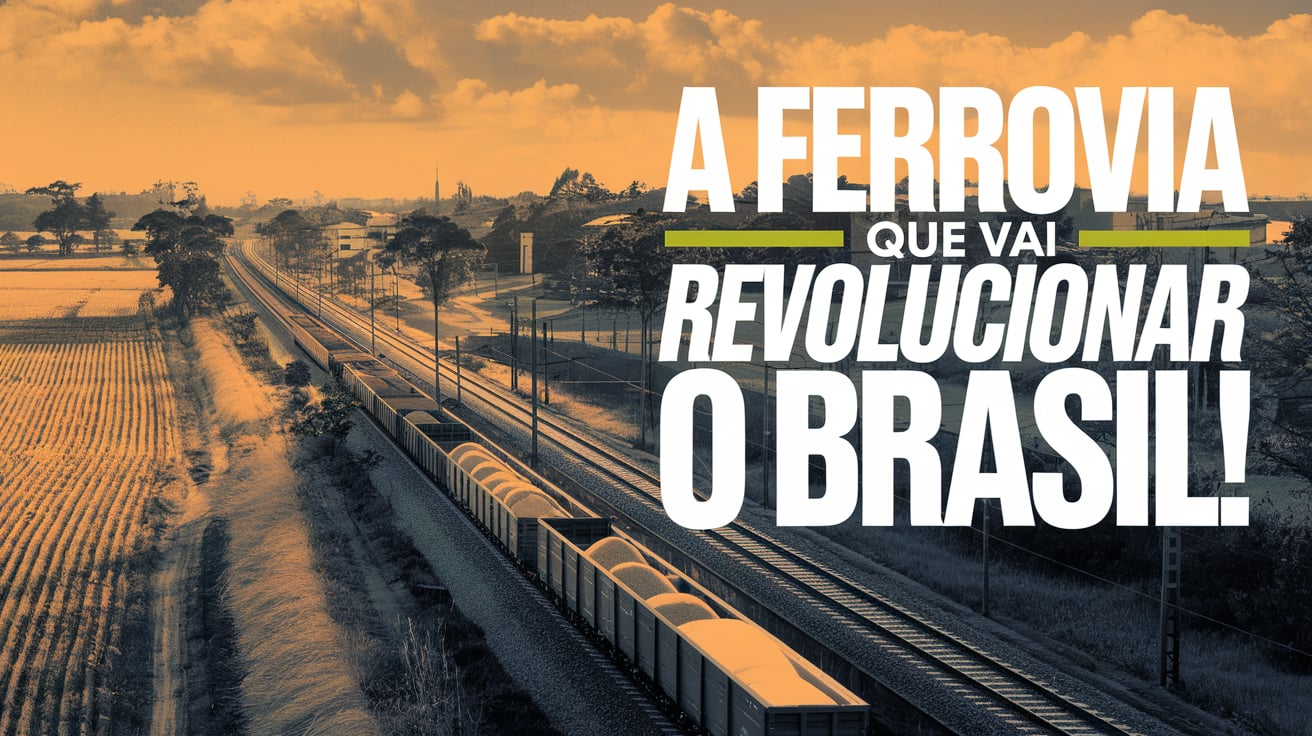
A R$ 14 billion railway can transform Brazilian logistics. With 730 km and an expected completion by 2030, the project promises to revolutionize grain transport, reduce costs, and generate over 5,000 jobs. Will this be the change Brazil needs?
The biggest logistics bet in Brazil is underway, and it promises to change the course of agribusiness and national exports.
With a monumental investment of over R$ 14 billion, Rumo Logística is leading a project that will not only increase transportation efficiency but will also bring positive social and environmental impacts.
But what makes this railway so innovative, and why can it be a historical milestone for the country?
-
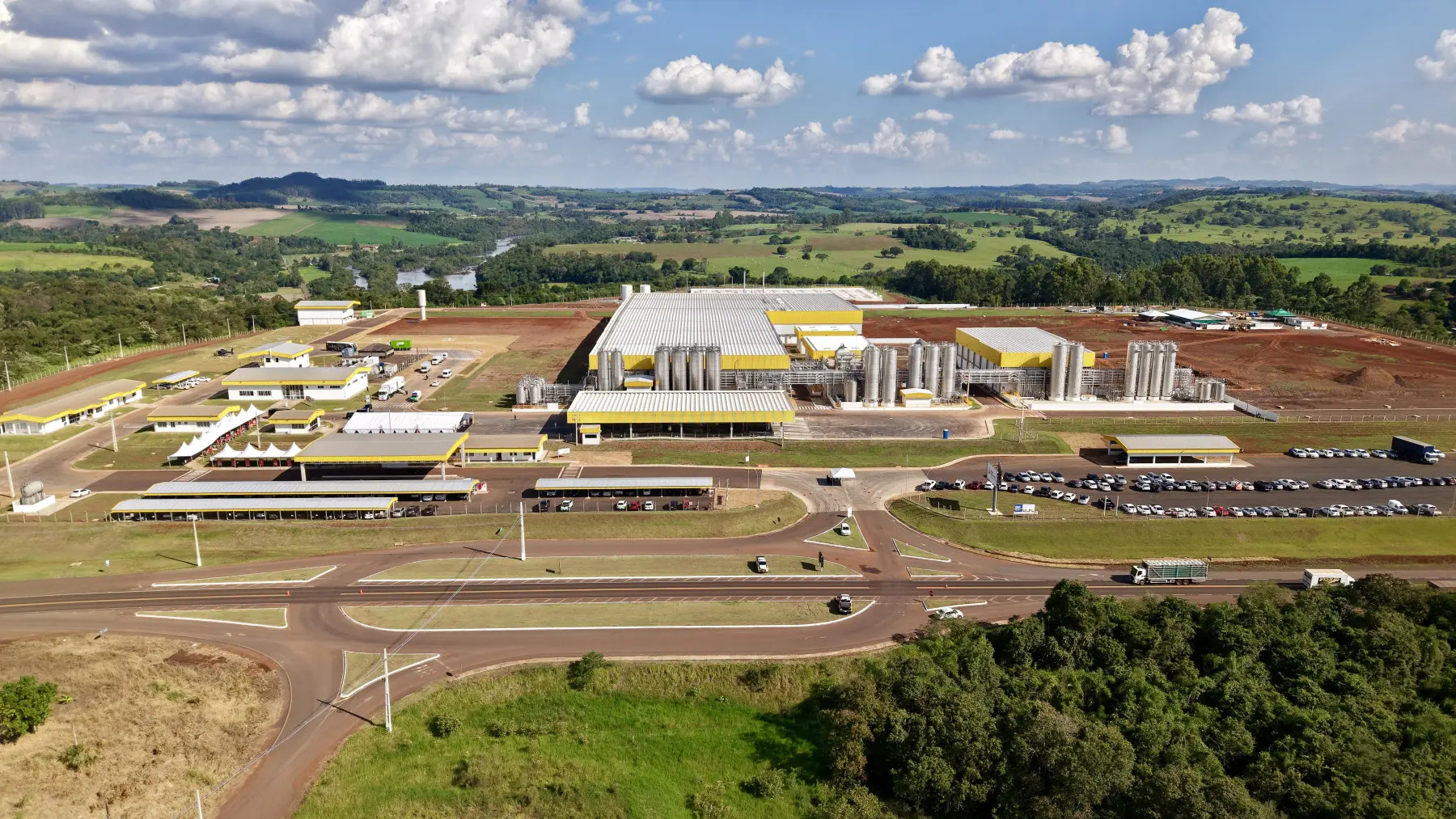
With an investment of R$ 612 million, a capacity to process 1.2 million liters of milk per day, Piracanjuba inaugurates a mega cheese factory that increases national production, reduces dependence on imports, and repositions Brazil on the global dairy map.
-
Brazilian city gains industrial hub for 85 companies that is equivalent to 55 football fields.

-
Peugeot and Citroën factory in Argentina cuts production by half and opens a layoff program for more than 2,000 employees after Brazil drastically reduced purchases of Argentine vehicles.

-
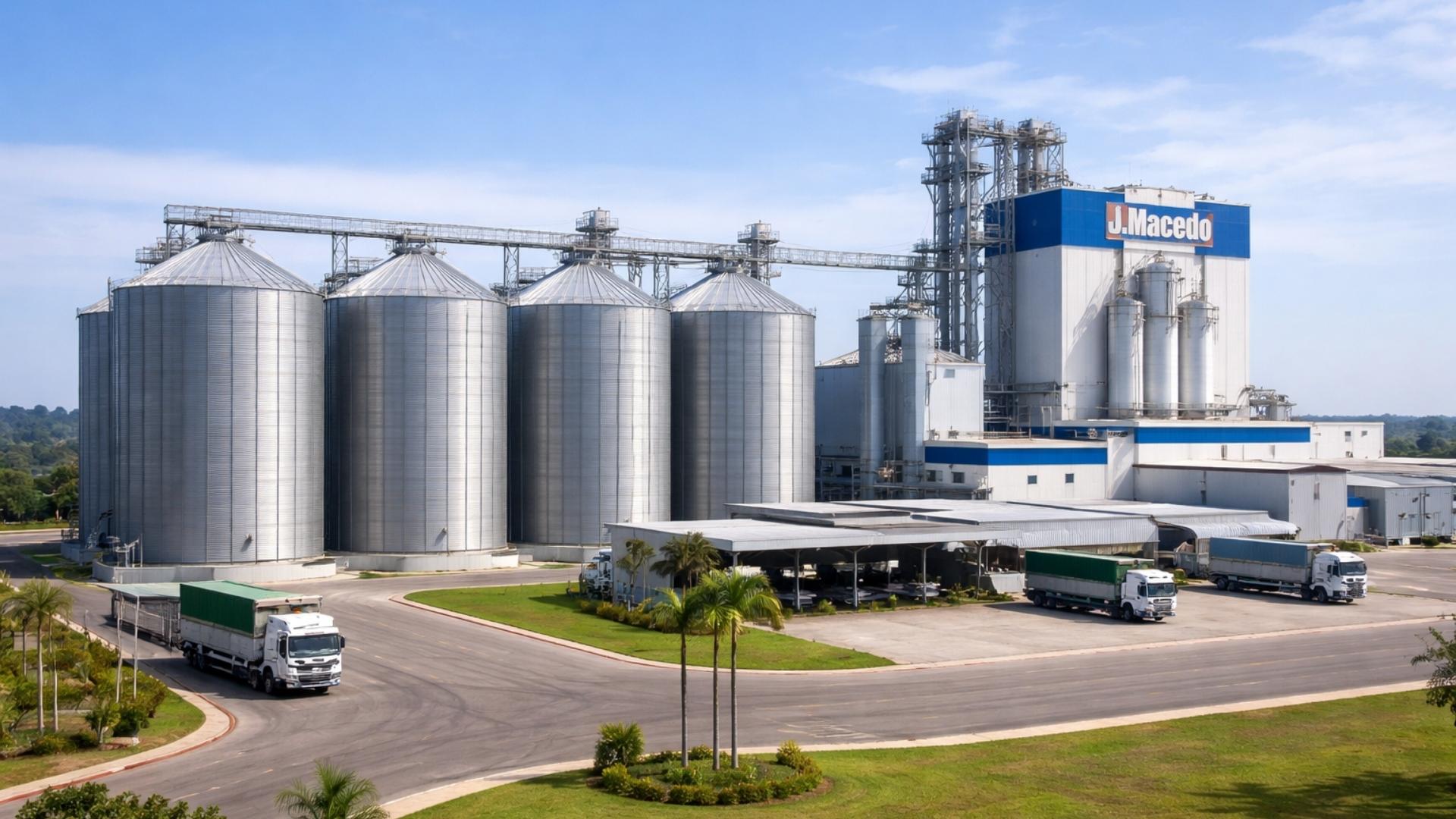
A Brazilian city gains a factory worth R$ 300 million with the capacity to process 200 thousand tons of wheat per year, a mill of 660 tons/day, silos for 42 thousand tons, and an industrial area of 276 thousand m².

At the heart of this plan is the State Railway of Mato Grosso, which promises to connect Rondonópolis to Lucas do Rio Verde along 730 km of tracks, passing through 16 municipalities and integrating with the Port of Santos.
The project aims to alleviate logistical bottlenecks, reduce transportation costs, and promote more sustainable logistics.
The expectation is that the first phase will be completed by 2026, with the entire stretch delivered by 2030.
A Watershed for Agribusiness
The Brazilian agribusiness, especially in Mato Grosso, is the main beneficiary of the new railway.
The region, which stands out for the production of grains like soybeans, corn, and cotton, relies on efficient transportation to export its products.
Today, Brazil faces high logistics costs and an excessive dependence on highways.
With the railway, a significant reduction in these costs is expected along with a lower environmental impact, as rail transport emits up to six times less pollutant gases than road transport.
Additionally, the new railway corridor is expected to relieve the state’s highways, making them safer and reducing wear and tear on the roads.
Jobs and Local Development
The economic impact of the railway is also evident in job creation.
According to Rumo Logística, more than 4,500 workers are already involved in the construction, and this number is expected to surpass 5,000 at the peak of the works.
Among the completed deliveries is a 107-meter viaduct on BR-163/364, in Rondonópolis.
The construction of 200 km of tracks and a cargo terminal is also underway, showing that the project is progressing at a rapid pace.
The local economy of the cities along the railway will be directly impacted, with opportunities for commerce, services, and development of nearby communities.
Strategic Integration with the Port of Santos
The Port of Santos, Brazil’s largest export destination, will be the endpoint of this railway.
This strategic integration is expected to reduce costs and transport times, facilitating the flow of Brazilian agricultural production to international markets.
According to Pedro Palma, CEO of Rumo Logística, the goal is to connect the agricultural potential of Mato Grosso to the global market more efficiently.
In the last 10 years, transportation capacity in the state has doubled from 12 million to 25 million tons annually, even without the expansion of the railway network.
With the new railway, these numbers are expected to grow even more.
Sustainability and Innovation with the Railway
In addition to the logistical and economic gains, the project has a strong sustainable bias.
The railway will help reduce pollutant gas emissions and includes environmental initiatives, such as the rescue and mapping of fauna and flora in the construction areas.
Social responsibility is also at the heart of the project.
Rumo has invested in programs aimed at nearby communities, promoting sustainable development and social integration.
Challenges and the Future of Brazilian Logistics
Despite the advances, the project faces significant challenges, such as obtaining environmental licenses and the need for public-private partnerships.
Still, the State Railway of Mato Grosso represents a new era for Brazilian infrastructure.
Will this initiative pave the way for new railway projects in the country, transforming logistics and Brazilian competitiveness in the global market?
And you, do you believe that Brazil is finally investing in the right mode to leverage its economic potential? Leave your opinion in the comments!






-

Uma pessoa reagiu a isso.