





 Portuguese
  English
  Spanish
  3 min of reading
  2 comments


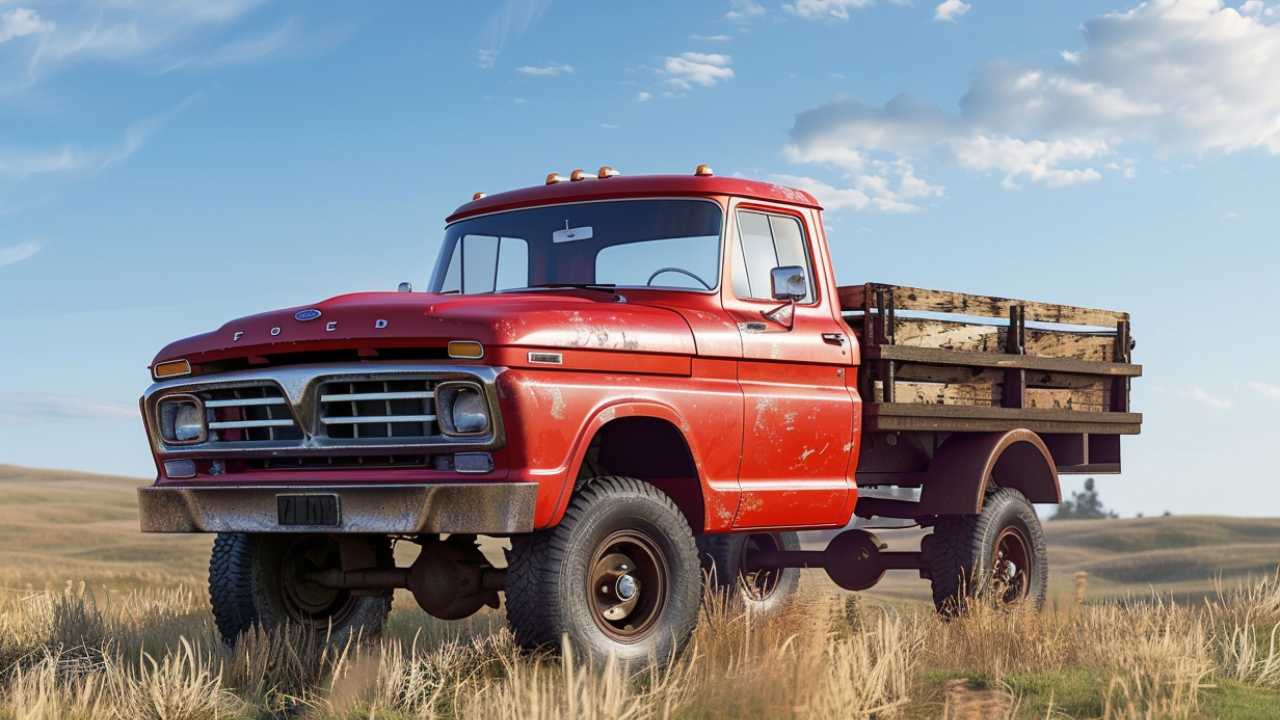


In the 70s, the introduction of the 2-stroke engine by Detroit Diesel in Ford and Chevrolet trucks marked an era of innovation in Brazil, facing technical and market challenges, and culminating in a brief but significant transformation of the national automotive industry.
In the second half of the 1970s, the Brazilian truck market experienced a significant technological revolution with the introduction of 2-stroke diesel engines by Detroit Diesel, a subsidiary of General Motors. This move was led by two automotive industry giants, Ford and Chevrolet, who adopted this new technology in an effort to modernize their fleets and increase energy efficiency.
The transition from gasoline engines to the more economical and powerful two-stroke diesel engines represented a paradigm shift, promising to transform the heavy transport sector in Brazil. Despite initial challenges, including technical issues and market acceptance, this period marked a time of innovation and development, whose effects echoed throughout the country’s truck industry.
The Rise of Diesel: Chevrolet and Ford at the Forefront


Chevrolet, already established in the Brazilian market, aimed to surpass Mercedes Benz in diesel truck sales. With the establishment of the Detroit Diesel engine factory in São José dos Campos (SP) in 1973, General Motors aimed to produce 55 thousand units annually, supplying not only Ford and Chevrolet trucks but also other industrial and maritime vehicles.
-
Engineers propose a fourth traffic light for intersections – the change promises to affect crossings, queues, and waiting times.

-
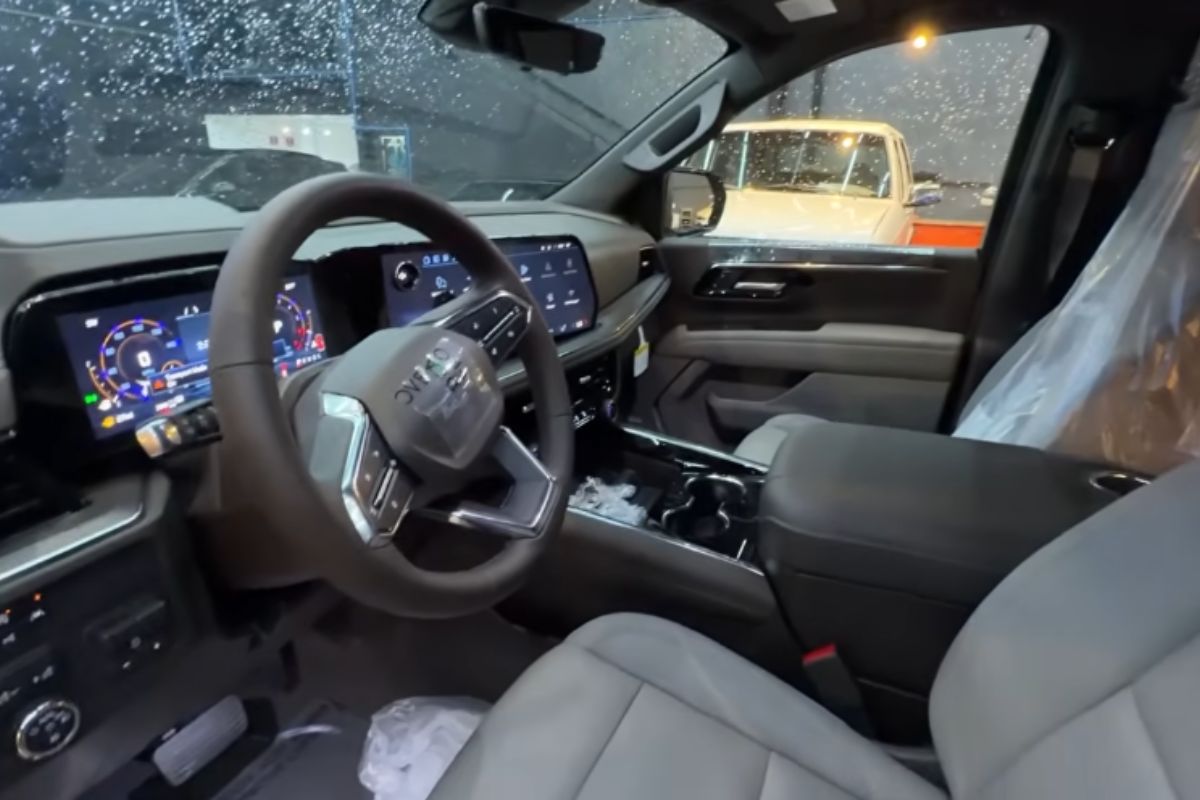
Chevrolet Suburban Z71 lands in Brazil with a V8 engine, off-road design, air suspension, seven seats, and colossal size, a rare version imported for around R$ 1.3 million with luxury and exclusivity.
-
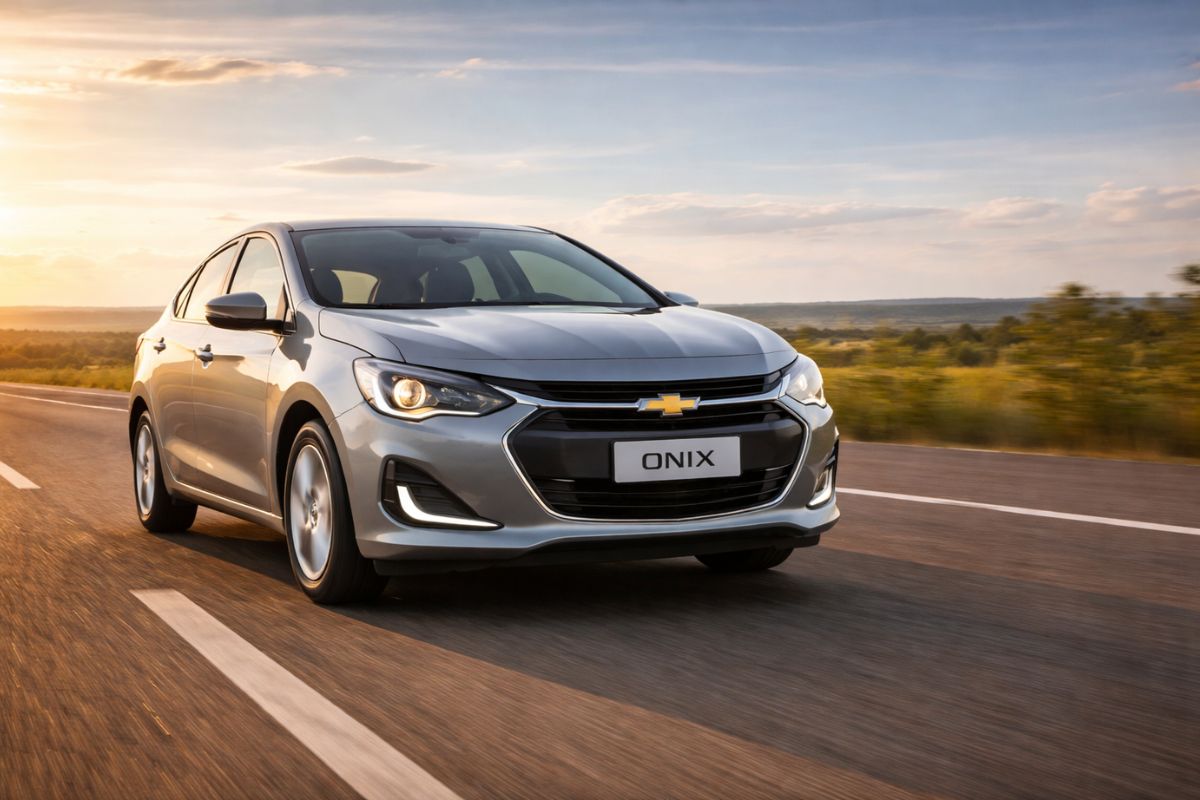
The Chevrolet Onix 1.0 turbo achieves 17.7 km per liter on the highway and ranks among the three most economical cars in Brazil in 2026, alongside two more expensive Toyota hybrids available at dealerships.
-
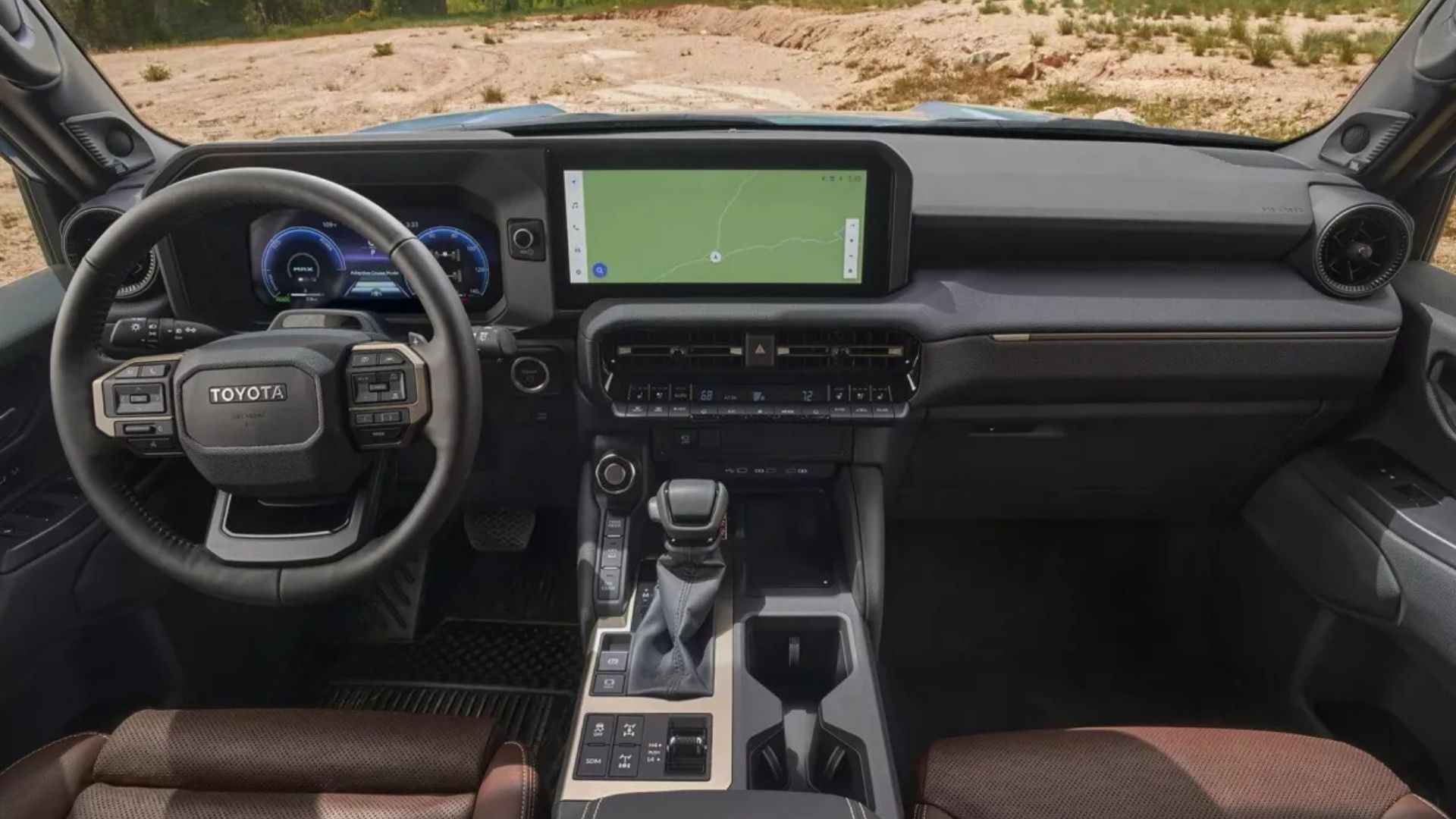
Little sister of the Hilux: Toyota launches Land Cruiser FJ with 4 radical versions, 2.7 engine with 166 hp and 4×4 traction with locking.

The production line that started in 1976 focused on the 53 series engines, with each cylinder having 53 cubic inches, introducing powerful models with three, four, and six cylinders, reaching up to 202 horsepower.
Innovation and Challenges for Ford with the Two-Stroke Engine
Ford, on its part, launched the F 7000 truck in 1976 with a four-cylinder two-stroke engine, followed by more robust models such as the F 7000 and F 8500, all equipped with the Detroit six-cylinder engine. Chevrolet updated its models with Detroit engines, gaining a brief boost in sales.
However, challenges quickly arose, including issues of wear and engine performance, leading to a recall in 1977. Confidence in the exclusivity of Detroit engines for Ford and Chevrolet was shaken, resulting in hesitation and eventual market retraction.
The Decline of Detroit Diesel in Brazil
Despite a promising start, Detroit Diesel could not maintain the expected sales pace. With technical and market problems, production was halted in less than two years, leaving a trail of dissatisfaction among buyers. Ford and Chevrolet had to seek alternatives, redirecting their truck lines to models with different specifications.
This chapter of the Brazilian automotive industry highlights the innovation and challenges faced in adopting new technologies. The 2-stroke engine trucks from Ford and Chevrolet, despite the obstacles, marked an era of transformation and are now remembered for their rarity and historical impact on the country’s transport sector.









Os motores Detroit tiveram uma curta participação no mercado e logo foram substituídos pelos MWM na Ford e Perkins na GM.Hoje os Detroit desapareceram pois os caminhões que os usavam acabaram trocando por motores Mercedes ,MWM e Perkins.
Existiram antes disso caminhoes alemaes da maraca FK – Ford Kaiser, alem claro dos caminhoes e onibus com o famoso motor GMC ” maritimo “…