





 Portuguese
  English
  Spanish
  4 min of reading
  0 comments



Discovering Oil on Your Land Does Not Guarantee Wealth in Brazil. Understand Who the True Owner of Oil Is, What the Law Says, How Compensation Works, and the Royalties Paid to the Owner.
Imagine digging up your backyard to build a pool and suddenly seeing a dark jet burst from the ground. The scene seems straight out of a movie, but for many Brazilians, this dream can turn into a legal nightmare. Oil, a symbol of wealth and power, does not automatically belong to the owner of the land where it was found.
Although common sense says that whoever finds it keeps it all, Brazilian legislation follows a completely different path.
While in the United States the owner controls the subsurface, in Brazil the rule changes radically. And it is precisely this difference that can turn a “million-dollar discovery” into a process full of rules, deadlines, and state decisions.
-
Brazilian giant expands borders in the Southeast: Petrobras confirms new oil discovery in ultra-deep waters in the pre-salt of the Campos Basin.

-
Alert in the global energy market: Severe tropical cyclone hits the coast and disrupts gas production at major plants in Australia, threatening global supply.

-
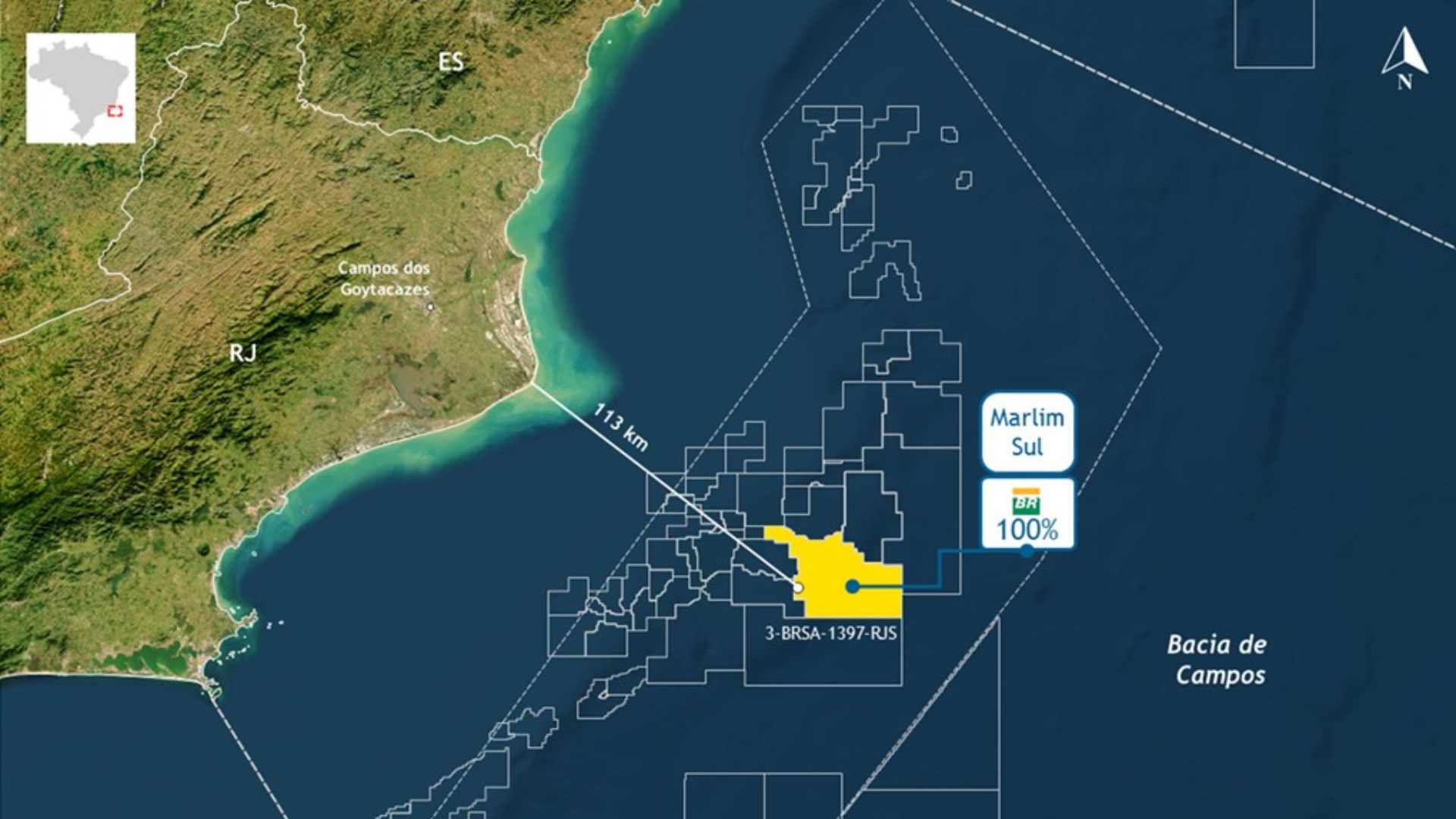
Petrobras finds high-quality oil in the pre-salt at 113 km from RJ and reignites expectations about strategic reserves in the Campos Basin.

-
Ocyan opens registrations for startups focused on innovation in the oil and gas sector and will select projects for Innovation Day with the support of Nexio.


Brazil and the United States: Who Controls the Subsurface?
The confusion begins under the influence of American culture. In movies and series, the landowner is portrayed as the legitimate owner of everything that exists beneath them. And, in fact, in the United States, this logic is real.
There, the rights to oil, gas, and other minerals generally belong to the landowner. They decide whether to explore, sell, or not use the resource at all. Additionally, all profits from extraction go directly into their pockets, provided that environmental regulations are followed.
In Brazil, however, the story is quite different.


According to the Federal Constitution, in Article 20, item IX, mineral resources in the subsurface, including oil and natural gas, are assets of the Union. In other words, it does not matter who owns the surface: oil belongs to the federal government.
This rule is also outlined in Law No. 9,478/1997, known as the Petroleum Law, which reinforces that all hydrocarbon deposits within the national territory belong to the Union.
| Country | Ownership of Resource | Decision-Making Power | Financial Gains |
| United States | Landowner | Owner Decides | Direct Profit |
| Brazil | Union (Government) | State Regulates | Compensation + Royalties |
What Happens Right After the Discovery of Oil?
Finding oil does not mean that exploration will begin immediately. Before any action, the owner needs to notify the responsible authorities, such as the National Petroleum Agency (ANP).
After that, technical teams are sent to assess the area. They analyze the volume, depth, and cost of extraction. After all, exploring oil requires millions in investments and complex infrastructure.
If the studies indicate that the quantity found is not financially worthwhile, the well can simply be abandoned. In that case, nothing changes for the landowner.
When Exploration is Viable, What Happens to the Property?
If the oil is deemed economically viable, the scenario changes completely. The area can be expropriated to allow for extraction. Despite the initial shock, the law provides for important compensations.
The owner receives a fair compensation, based on the market value of the land and existing structures. Additionally, the legislation guarantees a share in the results of the extraction.

This amount is not symbolic. It acts as a continuous income, paid while the well is active.
Royalties: Monthly Income That Can Last Decades
This participation occurs through royalties, a kind of variable rent paid to the surface owner. For each barrel of oil extracted, a percentage of the value is allocated to the former landowner.
Depending on the volume produced, this income can be extremely high. In many cases, it becomes the main source of livelihood for entire families, ensuring financial stability for decades.
Therefore, although oil is not officially “yours,” it can indeed completely change your standard of living.
Oil: Wealth That Is Not Your Own, But Can Make You Rich
In Brazil, oil belongs to the Union. However, the law recognizes that the landowner cannot be left at a disadvantage. Thus, the combination of compensation and royalties transforms the discovery into a real opportunity for prosperity, even without direct ownership of the resource.
So, what seems like a simple legal detail ultimately decides who receives the largest share of this subterranean wealth.
If you discovered oil on your land today, would you accept the royalties or fight to have full control over the wealth?








-

Uma pessoa reagiu a isso.