





 Português
  Inglês
  Espanhol
  5 min de leitura
  0 comentários


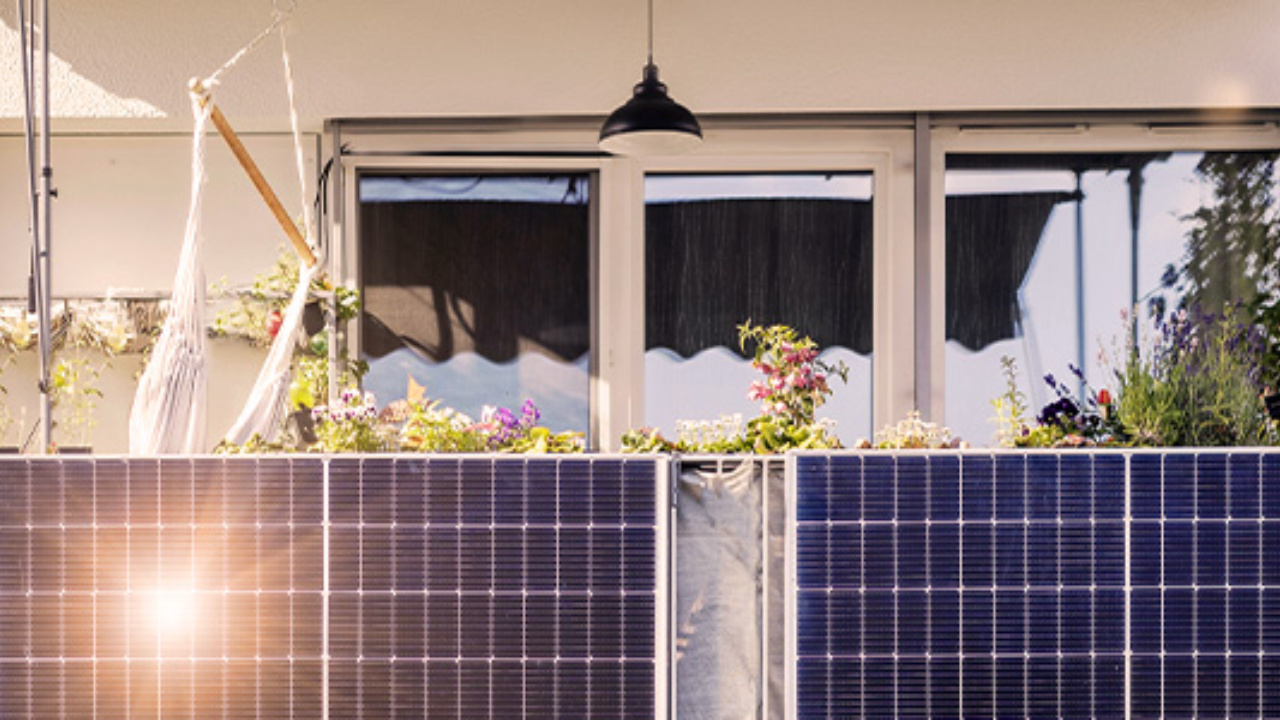
Solar Energy Gains Space on Apartment Balconies in Germany. Plug-In Systems Reduce Costs, Increase Electric Autonomy, and Boost the OECD Transition.
Solar energy production is no longer exclusive to houses with large roofs or large photovoltaic plants. In Germany, apartment balconies are becoming strategic spaces for generating clean electricity. In the last three years, over 1 million plug-in solar energy devices have been installed in the country, according to industry data.
These compact systems, designed for residential use, have become a viable alternative for those living in rented apartments or urban condominiums. Additionally, many models have begun to incorporate batteries, allowing for the storage of electricity generated during the day for later use.
Residential Mini-Plants Gain Space in Urban Centers
The solar energy modules used in these systems have reduced dimensions. Each panel measures up to two square meters, and the mini-systems can have up to four units. This configuration facilitates adaptation to balconies, terraces, and even facades.
-
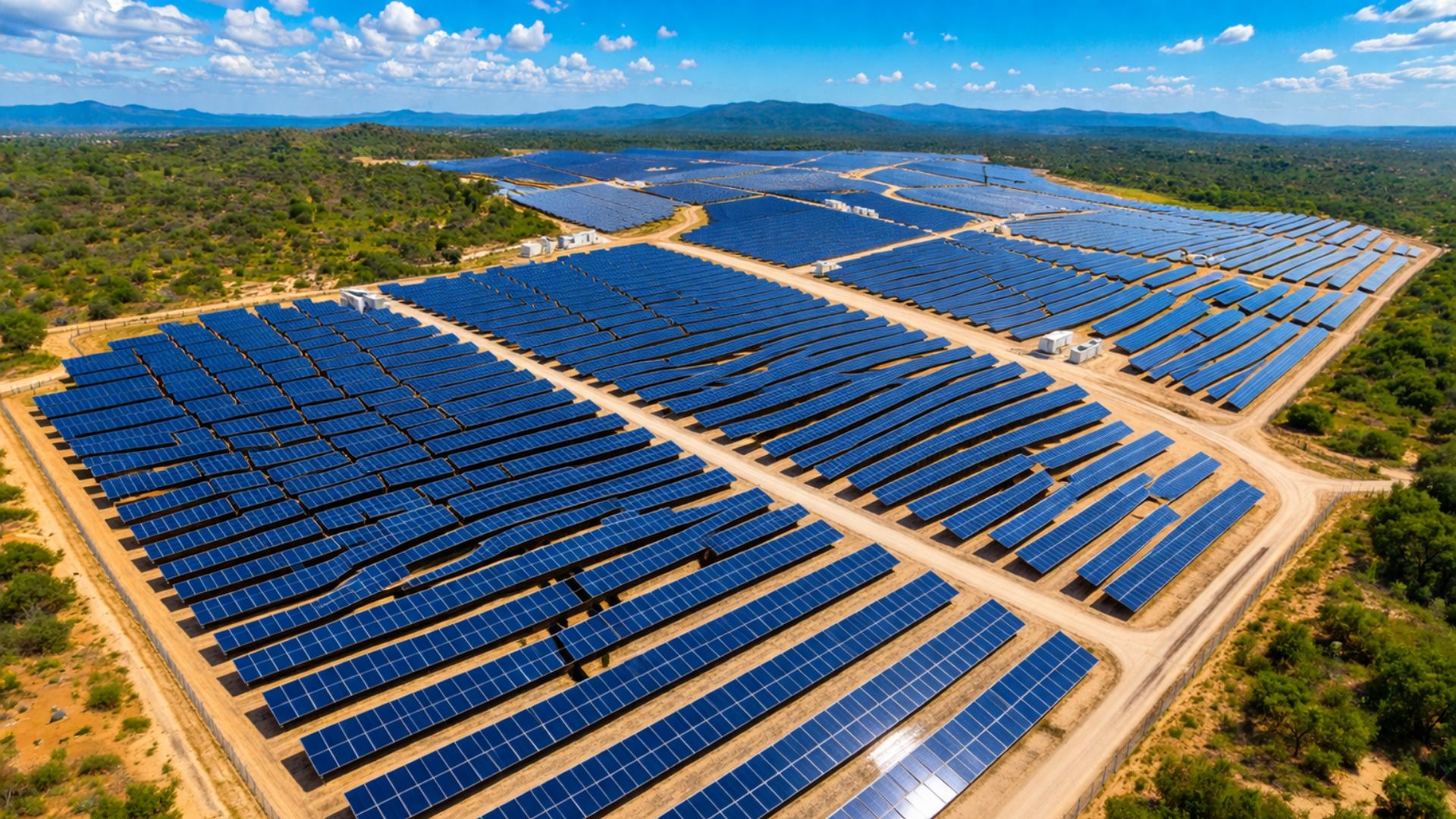
The Sol do Agreste Photovoltaic Complex begins operations in Pernambuco and accelerates the expansion of solar energy in Brazil, directly impacting the reduction of emissions and strengthening the sustainable energy matrix.
-
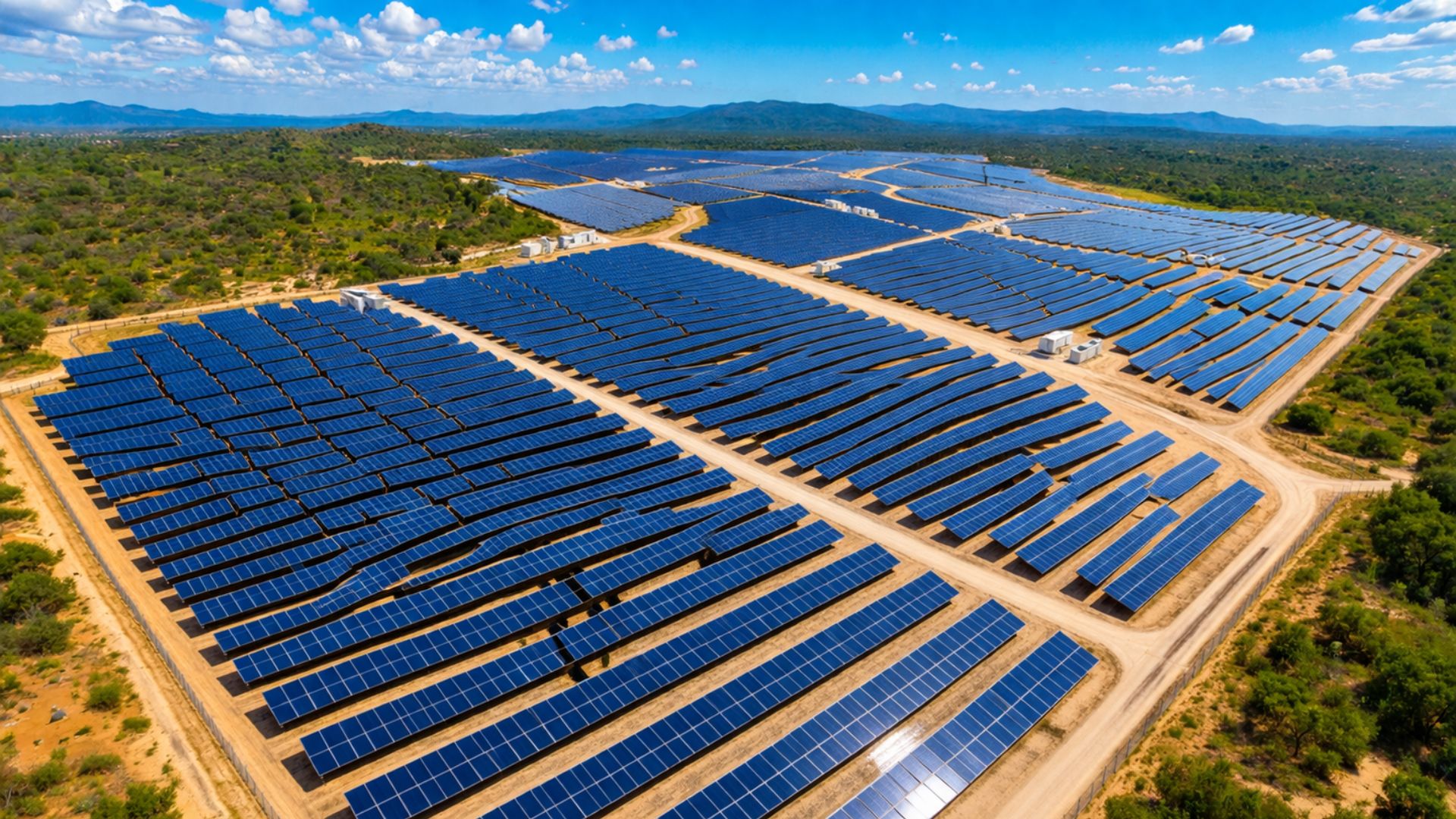
The Sol do Agreste Photovoltaic Complex begins operations in Pernambuco and accelerates the expansion of solar energy in Brazil, directly impacting the reduction of emissions and strengthening the sustainable energy matrix.
-
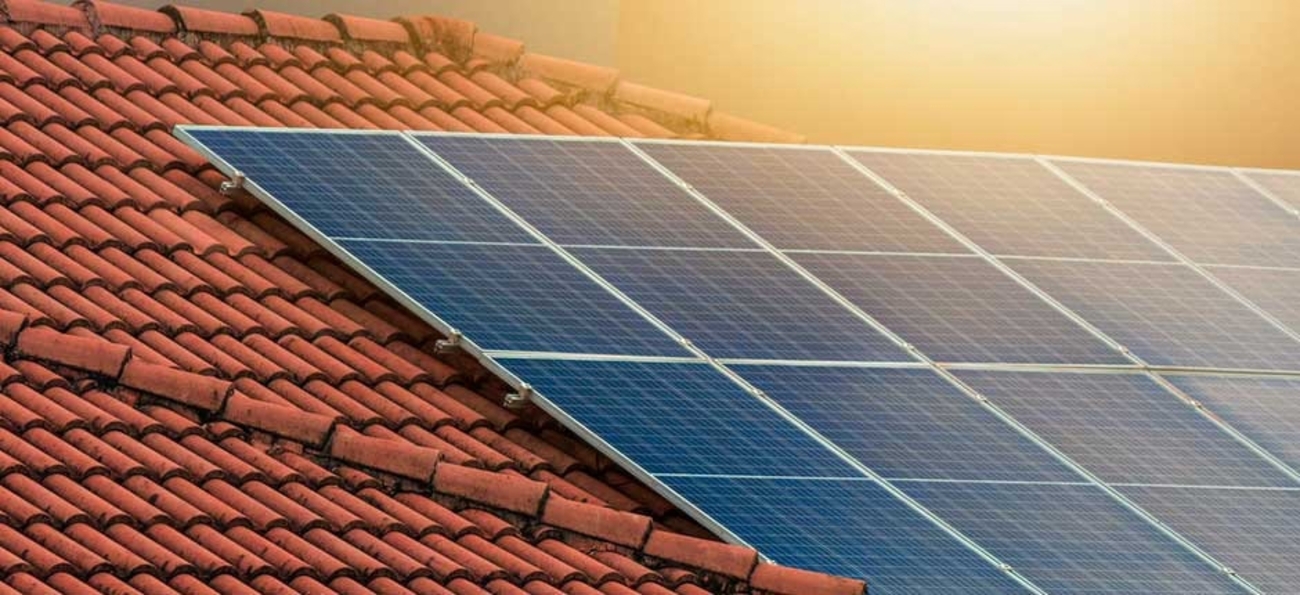
Roraima bets on the sun to escape high tariffs: Amid the energy crisis and price hikes, solar energy is growing in Roraima and transforming consumption in the North region.
-
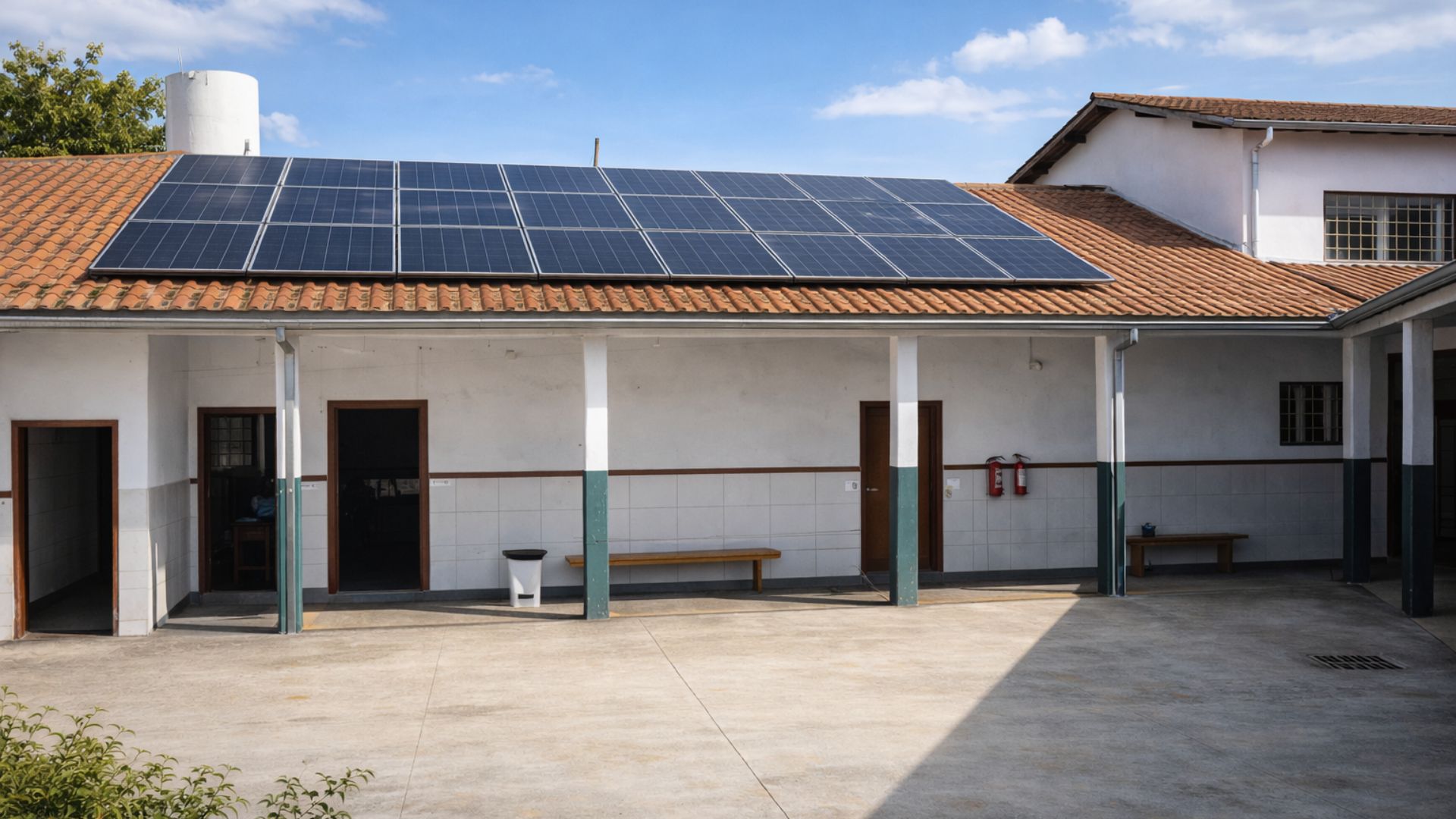
Copel boosts solar energy in Paraná and brings innovation to public schools, promoting savings on electricity bills, energy efficiency, and a direct impact on the quality of education.

The installation, in turn, is simple. The equipment operates with the same level of safety as common household appliances but in reverse. The electricity generated by the solar module passes through an inverter and goes through the wall outlet directly to the property’s electrical grid.
As a result, the system begins to immediately offset household consumption, reducing reliance on electricity from the public grid.
Price Drop Boosts the Adoption of Solar Energy
One of the central factors for the popularization of plug-in solar energy in Germany has been the substantial reduction in costs. Prices for photovoltaic modules and storage batteries have dramatically fallen on a global scale.
Currently, in the German market, balcony systems with batteries cost about half of what they did two years ago. Smaller kits can be found for approximately 200 euros, while more complete models cost less than 1,000 euros.
This change has made the investment accessible to a larger segment of the urban population, accelerating the expansion of this equipment.
Solar Energy Cheaper Than Grid Electricity
From an economic perspective, the cost difference is significant. In Germany, the solar energy generated by these systems costs between 7 and 15 cents per kilowatt-hour. In contrast, electricity supplied by the power grid averages nearly 40 cents per kilowatt-hour.
According to the University of Applied Sciences and Economics of Berlin (HTW), the return on investment usually occurs between four and seven years. After this period, the self-generated electricity effectively costs almost zero.
To facilitate consumers’ decision-making, HTW provides an online calculator that helps define the ideal system size and estimate financial savings over time.
Longevity is another decisive factor. Solar panels can continue generating electricity for over 30 years. In contrast, batteries have an estimated lifespan of 10 to 15 years.
“Batteries have a lifespan of 10 to 15 years,” says Volker Quaschning, professor of Renewable Energy Systems at HTW. According to him, with four panels and a storage system, it is possible to meet about half of the electricity needs of a two-person family in Central Europe.
Sunniest Regions Can Benefit Even More
Despite not being one of the countries with the highest solar incidence, Germany leads the market for plug-in solar energy devices. In sunnier regions, the generation potential would be even greater.
There are many areas worldwide where these systems could produce more electricity than in German territory. Still, “most devices are still sold in Germany, which is far ahead of the rest of the world,” says David Breuer, managing director of the online store Yuma, based in Cologne.
This advance is directly linked to the combination of technological maturity, price reductions, and favorable public policies.
Incentives and Regulations Accelerate the Expansion of Solar Energy
Since 2023, private solar installations in Germany are exempt from Value Added Tax (VAT). Additionally, in June 2024, the European Union adopted specific guidelines for mini photovoltaic systems.
Since October of last year, tenants and homeowners have been permitted to install solar panels on their own, without bureaucracy and without the need to hire an electrician. This measure rapidly expanded access to solar energy in urban environments.
The devices can have an output power of up to 2,000 watts. The limit for direct injection into the electrical grid of residences, in most EU countries, is 800 watts. This restriction protects the wiring of properties from overloads and ensures safe use.
Moreover, the German experience is beginning to attract international attention. “We developed the model in Germany and now see great interest in other countries as well. A delegation from Tokyo visited us recently. They wanted to learn about plug-in solar energy equipment and were interested in knowing more about their technical safety,” said Thomas Seltmann, an expert from the German Solar Energy Association.
Besides Japan, interest is growing in several EU countries and also in markets such as Brazil and the United States.
Solar Energy as a Gateway to the Energy Transition
Germany has set a carbon neutrality goal by 2045. In this context, plug-in solar energy systems could supply up to 2% of the national electricity demand, according to an estimate by Professor Claudia Kemfert of the German Institute for Economic Research (DIW).
Today, most of the country’s solar energy still comes from rooftop installations, followed by large solar parks. However, balcony systems are gaining relevance as a complementary and decentralized solution.
For many consumers, the experience with small photovoltaic systems paves the way for larger investments. “They are a first step towards other measures, such as acquiring larger systems, buying an electric car, or installing a heat pump,” says Christoph Kost of the Fraunhofer Institute for Solar Energy Systems (ISE).
Evaluate Well Before Investing in Solar Energy
Experts recommend caution before making a purchase. “It’s important to be well-informed before buying the kit,” noted Tobias Otto from the German Solar Energy Promotion Association (SFV).
The viability depends on factors such as available space, balcony orientation, solar incidence throughout the day, and installation angle. Additionally, the electricity consumption profile and local prices are determining factors.
For systems with three or four modules, it may be advantageous to include battery storage with intelligent control. This type of system measures demand in real-time and releases only the necessary amount of electricity.
“Without these measuring devices, the storage system usually cannot be controlled effectively,” emphasized Otto.
Some models also offer emergency power supply, assisting during power outages. Many batteries can be installed outdoors, although extreme temperatures can increase the equipment’s own consumption.
Finally, experts warn against very low prices and recommend purchasing solar energy systems from specialized stores, prioritizing quality, safety, and durability.








Seja o primeiro a reagir!