





 Português
  Inglês
  Espanhol
 4 min de leitura
  0 comentários


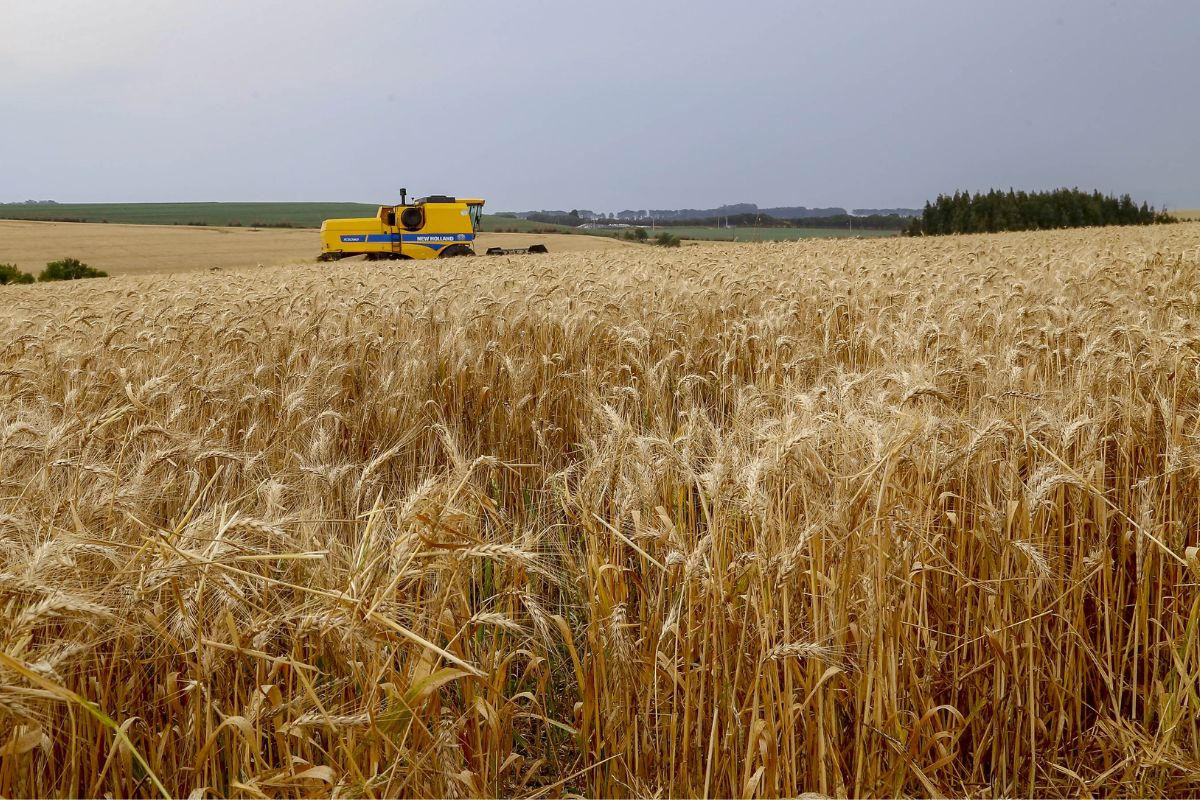
The 2025 Wheat Harvest in Paraná Reaches Record Productivity, Despite Climate Challenges, Supported by Agricultural Technology, Mechanization, and Favorable Conditions in the Final Stretch of Harvesting
The 2025 wheat harvest in Paraná is making significant progress and promises to reach a historic productivity milestone, consolidating the state as a national reference in agricultural efficiency, according to a report published.
Data from the Harvest Bulletin of the Department of Rural Economy (Deral), of the Department of Agriculture and Supply (Seab), released at the end of October, indicate that about 83% of the 819 thousand hectares cultivated have already been harvested, with an average yield exceeding 3,300 kg per hectare.
Even after a cycle marked by irregular rainfall, the scenario indicates unprecedented performance, surpassing the 2016 record of 3,173 kg/ha.
-
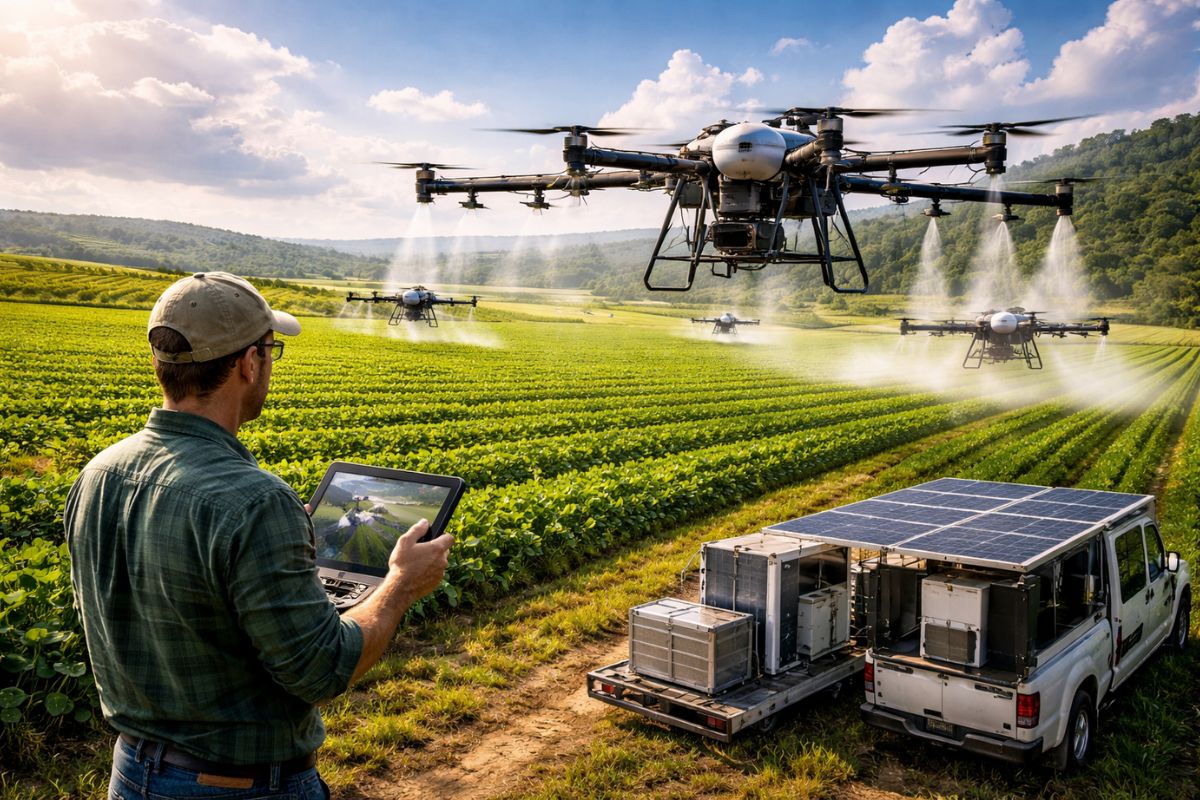
Alone, the producer applies 7,400 hectares with the T100 drone in an optimized structure, replaces the generator with a silent battery, and demonstrates how technology reduces costs, increases productivity, and even challenges the uniport in the field.
-
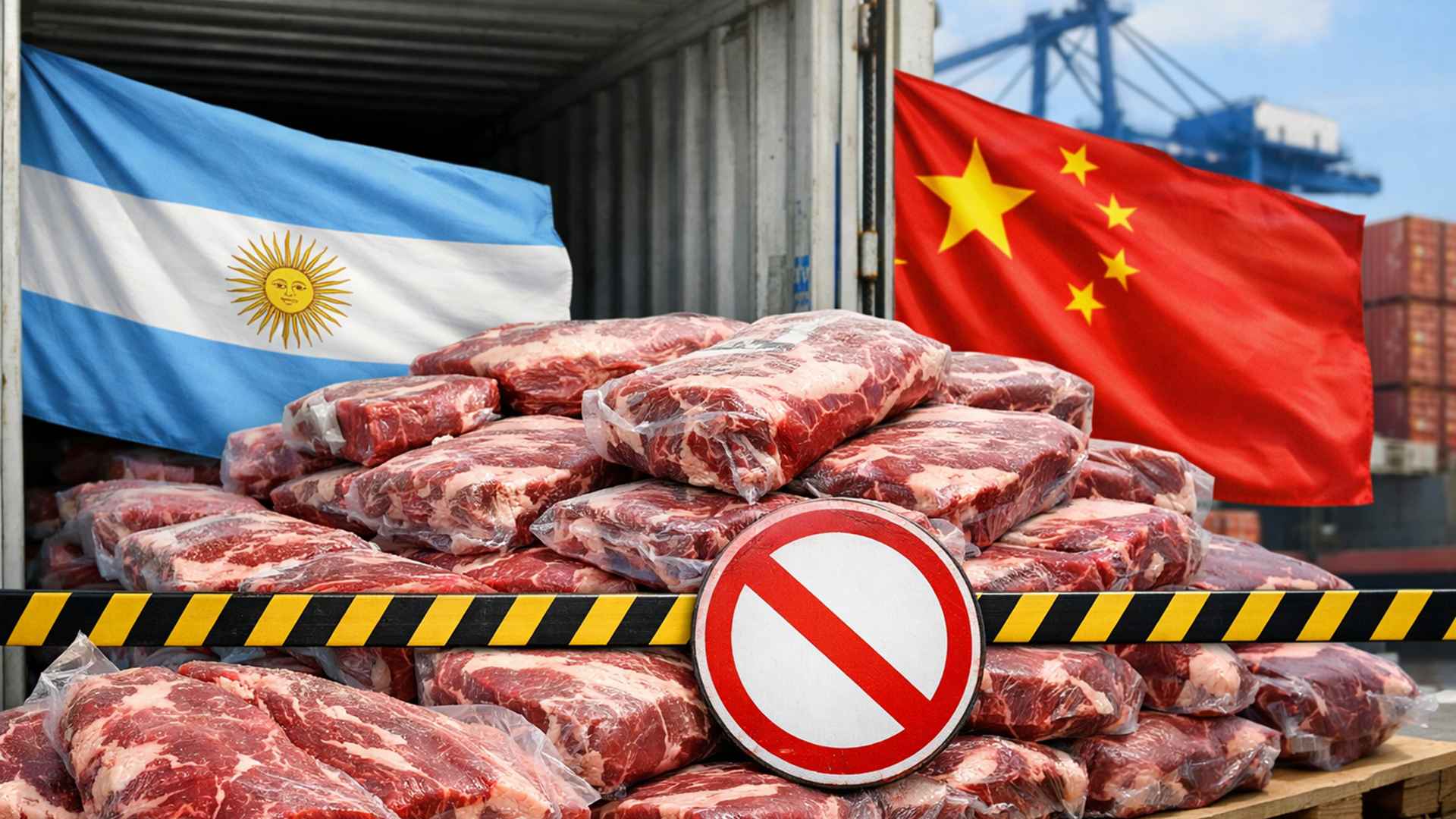
China banned the export of 22 tons of meat from Argentina.
-
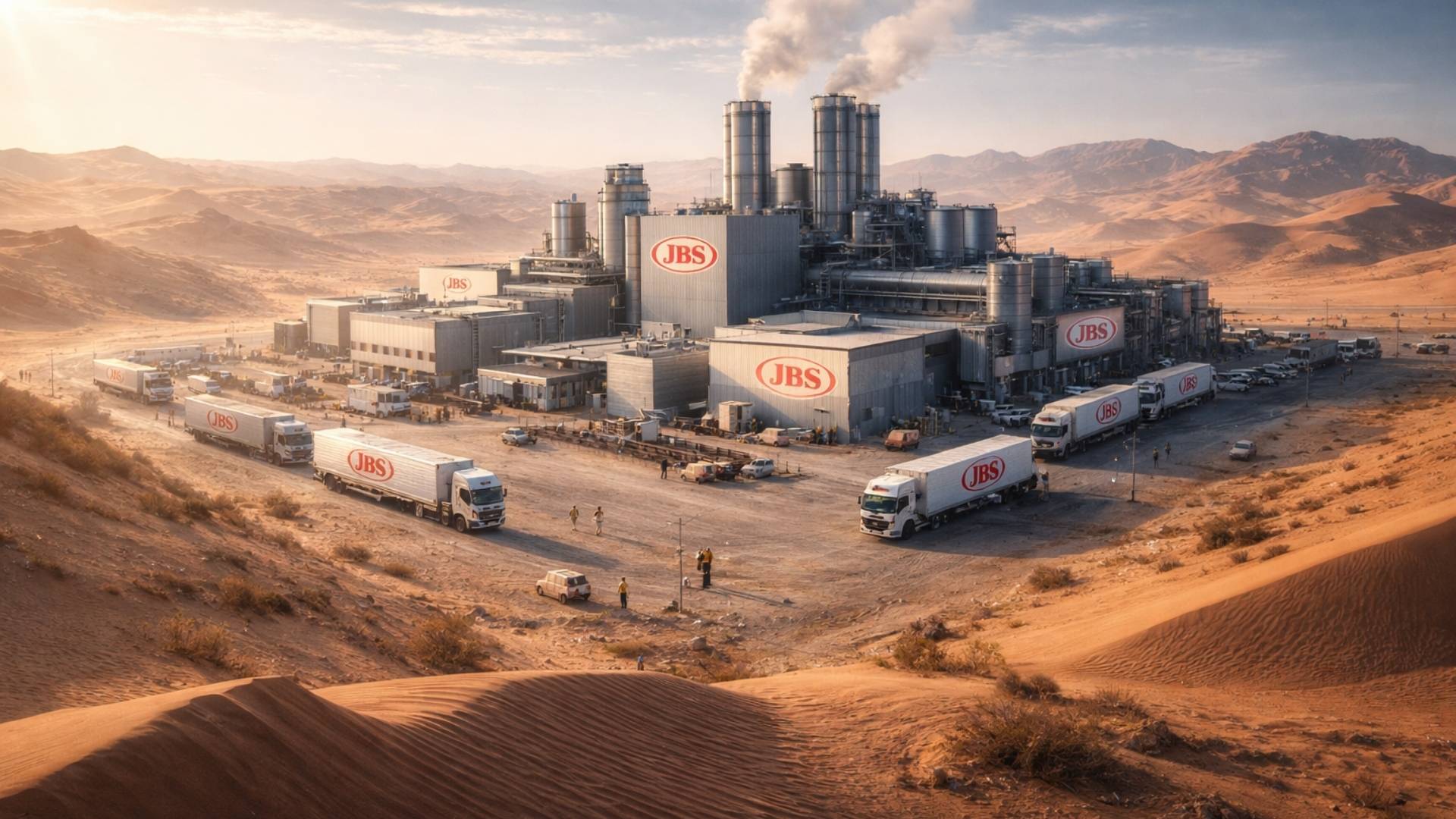
JBS, founded by the Batista brothers, continues to conquer the world: entrepreneurs built a ‘factory in the desert’ creating 3,000 jobs.
-
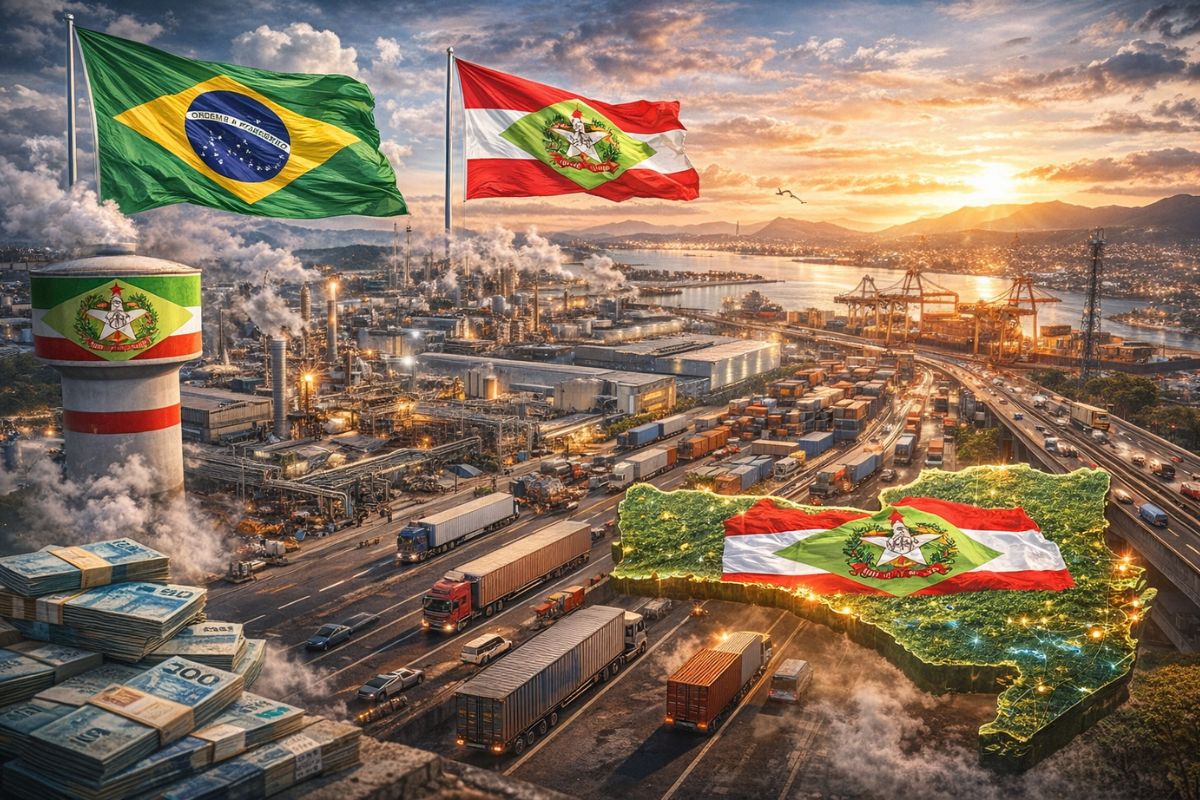
With only 1% of Brazil’s territory, Santa Catarina has built one of the most competitive industrial parks in the country, with 64,000 companies, nearly 1 million jobs, and a growth rate of 5.3% while the national industry is practically stagnant.

The numbers reflect the technical advancement in the field and the increasing use of sustainable management, even in the face of a 25% reduction in the cultivated area compared to the previous year, which totaled 1.11 million hectares.
According to Hugo Godinho, coordinator of the Conjuncture Division of Deral, the areas in the southern part of the state, which are still finalizing the harvest, are expected to reinforce the exceptional performance.
The outcome reinforces Paraná’s strategic role in national production, even though the total volume, estimated at 2.75 million tons, is lower than in 2023, when 3.66 million tons were harvested.
The 2025 Wheat Harvest and the Role of Agricultural Technology in Increasing Productivity
The productivity leap in the 2025 wheat harvest is a direct result of technological modernization, with the use of more resistant seeds, optimized irrigation systems, and high-performance harvesters.
Even with lower investment in inputs, Paraná farmers benefited from the stable weather of recent weeks, which favored the natural drying of grains and reduced losses.
The Deral report highlights that soybeans, occupying 5.77 million hectares, remain the state’s main crop, while corn expanded its planting area by about 20%, driven by stable prices around R$ 52.00 per sack.
However, wheat, despite achieving record yields, faces economic challenges: the average price paid to producers, at R$ 64.00 per sack, is below the variable production cost estimated at R$ 73.00.
This gap pressures profitability and reinforces the need for more robust agricultural incentive and credit policies.
Still, modernization in the field has ensured operational efficiency and better land use.
The use of drones for mapping and spraying, combined with high-precision soil analysis, has reduced waste and increased the sustainability of crops.
As a result, Paraná is consolidating itself as one of the most advanced states in innovation applied to agribusiness.
Climate, Mechanization, and Efficient Harvest Management in Paraná Agriculture
Recent weather conditions were decisive for the advancement of the harvest. After periods of water deficit and frosts at the beginning of the cycle, weeks of sunshine and mild temperatures favored grain maturation.
This combination contributed to the 2025 wheat harvest maintaining superior quality, even with less area cultivated.
Mechanization was another crucial factor. State-of-the-art harvesters and remote monitoring systems allowed for cost reduction and increased operational precision.
Additionally, local cooperatives have been expanding producers’ access to shared machinery, strengthening cooperativism and regional competitiveness.
The bulletin also shows that Paraná continues to rely on imports to meet the internal demand of the milling industry, a scenario that is repeated even with the good performance of this cycle.
Rio Grande do Sul, with larger areas, is expected to maintain national leadership in wheat production, while Paraná reinforces its position as a model of productivity per hectare.
Diversification of Crops and the Impact of Sustainable Agricultural Mechanization in Paraná
Besides wheat, Deral highlighted the progress of other productive chains. Soybeans, in full development phase, already occupy 71% of the planted area and are expected to reach a new historic mark in 2025.
The first-crop corn, cultivated on 337.8 thousand hectares, is projected to produce up to 4 million tons. This increase in area reflects the favorable moment for the crop, which shows positive profitability.
In fruits and vegetables, there are specific variations: first-crop potatoes reduced their area by 5%, reaching 16.7 thousand hectares, and production fell to 527.7 thousand tons.
By contrast, the second crop of potatoes recorded a slight increase, with production of 309.2 thousand tons.
Tomatoes maintained production stability, while onions showed a 17% reduction in production, totaling 107.6 thousand tons.
These numbers reinforce the importance of diversification as an economic security strategy.
Sustainable agricultural mechanization has allowed producers to optimize resources and maintain financial balance even in harvests with smaller areas.
The state, recognized for innovation in the field, combines technological efficiency with environmentally responsible management practices.
The Conjunctural Bulletin from Deral also points to recovery in complementary sectors, such as pig farming, which ended October 2025 with an average price of R$ 7.16 per kilogram, a positive margin of R$ 1.39/kg over costs, and the dairy sector, with growing whey exports.
Fruit growing also remains strong, particularly in regions like Maringá and Paranavaí, which account for a significant share of the state’s Gross Value of Production.
With these results, the 2025 wheat harvest symbolizes the balance between productivity, innovation, and sustainability, marking a cycle that reinforces the leadership of Paraná in Brazilian agribusiness and the ability of Paraná producers to turn climate challenges into opportunities for efficiency.








Seja o primeiro a reagir!