





 Portuguese
  English
  Spanish
  4 min of reading
  9 comments


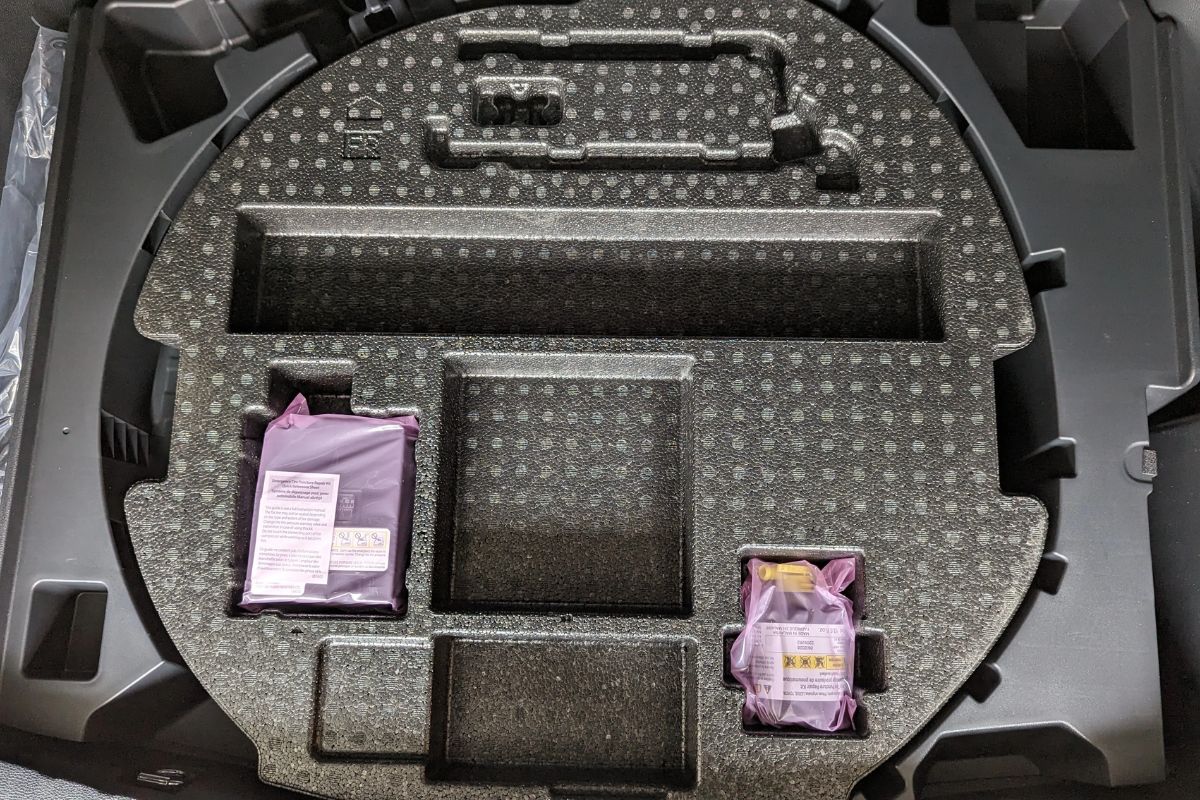


Decision Aims to Reduce Weight and Costs for Automakers, but Sparks Debate About Safety and Practicality for Drivers on Brazilian Highways.
A silent change is happening in the trunks of new cars: the traditional spare tire is disappearing. In its place, manufacturers are introducing solutions such as temporary repair kits and run-flat technology tires. This trend, seen in 2025 models like the Volvo XC40, is driven by the quest for greater efficiency and space optimization.
However, this strategy, supported by Brazilian legislation, generates intense controversy. For many drivers, replacing a reliable mechanical solution like a spare tire with limited technologies makes no sense in the reality of Brazilian roads. The change raises a debate about safety, practicality, and the costs that are transferred to the consumer.
The Automaker Strategy: The Search for Less Weight, More Efficiency, and Cost Reduction
The decision to remove the spare tire is a global strategy of the industry, based on three main pillars. The first is weight reduction. A complete spare tire set can weigh between 15 and 25 kg. For automakers, every kilogram saved counts, as a lighter car consumes less fuel and emits fewer pollutants.
-
Son of a seamstress from the rural area of Ceará who did not speak English wins a scholarship of over 2 million reais at Williams College, one of the top 10 universities in the United States, covering everything including dormitory, meals, and annual trips to Brazil.

-
Bill Gates revealed that the true secret behind every great achievement is not a brilliant leap but rather small improvements repeated over the years, and the data from his own career and the fight against climate change prove that he is right.

-
With 22 thousand tons of steel, a height nearly three times greater than the Eiffel Tower, and a cost of R$ 1.6 billion, China is building the highest bridge on the planet over a colossal canyon, reducing a crossing time of over 2 hours to just over 2 minutes.

-
With more than 635,000 doctors, Brazil sees competition increasing in large cities, and recent graduates are competing for shifts at an accelerated pace while the countryside still faces shortages.


In electric cars, like the Volvo XC40, the weight issue is even more critical. Less weight means more battery range, one of the key factors in the purchasing decision. The second pillar is cost savings. Eliminating a tire, a wheel, and a tool kit from millions of cars produced annually represents massive savings for automakers.
Finally, there is space optimization. The area previously occupied by the spare tire can be used to increase the trunk space, an important selling point, or to accommodate batteries and electronic components in electric and hybrid vehicles.
How Repair Kits and Run-Flat Tires Work, and Their Limitations

Two main technologies have emerged to replace the spare tire for automakers, but both have severe limitations.
Repair Kit (Sealant and Compressor): This is the most common and inexpensive solution. The driver injects a sealing liquid into the flat tire with a small compressor. The problem is that the kit only works for small punctures in the tread. It is useless in case of tears, cuts on the side, or bubbles, damages that are very common in potholes on Brazilian roads. Additionally, the sealant can damage pressure sensors and has an expiration date.
Run-Flat Tires: These tires have reinforced sidewalls that allow the car to travel a limited distance (typically 80 km) even without air. The main advantage is safety, as it avoids changing a tire in dangerous locations. The disadvantages are high cost, inferior ride comfort (they are stiffer), and limited repairability. Most manufacturers do not recommend repair, forcing the purchase of a new tire.
What the Law Says About This: Resolution 913/2022 of CONTRAN That Allows the Change
The removal of the spare tire is permitted in Brazil. Resolution No. 913 of the National Traffic Council (CONTRAN), from 2022, authorizes that vehicles can be sold without the spare tire, provided they are equipped with one of the alternative solutions, such as the repair kit or run-flat tires. The legislation gives automakers the legal security to implement this change, but also requires that consumers be informed about the limitations of the system at the time of purchase.
The Controversy in Brazil: Why a European Solution Generates Insecurity on Brazilian Roads
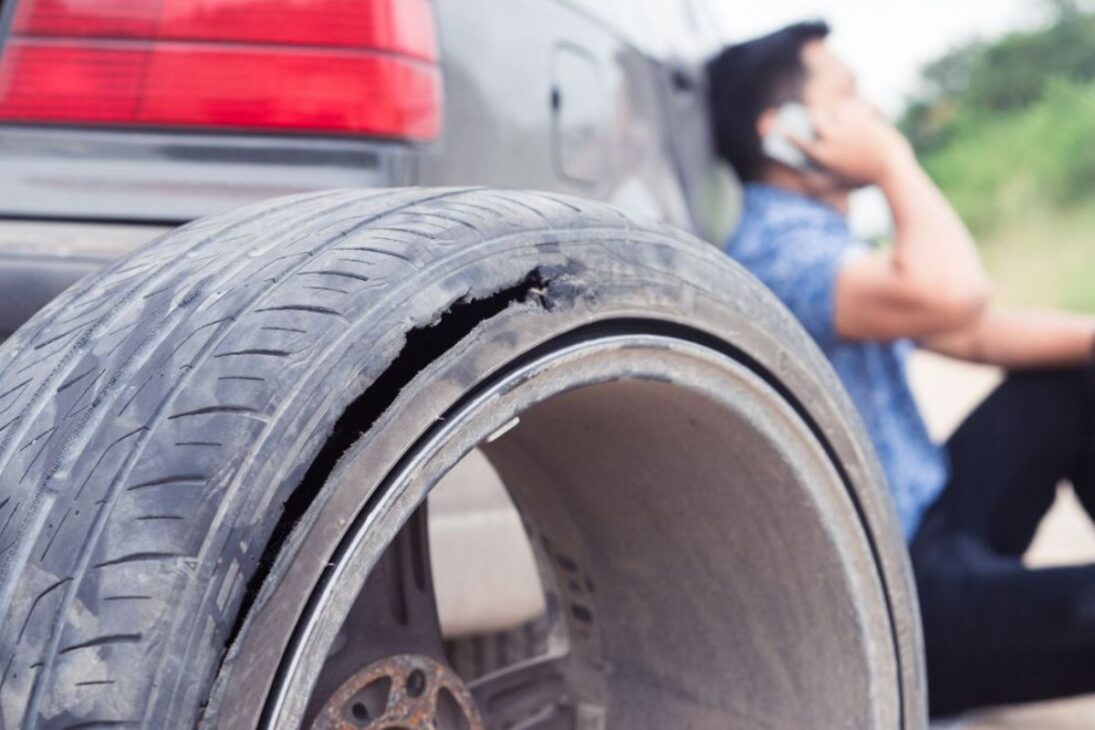
The major controversy is that this global trend ignores the “Brazil Cost.” Alternative solutions were designed for markets with good quality roads and quick assistance services. In Brazil, the reality is different.
The main fear of consumers is having a tire shredded by a pothole on a remote road, at night and without cell phone signal. In these cases, the repair kit does not work, and the driver becomes completely dependent on a tow truck, trading a 30-minute inconvenience for hours of waiting in a risky situation. The removal of the spare tire transfers the driver’s self-sufficiency to a dependence on others, generating a strong sense of insecurity.
The Case of the Volvo XC40 and the Emergence of a Parallel Market for Spares
The consumer reaction to this trend is clear. The Volvo XC40, a premium SUV, is sold without a spare tire, offering only the repair kit. The consequence has been the emergence of a parallel market: owners who do not feel safe with the automaker’s solution are buying temporary spares and tool kits on their own, spending over R$ 1,500 for the “peace of mind” that the spare provides.
Curiously, the Renault Kwid E-Tech, one of the most affordable electric cars, comes with a spare tire from the factory. Renault’s decision can be seen as a strategy to cater to consumers who value simplicity and self-sufficiency, showing that some automakers still consider local reality in their designs. For Brazilian drivers, the presence of a physical spare, more than just an accessory, has become an essential safety item.








Os fabricantes pensaram primeiro em si, pois deduziram que o usuário é um androide ! Brasil não é para amadores !
Vai gerar um custo maior para consumidor , se comprar um estrepe e colocar no carro vai gerar uma multa , porque o carro não e equipado com estrepe de fábrica.
Só vai gerar muita dor cabeça para o dono do carro .
Que e o consumidor final.
É simples É só não comprar esse tipo É veiculo, pode ter certeza que em menos de um mês o estepe volta.