





 Portuguese
  English
  Spanish
  5 min of reading
  0 comments


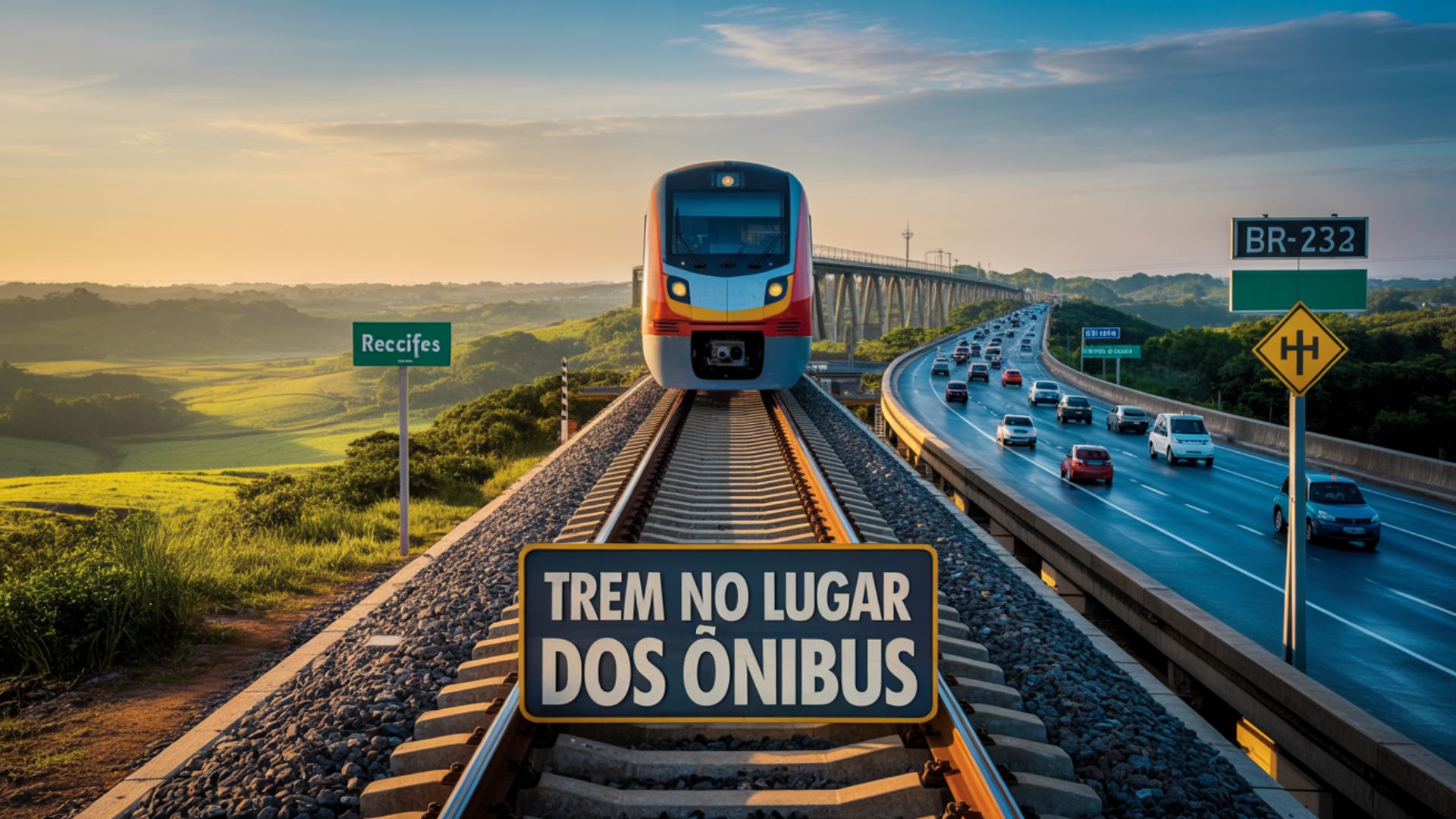
Study Predicts Reactivation of Strategic Railway Sections in Pernambuco, Including Connection Between Recife and Caruaru, Focusing on Mobility, Regional Economy, and Rescuing Historical Tradition on Rails.
The Northeast Development Superintendence (Sudene) officially announced in July 2025 the conduct of two studies to reactivate and expand the railway network in strategic sections of Pernambuco.
Among the main actions, the analysis for reintroduction of passenger transport between Recife and Caruaru, cities connected by a distance of approximately 120 kilometers, stands out.
The objective is to provide an efficient alternative to road transport on BR-232, one of the state’s main routes, and strengthen regional mobility based on sustainable and historical solutions.
-
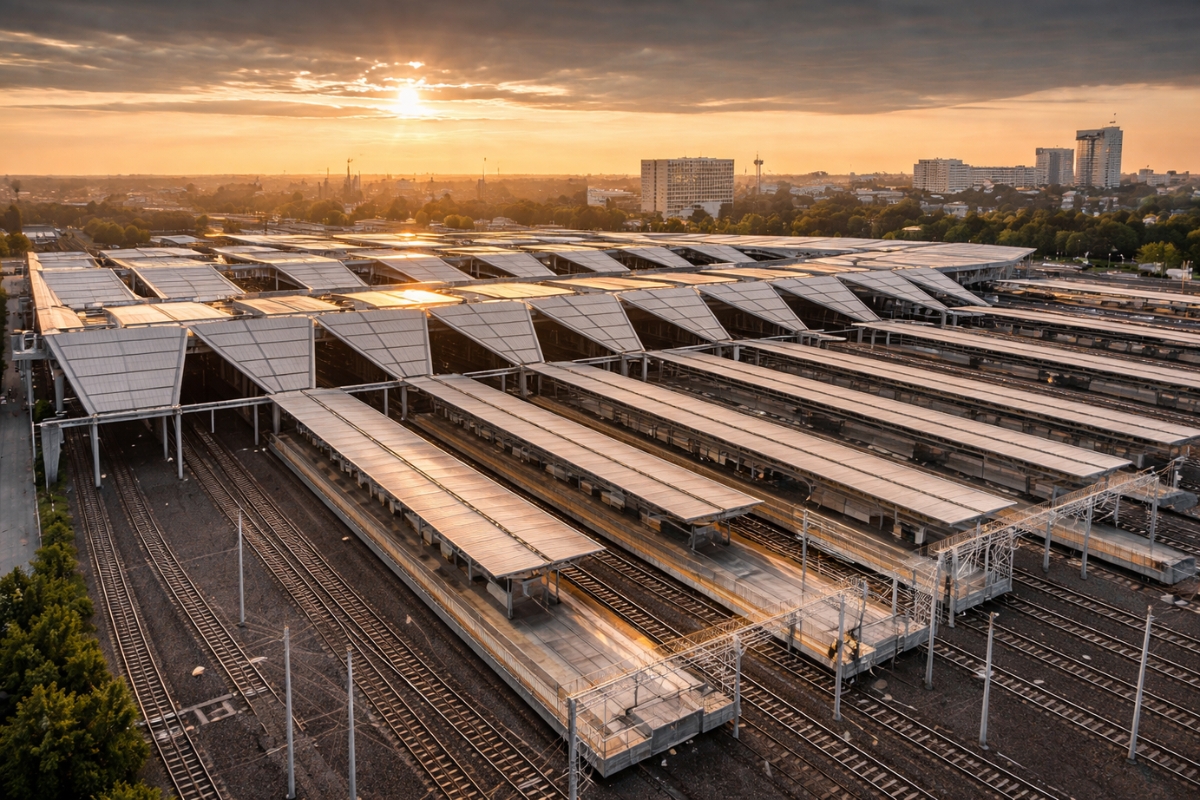
In A European City, The Country’s Largest Railway Junction Was Modernized Without Closing Its Doors, Kept Trains Running During Years Of Construction, Now Serves Up To 60,000 Passengers Per Day, And Installed Solar Panels That Generate About 30% Of Its Energy
-
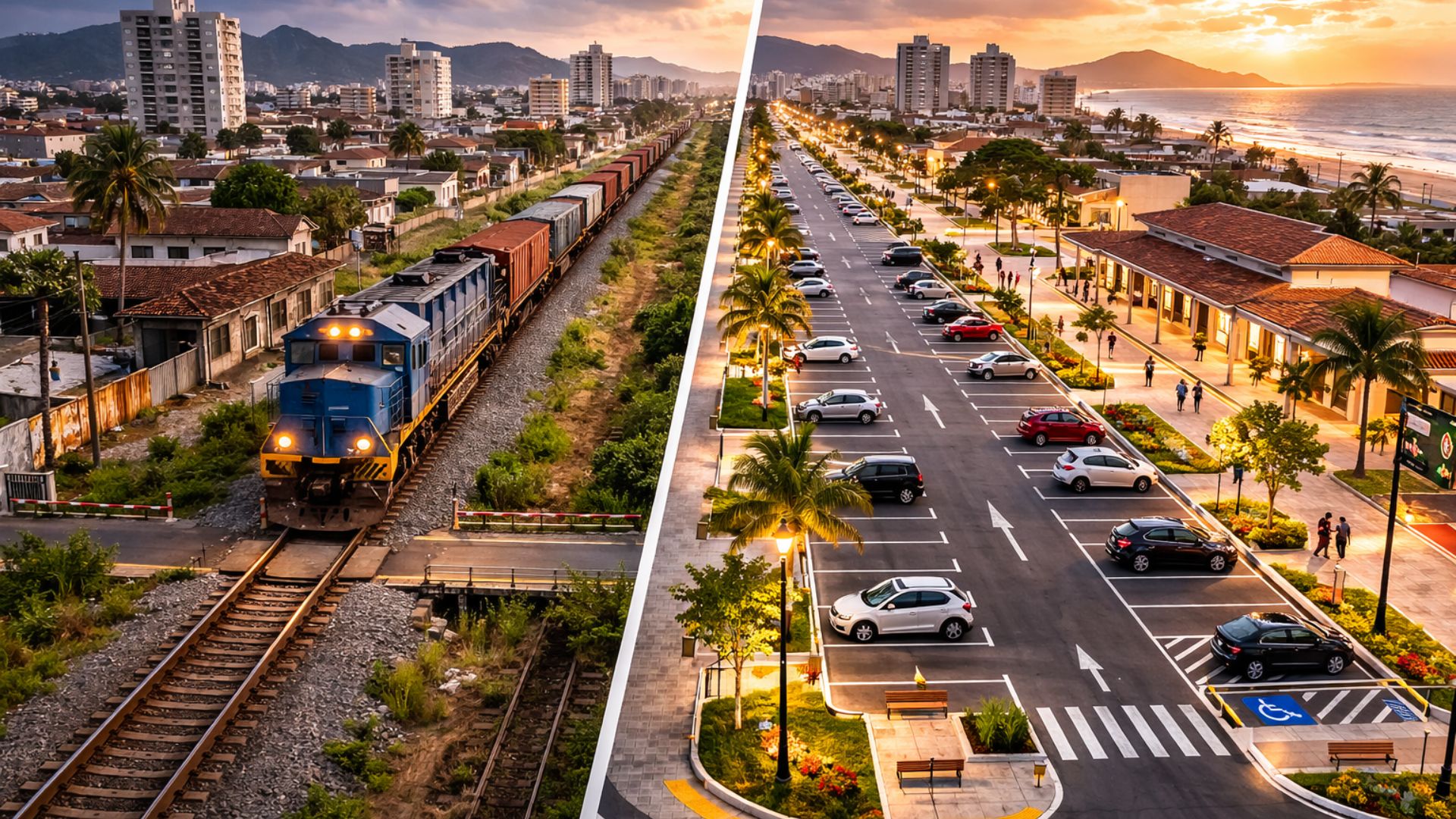
Famous Brazilian Railway May Become a Parking Lot
-
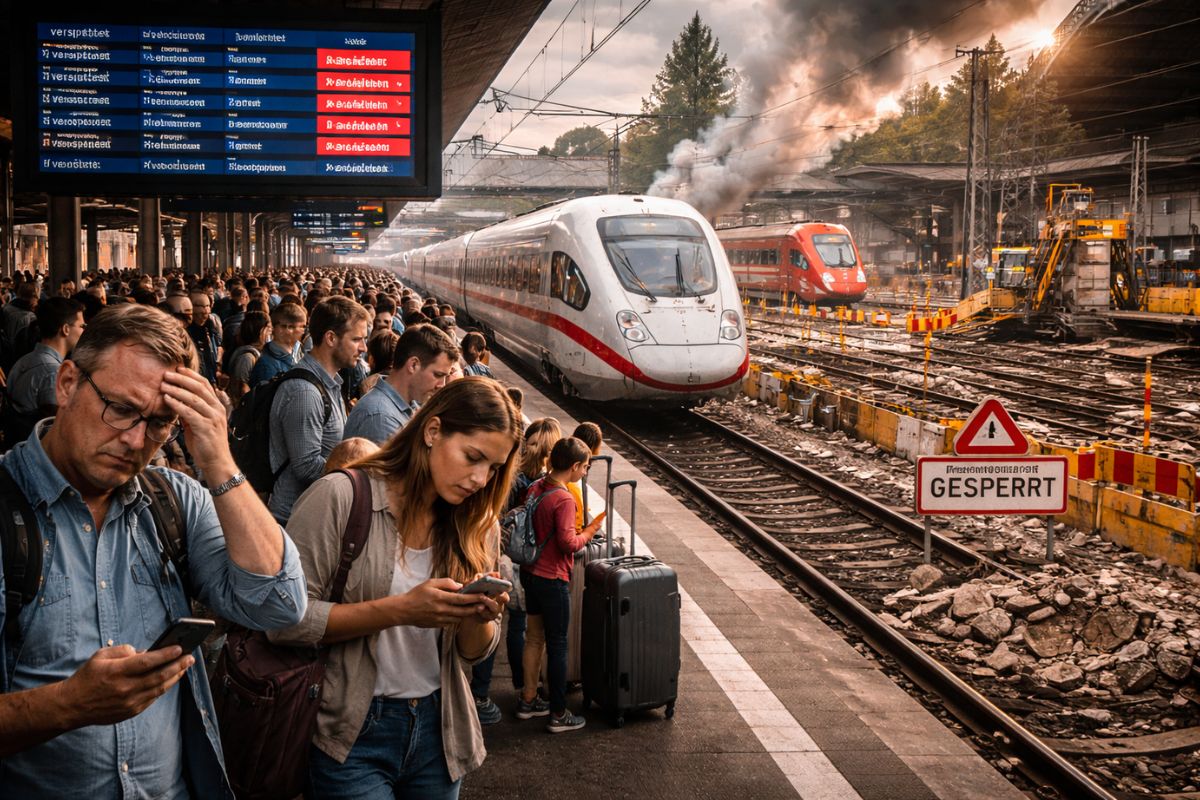
The Country of “Punctual As a Train” Admits It Has Lost Control: High-Speed Trains Delay, Stop, Disappear from the Map and Turn 6-Hour Trips into 10, While Deutsche Bahn Promises Restructuring in 2026 But Faces 19th Century Infrastructure, Staff Shortages and Sections Closed for Months
-
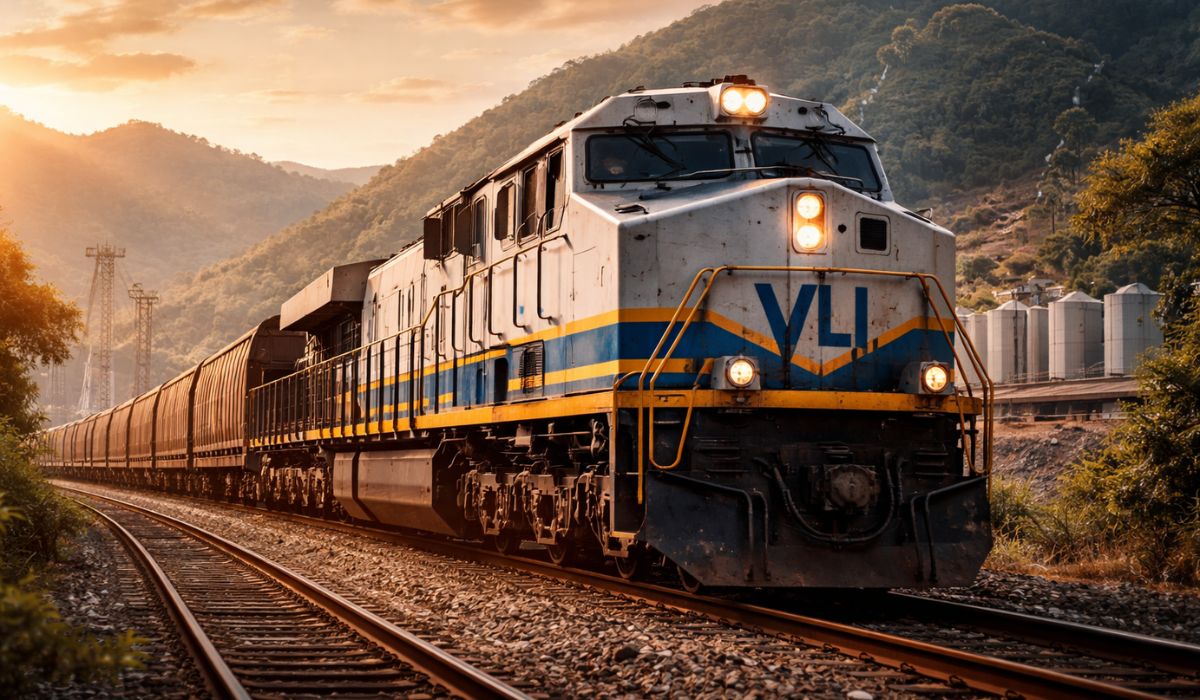
With an Investment of R$ 700 Million in One of the Country’s Main Rail Networks, VLI Reinforces Infrastructure, Receives 8 New Locomotives, and Expands the Corridor Connecting 7 States, Boosting Jobs and the Transportation of Grains, Ore, and Oil Products to the Port of Santos

Rail Transport Returns to the Agenda Between Recife and Caruaru
The initiative marks an attempt to rescue the tradition of rail transport, which was actively operated between the two cities until the year 2000.
According to information from Sudene, the agreement signed with the Federal University of Pernambuco (UFPE) provides for a detailed survey of the conditions of the old railway line, as well as evaluating the technical, economic, and environmental viability for implementing or revitalizing the route.
This study represents a decisive step to diversify the transportation matrix in the Northeast, especially in light of population growth and the increase in vehicle flow in the region.
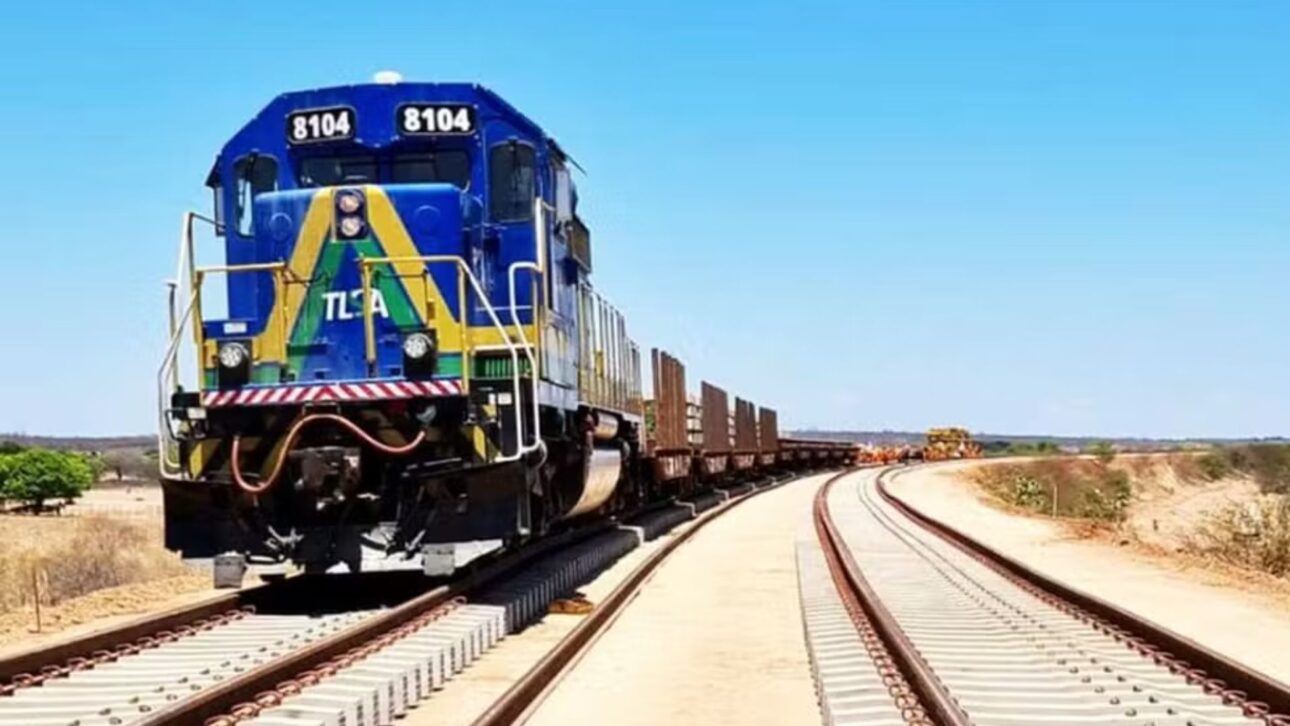
The superintendent of Sudene, Danilo Cabral, emphasizes that the proposal resumes a natural vocation of the Northeast region, as well as addressing current demands for urban and regional mobility.
He states that, historically, the rail transport between Recife and Caruaru was conceived in the late 19th century, having played a central role in the economic, tourist, and social development of the Agreste and the capital of Pernambuco.
For Cabral, the reactivation of the line should boost the textile sector, clothing, and tourism, as well as alleviate the heavy traffic recorded on BR-232, especially during traditional festival periods, such as São João.
Study for Cargo Transport Will Enhance Logistics Integration
In addition to the section aimed at passenger transport, Sudene announced a second study focusing on cargo movement.
The proposal involves the installation or modernization of a railway approximately 250 kilometers long, linking Petrolina to Salgueiro, in the state’s Sertão.
This new logistics corridor aims to enhance the flow of agricultural production, especially irrigated fruit farming in the São Francisco Valley, integrating it with the Transnordestina railway and facilitating access to the ports of Suape (Pernambuco) and Pecém (Ceará).
According to Sudene, the requalification of this section is seen as strategic to increase the economic competitiveness of the region, connecting local producers to key national and international markets.
As per the disclosed schedule, the partnership between Sudene and UFPE for the feasibility studies is expected to be formalized in the coming weeks.
The expectation is that technical surveys will be completed and presented by the first quarter of 2026.
The studies will detail, among other aspects, whether it is possible to reuse the remaining railway structure or if it will be necessary to construct a new railway line, considering the environmental and social impacts involved in each alternative.
History of Railway Transport in the Agreste
The history of railway transport between Recife and Caruaru dates back to 1895, when the first passenger line connecting the two cities was inaugurated.
To overcome the geographical challenges of Serra das Russas, located between the municipalities of Pombos, Gravatá, and Chã Grande, tunnels and viaducts were built that still impress today with their engineering from that time.
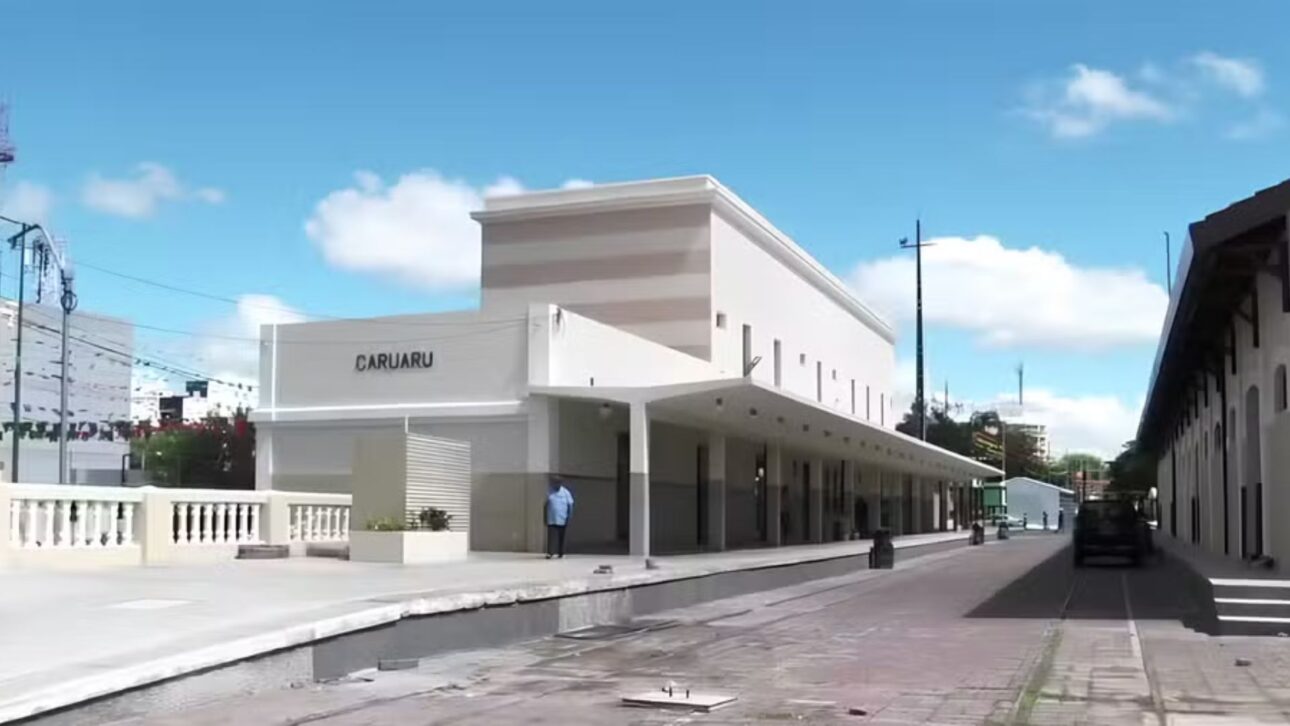
That year, the main stations were also opened, including the Caruaru station, which would become a symbol of the region’s development.
Throughout the 20th century, the railway played a fundamental role both for passenger transport and for the flow of goods, such as cotton, leather, and cheese.
Between the 1970s and 1990s, the so-called “Forró Train” gained prominence as a tourist attraction: during the June festivities, tourists boarded the train to participate in the São João celebrations, enjoying forró music throughout the journey.
This tourist use reinforced the cultural and economic importance of the railway, strengthening regional tourism.
The regular operation of trains was interrupted in 2000 due to the prioritization of road modes and the expansion of bus and car transport.
However, the railway memory remains alive in popular imagination and preservation initiatives.
In 2010, the Caruaru station was listed by the National Institute of Historical and Artistic Heritage (IPHAN), ensuring its protection as a historical and cultural asset.
Since 2020, the Caruaru City Hall has been carrying out works to transform the site into an open-air museum, expanding the tourist and cultural potential of the region.
Rail Transport as a Sustainable Alternative
Urban mobility experts emphasize that the reactivation of the railway can significantly contribute to reducing pollutant emissions, as well as providing faster and safer travel between Recife and Caruaru.
The rail modality also has the potential to generate jobs, attract investments, and foster new industrial and logistics hubs along the route.
Rail transport, according to technicians from Sudene and UFPE, can serve as a sustainable alternative to road transport, relieving BR-232 and improving the quality of life for the region’s inhabitants.
The studies also include a comparative analysis of the operational costs of railway and road transport, as well as estimates of the volume of passengers and goods that could be transported if the line is reactivated.
The search for innovative mobility solutions is part of a national and international trend to make cities more efficient, connected, and less dependent on fossil fuels.
Perspectives for Mobility in the Northeast
The completion of the feasibility studies represents an initial but decisive step towards the resumption of railway transport in the Brazilian Northeast.
Based on the results, Sudene and UFPE should present alternatives for the project’s implementation, indicating sources of funding and necessary partnerships to make the works feasible.
The expectation is that the reactivation of the train between Recife and Caruaru will serve as a model for other railway corridors in the country, strengthening logistical infrastructure and expanding mobility options for the population.
The reintroduction of rail transport between Recife and Caruaru may revolutionize regional mobility, but there are still logistical, environmental, and funding challenges to overcome.
Will the return of the train be able to transform the reality of transport between these cities and, who knows, inspire other regions of Brazil?









-

-

2 pessoas reagiram a isso.