





 Português
  Inglês
  Espanhol
  3 min de leitura
  0 comentários


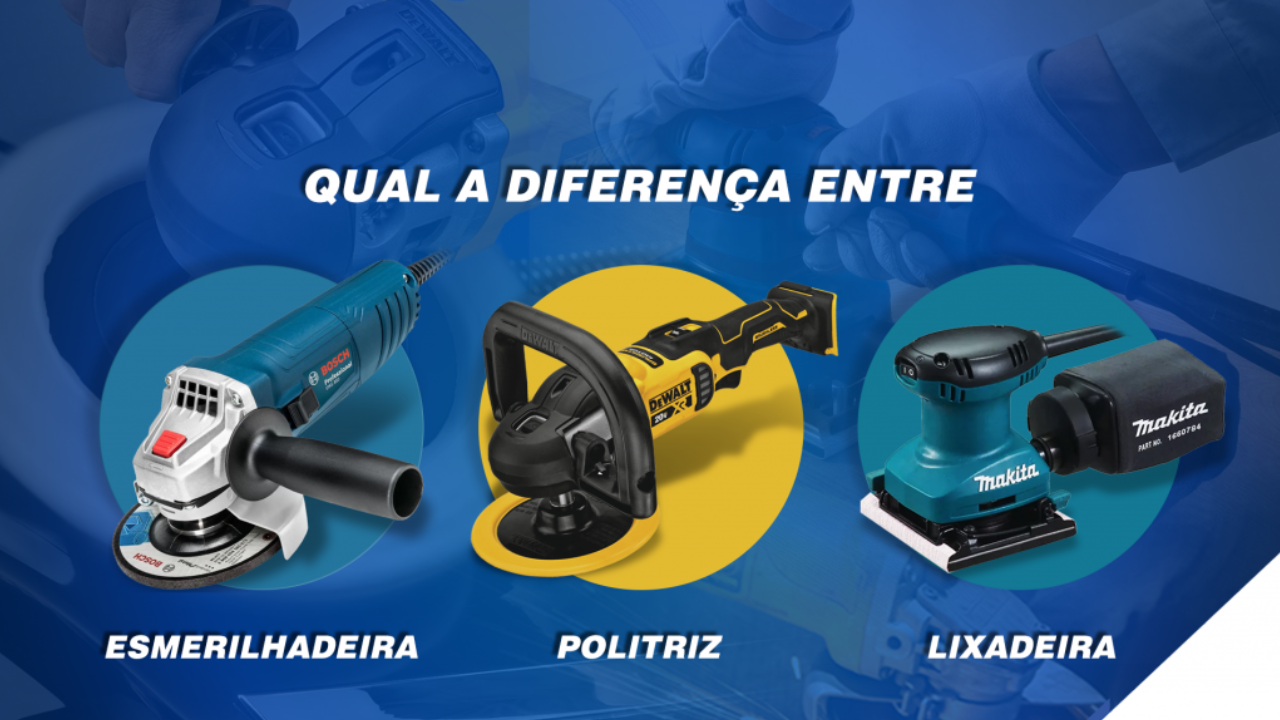
Knowing the Difference Between Sander and Angle Grinder Not Only Helps You Choose Better But Also Avoid Common Accidents Related to Incorrect Use.
In the world of power tools, the right choice can make all the difference in the outcome of your project. Often, professionals and enthusiasts in civil construction and woodworking are left in doubt about which equipment to use, especially when it comes to sanders and angle grinders — two instruments that have distinct purposes. Knowing the differences between a sander and an angle grinder is essential to ensure efficiency, safety, and the best performance in your work or workshop.
What Differentiates the Angle Grinder from Other Tools?
The angle grinder is recognized for its power and robustness.
With speeds exceeding 6,500 rpm, it is mainly indicated for heavy-duty tasks such as cutting, grinding, and even removing materials on hard surfaces like metal and concrete.
-
A megaproject worth R$ 89 billion is advancing in Iraq and promises to change the game in global trade by creating a new corridor between Asia and Europe, reducing traditional routes and repositioning the country as a logistics powerhouse.

-
Goodbye bedside table: floating shelves become a trend in 2026 by freeing up space in the bedroom, improving circulation, bringing visual lightness, and integrating technology without taking up floor space.

-
Israel, Greece, and Cyprus signed an agreement in 2020 to transport gas from the Mediterranean to Europe via a 1,872 km pipeline, but Turkey claimed sovereignty over part of the maritime route, and the project never materialized.

-
Israel, Greece, and Cyprus signed an agreement in 2020 to transport gas from the Mediterranean to Europe via a 1,872 km pipeline, but Turkey claimed sovereignty over part of the maritime route, and the project never materialized.


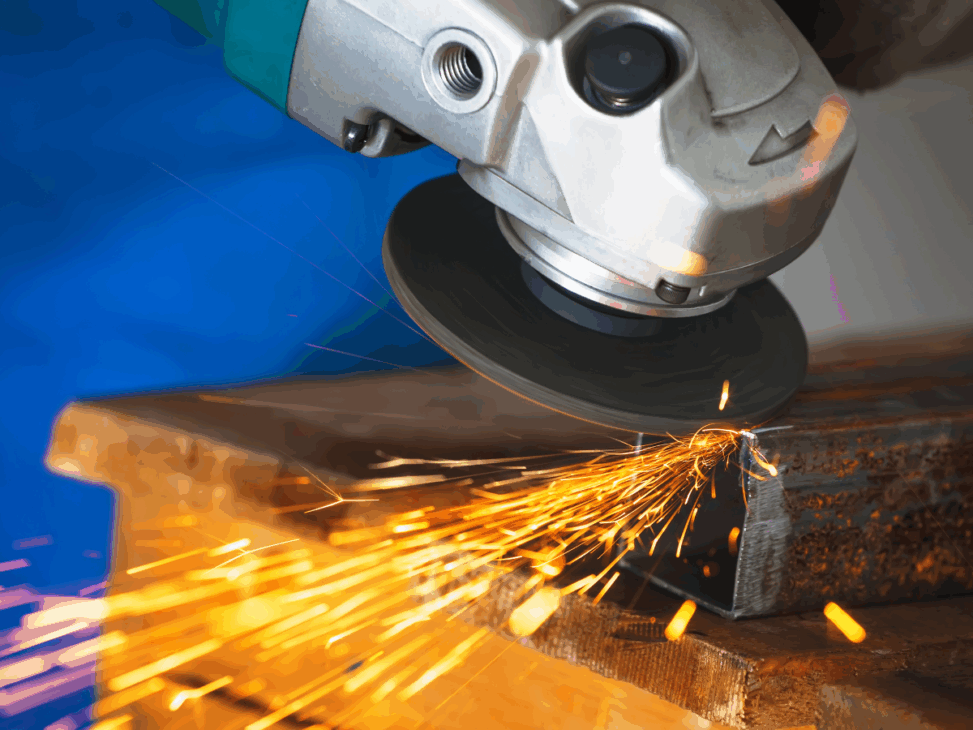
There are three main types: angular, battery-operated, and pneumatic, each with its own characteristics in terms of ergonomics and capacity.
This tool is heavier and generates more heat and noise, but it compensates with superior performance for tasks that require force, such as cutting rebar, metal discs, or grinding welds.
Its high speed facilitates quick work but requires increased attention to avoid accidents.
Sander: Fine Finishing and Versatility for Various Materials
Although it also performs grinding functions, the sander is indicated for more delicate and less resistant surfaces such as wood, plastic, resins, and fibers.
With a maximum speed of around 5,500 rpm, the sander is ideal for providing more refined finishes without damaging the material.
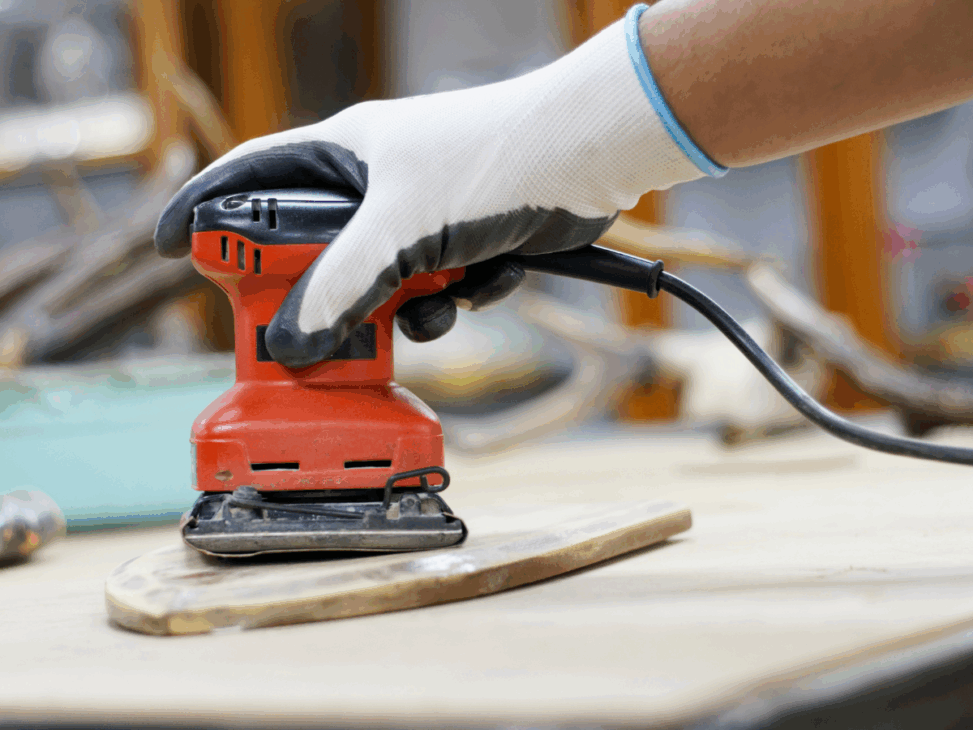
There are different models available on the market, adapted for various needs:
- Orbital Sander: widely used in automotive bodywork for finishing steel, as well as polishing wood and plastic.
- Belt Sander: efficient for removing large amounts of material on flat surfaces.
- Rotary Orbital Sander (or Eccentric): has a circular base that performs rotating and eccentric movements, suitable for detailed finishes on wood and metal.
Polisher: Focus on Polishing and Surface Preparation
In addition to the angle grinder and the sander, there is the polisher, whose main function is to polish and round edges, providing smooth and shiny surfaces.
It operates at lower speeds and is lighter, making it easier to handle.
It can come equipped with single, double, or even planetary heads — with multiple discs for work in large areas, such as concrete floors.
How to Choose the Right Tool for Your Needs?
The choice between sander, angle grinder, and polisher depends on the type of material that will be worked on and the desired finish.
For cuts and heavy work on metals or concrete, the angle grinder is the most suitable.
For delicate finishes and sanding on sensitive surfaces, opt for the sander. The polisher should be the choice for polishing and surface preparations.
Another important tip is to opt for models with variable speed control, as this allows for greater precision and safety in use, adapting the tool to the different needs of the project.
Furthermore, correct use prolongs the lifespan of the equipment and ensures professional results.
Therefore, before starting any work, assess which tool best meets your objective and working conditions.
Source: OBRAMAX









Seja o primeiro a reagir!