






 Portuguese
  Spanish


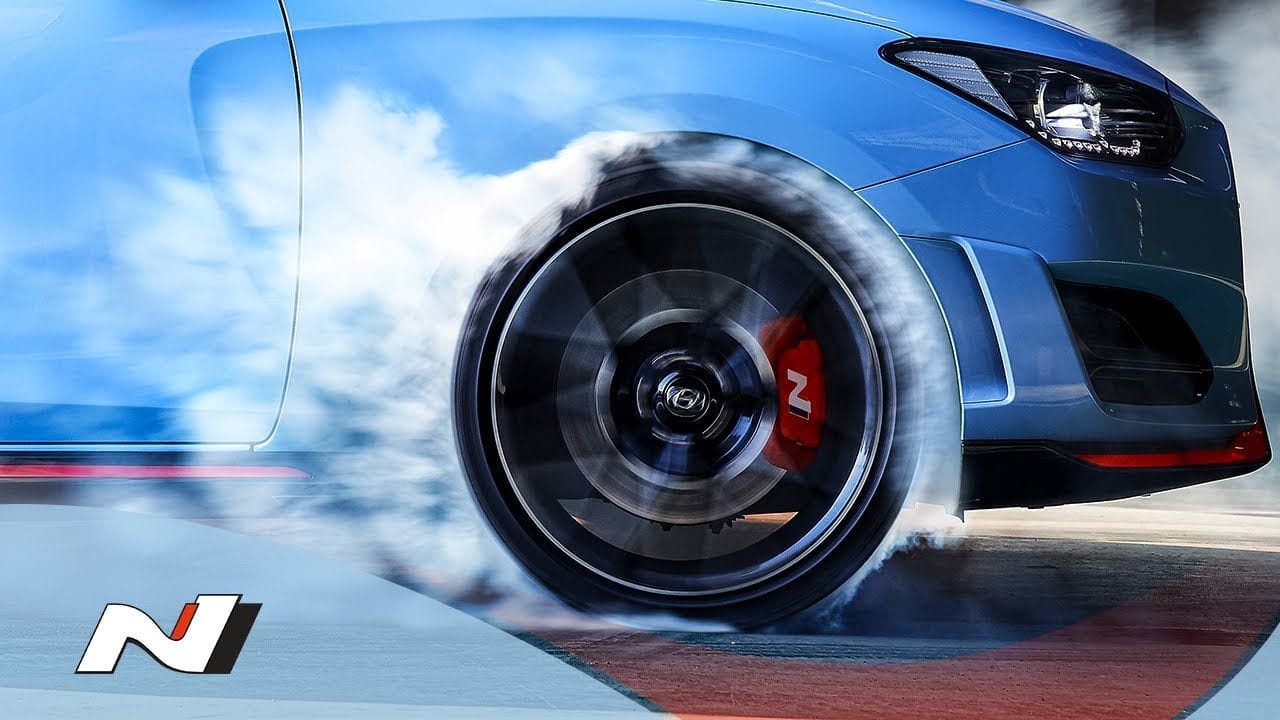

Although it has said goodbye to Brazilian streets, the Hyundai Veloster N continues to electrify enthusiasts around the world with its latest 2022 version, proving that sporty manual cars still have a special place in the hearts of speed enthusiasts.
Since its launch in 2011, the Hyundai Veloster has captivated fans with its innovative design and remarkable performance. Starting with a 1.6L engine and 140 horsepower, the Veloster has evolved significantly, introducing a Turbo version in 2012 with 201 horsepower. In 2019, a new chapter was opened with the launch of the Veloster N, marking the most recent update of the model in 2022. This car not only honors its legacy but also redefines expectations with a redesign reminiscent of the prestigious Golf R, and details that highlight its sporty nature.
Engine of the Hyundai Veloster N


Under the hood of the 2022 Hyundai Veloster N, we find the beating heart of its innovation: a 2.0 turbo engine that pushes the limits with 275 horsepower in the Performance version, maintaining the characteristic front-wheel drive. Additional modifications made by enthusiasts can elevate this number to 300 horsepower, highlighting the versatility and sporty potential of the Veloster N.
Details That Set It Apart
The aesthetics of the Veloster N are complemented by exclusive wheels, diamond paint, and red ceramic brakes, while the side of the car features a design that suggests a more pronounced width. The interior does not lag behind, with racing seats that nod to Hyundai’s sporting heritage and a cockpit that prioritizes a dynamic driving experience, emphasized by a six-speed manual transmission that appeals to motorsport purists.
-
He surpassed the Tera, Creta, and Tracker: With a TSI engine of up to 150 hp, 6-speed automatic transmission, and a 373-liter trunk, the Volkswagen T-Cross was the best-selling SUV in June, with 11,753 registrations.

-
It looks factory-made, but it came out of a workshop: a mechanic from Pernambuco builds a handcrafted “mini Toyota,” drives it through the streets, and the video goes viral on social media, leaving residents astonished.

-
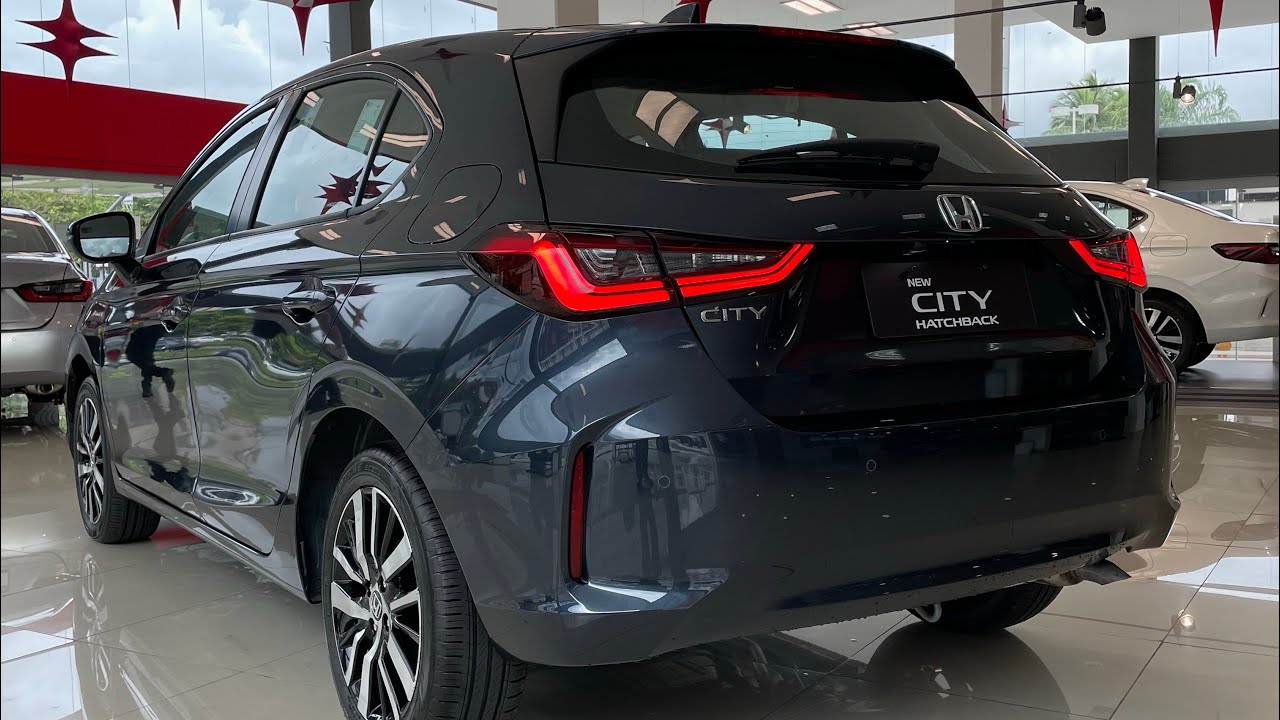
Hatch with sedan space and 1.0 car consumption: equipped with a 1.5 engine with 126 hp, CVT transmission with seven simulated gears, and consumption of up to 17.4 km/l, this used Honda delivers technology, comfort, and reliability; meet the 2022 Honda City Hatch Touring.
-
End of an era in Brazil: beloved sedan by Brazilians is discontinued despite having a 2.0 engine with 151 hp, CVT transmission, 466-liter trunk, and up to 650 km of range.



Even with Hyundai’s decision to discontinue the Veloster in Brazil, the 2022 Veloster N stands as a testament to the brand’s ongoing innovation in developing accessible sporty cars. This model not only keeps the spirit of the Veloster alive but also ensures that Hyundai’s legacy continues to thrive in international markets, where the demand for manual sports vehicles still resonates strongly among enthusiasts.
The Hyundai Veloster in Brazil
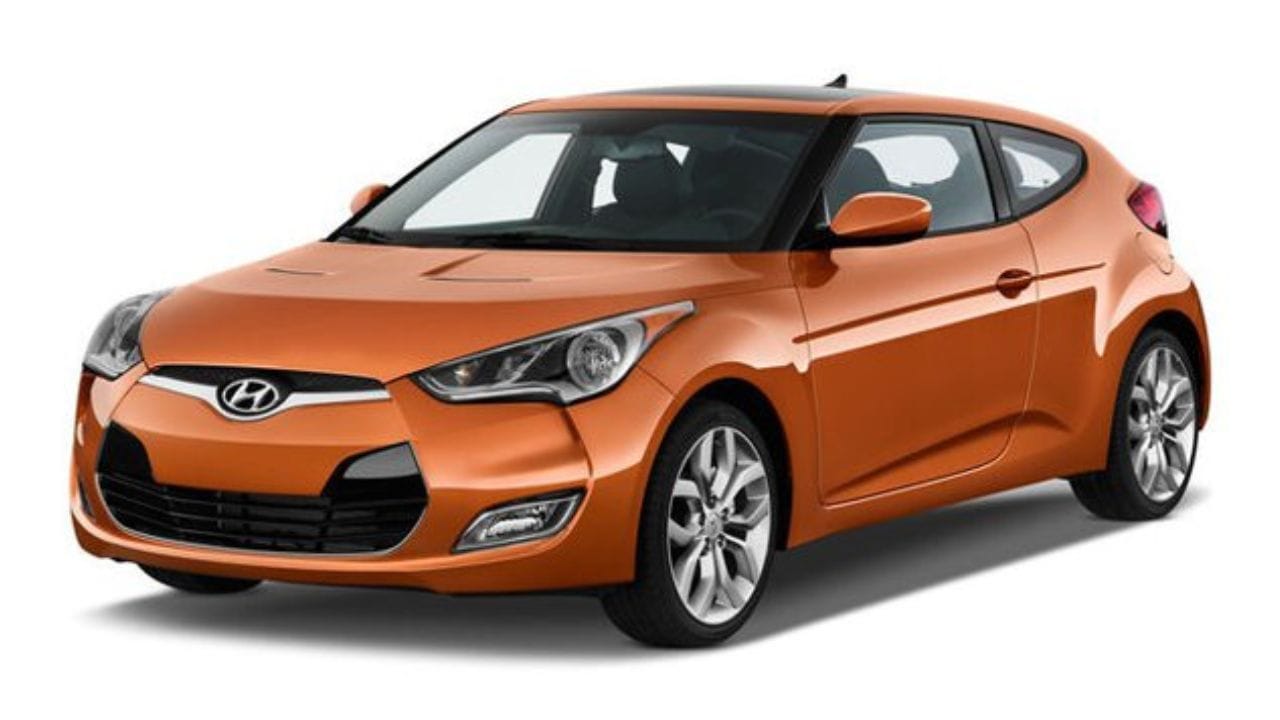
The launch of the Hyundai Veloster in Brazil was marked by great anticipation. With its revolutionary three-door design and promise of sporty performance, the model quickly captured public attention. However, the Veloster’s journey on Brazilian soil was turbulent, standing out for both its innovations and the controversies that accompanied it.
Upon arriving in Brazil, the Veloster promised a new era for sporty compacts with its 1.6L engine. However, consumers faced a different reality: the vehicle available in the Brazilian market had only 128hp, the same power as the HB20, a significantly more affordable model with a distinct proposal. This discrepancy between performance expectations and reality generated discontent among automotive enthusiasts.
Hyundai CAOA, the importer of the Veloster in Brazil, faced criticism not only for the power issue but also for discrepancies between the advertised specifications and the characteristics of the delivered models. Features such as GPS, electric adjustments for the front seats, 8 airbags, and premium sound system often did not match what was promised, culminating in lawsuits for false advertising.
Competition and Exit from the Brazilian Market
The fierce competition in the sporty compact segment, combined with the high price and controversies over its performance and equipment, led to the discontinuation of the Veloster in Brazil in 2014, just three years after its arrival. This withdrawal reflects the difficulties of the model in meeting the high expectations generated around its initial proposal.
Despite the challenges faced in Brazil, the Veloster continues to be an attractive option in other markets, with Hyundai introducing new generations that promise to surpass the limitations observed in the previous model. While the new Hyundai Veloster N symbolizes the brand’s evolution and commitment to performance and innovation, the return of the model to Brazil remains uncertain, leaving a legion of fans hoping for a future reunion with this sporty icon.






Corrigindo a sua fala no vídeo, a velocidade final é de 180Mph e nao 180Km/h, esse carro chega a quase 300Km/h.