





 English
  Francês
  Alemão
  Italiano
  Japonês
  Norueguês
  Portuguese
  Spanish
  6 min of reading
  2 comments





Understand Why Offshore Safety Technician Salaries Exceed R$ 20 Thousand, What Risks Are Involved in Embedded Work, Responsibilities in Explosive Areas, and How High Demand Is Transforming This Offshore Career
Salaries above R$ 20 thousand place the Offshore Safety Technician at the top of the embedded chain in 2026. In a sector marked by high risk, continuous operations, and zero tolerance for failures, this professional has become crucial for the continuity of activities on oil and gas platforms.
According to a report published by Monitor do Mercado this Sunday (25), high salaries reflect extreme responsibility, a shortage of qualified labor, and direct impact on human lives and billion-dollar assets, consolidating the offshore career in safety as one of the most valued in embedded work.
High Salaries and the Role of the Offshore Safety Technician
Right from the start, the main point is clear: the salaries paid to experienced offshore safety technicians frequently exceed R$ 20 thousand per month, potentially reaching even higher levels in coordination positions. In environments with flammable gases, explosion risks, and simultaneous operations, the authority of this professional can halt the production of industry giants whenever there is an imminent threat to safety.
-
Constellation opens an offshore position with a 14×14 schedule for those who want to work onboard in Rio das Ostras (RJ) with great benefits.
-
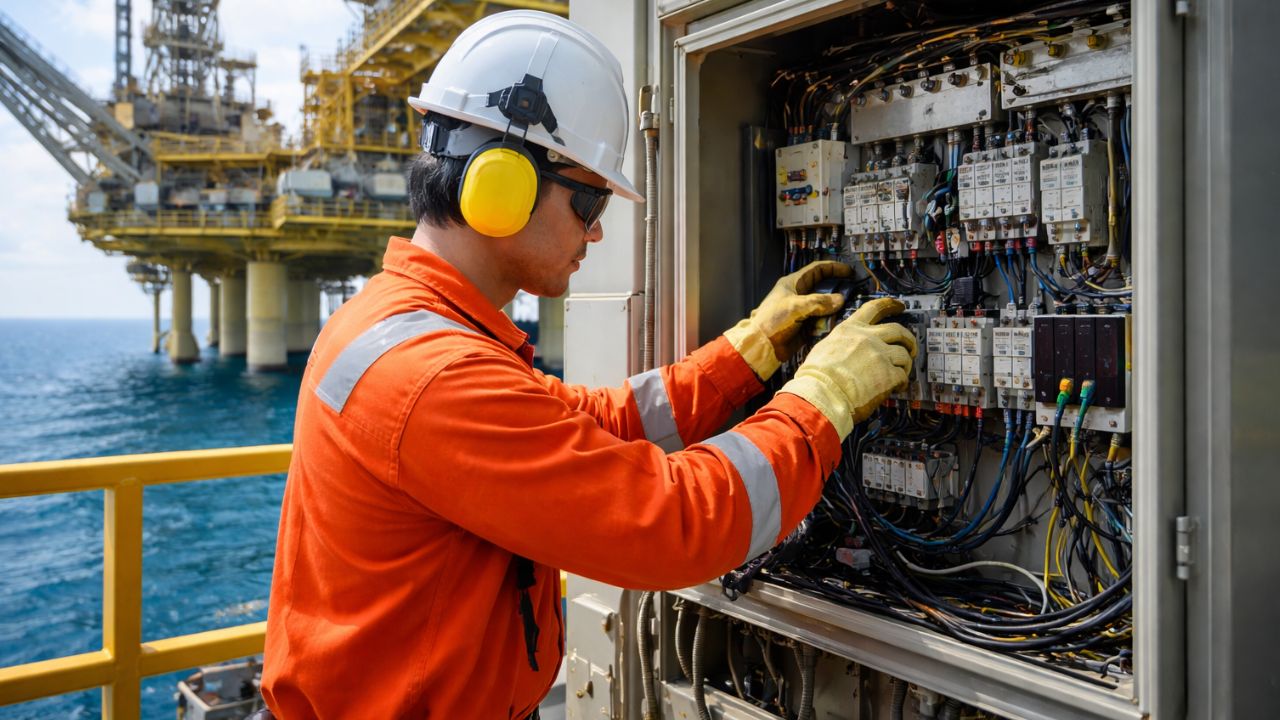
Oceânica Announces Offshore Vacancy on 14×14 Schedule for Electrical Technician in Rio de Janeiro
-
Offshore Position for Engine Room Fourth Officer with 28×28 Rotation in Rio de Janeiro

-
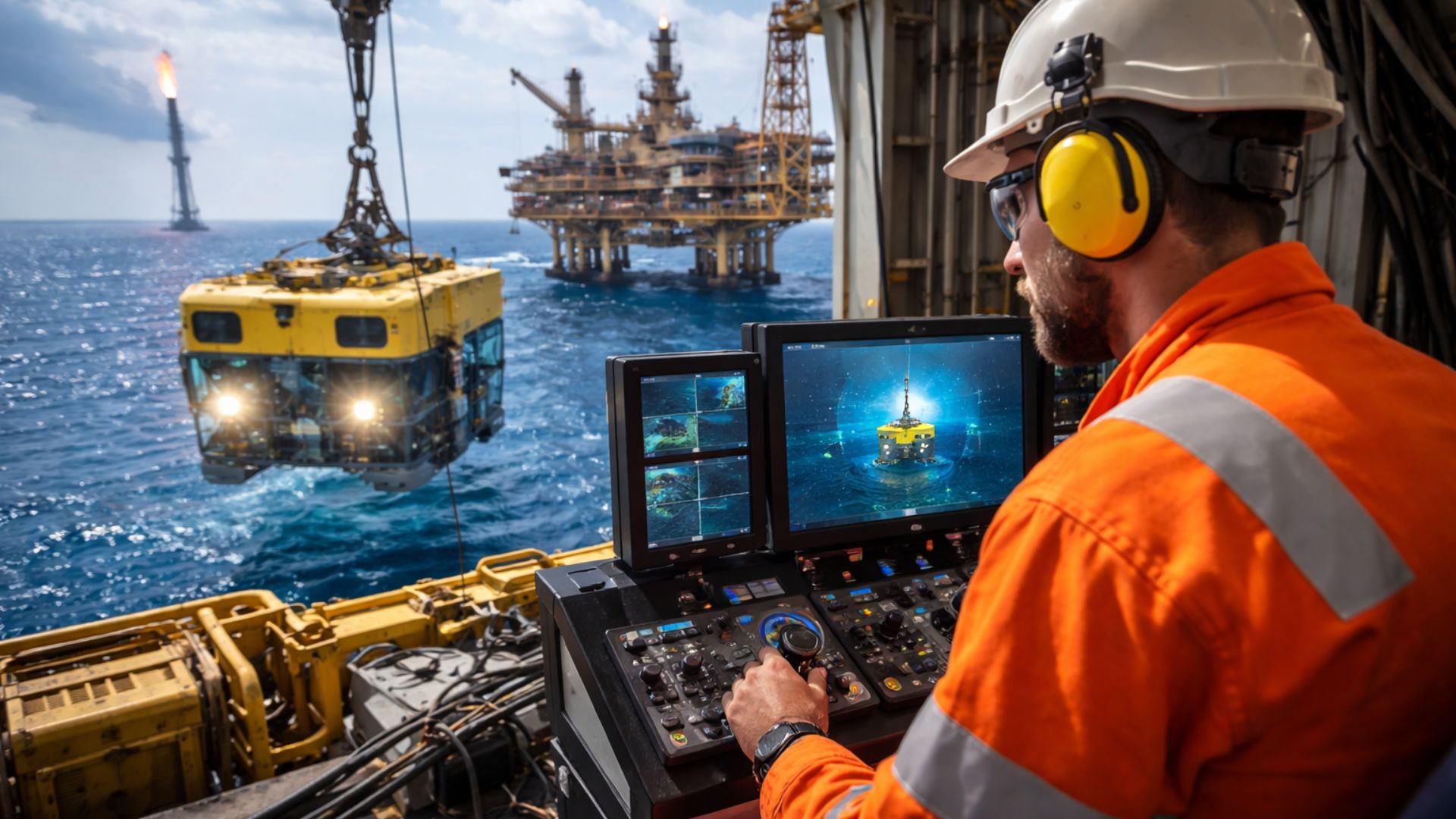
With Announcement for ROV Course in Partnership with Zen, Rio das Ostras Aims to Transform Technical Qualification into Real Jobs in the Competitive Offshore Market
The salaries of offshore safety technicians have grown consistently in recent years, following the increase in operational complexity in pre-salt and the adoption of stricter international standards. Over the years, this professional has solidified their role as critical on platforms, being responsible for authorizing or vetoing critical activities involving welding, confined spaces, and classified areas.
In embedded work, the decision to release or halt a task is not just technical but also legal. The technician’s decisions have a direct impact on operational and legal decisions, as an error can result in serious accidents, environmental damage, and irreversible financial losses. This direct responsibility explains why salaries are among the highest in the offshore chain.
Understand the Main Functions of the Offshore Safety Technician
The offshore safety technician is, above all, the guardian of life at sea. Their role goes far beyond delivering personal protective equipment. They manage complex work permits, monitor potentially explosive atmospheres, and ensure that all activities comply with national and international regulations.
During embedded work, atmospheric analyses are conducted continuously with gas detectors widely used in the industry, ensuring that flammability and toxicity limits are within acceptable parameters. Without this technical validation, no critical activity is initiated. This level of control protects not only the workers but also the environment and the reputation of the operating companies.
Embedded Work and Authority Above Hierarchy
One of the most sensitive aspects of embedded work is the coexistence between productivity and safety. In this scenario, the offshore safety technician has formal autonomy to veto decisions, even from engineers and managers, when they identify non-compliance with regulations or imminent risks.
This technical authority is the “last barrier” against major accidents. On offshore platforms, where hundreds of people coexist in confined spaces, any failure can have cascading consequences. Therefore, the technician’s seniority and their ability to maintain a firm stance under pressure are determining factors for their salary valuation and permanence in the offshore career.
Why Are Salaries So High in the Offshore Security Career
The high salaries do not represent an excessive cost for companies but rather a strategic investment. The financial impact of an offshore accident can include environmental fines, prolonged shutdowns, and labor indemnities that compromise the entire operation.
In this context, paying well for an experienced offshore safety technician is seen as smart prevention. The logic is simple: avoiding an accident costs less than dealing with its consequences.
Additionally, the scarcity of professionals with real experience in explosive environments further pressures salaries, especially for those in coordination positions or international contracts.
Skills That Support High Salaries in Embedded Work
To achieve the highest salaries, professionals need to go beyond basic technical training. The offshore market demands mastery of international safety standards, fluent communication in English, and leadership skills in high-pressure environments.
Among the most valued skills in the offshore career, expertise in occupational hygiene, response to chemical emergencies, and safety management system audits stand out. International certifications enhance employability and justify more robust salary packages.
Emotional intelligence is a decisive differentiator. In embedded work, the technician acts as a mediator, convincing teams to follow strict procedures even when there is pressure for deadlines. This leadership ability supports the trust of the crew and management, strengthening the professional’s position.
Salaries Practiced in the Offshore Safety Technician Chain in 2026
The salaries vary according to seniority and level of responsibility. In 2026, the offshore market shows a clear progression for safety professionals.
The Pleno Offshore Technician mainly works in field supervision and receives an average salary between R$ 12,000 and R$ 16,000. The Senior Technician, responsible for managing critical permits, achieves salaries between R$ 18,000 and R$ 24,000. In coordination positions of QSMS, with direct platform leadership, the salary can reach R$ 35,000. Security consultants, on the other hand, typically work on a per diem basis, with high values depending on project complexity.
These numbers reinforce how the offshore safety technician occupies the top of embedded work, especially when they combine practical experience and strategic certifications.

How to Build a Solid and Valued Offshore Career
Building a consistent offshore career often starts on land. Experiences in refineries, petrochemical hubs, and high-risk industries serve as an essential technical foundation. This background prepares professionals to handle the complexity and pressure of the embedded environment.
Rare specializations significantly increase market value. Training in radiological protection, classified areas, or emergency management broadens the range of opportunities. The professional who solves complex problems without compromising safety becomes indispensable.
Investing in technical English is another fundamental step. Selection processes for international contracts require clear communication with global teams. This preparation strengthens the offshore career and expands access to the best salaries in the sector.

Growing Demand and Prospects for Embedded Work
The demand for offshore safety technicians remains high in 2026, driven by the continuity of operations in the pre-salt and the increasing requirement for stricter standards. The sector does not tolerate improvisations when human lives are at stake.
Consequently, salaries are likely to remain high, especially for professionals who continuously invest in training. The embedded work environment will continue to be demanding but also highly rewarding for those prepared to take on significant responsibilities.
Strategic Relevance of the Offshore Career in Safety
For those seeking professional growth, financial stability, and technical recognition, the offshore career in safety remains one of the most solid in the energy sector. Few roles concentrate as much operational authority, direct impact, and competitive salaries.
The offshore safety technician is consolidating as one of the most strategic professionals in the oil and gas industry. In an environment where prevention defines the success of operations, investing in this career means assuming a central role in the protection of lives, the environment, and the business itself, strengthening the future of embedded work in Brazil.









Só se for embarcando em Nárnia que o TST ganha esse salário.
Verd Kkkkkkkk