





 Portuguese
  English
  Spanish
  5 min of reading
  0 comments


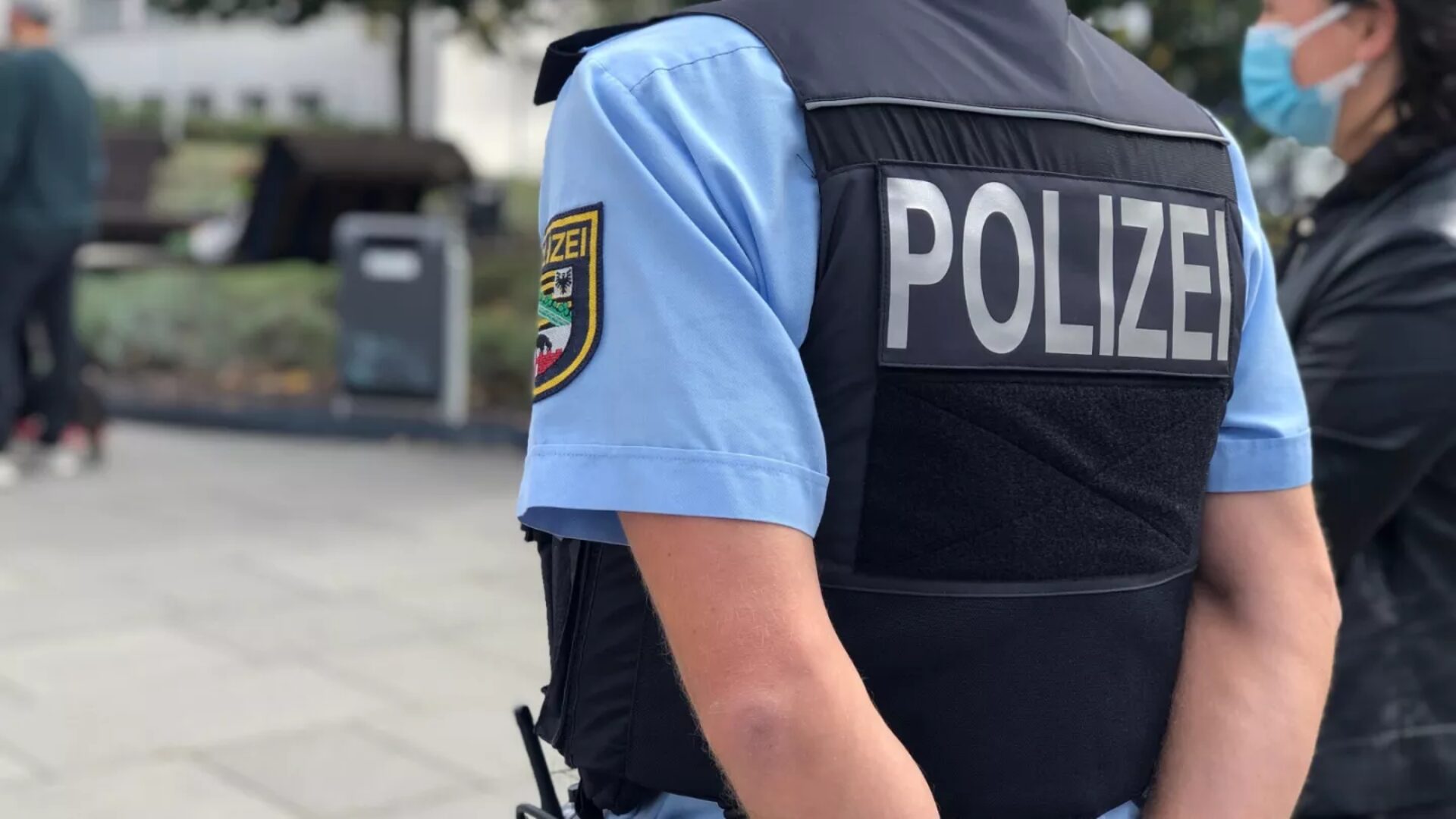
Police Salaries Significantly Vary Between European Countries, Reflecting the Valuation of Security Forces in Each Region!
According to the website vagaspelomundo, if you are curious about the salaries of the police in Europe, this article provides a detailed analysis of the countries that pay their security forces the most and the least.
The salary disparity between European nations reflects not only the local economy but also the valuation of police work in each region.
The Importance of Police in European Society
Police forces play a fundamental role in maintaining public order and the safety of citizens. In 2022, public spending on security and order in the European Union reached 1.7% of GDP.
-
Unemployment rises again to 5.8% at the beginning of 2026, raising alarms about the end of temporary positions and its impact on the Brazilian job market.

-
Document organization can cut invisible costs in small businesses, a simple step that prevents waste, rework, and losses in daily operations.

-
Chinese giant worth nearly R$ 4 billion that manufactures cables for electric cars, solar energy, and robotics wants to open a factory in SC.
-
Many employers do not know, but the law guarantees domestic workers a 25% increase in salary during trips, 50% for overtime, 20% for night shifts, and 17 additional benefits that can lead to labor lawsuits if not paid.


This amount reflects the commitment of governments to ensuring safety, but it also raises questions about the adequacy of the salaries paid to police officers in different countries.
Beyond public safety, police forces also operate in areas such as crime prevention, protection of human rights, and conflict mediation.
In a constantly changing society, the police must adapt to new realities, such as the rise of cybercrime and the need for greater community interaction.
This evolution demands not only continuous training but also compensation that reflects the complexity and importance of their functions.
Comparison of Police Salaries in Europe
The salaries of police officers in Europe vary significantly.
In 2023, the gross monthly salaries for a 35-year-old male police officer with over 10 years of experience ranged from € 699 in Bulgaria to € 5,761 in Denmark.
The data was extracted from the Eurostat Salary Calculator, which provides estimates for the European Union.
The four countries offering the highest salaries for police officers are: Denmark, Germany, Luxembourg, and Belgium, with salaries around € 4,200. Meanwhile, salaries in The Netherlands and Ireland are € 3,881 and € 3,576, respectively.
On the other hand, police officers in Italy earn € 2,537, while those in Spain are the lowest paid among the major economies in the EU, earning € 2,271.
These salary differences can be attributed to several factors, including the cost of living, investment in public safety, and governmental policies that value police work.
Countries like Denmark and Luxembourg have a tradition of high investment in public services, which is reflected in their higher salaries.
Salaries of Police Inspectors and Detectives
When analyzing the salaries of inspectors and detectives, the difference becomes more pronounced.
In many countries within the European Union, these professionals earn significantly more than regular police officers. For example, in Denmark, the salaries of inspectors can reach € 6,351 per month.
Other countries like Ireland and Germany also offer salaries above € 5,000.
However, in some nations, the salaries of inspectors and detectives remain below € 2,000, as is the case in Bulgaria, Latvia, Croatia, Lithuania, Romania, Poland, and Hungary.
Among the “Big Four” of the European Union, Germany stands out, with inspector salaries exceeding € 5,000.
This contrast may also reflect different approaches to policing and investigation in each country. In Denmark, for example, the proactive approach of the police towards public safety allows inspectors to play a vital role in crime prevention, justifying higher salaries.
Adjusted Salary Disparities for Purchasing Power
When salaries are adjusted for Purchasing Power (PPP), the discrepancies become more visible.
PPP is a monetary unit that allows for a fairer comparison between countries, eliminating the effect of differences in the cost of living.
Thus, when observing police salaries adjusted by PPP, disparities decrease, but significant gaps still exist.
For example, police salaries in Bulgaria range from 1,158 to 4,397 in PPP in Denmark.
Among the “Big Four,” Portugal stands out with a salary of 1,632 in PPP, while Spain presents the lowest, with 2,481.
For inspectors and detectives, Denmark leads with 4,848 in PPP, followed by Germany and Ireland.
This analysis in PPP is crucial to understanding how salaries translate into real purchasing power, allowing for a clearer view of what police officers can actually acquire with their earnings.
Police Salaries in the United Kingdom
Although the figures from the United Kingdom are not included in Eurostat estimates, it is interesting to compare.
Data from the British government shows that the average annual salary for police officers ranges from £ 29,000 (approximately € 35,337) to £ 46,000 (around € 55,880), depending on experience.
This results in a monthly salary between € 2,945 and € 4,657.
In the Metropolitan Police Service in London, the starting salary is £ 38,269 (approximately € 46,479), and it can increase to £ 56,593 (around € 68,734) within seven years.
This salary structure, especially in metropolitan areas, reflects the high cost of living in London and the need to attract and retain talent in a challenging urban environment.
The Relation Between Salaries and Recruitment
Salary disparities between European countries have a direct impact on the ability to recruit and retain police officers.
In countries where salaries are lower, such as Bulgaria and Spain, police forces often struggle to attract new talent.
This can result in underfunding and a lack of resources, which in turn impacts the effectiveness of police operations.
Moreover, salary dissatisfaction can lead to a high turnover rate among police officers, affecting continuity and experience within the ranks.
Conversely, countries that offer higher salaries and better working conditions tend to have more stable and motivated police forces.
Complete List of Police Salaries in Europe
Below is the list of estimated gross monthly salaries for police officers in Europe, considering a 36-hour workweek, based on 2023 data:
1st Denmark: € 5,761
2nd Germany: € 4,202
3rd Luxembourg: € 4,191
4th Belgium: € 4,116
5th The Netherlands: € 3,881
6th Ireland: € 3,576
7th France: € 3,395
8th Finland: € 3,185
9th Austria: € 3,090
10th Italy: € 2,537
11th Slovenia: € 2,418
12th Spain: € 2,271
13th Malta: € 1,804
14th Cyprus: € 1,793
15th Slovakia: € 1,761
16th Czech Republic: € 1,553
17th Greece: € 1,423
18th Lithuania: € 1,400
19th Latvia: € 1,386
20th Portugal: € 1,350
21st Estonia: € 1,252
22nd Hungary: € 1,206
23rd Croatia: € 1,128
24th Romania: € 1,090
25th Poland: € 1,054
26th Bulgaria: € 699
The Future of Police Salaries in Europe
As society evolves and new challenges emerge, such as cybercrime and the need for community policing, European governments must assess how the salaries and working conditions of their police officers align with these realities.
Public pressure for better salaries and working conditions can influence political decisions, leading to a revision of salary policies in many countries.
The information presented here not only provides a clear view of police salaries in Europe but also highlights the importance of discussing how compensation can impact the effectiveness and morale of police forces across the continent.
With the growing demand for safety and protection, it is essential that governments recognize the value of their police officers and ensure they are adequately compensated for their service to society.








-

Uma pessoa reagiu a isso.