





 Portuguese
  English
  Spanish
  5 min of reading
  0 comments


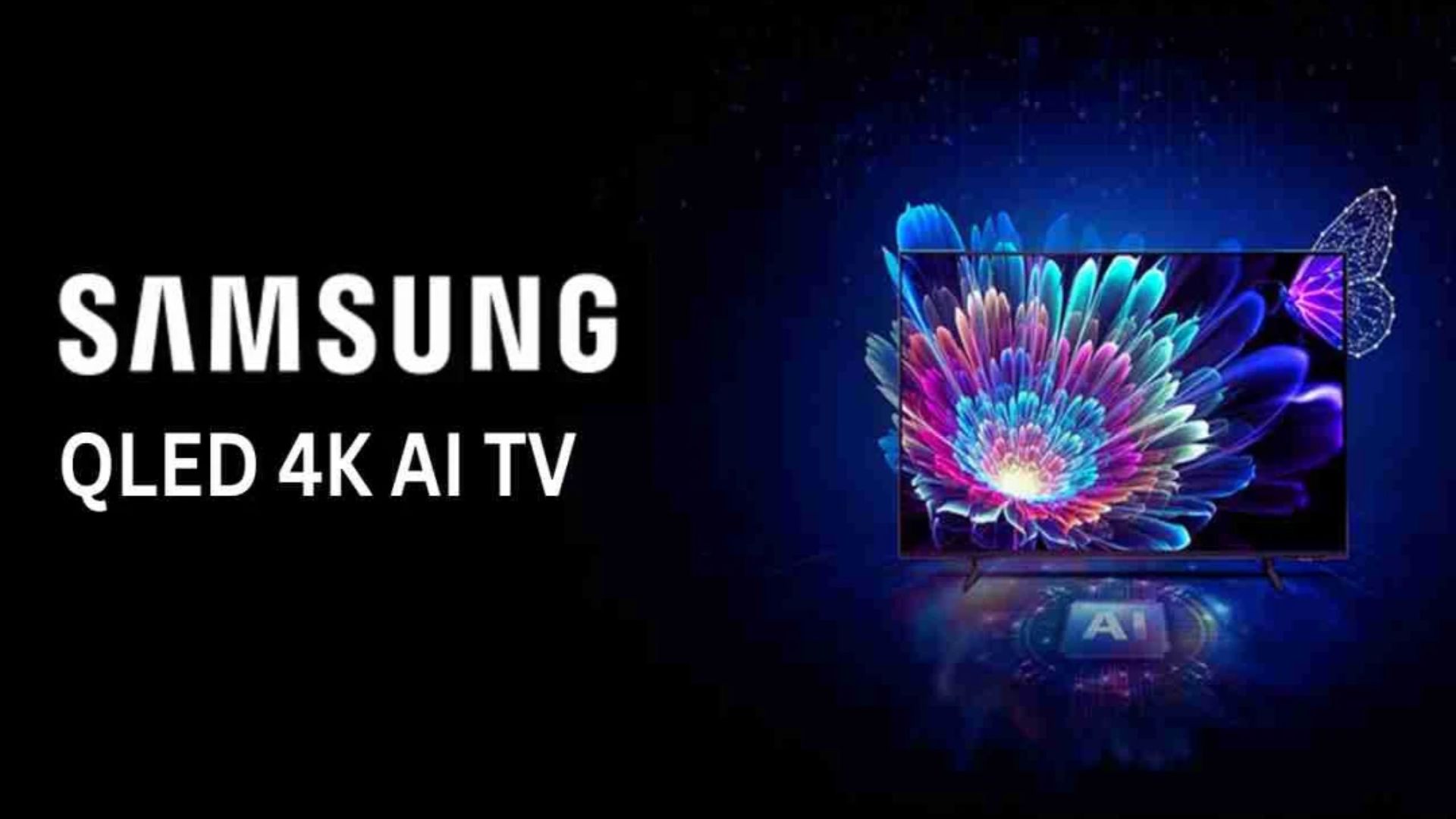
Model Bets on Artificial Intelligence, Integration with Galaxy Ecosystem, and Solar Control, Aiming to Win Over the Audience Seeking Advanced Technology and Practicality in an Entry-Level 4K QLED TV.
The Samsung expanded its television portfolio in Brazil and introduced the QEF1, a model positioned as an entry-level QLED smart TV.
The device arrives with artificial intelligence features, easy integration with the Galaxy ecosystem, and a solar rechargeable remote control, reinforcing the South Korean manufacturer’s commitment to innovation and connectivity.
The detailed analysis presented below is based on the review published by the portal Tudo Celular, a technology reference in the country.
-
Motorola launched the Signature with a gold seal from DxOMark, tying with the iPhone 17 Pro in camera performance, Snapdragon 8 Gen 5 that surpassed 3 million in benchmarks, and a zoom that impresses even at night.

-
Satellites reveal beneath the Sahara a giant river buried for thousands of kilometers: study shows that the largest hot desert on the planet was once traversed by a river system comparable to the largest on Earth.

-
Scientists have captured something never seen in space: newly born stars are creating gigantic rings of light a thousand times larger than the distance between the Earth and the Sun, and this changes everything we knew about stellar birth.

-
Geologists find traces of a continent that disappeared 155 million years ago after separating from Australia and reveal that it did not sink, but broke into fragments scattered across Southeast Asia.
Variety of Sizes and Unique Design
Available in options of 43, 50, 55, 65, and 75 inches, the Samsung QEF1 offers alternatives for different consumer profiles.
The design stands out with a grayish-blue body, visually differentiating it from the Q7F, which maintains a black finish and options up to 85 inches.
The QEF1 has a thickness of just over 6 centimeters and weighs about 11 kilograms, features similar to the Crystal TVs, also from Samsung, known for their more robust profile.
Although not the thinnest TV among QLEDs, it bets on thin bezels and two-foot support to facilitate installation on flat surfaces.
Connectivity, Ports, and Sustainable Remote Control
In terms of connectivity, the QEF1 offers one USB port, three HDMI inputs, Ethernet for wired connection, RF input for antenna, in addition to Wi-Fi 5 and Bluetooth 5.3.
The model has cable management channels and side output, facilitating access when installed on the wall.
The Solar Cell remote control, standard for the recent launches of the brand, is compact and rechargeable via natural light, artificial light, USB-C, or Wi-Fi, aligning with the sustainability trend.
Image Quality and Artificial Intelligence
In terms of image, the QEF1 features a 4K QLED panel, a refresh rate of 60 Hz, and quantum dot technology, responsible for a wide color reproduction.
The Pantone certification ensures accuracy in tones, while support for HDR10+ enhances the television’s potential, although compatibility with Dolby Vision is not present.
The Color Booster Pro feature, combined with artificial intelligence, optimizes brightness, contrast, and vibrancy of images, aiming to provide standout visual experiences within the entry-level segment.
Performance and Tizen Operating System
In terms of performance, the Quantum 4 AI processor promotes agility in navigating menus, applications, and settings of the Tizen operating system.
The upscaling enhances low-resolution videos and audio, even with two 10 W speakers each.
The Q-Symphony feature allows synchronization of the TV sound with Samsung soundbars, while the lack of Dolby Atmos results in simpler audio, without significant frequency or power variations.
Experience with the Tizen System and Galaxy Integration
The Tizen operating system has evolved this generation, with the arrival of the One UI for TVs interface.
The menus have been reorganized to facilitate access to functions like Daily+, Home, Search, Art Mode, and Samsung Gaming Hub.
Another new feature is the creation and switching of user profiles, personalizing recommendations based on each family member’s usage.
The integration with the Galaxy ecosystem is another important differential.
It is possible to control the QEF1 through Samsung smartphones, tablets, or smartwatches via the SmartThings app, allowing gesture commands, using the smartphone as a microphone in karaoke apps, and directly sharing photos and videos on the TV screen.
This connectivity expands the usage possibilities and positions the QEF1 as an entertainment hub at home.
AI Features and Gaming Functionalities
Among the artificial intelligence functions, personalized background generation for Art Mode and the centralization of cloud gaming services through the Gaming Hub, which integrates platforms like Xbox Cloud Gaming and Nvidia GeForce Now, stand out.
Although it is not a dedicated gaming TV, the model supports VRR (Variable Refresh Rate), HDR10+ in games, and the Motion Plus feature to smooth movements in action scenes.
The Game Bar allows quick access to settings such as contrast, color, fixed crosshair, screen aspect ratio, resolution information, frame rate, and HDR and VRR status.
These tools cater to the casual gamer audience, even though the lack of refresh rates above 60 Hz and advanced technologies limits performance in more demanding titles.
Comparison with Direct Competitors
In the competitive landscape, the QEF1 faces models like the Nano80 from LG, equipped with WebOS 24 and a thinner body, and the TCL C6K, which bets on Mini LED panel, 2.1 channel audio, 144 Hz refresh rate, and Google TV system.
According to market data from July 2025, the TCL C6K offers superior specifications in the same price range — approximately R$ 3,200 for the 55-inch version.
Meanwhile, LG guarantees four system updates over five years, while Samsung promises seven years of Tizen updates, one of the differentiators for consumers who value software longevity.


Strengths and Challenges of the Samsung QEF1
Samsung’s strategy with the QEF1 is to deliver a balanced experience, combining 4K QLED panel, full integration with the Galaxy ecosystem, and conveniences such as solar rechargeable remote control.
However, its above-average thickness, limited number of HDMI and USB ports, and the 60 Hz refresh rate are points often considered by more demanding consumers.
The decision to acquire the QEF1 largely depends on the price and the need for integration with other Samsung devices.
If the price is close to that of the Crystal line, which shares several technical characteristics, it may be an interesting alternative for those already part of the brand’s ecosystem and seeking prolonged operating system updates.







Seja o primeiro a reagir!