





 Portuguese
  English
  Spanish
  6 min of reading
  0 comments


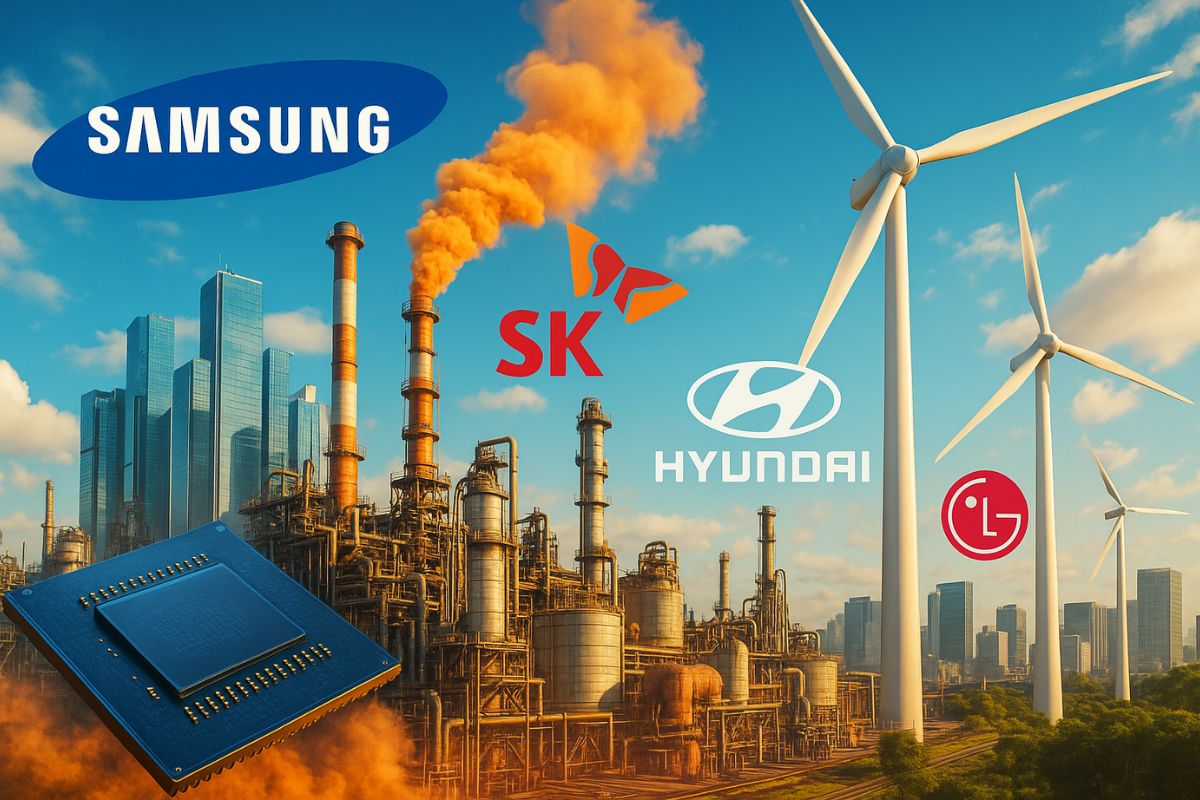
After Trade Agreement With The USA, Lee Jae Myung Government Articulates Industrial Offensive With Samsung, SK, Hyundai, and LG to Keep Jobs, Technology, and Capital in South Korea in Sectors Like AI, Chips, Energy, and Advanced Manufacturing.
The Republic of Korea decided to react to the risk of excessive migration of capital, technology, and jobs abroad. In a meeting with President Lee Jae Myung, four of the country’s largest conglomerates—Samsung, SK, Hyundai, and LG—promised to invest the equivalent of US$ 550 billion within South Korean territory in the coming years, in an offensive that combines geopolitics, cutting-edge technology, and industrial policy.
The package follows a trade agreement with the United States, under which the Republic of Korea had already committed to directing about US$ 350 billion to strategic industries on American soil. In light of internal concerns regarding low domestic investment and pressure on the currency, the government decided to activate its national champions and ask them to reinforce projects at home, in areas such as artificial intelligence, semiconductors, energy, and biotechnology.
How Much Each Conglomerate Will Invest in South Korea
In the meeting with the president, the groups detailed specific plans for the Republic of Korea. Samsung’s affiliates announced that they will invest 450 trillion won, around US$ 309.5 billion, in AI infrastructure, research and development, and other technological fronts over the next five years.
-
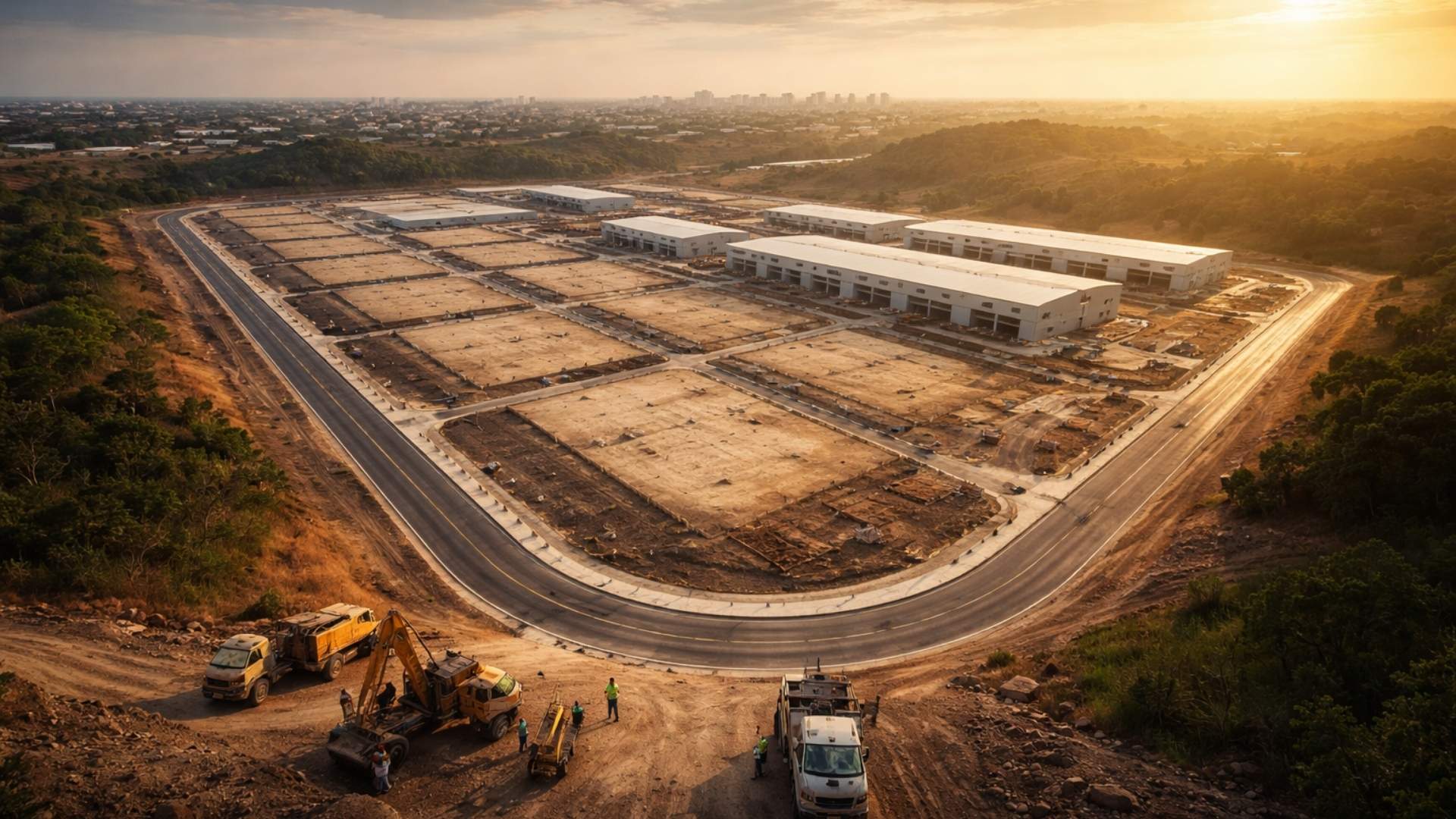
Brazilian city gains industrial hub for 85 companies that is equivalent to 55 football fields.

-
Peugeot and Citroën factory in Argentina cuts production by half and opens a layoff program for more than 2,000 employees after Brazil drastically reduced purchases of Argentine vehicles.

-
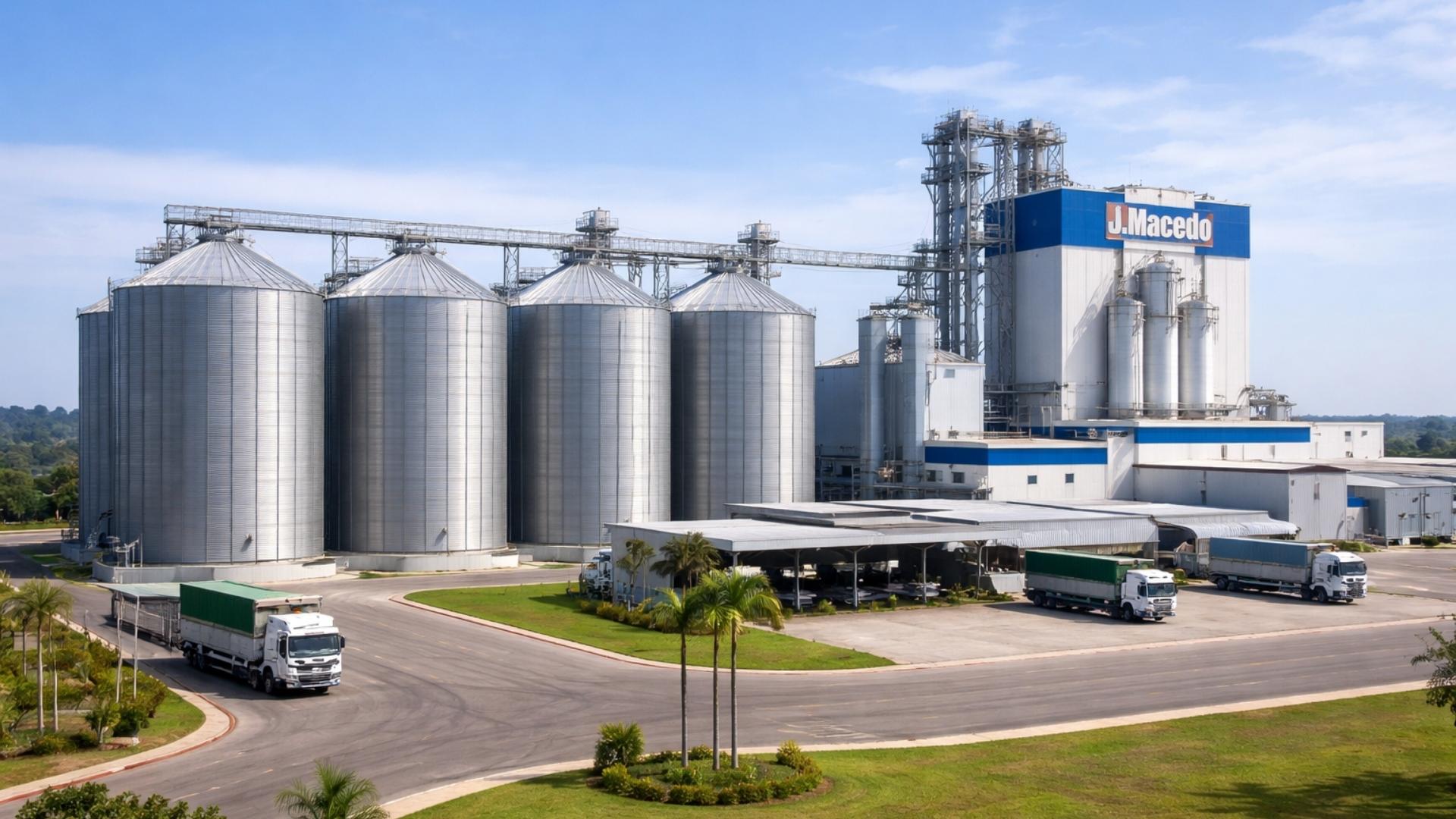
A Brazilian city gains a factory worth R$ 300 million with the capacity to process 200 thousand tons of wheat per year, a mill of 660 tons/day, silos for 42 thousand tons, and an industrial area of 276 thousand m².
-
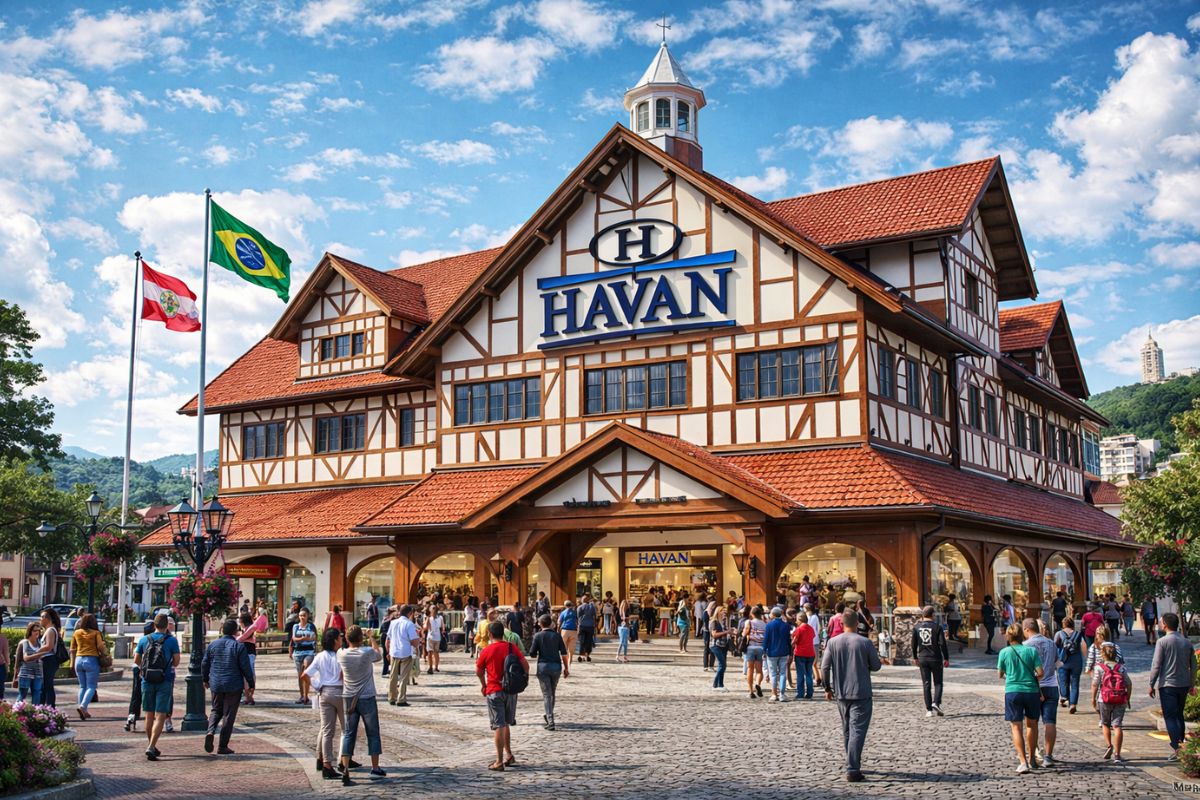
Havan will leave the shopping mall in Blumenau to inaugurate something that the chain has never done before: a megastore in half-timbered style in the Historic Center of the city, which is expected to be completed in May and change the landscape of local retail.

The Hyundai Motor Group promised 125.2 trillion won during the same period, in a package that is expected to involve mobility, electrification, automotive parts supply chain, and technological transition of the automotive sector.
SK Group, in turn, reiterated plans to inject 128 trillion won into AI, chips, energy, and biotechnology by 2028, reinforcing its central role in the semiconductor industry and new energy vectors.
Meanwhile, LG Group reaffirmed investments of 100 trillion won, primarily focused on materials, parts, and equipment between 2024 and 2028.
Together, these programs create a kind of “second layer” of the agreement with the USA: while part of the capital goes to strategic projects abroad, an equally robust slice is committed to strengthening the productive base in the Republic of Korea.
Agreement With The USA and the Risk of Domestic Emptying
The movement of the conglomerates does not happen in a vacuum. Before this round of announcements, the Republic of Korea had agreed to direct approximately US$ 350 billion to industries considered strategic in the United States, as part of a trade agreement shaped within the context of global technological dispute and reconfiguration of supply chains.
This external commitment raised alarms in Seoul regarding two main points: the risk of a drop in domestic investment and the additional pressure on the South Korean currency.
If large groups shift too many resources abroad, the ability to generate skilled jobs, maintain R&D centers, and sustain a competitive industrial base within the Republic of Korea may be compromised in the medium term.
The US$ 550 billion package announced now acts as a counterweight to this concern.
Lee Jae Myung’s Role in Coordination With The Chaebols
At the center of the articulation is President Lee Jae Myung, who met with business leaders such as Jay Y Lee from Samsung, Euisun Chung from Hyundai Motor, Koo Kwang Mo from LG Group, and Chey Tae Won from SK Group.
The political message was clear: it is essential to increase domestic investments and anchor the next phase of growth within the Republic of Korea.
Lee did not limit himself to asking for collaboration. He also signaled that the government is willing to offer new forms of support, such as the purchase of subordinated bonds issued by the companies or taking first-loss positions in certain projects.
In simple terms, the state is willing to absorb part of the initial financial risk, creating space for conglomerates to invest more heavily in long-term projects within South Korean territory.
AI, Chips, Energy, and Biotechnology at the Center of The Strategy
The sectors prioritized by the investment plans reveal the future project of the Republic of Korea. The list includes artificial intelligence, semiconductors, energy, and biotechnology, as well as advanced materials and equipment.
Samsung and SK Group, with a strong history in chips and technology, aim for capacity expansion and AI infrastructure, essential to remain competitive in a landscape where data, processing, and advanced language models gain weight in the global economy.
Hyundai and LG, in turn, connect the industrial agenda to electric mobility, batteries, high-tech components, and supply chains associated with the energy transition.
The bet is that, with this mass of capital anchored on domestic soil, the Republic of Korea will not only maintain its position in semiconductors and manufacturing but also gain traction in new niches of AI, clean energy, and advanced health.
Domestic Economy, Currency, and High-Skilled Jobs
The announcements are also a response to the challenge of preserving the resilience of the domestic economy. In a global environment of fierce competition for investment and high-tech factories, the Republic of Korea needs to avoid a combination of external incentives and internal costs leading to the silent migration of projects to other countries.
By encouraging Samsung, SK, Hyundai, and LG to strengthen their bases in the Republic of Korea, the government seeks to:
- Maintain high-skilled jobs associated with R&D, engineering, and industrial operation
- Reduce vulnerability of the currency by ensuring a significant flow of domestic investments
- Strengthen local productive chains, from suppliers of materials and parts to specialized services
This type of agenda is not resolved in a single announcement, but creates a signal that there is coordination between the state and large groups to shield the country from external shocks and global reorganization of productive chains.
Government as a Risk Buffer in Strategic Projects
A relevant point of Lee Jae Myung’s speech was the proposal for the Republic of Korea government to use financial instruments to enable projects with higher risks or longer returns.
By mentioning the possibility of buying subordinated bonds or taking first-loss positions, the president signals that the state can enter the capital base of certain investments, absorbing part of the initial risk.
In practice, this allows conglomerates to invest in more experimental initiatives or in critical infrastructure for AI, chips, and energy, knowing that they are not alone in bearing the worst loss scenario.
The logic is similar to industrial policy models in other countries, where the public sector acts as a partner in projects deemed strategic for technological and industrial sovereignty.
Republic of Korea as a Laboratory for 21st Century Industrial Policy
The way the Republic of Korea is redesigning its industrial policy helps understand broader trends of the 21st century. The country combines:
- Geopolitical pressure, with the need to align with partners like the USA
- Dependence on global supply chains in semiconductors and energy
- The presence of large national conglomerates with high investment capacity
By tying billion-dollar commitments from Samsung, SK, Hyundai, and LG to the domestic agenda, the government tries to transform the Republic of Korea into a laboratory of how to maintain external competitiveness without hollowing out the internal base.
It is a delicate balance: too much alignment outward can weaken the country internally; excessive focus inward can reduce its relevance in the global game.
In the end, the question left for public debate is straightforward: do you think the Republic of Korea is right to ask for more domestic investment from its giants in AI, chips, energy, and industry, or should the focus be even greater on international expansion and agreements with countries like the United States?







-

Uma pessoa reagiu a isso.