





 Portuguese
  English
  Spanish
  4 min of reading


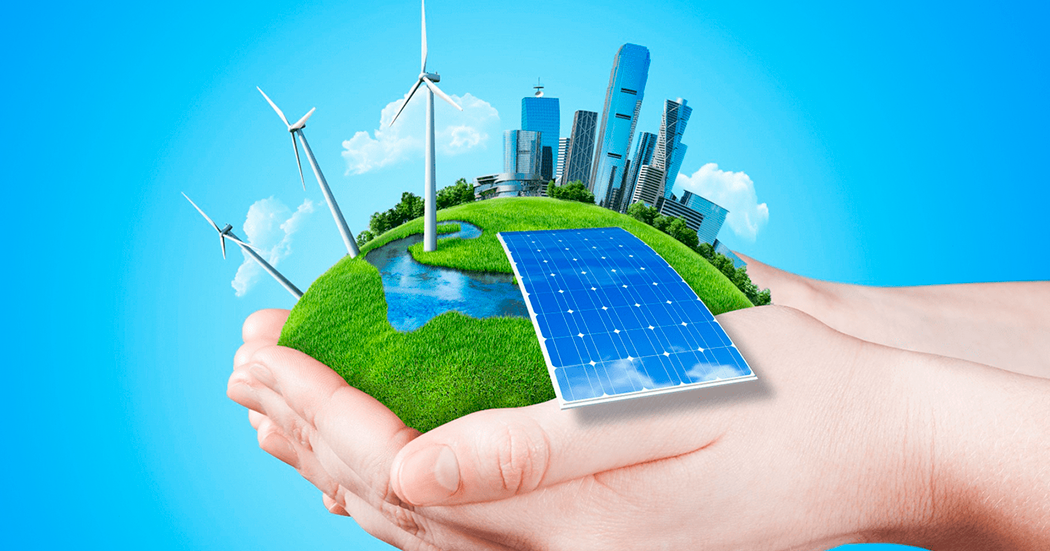
Distributed Generation Reached the Mark of 1 GW in the State, Driven by Solar Energy Installation, Which Exploded in the Last 14 Months.
This Friday, the state of São Paulo reached an interesting metric. The state achieved the mark of 1 GW installed of distributed energy. In this sense, solar energy has been largely responsible for the growth, with an increase in the installation of solar panels before the approval of the so-called “sun tax” and thanks to the increase in electricity prices in recent months.
- Agenda for the Solar Energy Capture Tax Sent to the Senate Will Probably Be Withdrawn, According to Senator.
Researchers Develop New Solar Energy Technology That Enables the Production of More Efficient and Durable Photovoltaic Panels
Brazil Is a Leader in Distributed Wind Energy Generation in Latin America
Installation companies celebrate and take advantage of the growth. According to the Brazilian Association of Distributed Generation (ABGD), 98% of São Paulo municipalities have at least one distributed generation installation. All other data presented here are part of the same report, showing the profile of distributed energy in the state.
What Is the Profile of Distributed Generation in the State of São Paulo?
Among the various cities in the capital – São Paulo, Campinas, and Ribeirão Preto stand out in distributed energy generation, with a good portion of the installations.
-
Renewable energy advances over protected areas in Brazil, and a survey by the Energy Transition Observatory reveals silent impacts that challenge environmental conservation and pressure sensitive traditional territories.

-
Rio Grande do Sul accelerates energy transition: State invests in renewable technologies and consolidates decarbonization strategies and pathways to attract billions in new industrial investments.

-
With 160,000 m² of collectors, an area larger than 20 football fields, Silkeborg, in Denmark, hosts a solar thermal plant that heats 19,500 homes and could become the largest solar heating plant in the world.

-
A study reveals the expansion of renewable energy procurement in Brazil and shows how companies are taking advantage of opportunities to reduce expenses, ensure energy efficiency, and strengthen strategic environmental commitments.


As already mentioned, distributed energy installations are predominantly residential (491 MW). After that, we have commercial installations (342 MW), followed by industrial installations (89 MW) and rural installations (70 MW).


The distributed energy matrix in the state is basically composed of solar energy installations (98%), followed by mini and micro thermal power plants (1.01%) and hydroelectric units (0.37%), which have been installed in industrial environments.
A large portion of thermal installations is installed by companies that, in some way, produce the fuel for the thermal power plant in their own activities.
In this sense, it is important to highlight the role of the fish farming and paper and pulp production industries, which use wood chips and other production residues as green fuel for thermal energy generation, since the carbon resulting from the burning of these debris is only equivalent to what trees absorbed from the atmosphere, which is called “zero carbon”.
One of the goals for the future of the association is to increase the variety of generation matrices, including biomass and urban solid waste thermal plants.
The Explosion of Distributed Generation and “The Gold Rush” for Solar Generation.
Another interesting piece of data presented shows the explosion of distributed generation in the last 14 months. In the state of São Paulo, the first distributed energy installation was in August 2013, and from that date until 2020, there was the installation of 500MW. The other 500 MW were installed in just 14 months.
According to the president of ABGD, Carlos Evangelista, “There is a justified gold rush, especially in solar energy. The progress of the Legal Framework for Distributed Generation and the rise in electricity costs justify the search for mini-generation and micro-generation.” In other words, the difficulties created by the water crisis and the constant increase in the electricity bill, combined with the possibility of a tax on distributed energy (nicknamed the sun tax, currently in the Senate), have caused the market to explode.
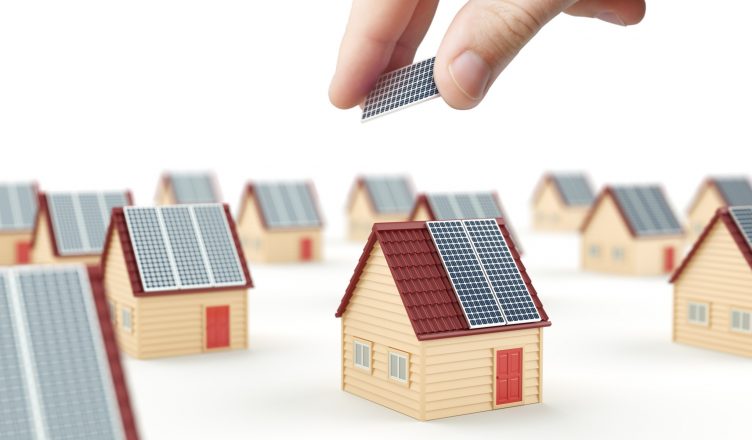
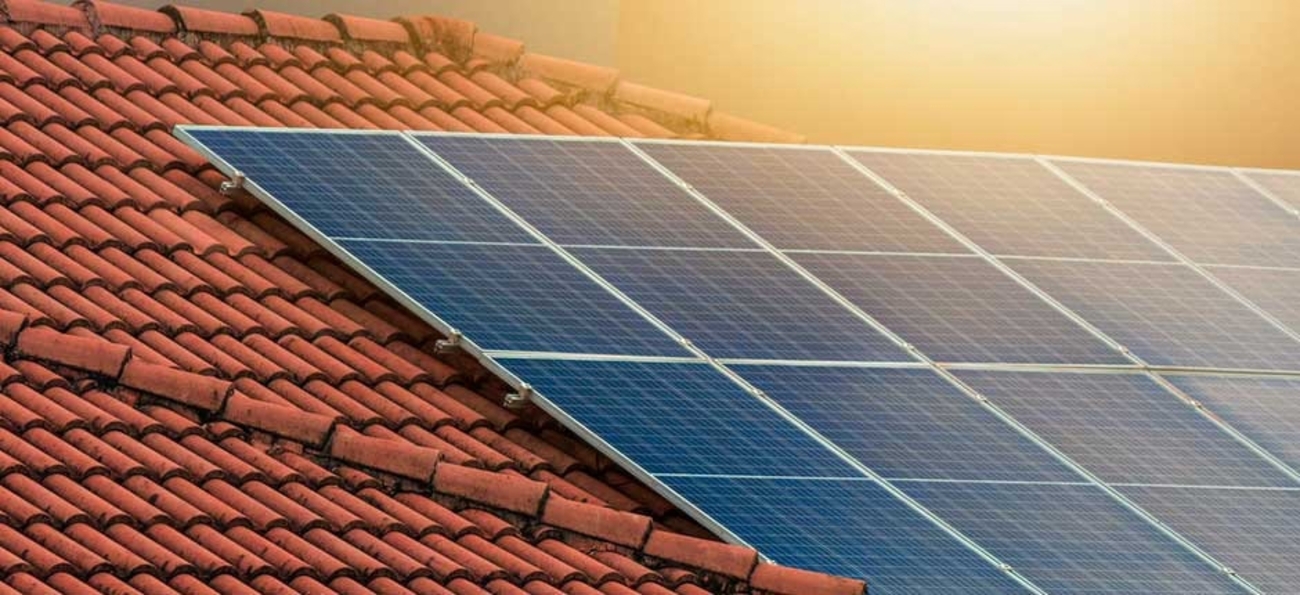
Solar energy has been absorbing this interest, especially because it is a fully adaptable project for residential micro-generation. Solar panels can be placed on the roof, and the installation involves fewer complications than other options.
Is It Worth Installing Solar Energy?
According to experts, the distributed generation of solar energy is an excellent cost-benefit. It can reduce the electricity bill by up to 95%, according to information from Portal Solar.
The buyback (the moment when the savings generated by the installation of solar panels offset the investment made in the installation) occurs between 4 and 6 years, and generally, the installation operates without maintenance for over 10 years.
The cost remains the biggest obstacle to the popularization of solar energy, as installation prices often exceed R$10,000, but solar energy installation companies are already working on ways to facilitate payment for the installation.









Seja o primeiro a reagir!