





 English
  Francês
  Alemão
  Italiano
  Japonês
  Norueguês
  Portuguese
  Spanish
 5 min of reading
  0 comments


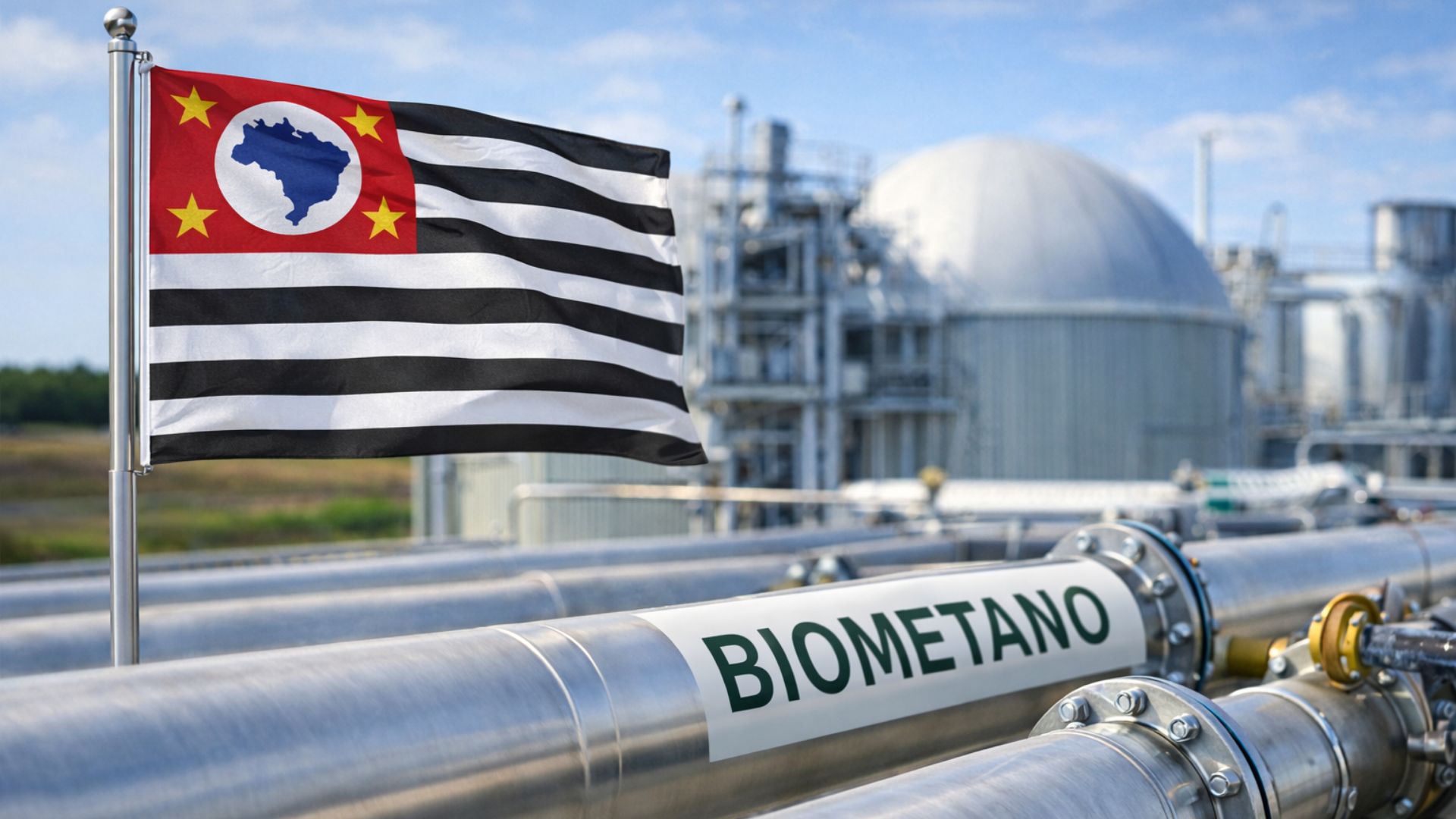
The Advancement of Biogas in the Interior of São Paulo Boosts Clean Energy, Strengthens the Energy Transition, Reduces Emissions, and Transforms Waste into Sustainable Economic Development
The State of São Paulo enhances the advancement of biogas as one of the strategic axes of clean energy and the energy transition, focusing on the interior of São Paulo, the valorization of waste, and the strengthening of sustainable regional development.
The state strategy gained prominence after the visit of the Secretary of Environment, Infrastructure, and Logistics (Semil), Natália Resende, to the Santa Cruz plant, part of the São Martinho Group, in Américo Brasiliense, as well as meetings with business leaders and political leaders in Ribeirão Preto.
According to a publication made by Semil on December 22, 2025, the agendas reinforced the commitment of the state government to increase the production and integration of biogas into the natural gas network, accelerating the energy transition and reducing greenhouse gas emissions.
-
The Economist states that Brazil has a “secret weapon” against expensive oil and highlights how the country can reduce economic impacts even in international scenarios of high volatility.
-
Brazil accelerates decarbonization in the South: International forum in Foz do Iguaçu gathers leaders to discuss the advancement of biomethane in the energy matrix and the potential of “caipira pre-salt.”
-
As diesel prices soar due to conflicts in the Middle East, a Brazilian city decides to test a little-known biofuel that promises to completely replace fossil fuel without adaptation and could change the future of energy in the country.
-
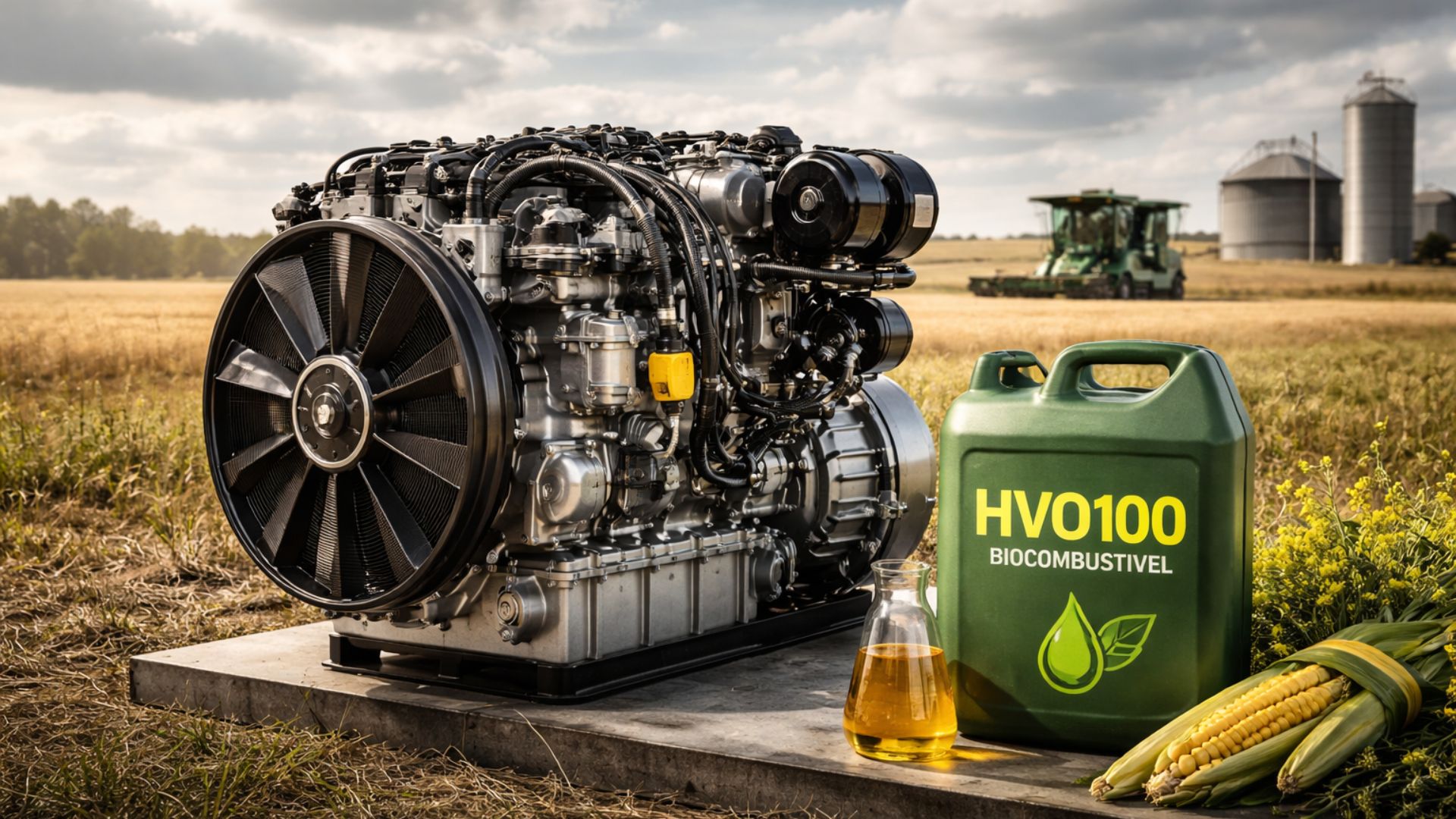
Innovation with biofuel engines transforms agribusiness by replacing diesel without the need for major adaptations, ensuring energy efficiency and helping to reduce dependence on oil.
Biogas in the Interior of São Paulo as a Driver of the Energy Transition
The production of biogas from agro-industrial waste is consistently advancing in the interior of São Paulo, becoming one of the pillars of the state policy for energy transition. An emblematic example is the Santa Cruz plant, part of the São Martinho Group, which converts vinasse — a residue from ethanol production from sugarcane — into renewable fuel.
In operation since October 2025, the facility has the capacity to produce about 15 million cubic meters of biogas per harvest, equivalent to approximately 70 thousand cubic meters per day. Part of the biodigested waste returns to the sugarcane fields as organic fertilizer, reinforcing the principles of the circular economy and reducing environmental impacts.
Clean Energy and Emission Reduction with Regional Impact
According to Agenor Cunha Pavan, Vice President and Agro-Industrial Superintendent of São Martinho, the volume of biogas produced at the Santa Cruz plant can avoid the emission of up to 32 thousand tons equivalent of greenhouse gases per year. This result highlights the role of renewable fuel in the energy transition and in mitigating climate change.
The biogas is already connected to the gas distribution system via pipeline, serving Ribeirão Preto and municipalities in northwestern São Paulo through Necta Natural Gas. This integration demonstrates how clean energy can be incorporated into the existing infrastructure, enhancing scale and efficiency without major additional construction.
São Paulo Expands Installed Capacity of Biogas and Clean Energy
During the technical visit, Secretary Natália Resende highlighted that São Paulo already stands out in the national landscape with 500 thousand cubic meters of biogas per day in installed capacity, distributed across eight authorized plants. The expectation of the state government is to reach 700 thousand cubic meters daily by the end of 2026, with seven more units in the process of starting production.
According to the secretary, biogas represents a source of clean energy, with the potential to accelerate the energy transition, reduce emissions, and boost economic development in the interior of São Paulo.
Regional Development Boosted by the Energy Transition
The expansion of biogas also generates positive impacts on the regional economy. Decentralized production strengthens local productive chains, attracts private investments, and generates direct and indirect jobs in the interior of São Paulo.
This model of energy transition values agro-industrial waste, reduces operational costs, and creates new sources of revenue for the productive sector. At the same time, it promotes greater energy security and expands access to clean energy in regions outside major urban centers. Renewable energy produced in the interior transforms environmental challenges into economic opportunities.
Integration of Biogas into the Gas Infrastructure in São Paulo
Following the official agenda, the secretary visited the headquarters of Necta Natural Gas in Ribeirão Preto, where she participated in meetings with entrepreneurs and parliamentarians. Projects aimed at decarbonization were presented, highlighting the interconnection of biogas plants and initiatives directed towards heavy vehicle logistics.
Necta presented its investment plan for northwestern São Paulo, covering municipalities such as São José do Rio Preto, Presidente Prudente, and Ribeirão Preto. The proposal is to consolidate these hubs as regional references in clean energy, aligning sustainable mobility, gas infrastructure, and energy transition.
According to the company’s CEO, José Eduardo Moreira, the strategy is in total alignment with the energy plan of São Paulo, expanding access to biogas as a renewable, safe, and competitive source.
São Paulo Leads Pioneering Biogas Projects in Brazil
The prominence of São Paulo in the biogas sector is reinforced by pioneering initiatives. In 2025, Presidente Prudente became the first Brazilian municipality fully supplied with biogas, produced by the Cocal Plant and marketed by Necta Natural Gas, from an investment of R$ 12 million.
Another highlight is Paulínia, which houses the largest biogas production plant in Brazil from urban solid waste. The enterprise receives waste from 35 municipalities in the Campinas region and had an investment of R$ 450 million from Edge, a company in the Cosan Group.
The project strengthens the convergence between clean energy, waste management, and energy transition. São Paulo is building an integrated ecosystem of biogas, waste, and energy innovation.
Circular Economy and Clean Energy with the Integra Resíduos Program
These initiatives are part of a broader strategy for waste valorization through the Integra Resíduos program. The public policy promotes the regionalization of solid waste disposal, focusing on energy utilization and the generation of new products.
Currently, 344 municipalities participate in the program, expanding the scale of clean energy and creating structural conditions for the advancement of biogas in different regions of the state. The model strengthens the energy transition, reduces reliance on fossil fuels, and improves the environmental efficiency of waste management.
The Role of Biogas in the Energy Future of São Paulo
The set of public policies, private investments, and technological innovation has consolidated an energy matrix in which São Paulo already presents 59% of renewable sources, while the electric matrix reaches 96%, one of the highest rates in the world.
The expansion of biogas reinforces this scenario by diversifying the supply of clean energy, increasing energy security, and contributing effectively to climate goals. By transforming waste into renewable fuel, São Paulo accelerates the energy transition, strengthens regional development, and positions itself as a national and international reference in sustainability and a low carbon economy.









Seja o primeiro a reagir!