





 Portuguese
  English
  Spanish
  4 min of reading
  23 comments


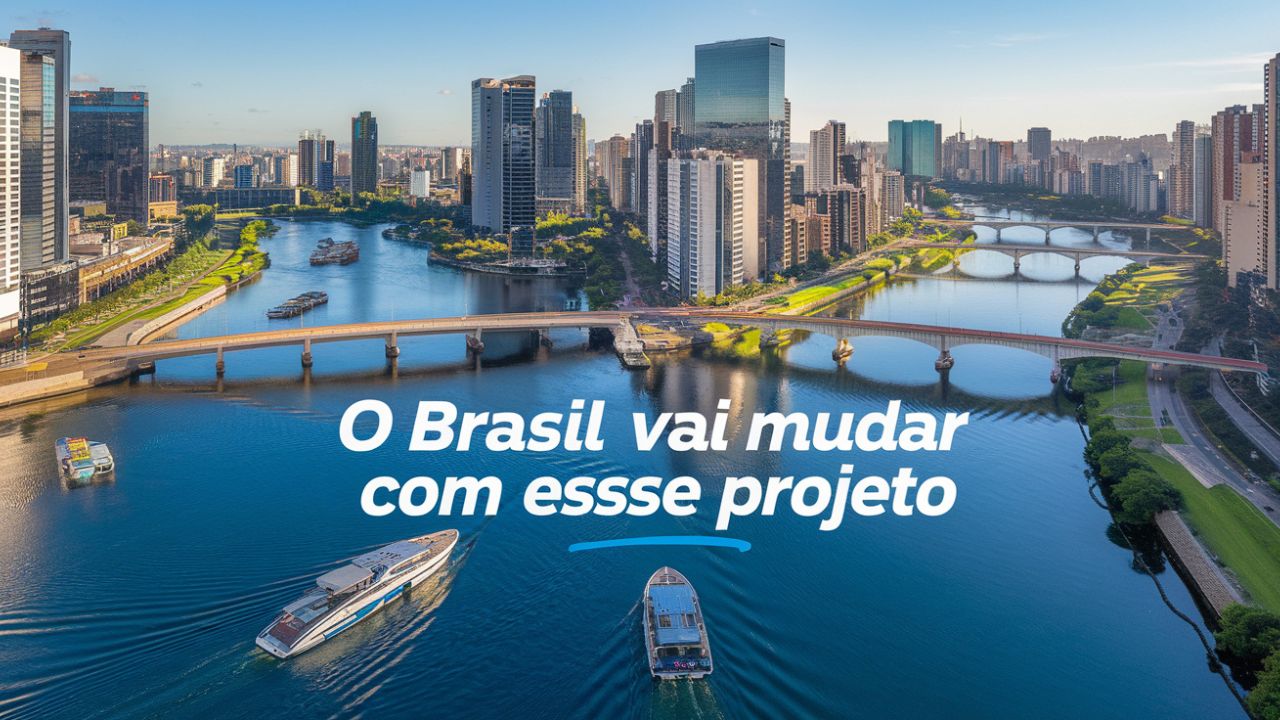


With a Billion-Dollar Investment, The Construction of 10 Urbanized Bridges and 180 km of Navigable Roads Promises to Transform the Tamanduateí River into a Sustainable Corridor, Integrating Water Transport, River Parks, and Green Technologies That Will Reduce Emissions and Improve Urban Mobility in São Paulo.
São Paulo is about to experience one of the greatest transformations in its history with the PlanHidro SP construction project. Expected to be completed by 2054, the plan aims to restore the historical role of the city’s rivers, especially the Tamanduateí River, and integrate them into urban daily life sustainably. This billion-dollar investment not only promises to improve urban mobility but also transform the relationship between São Paulo residents and their rivers, fostering a greener and more connected future.
But how can such an ambitious project change the destiny of São Paulo? An innovative idea that intends to place the city at the forefront of sustainable urban development.
A Visionary Project for 2054
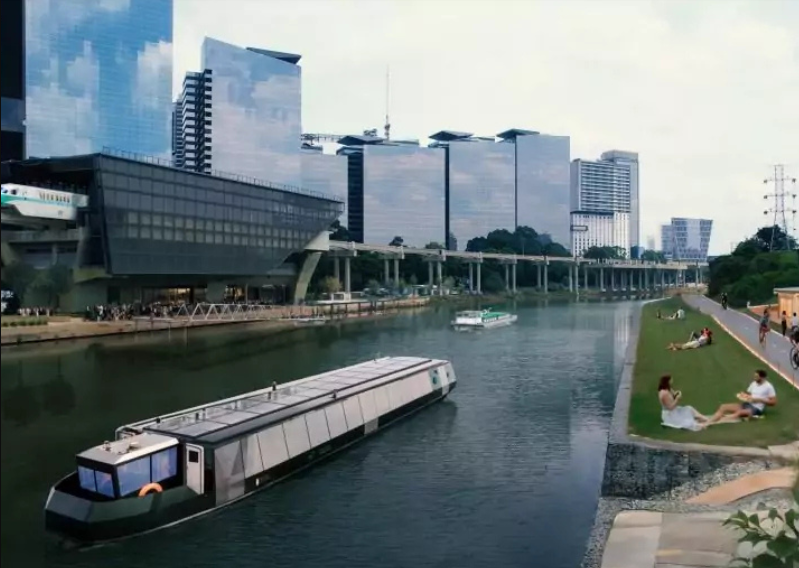
The Tamanduateí River, which was once a vital transportation route in the past, is at the center of this construction project. After decades of abandonment and pollution, the plan aims to revitalize its waters and banks, turning it into a functional and sustainable waterway corridor. In addition to restoring its historical relevance, the proposal promises to make it a symbol of progress and sustainability.
-
A megaproject worth R$ 89 billion is advancing in Iraq and promises to change the game in global trade by creating a new corridor between Asia and Europe, reducing traditional routes and repositioning the country as a logistics powerhouse.
-
Goodbye bedside table: floating shelves become a trend in 2026 by freeing up space in the bedroom, improving circulation, bringing visual lightness, and integrating technology without taking up floor space.

-
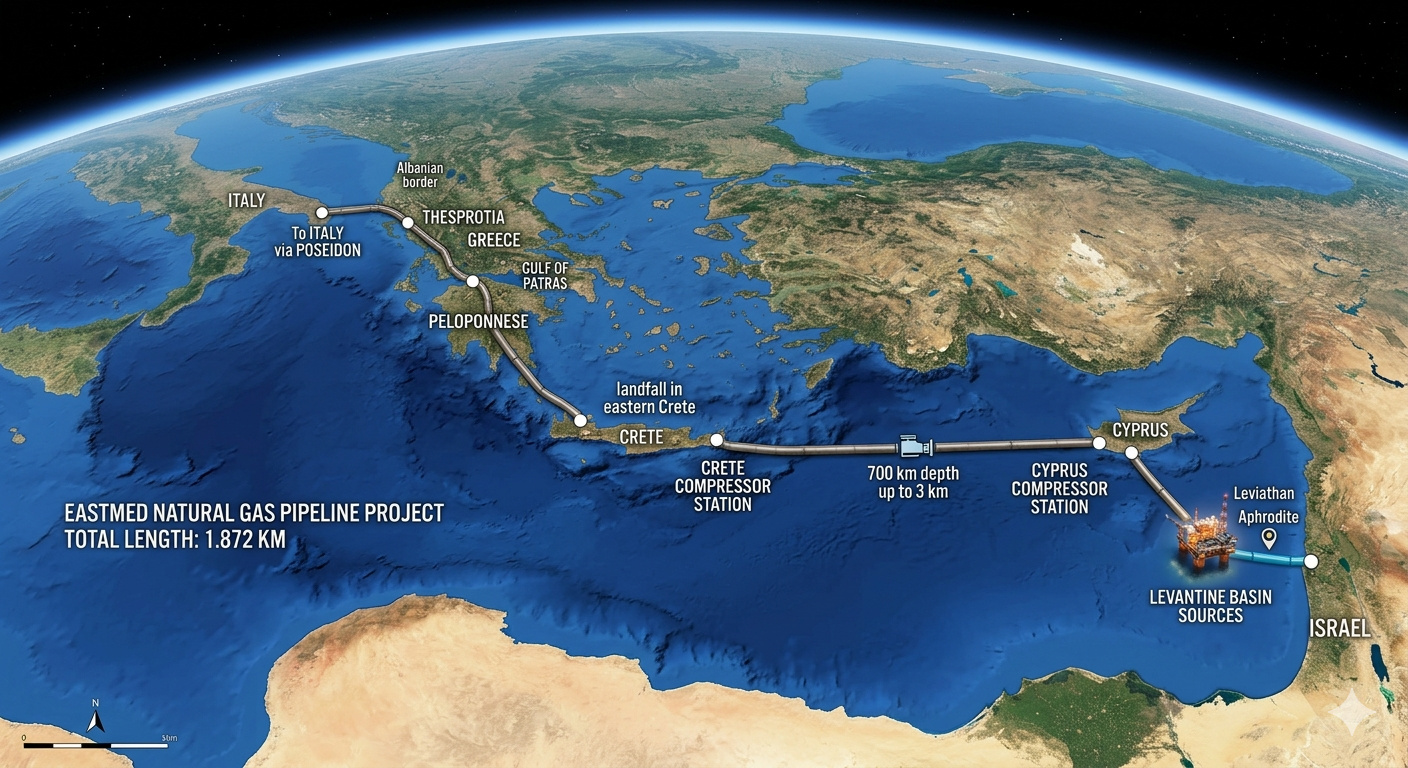
Israel, Greece, and Cyprus signed an agreement in 2020 to transport gas from the Mediterranean to Europe via a 1,872 km pipeline, but Turkey claimed sovereignty over part of the maritime route, and the project never materialized.
-
Israel, Greece, and Cyprus signed an agreement in 2020 to transport gas from the Mediterranean to Europe via a 1,872 km pipeline, but Turkey claimed sovereignty over part of the maritime route, and the project never materialized.

With the implementation of 180 km of navigable roads, São Paulo will have an intermodal transport system, connecting water transport to land and rail networks. This will not only alleviate traffic but also significantly reduce the emission of polluting gases. Imagine crossing the city in modern boats while enjoying parks and green spaces along the riverbanks!
Key Pillars of the Project: Construction of 10 Urbanized Bridges
The construction of the bridges is not just a matter of mobility, but also of aesthetics and functionality. These structures will be urbanized, connecting neighborhoods and promoting integration of the banks. They will be equipped with pedestrian walkways, bike lanes, and leisure areas.
The project is not limited to the Tamanduateí River. Rivers like the Pinheiros and the Tietê will also be integrated into the waterway network, creating a robust transportation system. To ensure efficiency, modern locks and advanced technologies, such as GPS for traffic monitoring, will be implemented.
Benefits of River Revitalization
By creating an alternative to land transport, the construction of PlanHidro SP promises to reduce the chronic congestion of São Paulo. Fewer cars on the streets means less carbon emissions, directly contributing to improved air quality.
In addition to transport, the revitalized banks will be transformed into river parks. These leisure areas, with bike lanes, squares, and cultural spaces, will promote coexistence among different communities and return to citizens a space that was once forgotten.
Comparison with Global Projects
The Korean revitalization project of Cheonggyecheon is a clear example of how river restoration can transform cities. Once polluted and covered by a highway, the river was restored, becoming a tourist attraction and a community space. São Paulo follows a similar line, but on an even larger scale.
In the United States, the San Antonio River Walk is a benchmark in the integration of transport and tourism. Its network of 24 km of revitalized rivers generates millions of dollars in tourism annually. PlanHidro SP seeks to replicate this success, but with an even greater focus on sustainability.
Sustainable Construction as a Model for Brazil
The project adopts sustainable construction practices, such as the use of solar energy in ecoports and recyclable materials in bridges and parks. This approach respects the natural environment and minimizes environmental impacts.
For the success of PlanHidro SP, collaboration among government, private companies, and citizens will be essential. Everyone will have a role in maintaining and utilizing this system, ensuring that it benefits future generations.
PlanHidro SP is not just a construction project; it is a new vision for São Paulo. It retrieves the history of the city’s rivers and places them at the center of a more sustainable future. With the revitalization of the Tamanduateí and the implementation of 180 km of navigable roads, São Paulo is showing that it is possible to integrate mobility, sustainability, and quality of life.





Desde o governo Quércia que ouço essa ladainha
Minha mãe tem 90 anos. Quando era jovenzinha, diariamente atravessava o rio Tamanduateí para ir trabalhar. Ela diz que naquela época o Rio Tamanduateí já era muito poluído. A Rhodia jogava detritos químicos no rio…
Uma tristeza ver que o Rio está morto, é um esgoto a céu aberto. Nossos rios são espelho do povo e do governo. Enquanto nos países desenvolvidos, vemos peixes e patos, aqui vemos sofás e peneus.
Minha mãe não vai viver a felicidade de ver o Tamanduateí desiludido, nem eu, mas gostei imensamente de saber que existe tal projeto.
Faço votos que saia do papel e que sirva de exemplo.
Jura? Alguém lembra do trem bala?