





 Português
  Inglês
  Espanhol
 3 min de leitura
  0 comentários


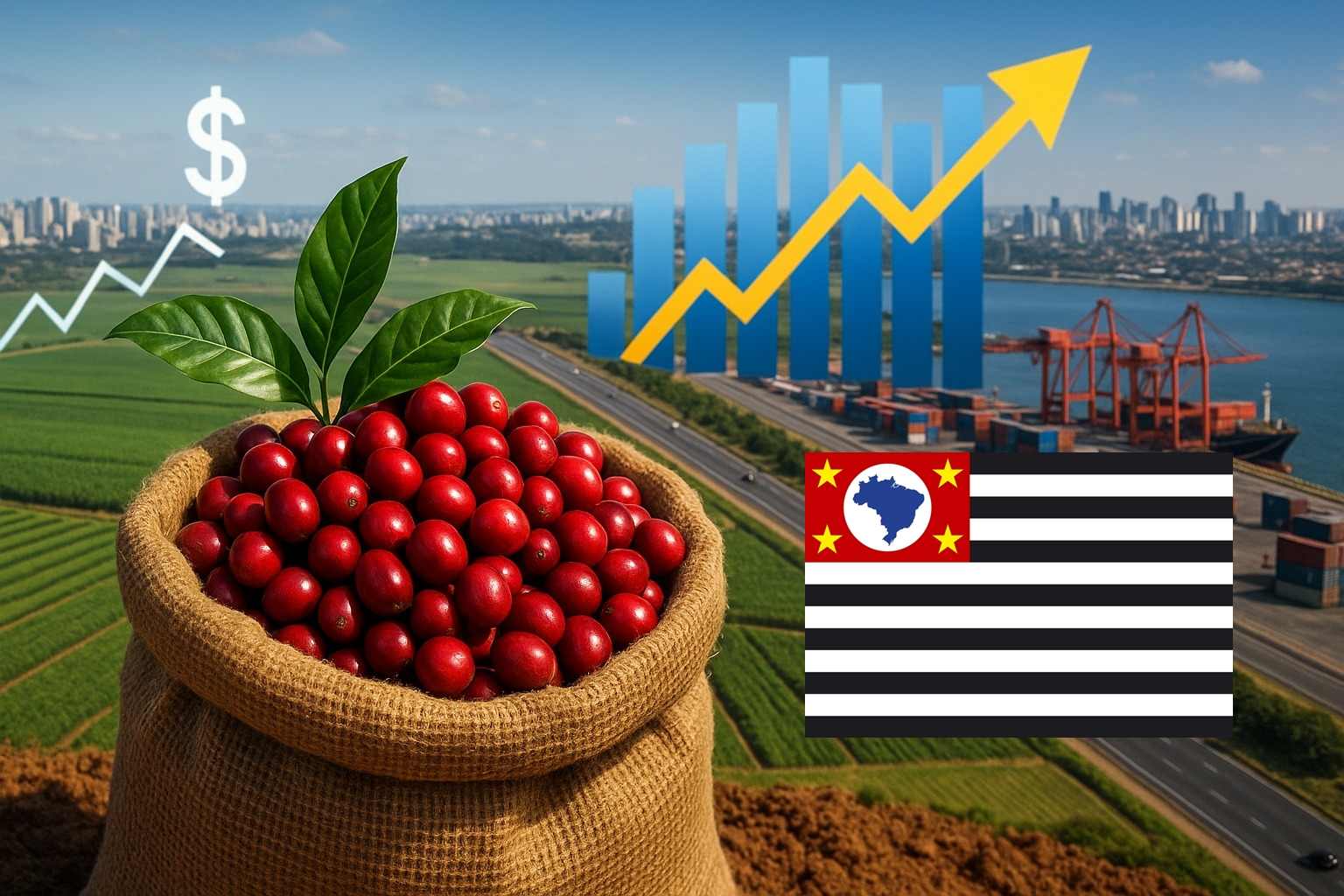
Exports of São Paulo’s Agribusiness Faced a 15.7% Decline Between July and August, But Remain Sustained by Strong Results in Strategic Segments. IEA-Apta Data Indicate That, Even with the Monthly Drop, the Sector Accumulates US$ 18.62 Billion Year-To-Date and Maintains a Surplus of US$ 14.76 Billion.
The exports of São Paulo’s agribusiness fell by 15.7% between July and August, totaling US$ 2.72 billion, according to a survey by IEA-Apta (Institute of Agricultural Economy) shared with CNN.
In the accumulated data from January to August, there was a decrease of 8.4% in external sales, which reached US$ 18.62 billion. Despite the drop, the sector maintains a surplus of US$ 14.76 billion during this period.
According to Guilherme Piai, also in an interview with CNN, the Secretary of Agriculture and Supply of São Paulo, the diversification of the state’s export agenda sustains São Paulo‘s position as the federal unit best prepared to face periods of international instability.
-
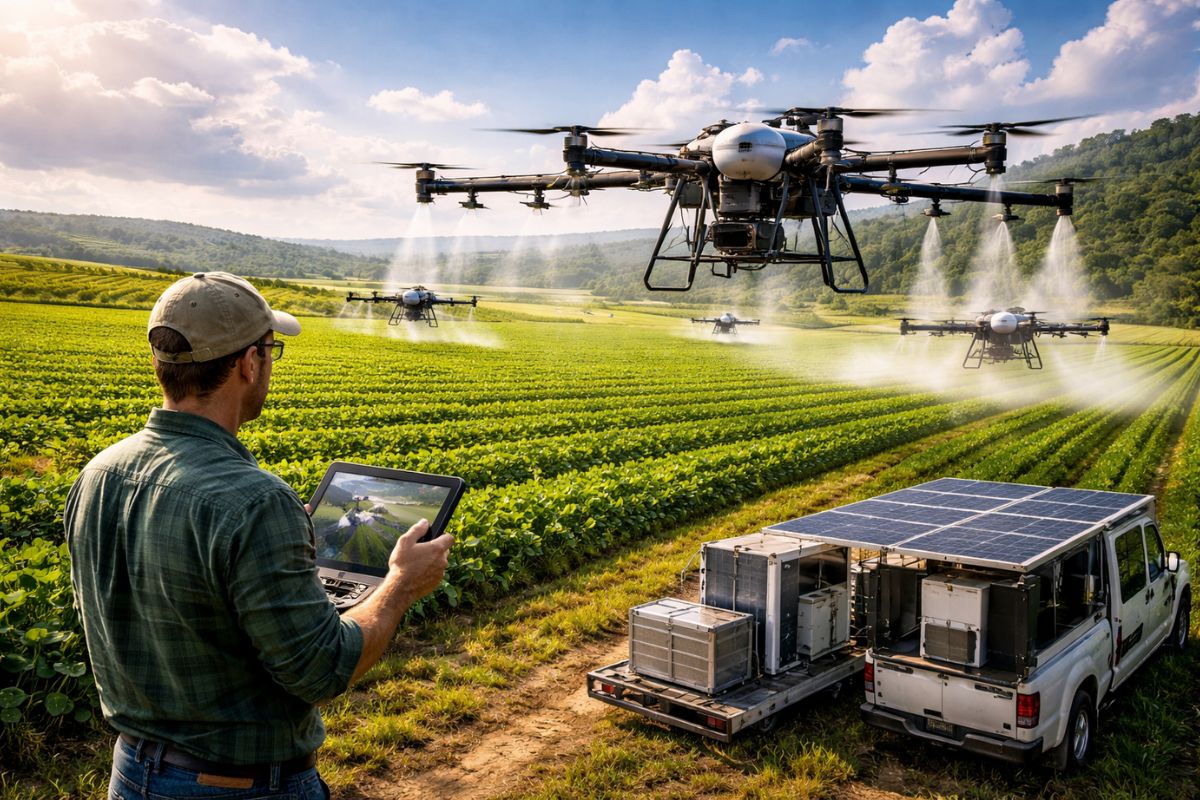
Alone, the producer applies 7,400 hectares with the T100 drone in an optimized structure, replaces the generator with a silent battery, and demonstrates how technology reduces costs, increases productivity, and even challenges the uniport in the field.
-
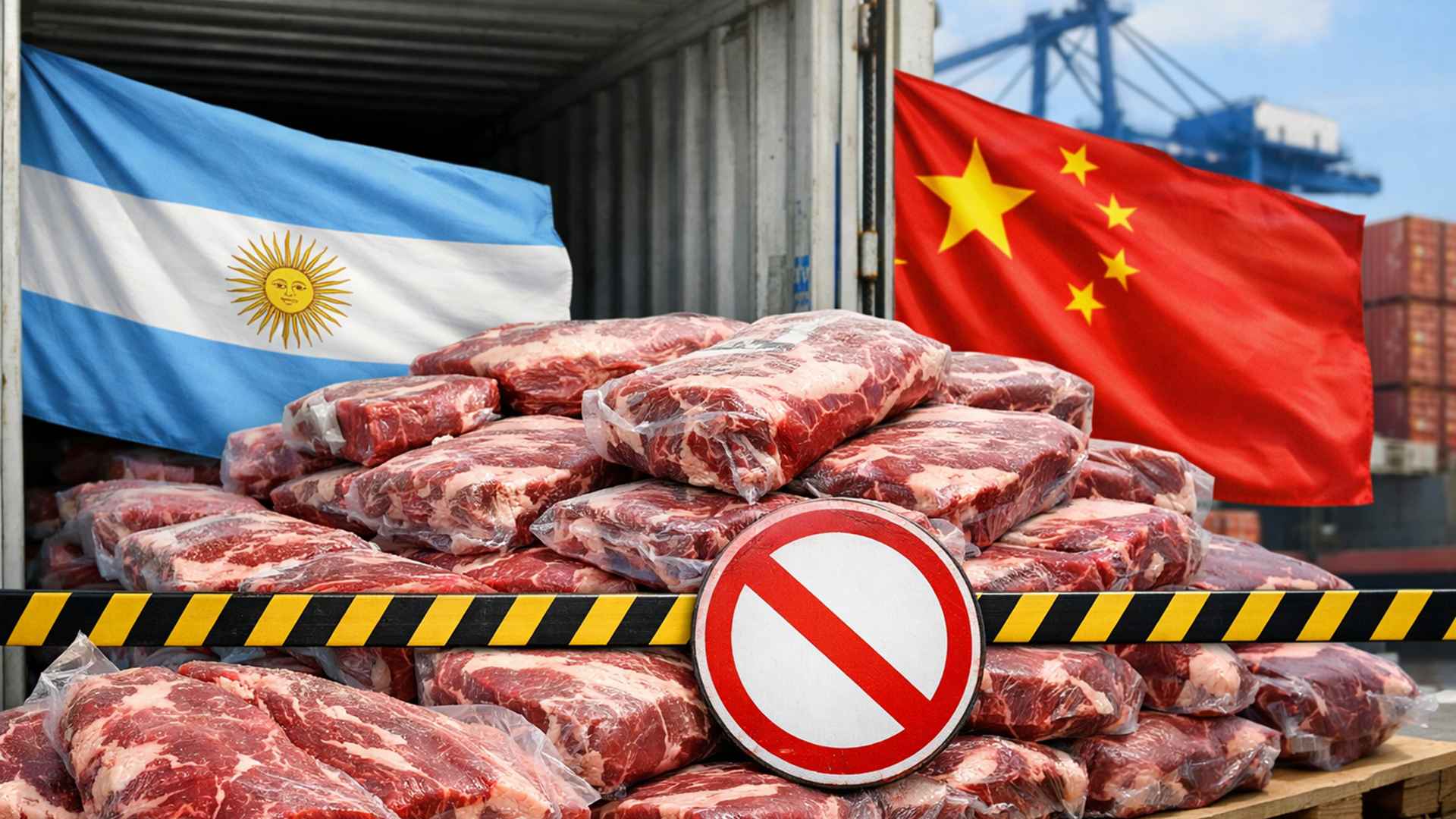
China banned the export of 22 tons of meat from Argentina.
-
JBS, founded by the Batista brothers, continues to conquer the world: entrepreneurs built a ‘factory in the desert’ creating 3,000 jobs.
-
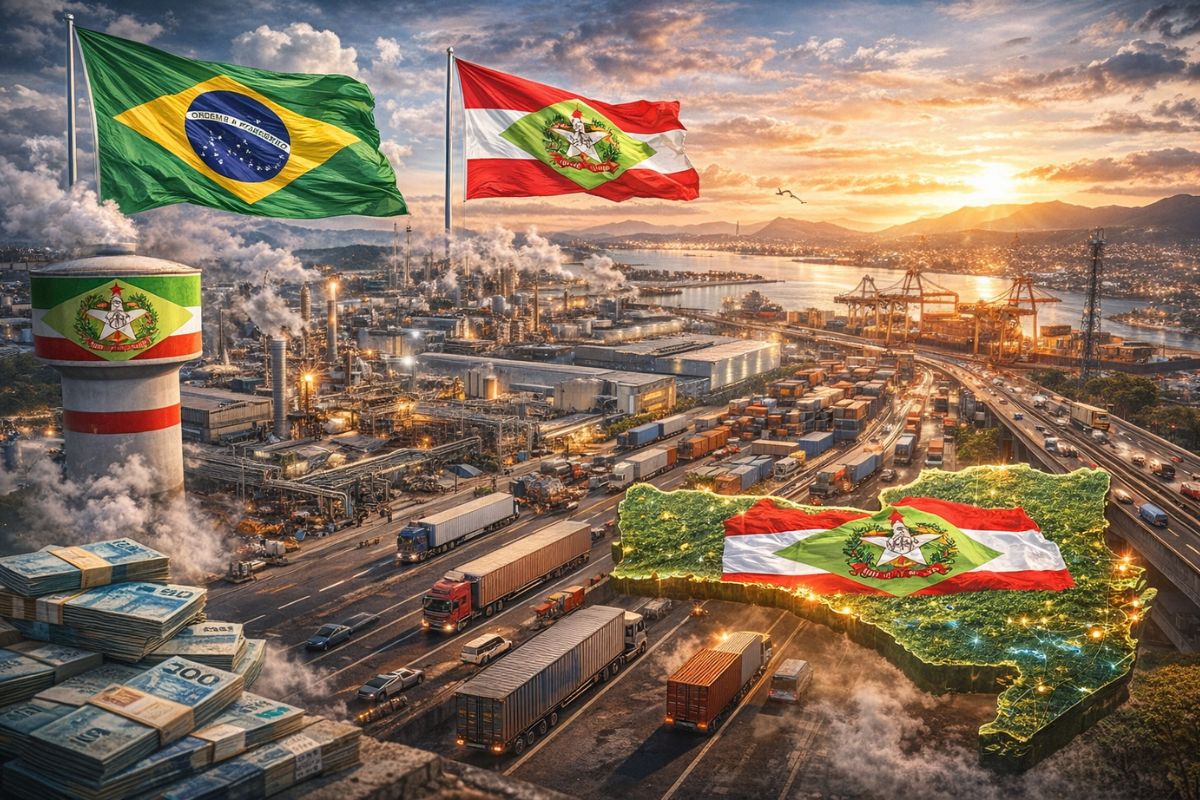
With only 1% of Brazil’s territory, Santa Catarina has built one of the most competitive industrial parks in the country, with 64,000 companies, nearly 1 million jobs, and a growth rate of 5.3% while the national industry is practically stagnant.
Coffee and Meats Boost Trade Balance Surplus
The positive performance of the São Paulo trade balance was influenced by the expansion of coffee exports, which grew by 44.5% compared to the same period the previous year, and meat sales, which increased by 27.8%.
The growth achieved in these two segments reinforces the productive resilience of the state and the capacity to generate new opportunities for São Paulo producers.
According to the Secretary, the surplus results highlight the seriousness of sector management and the robustness of the state’s agribusiness, even in the face of external shocks and fluctuations in international trade.
Limited Impact of the U.S. Tariff
The results were achieved despite the implementation of tariffs imposed by the Donald Trump administration against Brazil at the beginning of August, with a rate of 50%.
A month after the measure, the Secretary of Agriculture assesses that it is still premature to attribute concrete effects of the tariff to the exports of São Paulo’s agribusiness.
Between July and August, sales from São Paulo’s agribusiness to the United States fell by 21.9%, dropping from US$ 321 million to US$ 251 million.
The technical area of IEA-Apta considers that this decline is temporary, resulting from market adjustments and seasonality, and does not alter the growth trend observed in the year-to-date.
Growth of Exports to the North American Market
From January to August, the exports of São Paulo’s agribusiness to the United States increased by 19.5% compared to the same period the previous year, rising from US$ 2.08 billion to US$ 2.49 billion.
Technicians from the Institute emphasize that export contracts are made in advance and that there are stocks previously allocated, which tends to delay any effects of the new tariff.
The Secretary of Agriculture and Supply will continue to monitor monthly results to detect changes in trade flow and support sectors that may be impacted.
Main Products and Destinations of São Paulo’s Agribusiness
Between January and August 2025, exports from São Paulo’s agribusiness concentrated on five main groups: sugar-alcohol complex (29.3% and US$ 5.45 billion), meats (14.5% and US$ 2.69 billion), forest products (10.7% and US$ 1.98 billion), soybeans (10.5% and US$ 1.95 billion), and juices (10.3% and US$ 1.91 billion).
During the same period, the main destinations were China (24.3% share, notably soybeans, meats, sugar, and forest products), the European Union (14.3%, mainly juices, coffee, and forest products), and the United States (13.4%, with juices, meats, forest products, coffee, and items from the sugar-alcohol complex).









Seja o primeiro a reagir!