





 Portuguese
  English
  Spanish
 3 min of reading
  0 comments


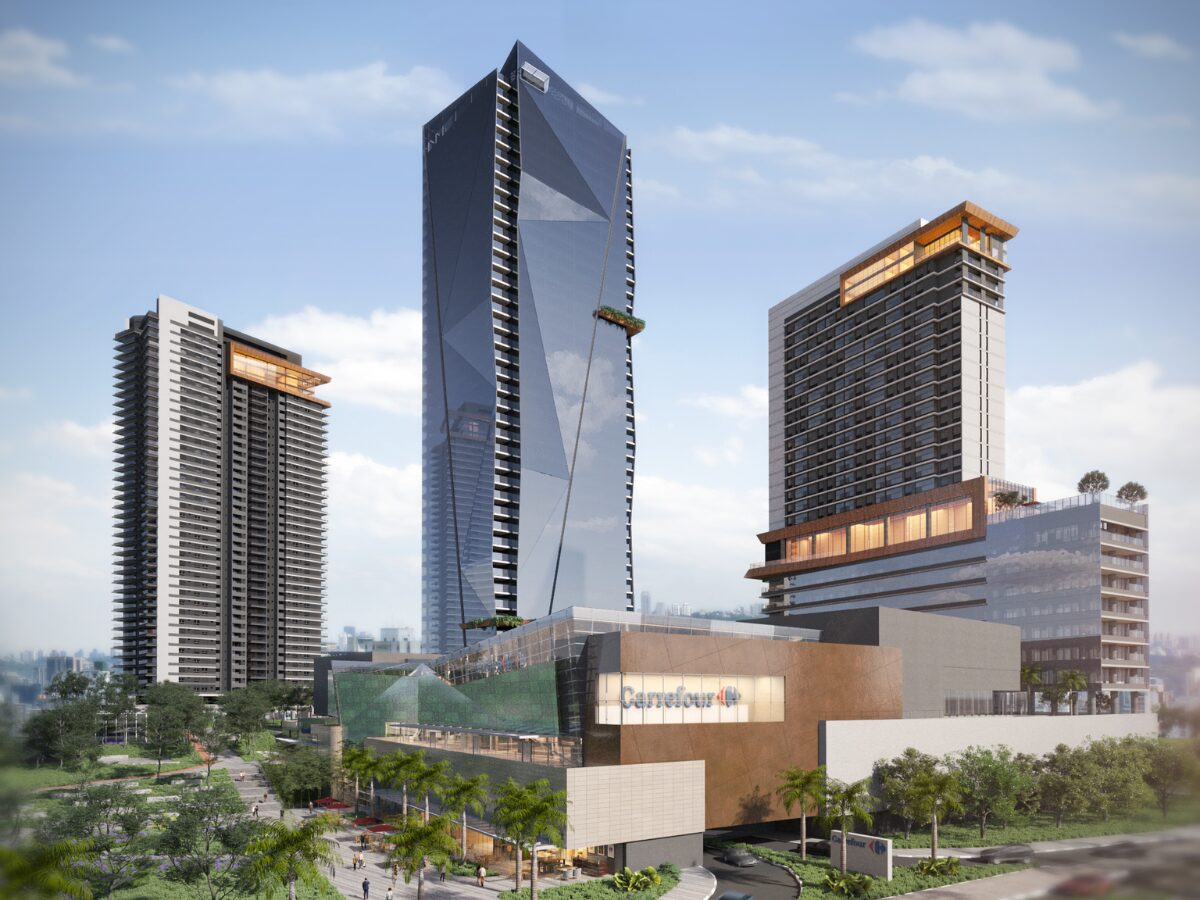
Driven by Urban Changes and the Demand for Housing in Central Regions, São Paulo is Experiencing a Boom in Construction with the Multiplication of Residential Skyscrapers.
The urban landscape of São Paulo is undergoing a remarkable transformation driven by increasing verticalization. In recent years, the city has stood out on the international stage with a significant rise in skyscrapers, reaching the 76th position in the global ranking of the Skyscraper Center, a specialized platform that monitors the tallest buildings in the world. This trend not only reshapes the cityscape but also reveals important changes in the profile of construction in the capital.
Alto das Nações Will Be the Tallest Building in São Paulo
Historically marked by commercial buildings, São Paulo has been witnessing a shift in large-scale projects.
Today, the highest developments are predominantly residential or mixed-use, combining housing, offices, and commerce in a single complex.
-
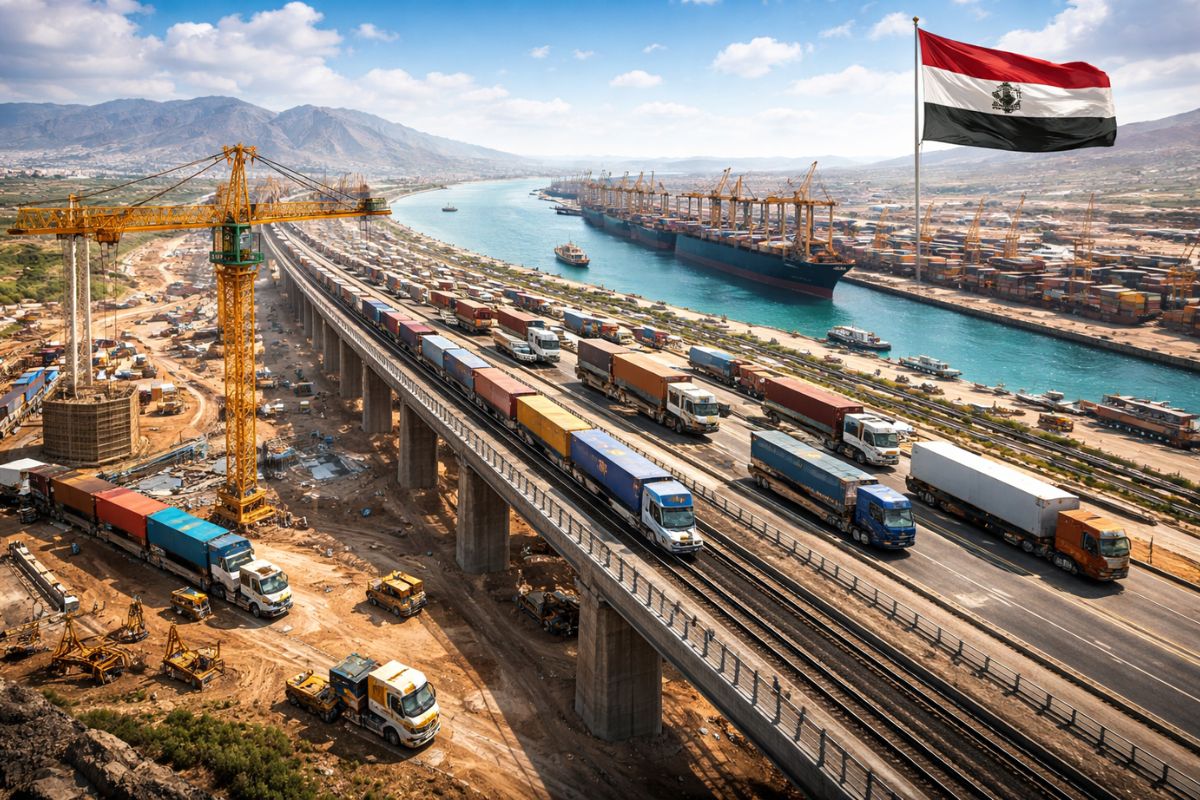
A megaproject worth R$ 89 billion is advancing in Iraq and promises to change the game in global trade by creating a new corridor between Asia and Europe, reducing traditional routes and repositioning the country as a logistics powerhouse.
-
Goodbye bedside table: floating shelves become a trend in 2026 by freeing up space in the bedroom, improving circulation, bringing visual lightness, and integrating technology without taking up floor space.

-
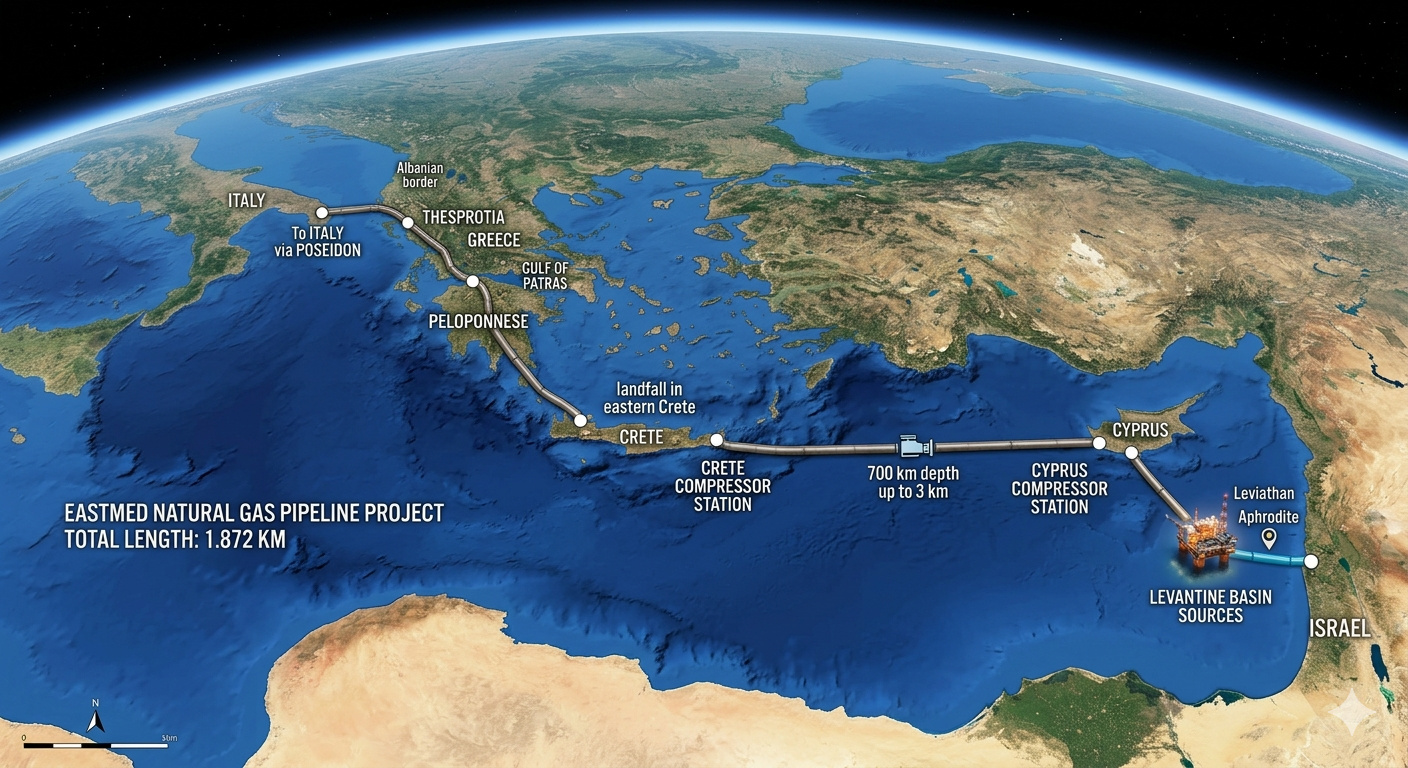
Israel, Greece, and Cyprus signed an agreement in 2020 to transport gas from the Mediterranean to Europe via a 1,872 km pipeline, but Turkey claimed sovereignty over part of the maritime route, and the project never materialized.
-
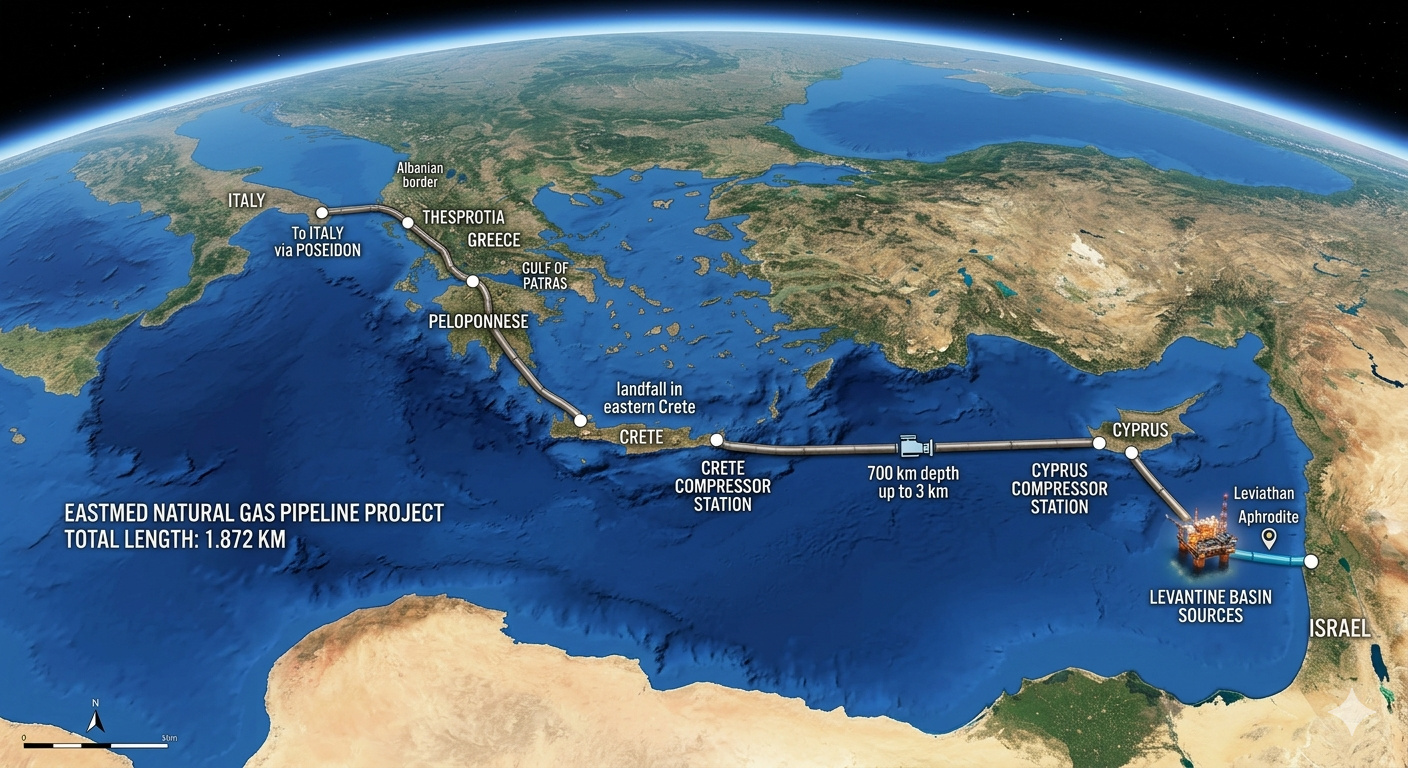
Israel, Greece, and Cyprus signed an agreement in 2020 to transport gas from the Mediterranean to Europe via a 1,872 km pipeline, but Turkey claimed sovereignty over part of the maritime route, and the project never materialized.

This change has been made possible by the relaxation of urban regulations — especially the Master Plan and the zoning review — which began to allow taller buildings in various regions of the city.
An emblematic example of this new phase of construction in São Paulo is the Alto das Nações complex, developed by WTorre. Under construction in Chácara Santo Antônio, south zone of the capital, the project will reach 219 meters in height when completed, becoming the tallest building in the city. The project site has historical significance: it is where the Carrefour Group opened its first hypermarket in Brazil in 1975.
The advancement of skyscrapers in São Paulo also reflects the growing property appreciation in central regions and the scarcity of available land.
Real estate developers have been investing in vertical projects as a way to optimize land use and meet the demand for housing in areas with already established infrastructure.
Verticalization, in this context, arises as a response to the search for more compact, connected, and self-sufficient neighborhoods — principles aligned with sustainable urbanism.
Pros and Cons of Verticalization
Despite the growth in the construction sector and the enthusiasm of the real estate market, verticalization is not universally accepted.
Urban planners and residents express concern about potential impacts on traffic, water supply, and urban infrastructure.
On the other hand, proponents argue that well-planned tall buildings help curb the horizontal expansion of the city, preserving green areas and reducing commutes.
Top 5 Tallest Buildings in São Paulo
Check out the buildings that characterize the new Paulista skyline:
- Alto das Nações — 219 meters;
- Platina 220 – 172 meters;
- Infinity Tower — 165 meters;
- Figueira Altos do Tatuapé — 152 meters;
- WTorre Morumbi — 150 meters.
With new developments underway and changes in urban policies, São Paulo is establishing itself as a reference in vertical construction in Brazil.
Source: Portal IN







-

Uma pessoa reagiu a isso.