





 Português
  Inglês
  Espanhol
  3 min de leitura
  0 comentários


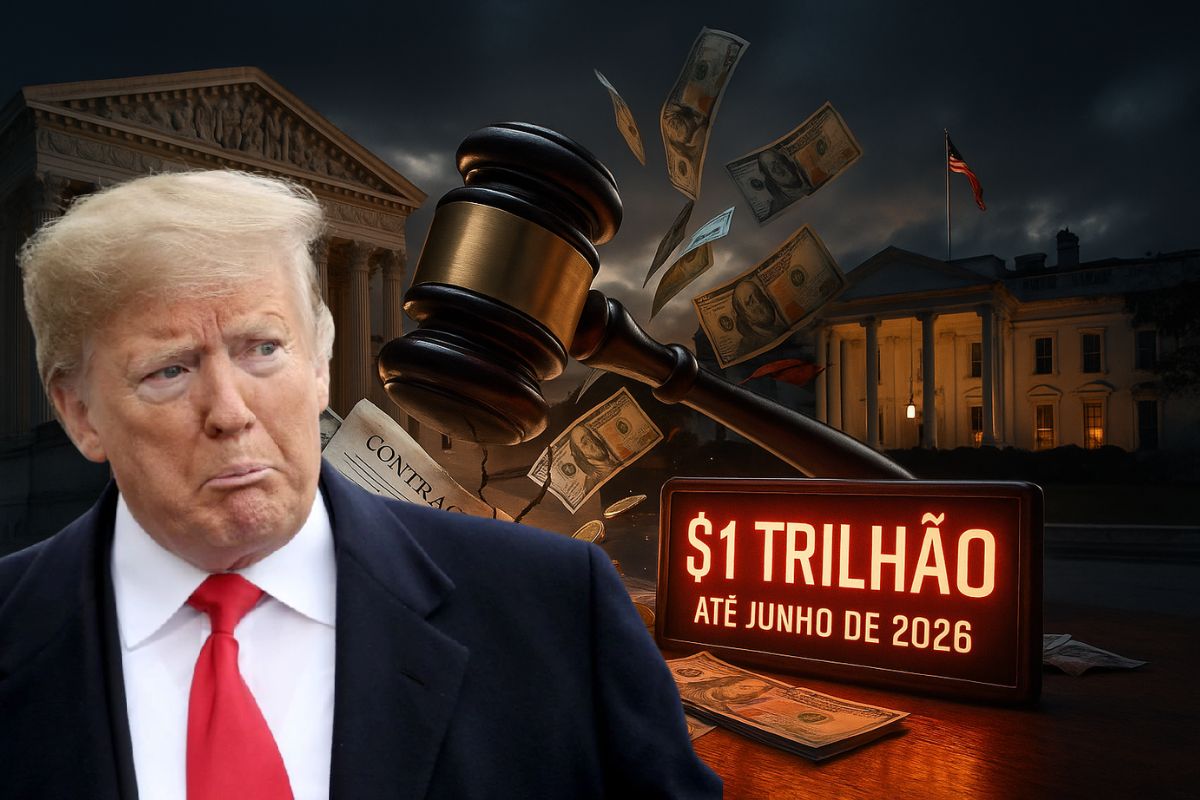
Times Brasil Reports That The U.S. Supreme Court Is Considering Overturning The Emergency Law Used To Impose Tariffs; White House Is Already Formulating A Backup Plan Based On Slower Laws
The U.S. Supreme Court could impose one of the largest fiscal setbacks in recent history on the American government. According to Times Brasil, if the tariff regime imposed by Donald Trump is deemed illegal, the White House will have to refund between US$ 750 billion and US$ 1 trillion by June 2026. There are already internal calculations for immediate reimbursements of about US$ 200 billion, a figure that could multiply in less than a year.
The legal risk has grown because part of the tariff regime has already been deemed irregular by lower courts. The U.S. Supreme Court will decide if Trump can maintain broad tariffs based on the International Economic Emergency Law. If the authority falls, the White House is betting on alternatives, but with less agility.
Who Wins and Who Loses With The Decision
The dispute opposes the White House, interested in preserving the tariff policy as a negotiation tool, to American economic sectors harmed by the rates.
-
Brazilian city gains industrial hub for 85 companies that is equivalent to 55 football fields.

-
Peugeot and Citroën factory in Argentina cuts production by half and opens a layoff program for more than 2,000 employees after Brazil drastically reduced purchases of Argentine vehicles.

-
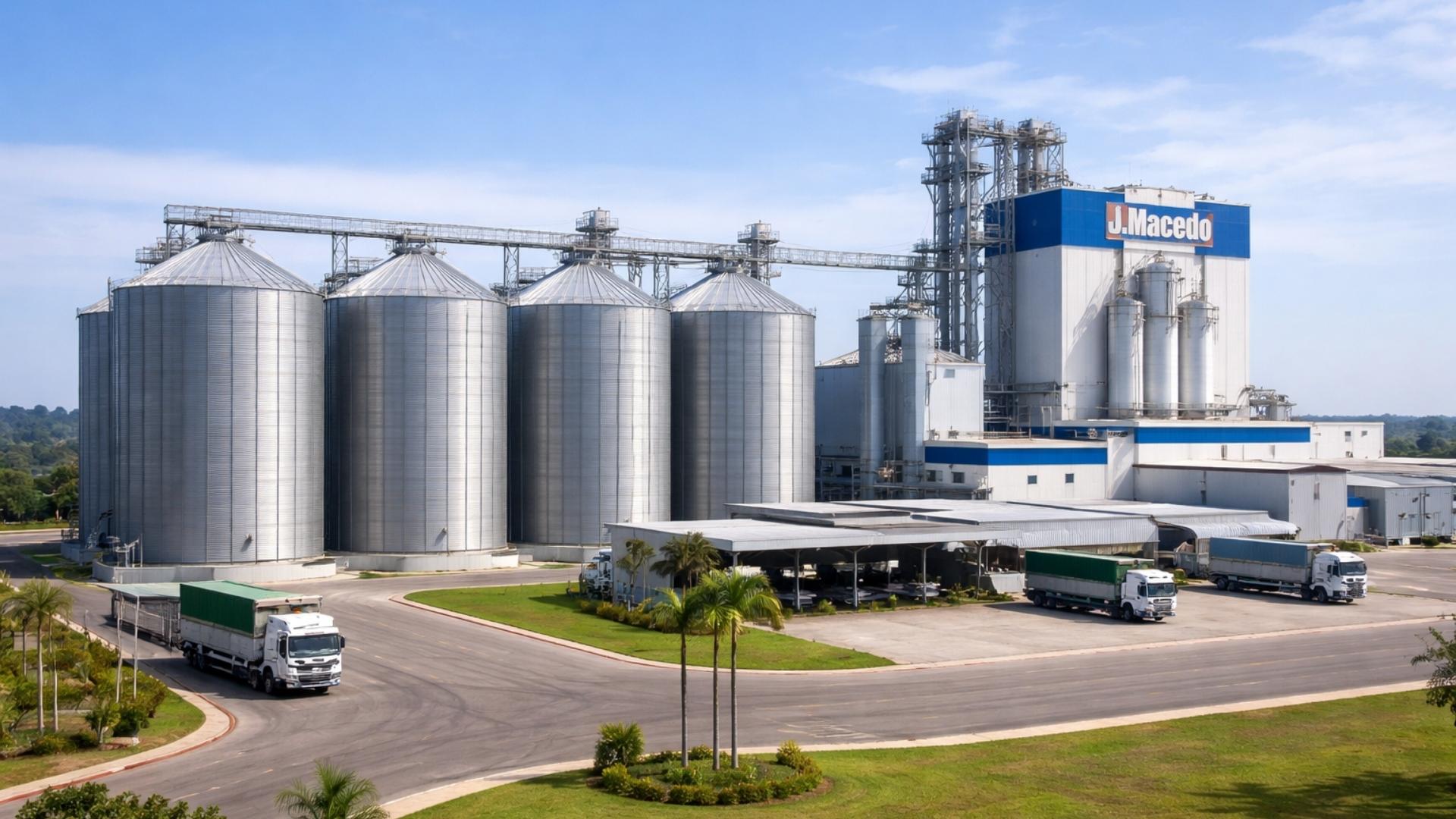
A Brazilian city gains a factory worth R$ 300 million with the capacity to process 200 thousand tons of wheat per year, a mill of 660 tons/day, silos for 42 thousand tons, and an industrial area of 276 thousand m².
-
Havan will leave the shopping mall in Blumenau to inaugurate something that the chain has never done before: a megastore in half-timbered style in the Historic Center of the city, which is expected to be completed in May and change the landscape of local retail.


Small producers and importers of items such as orange juice lead lawsuits, claiming business viability issues.
On the global side, trade partners are waiting for the U.S. Supreme Court’s decision before closing deals, fearing legal instability.
This directly affects Brazilian exporters and those from other countries, who have seen sudden tariffs raise entry costs into the U.S.
How Much The Refund Of The Tariff Could Cost
According to calculations released by Times Brasil, the immediate refund would total US$ 200 billion.
If the final decision of the U.S. Supreme Court is only published in the summer of 2026, the amount could reach between US$ 750 billion and US$ 1 trillion.
This amount corresponds to years of tariff revenue and represents fiscal risk for the White House.
The impact would be felt on public accounts and the country’s international credibility, at a time when the U.S. is already facing internal pressures for high deficit.
Where The White House’s Plan B Comes In
Without the emergency law, the government could resort to two existing provisions.
The Section 232 of The Trade Expansion Act of 1962, which allows tariffs for national security reasons in specific sectors, and Section 301 of The Trade Act of 1974, used to investigate violations of trade rights.
The problem is that both require formal investigations and lengthy processes, which removes Trump’s immediate “pen stroke” that characterized the tariff regime.
Experts point out that the loss of speed could weaken the U.S. position at negotiation tables.
Why The U.S. Supreme Court’s Decision Matters To Brazil

For Brazilian exporters, especially in agribusiness and industry, the U.S. Supreme Court’s verdict will determine whether there will be a refund of tariffs and greater access to the American market.
Sectors like orange juice have already contested specific tariffs that directly affected Brazil.
If the Court overturns the emergency law, the trend will be for greater predictability in trade relations, but with less unilateral bargaining power for the U.S.
This could benefit emerging countries in tariff disputes.
The assessment is that the White House’s Plan B will not have the same strength as the current model.
Without the emergency law, tariffs will be slower, more sectoral, and less comprehensive.
For critics, this returns legal security to the global trade; for Trump, it represents a loss of strategic power.
Do you believe that the U.S. Supreme Court should annul the tariff regime, even if it costs up to US$ 1 trillion to the American coffers? Or is the emergency instrument still necessary to protect the economy? Leave your opinion in the comments — we want to hear your analysis.









-

-

-

5 pessoas reagiram a isso.