





 English
  Francês
  Alemão
  Italiano
  Japonês
  Norueguês
  Portuguese
  Spanish
 3 min of reading
  0 comments


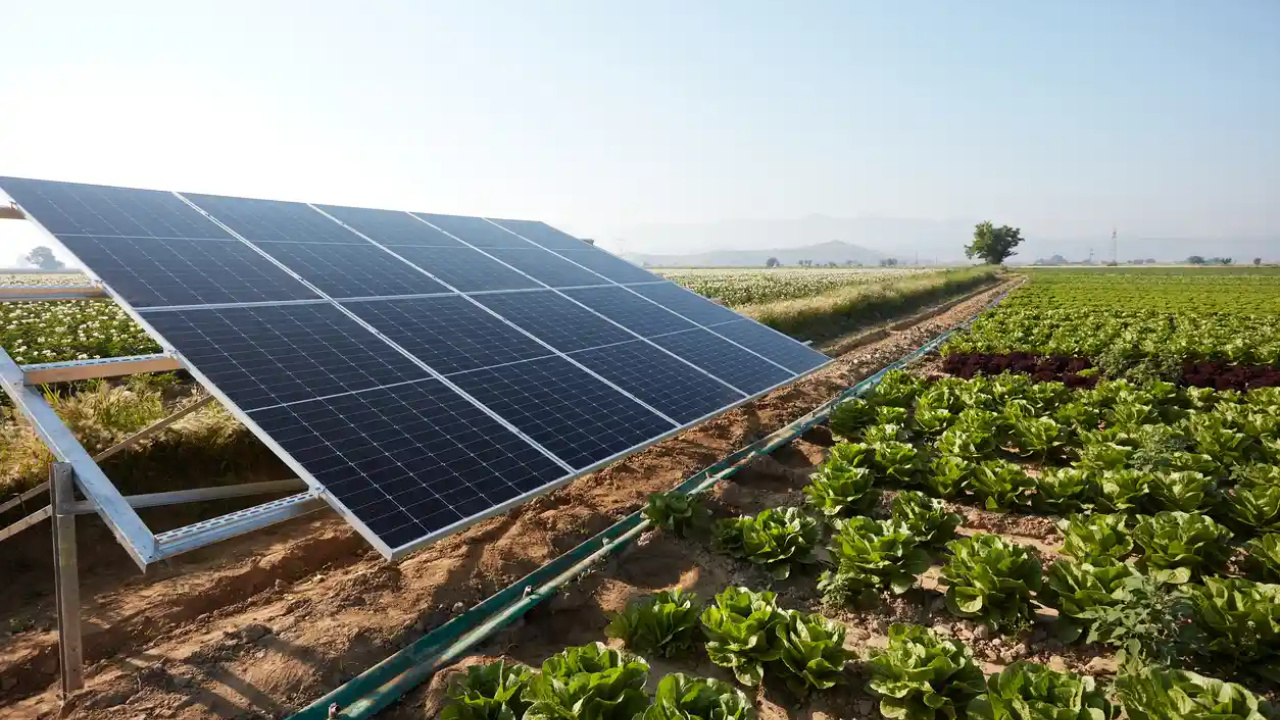
With More Than R$ 15 Billion Invested Since 2012, Solar Panels Advance Over Rural Areas in Paraná and Mato Grosso do Sul, Driven by Agriculture and the Search for Cheaper and More Stable Energy.
The scenario of the Brazilian countryside is changing. Where there was once soy, cane, or pasture, now rows of solar panels are emerging. The transformation is visible, especially in the northwest of Paraná. And it is not just an environmental trend. It is a business strategy.
The producer Mauro Dias Lima, from Paranavaí, decided to lease part of his property to a solar plant. The logic is simple. Diversify income and reduce risks. “It’s just another income option,” explains Mauro. “Before, we leased for cane, soy, cassava. Today, we have solar panels producing electricity instead of crops.”
Thus, agriculture begins to act as a generator of clean energy as well. In addition to food production, the countryside now “plants” electricity.
-
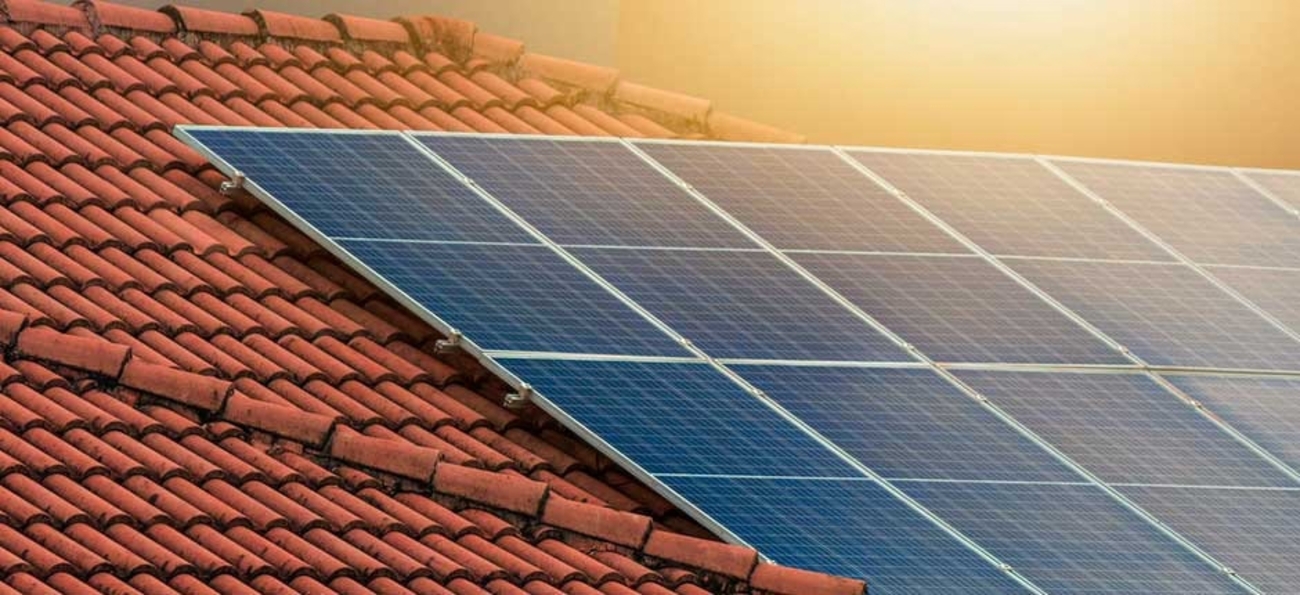
Roraima bets on the sun to escape high tariffs: Amid the energy crisis and price hikes, solar energy is growing in Roraima and transforming consumption in the North region.
-
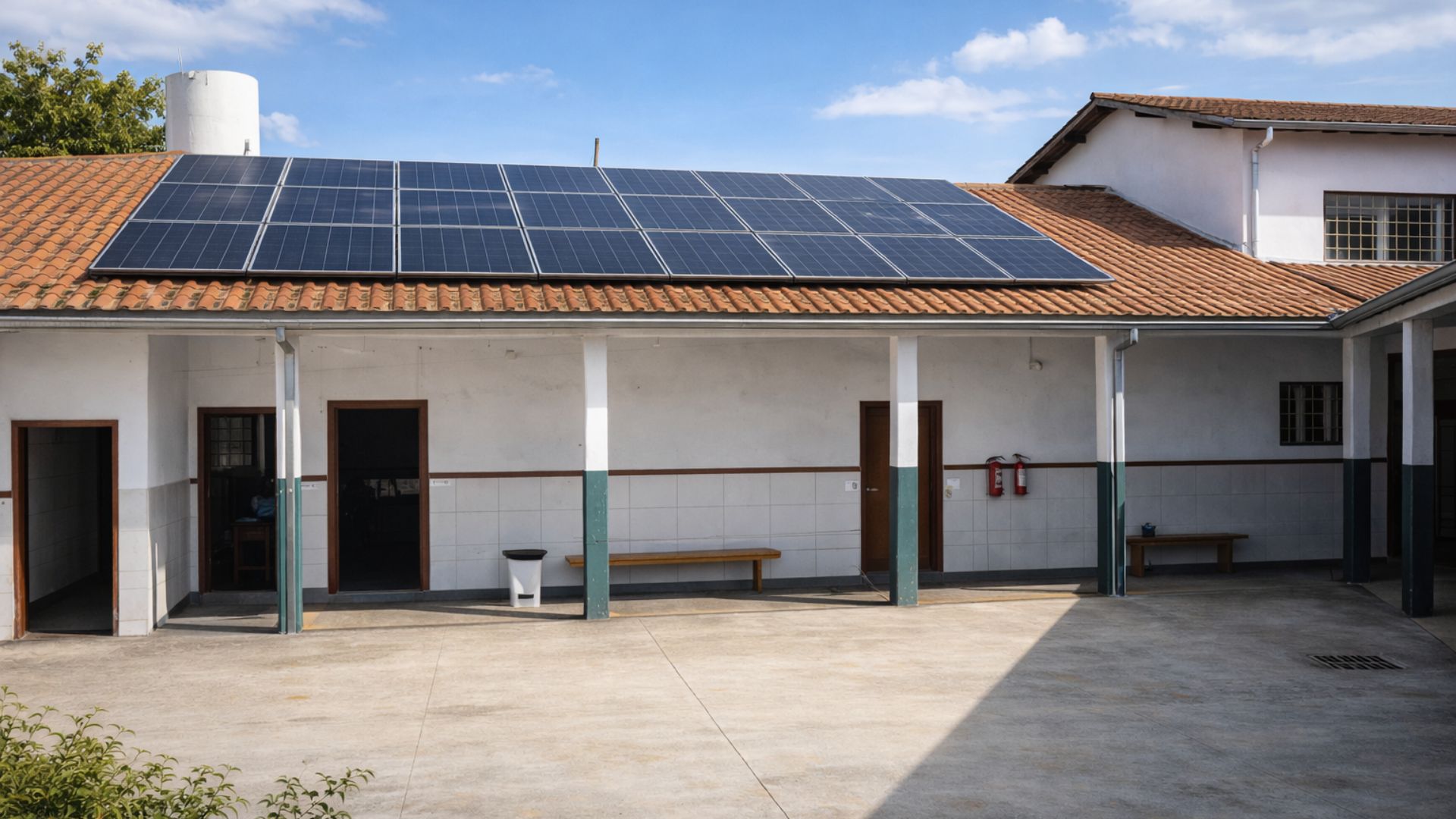
Copel boosts solar energy in Paraná and brings innovation to public schools, promoting savings on electricity bills, energy efficiency, and a direct impact on the quality of education.
-
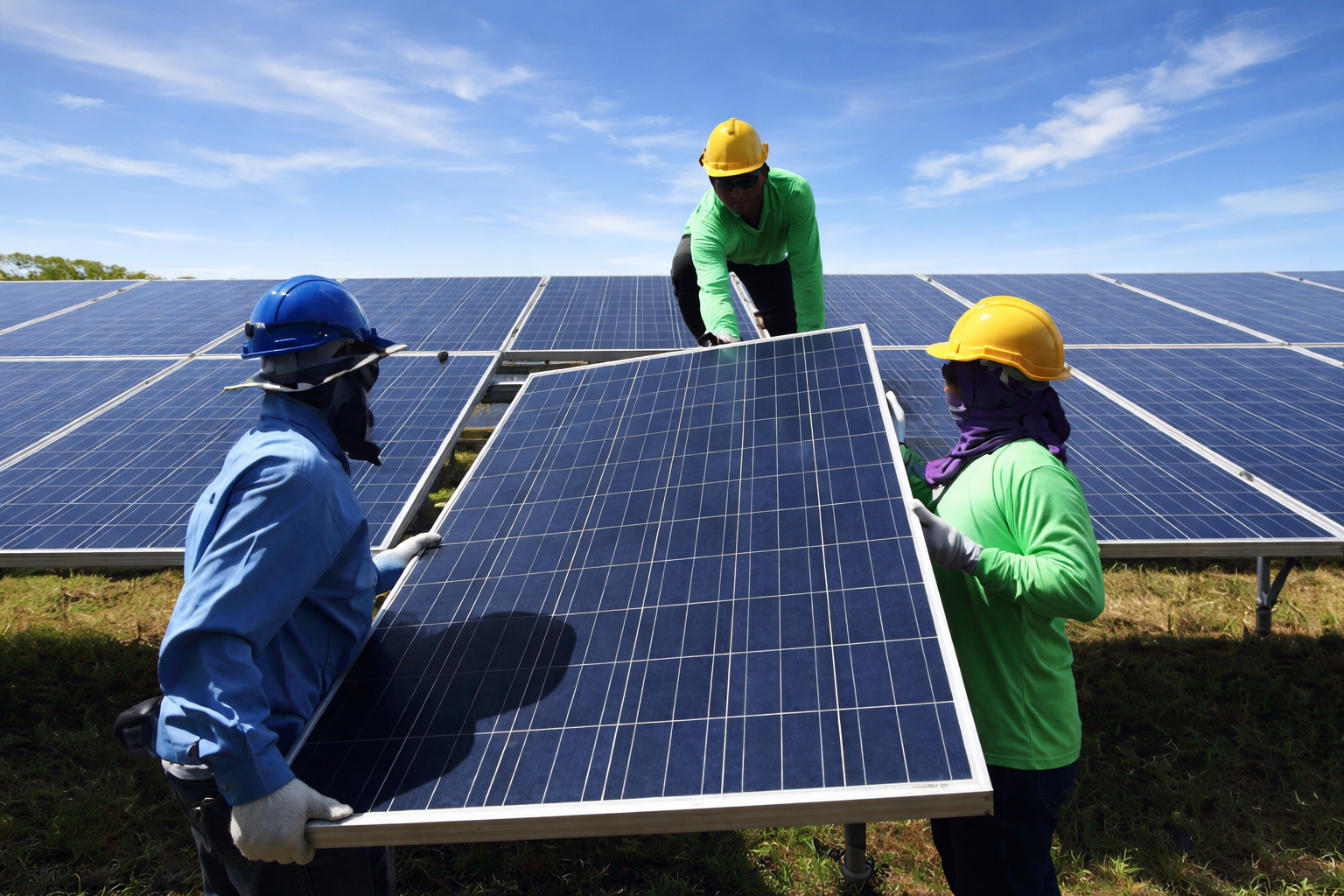
Brazil reaches historic milestone in solar energy: Sector surpasses 2 million accumulated green jobs and generates billions in the national economy even under market pressure.
-
Minas Gerais takes the lead in renewable energy: State surpasses historic mark of 14 GW in solar energy generation in MG and consolidates dominance in the Brazilian electric sector.
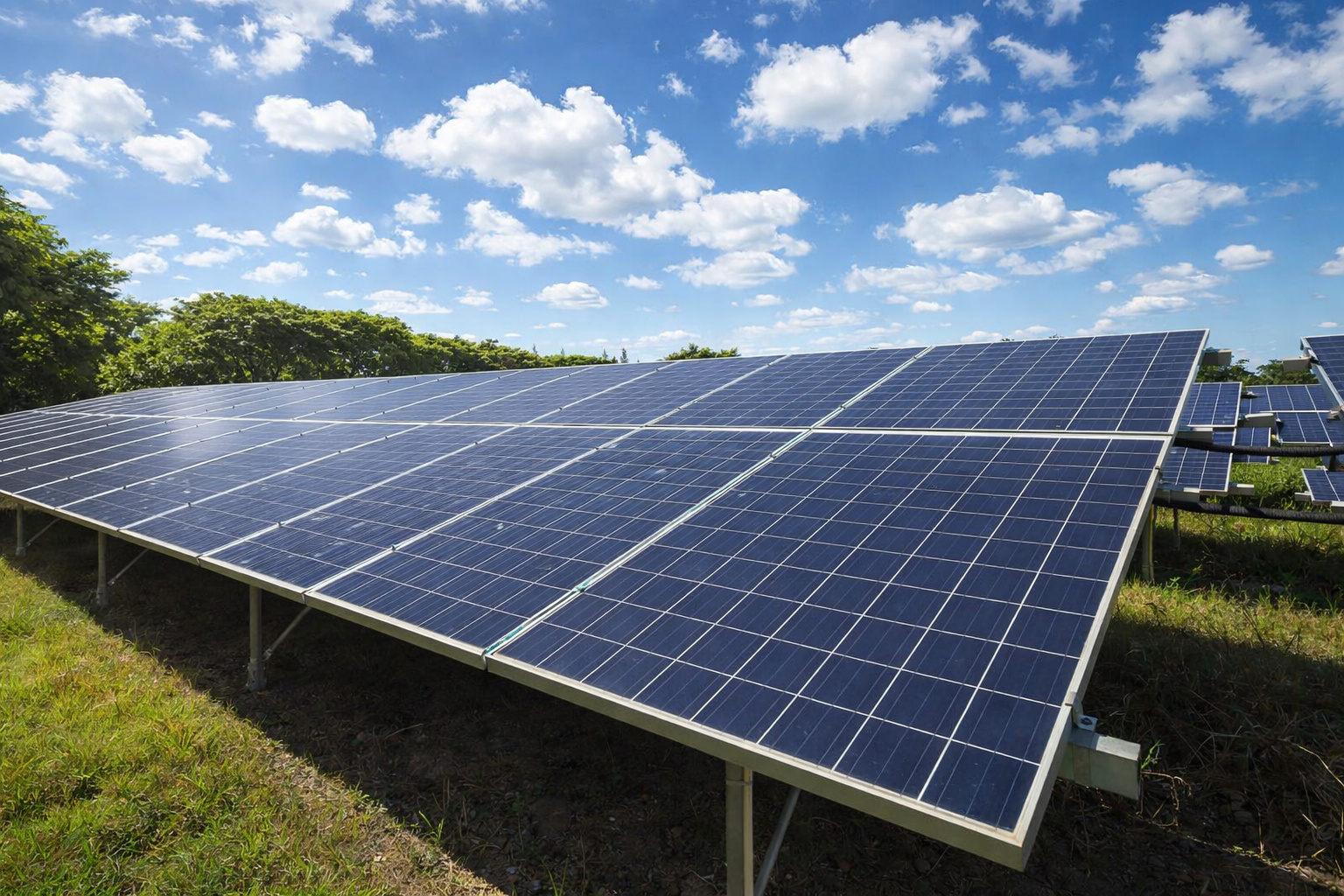

Paraná Stands Out in Solar Panel Generation
The movement is not isolated. Paraná already holds the third position in the national solar generation ranking, with 8.7% of Brazilian production, according to the Brazilian Solar Photovoltaic Energy Association (Absolar). It is behind only São Paulo, with 15.5%, and Minas Gerais, with 12.2%.

According to Liciany Ribeiro, executive director of Absolar, the northwest region of the state concentrates several plants. The climate is favorable. Proximity to distribution networks is also beneficial. “These are investors who build the plants and sell the energy to cooperatives. This makes the process viable and ensures cheaper and more accessible energy for the final consumer.”

Since 2012, the solar sector in Paraná has generated more than R$ 15.2 billion. Additionally, it has created approximately 99,000 direct and indirect jobs. The numbers are striking and help explain why more producers are adopting solar panels.
Mato Grosso do Sul Leads Adoption in Agriculture
Meanwhile, in Mato Grosso do Sul, the progress is even faster. According to a survey by the startup 77Sol, the state leads the national ranking of distributed solar generation.
The explanation lies in the very profile of the countryside. Dairy, pork, and poultry producers depend on constant energy. Drops or fluctuations can cause losses. “Dairy, pork, and poultry producers face constant fluctuations in the electrical grid. For them, solar energy, combined with storage systems, ensures stability, preventing losses and damages,” states Germano Lima Rodrigues Caires, from Evo Brasil – Solar Energy and president of the South Mato Grosso Front for Distributed Generation.
Moreover, the state has one of the highest electricity rates in the country. Therefore, investing in solar panels becomes financially attractive.
Technology Increases Profits and Reduces Risks
With the expansion, the use of hybrid systems is also growing. They combine solar panels with batteries and special inverters. The goal is to store energy produced during the day for nighttime use or during low generation periods.
“It is an essential advance for agriculture,” explains engineer Marcelo Niendicker. “Batteries reduce dependence on the electrical grid and eliminate the use of diesel generators, allowing for a more sustainable and profitable operation.”
Data from the International Energy Agency indicates that battery prices have dropped by 85% in recent years. This further boosts the market. The expectation is that lithium battery adoption will grow by 30% per year until 2030.
At the same time, international companies are increasing their presence in Brazil, bringing technology and certifications. The countryside, which has always been synonymous with food production, now assumes a strategic role in the energy transition.








-

-

5 pessoas reagiram a isso.