





 Portuguese
  English
  Spanish
  4 min of reading
  0 comments


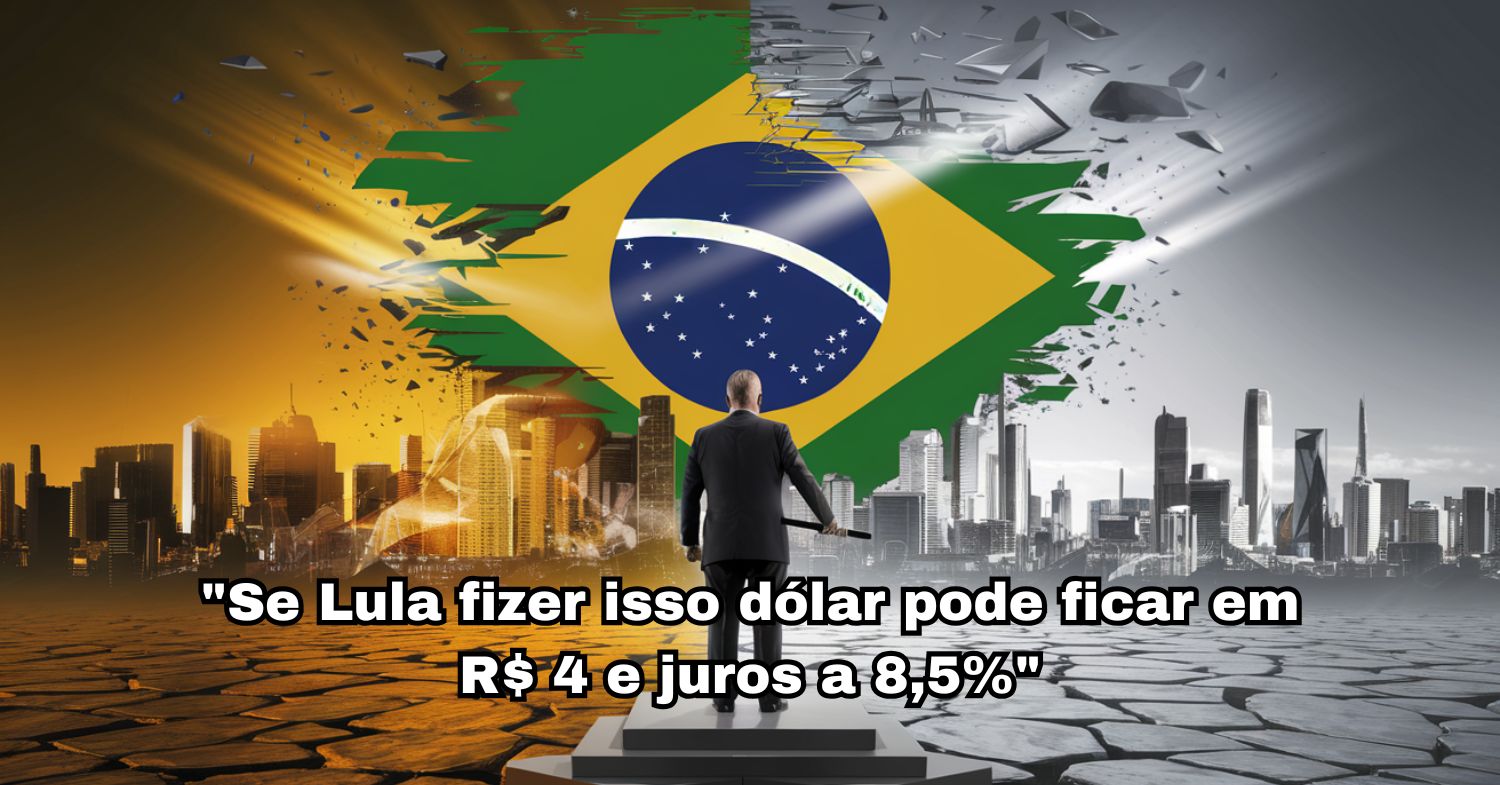
Experts Analyze the Course of the Brazilian Economy and the Necessary Steps to Overcome the Fiscal Impasse and Unlock the Country’s Growth Potential.
Brazil is going through a challenging economic moment. With Lula’s government in its third term at the Planalto, issues such as the dollar, interest rates, and fiscal adjustment are at the center of the debate. While some believe the country has the potential to grow, others point out that without solving the fiscal problem, the scenario will remain complicated. During a recent event hosted by Mirae Asset, experts highlighted the challenges and possible paths for Brazil’s future.
The Fiscal Problem? A Knot to Untie
According to Walter Maciel, CEO of AZ Quest, Brazil’s biggest challenge today is fiscal. “Lula found a country with one problem: the fiscal. But it is a serious problem,” said the executive. For him, the measures adopted by the current government, such as increasing the minimum wage above inflation and exempting income tax for those earning up to R$ 5,000, have not helped improve the situation.
The market expected Lula to take a more moderate stance, but so far, the decisions made have not met expectations. In Maciel’s view, public spending is being prioritized without proper attention to fiscal adjustment, which may keep Brazil in a scenario of economic uncertainty until 2026.
-
Larger than entire cities in Brazil: BYD is building a 4.6 km² complex in Bahia with a capacity for 600,000 vehicles per year, but the discovery of 163 workers in conditions analogous to slavery has shaken the entire project.

-
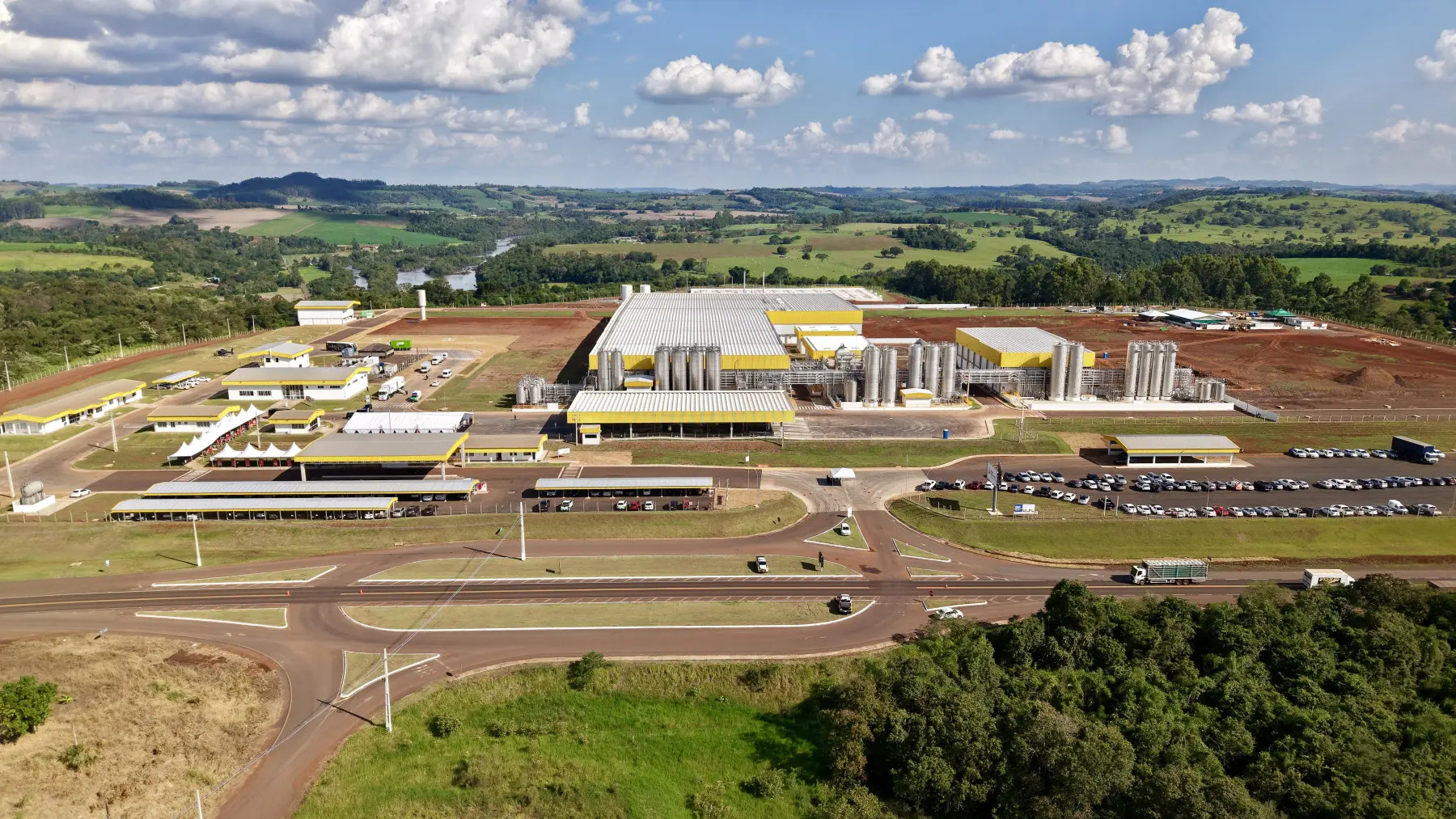
With an investment of R$ 612 million, a capacity to process 1.2 million liters of milk per day, Piracanjuba inaugurates a mega cheese factory that increases national production, reduces dependence on imports, and repositions Brazil on the global dairy map.
-
Brazilian city gains industrial hub for 85 companies that is equivalent to 55 football fields.

-
Peugeot and Citroën factory in Argentina cuts production by half and opens a layoff program for more than 2,000 employees after Brazil drastically reduced purchases of Argentine vehicles.


Expert Sees a Scenario of Potential
Despite the criticism, Maciel believes Brazil has the potential to transform in the coming years. He argues that if the government could achieve a fiscal adjustment of 1.5% of GDP, the impact would be significant.
“If this happens, the dollar could fall to R$ 4 or less, the stock market could reach 200,000 points, and interest rates could drop to 8.5%,” he explained. This optimistic view reflects Brazil’s potential to attract investments and strengthen its economy, but it directly depends on structural and policy changes that promote fiscal responsibility.
The Role of Credit and the Real
Despite the challenging scenario, Maciel highlighted that private credit in Brazil, especially for companies with good financial health, remains resilient. Moreover, the real has shown an interesting carry compared to other currencies, which could attract foreign investors.
“I don’t believe in bankruptcies. We have healthy private credit, and the real should gain strength against other currencies,” he said.
Comparison with Europe and the United States
While Brazil faces its own challenges, the global economic scenario also has its particularities. In Europe, economies like France and Germany, which have always been growth engines, are facing difficulties. According to Daniel Celano, from Schroders in Brazil, the European bloc is expected to grow only 1% with inflation at 2%, while facing competition from China and resilient inflation in the services sector.
In the United States, the scenario is different. Daniel Popovich, from Franklin Templeton, stated that the American economy is in a more favorable position, with a strong buy recommendation. However, there are risks, such as the possibility of increased government spending with the return of Donald Trump to the White House.
And Brazil Until 2026?
In Maciel’s analysis, the Brazilian economic scenario is not expected to change drastically in the coming years unless the government takes a more proactive stance. He believes that with a possible change of power in 2026, the chances of resolving the fiscal problem may increase.
“Today, the government only reacts when the situation worsens. From 2026 onwards, I believe we will have a greater chance of more concrete solutions for fiscal adjustment,” he stated.
How Do the Dollar and Interest Rates Come into Play?
The relationship between fiscal adjustment, the dollar, and interest rates is direct. Without solving the fiscal problem, the dollar tends to remain at high levels, impacting import prices and putting pressure on inflation. Furthermore, high-interest rates currently limit access to credit and hinder economic growth.
On the other hand, an effective fiscal adjustment could strengthen the real, reduce the dollar, and create room for interest rate cuts. This, in turn, would drive growth and make Brazil more attractive to foreign investors.
A Brazil of Potential?
The economic future of Brazil depends on strategic decisions in the short and medium term. With solid fiscal adjustment, the country has the potential to lower the dollar, control interest rates, and create a more favorable environment for growth.
For now, Lula’s government faces criticism for lacking focus on fiscal responsibility, but the scenario could change with a more structured approach. Until then, investors and experts remain vigilant, awaiting clear signs that Brazil is ready to unlock its true economic potential.









-

-

-

6 pessoas reagiram a isso.