





 Portuguese
  English
  Spanish
  4 min of reading
  17 comments


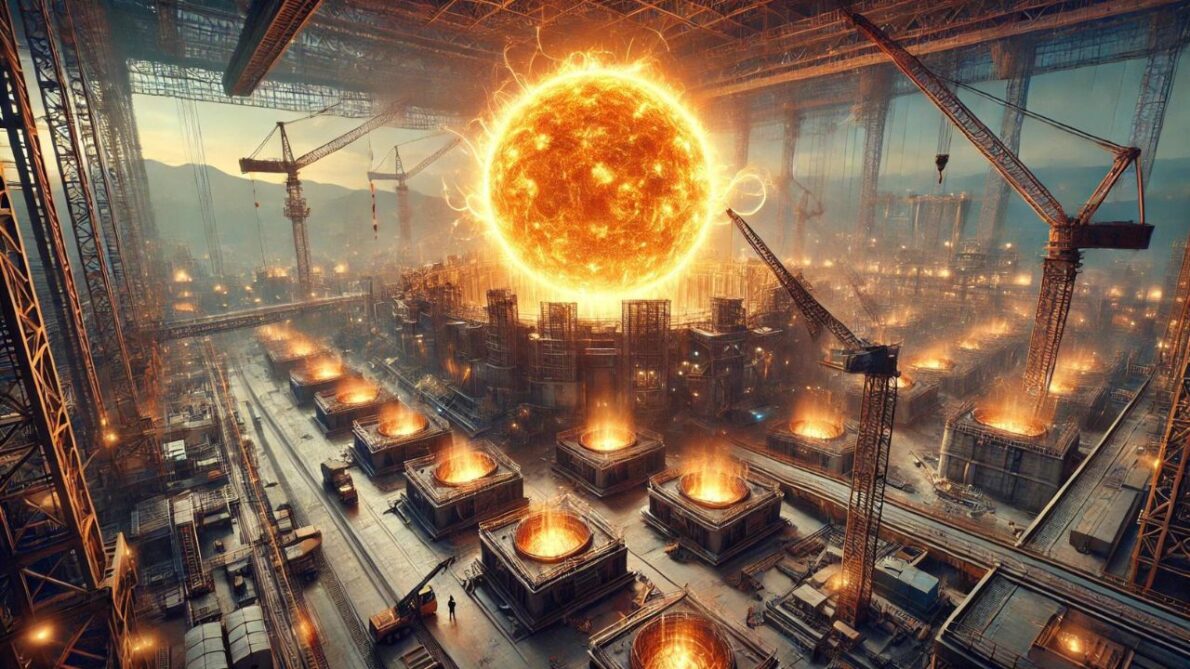

Construction of Megaproject to Imitate the Sun in France Involves Over 35 Nations and Promises to Revolutionize Clean Energy Generation.
In an unprecedented global effort, more than 35 nations have come together in a megaproject to recreate, here on Earth, the process that occurs inside the Sun. It sounds like something out of a science fiction movie, but it is real. The International Thermonuclear Experimental Reactor (ITER), located in France, is the largest scientific experiment in history and, when completed, will have the most powerful nuclear fusion reactor ever built. Its goal? To generate an astronomical amount of clean energy, capable of powering much of Europe.
A Sun on Earth: The ITER Megaproject
The ITER, an epic-scale megaproject, not only represents one of the greatest scientific advances of the century but is also the most complex of all time. Its construction to imitate the Sun involves cutting-edge technology, bringing together scientists from around the world to try to recreate the extreme conditions found in stars. With a projected completion date of 2036, the reactor aims to demonstrate that nuclear fusion — the process by which the Sun generates energy — is feasible here on Earth.
Nuclear Fusion
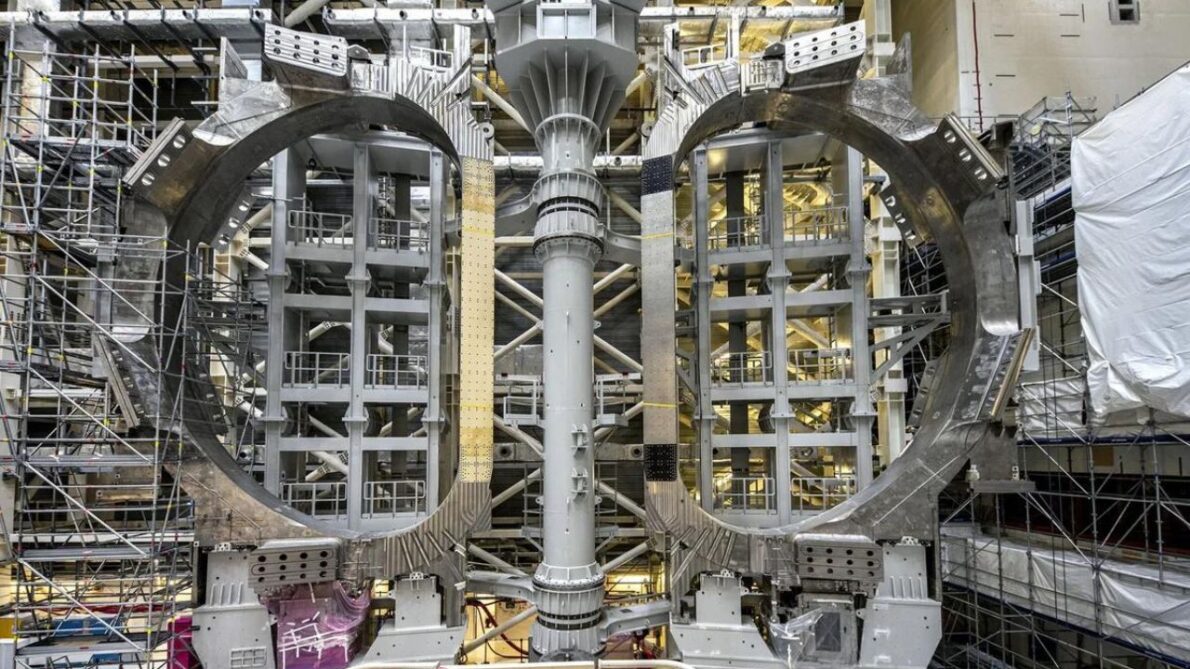
Nuclear fusion is the magic word. Unlike nuclear fission, currently used in nuclear power plants, which splits heavy atoms, fusion combines light hydrogen atoms to form helium, releasing a monumental amount of energy. What’s interesting is that, unlike fission, fusion does not generate dangerous radioactive waste, making it a promising and practically inexhaustible option. The construction of the megaproject to imitate the Sun, therefore, seeks to open doors for a clean and safe energy source for the future.
-
New CCR concrete paving technology promises roads up to 3x more durable, less maintenance, and cost reduction in Brazil.
-
Made from recycled plastic, plastic wood is gaining space in the construction industry because it does not rot, resists moisture, and reduces maintenance costs over the years.

-
Florianópolis will receive a million-dollar BRT that will begin construction in 2026 with nearly 400 million in funding from the federal government and the Inter-American Development Bank, and the map already shows the routes for the exclusive bus corridors.
-
Without a blueprint, without an engineer, and using scrap from the dump, a father spends 15 years building an 18-room castle for his daughter, featuring tram tracks, 13 fireplaces, and over 700 m², which may now be demolished.

The Grandeur of ITER
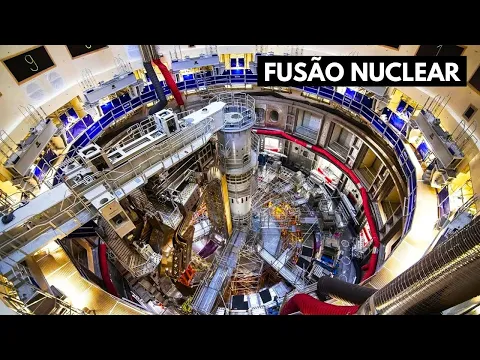
Built in Cadarache, in southern France, the ITER is a true colossus. The complex spans 180 hectares and includes 39 buildings, with the tokamak being the heart of the project. This gigantic cylindrical reactor will be responsible for creating and containing the superheated plasma necessary for nuclear fusion to occur. The challenge is monumental: the plasma needs to reach temperatures of 150 million degrees Celsius, about 10 times hotter than the core of the Sun.
To tackle this task, the construction of ITER utilizes superconducting magnets that must be cooled to -270ºC, nearly absolute zero. These magnets, some weighing over 360 tons, are responsible for confining the plasma and preventing it from touching the reactor walls, which could cause irreparable damage. All this precision makes ITER the most challenging megaproject ever attempted by humanity.
Construction Faced Delays and Cost Increases
Not everything is sunshine at ITER. Since the beginning of its construction, the project has faced delays and cost increases. The original plan was for the reactor to start operating in 2020, but technical problems, rising material costs, and, of course, the COVID-19 pandemic pushed the date to 2036. The budget, which started at 5 billion dollars, has already jumped to over 30 billion, highlighting the scale of the technical and logistical challenges involved in this megaproject.
One of the main obstacles was the discovery of cracks in the reactor’s cooling pipes, which temporarily halted construction. However, the scientific community remains optimistic. It is believed that, once operational, ITER will not only prove that nuclear fusion is a viable energy source but also pave the way for future commercial reactors.
The Race for Nuclear Fusion with This Megaproject

As the ITER megaproject slowly advances, other initiatives are gaining strength around the world. Projects like the Wendelstein 7-X in Germany and the National Ignition Facility (NIF) in the United States are exploring new approaches to nuclear fusion. In 2022, the NIF achieved a historic feat by generating more energy than it consumed in a fusion reaction, a milestone in the quest for this technology.
Despite the challenges, ITER remains the most ambitious project in the field of nuclear fusion. If successful, it could usher in a new era of clean and unlimited energy, proving that the construction to imitate the Sun may be the key to solving the global energy crisis.
And you, what did you think of this megaproject to imitate the Sun?









O homem brincando com leis que não tem controle, cada absurdo que Deus dúvida …. O sol em si já demostra seu poder com explosões de massa coronária que ultimamente tem afetado a terra kkkk o que dirá esse mini projeto de 35 noções que deveriam estar preocupadas em preservar… Mas cada cabeça será sua sentença! Racinha supostamente humana!
O calor já tá mantando a gente, pra quê inventar mais calor, vcs tão doidos.
Porquê ninguém fala sobre a fusão de hidrogênio em baixa temperatura, inserindo átomos de hidrogênio em clusters de paládio a vácuo?
Esse processo ainda é instável