





 Português
  Inglês
  Espanhol
 4 min de leitura


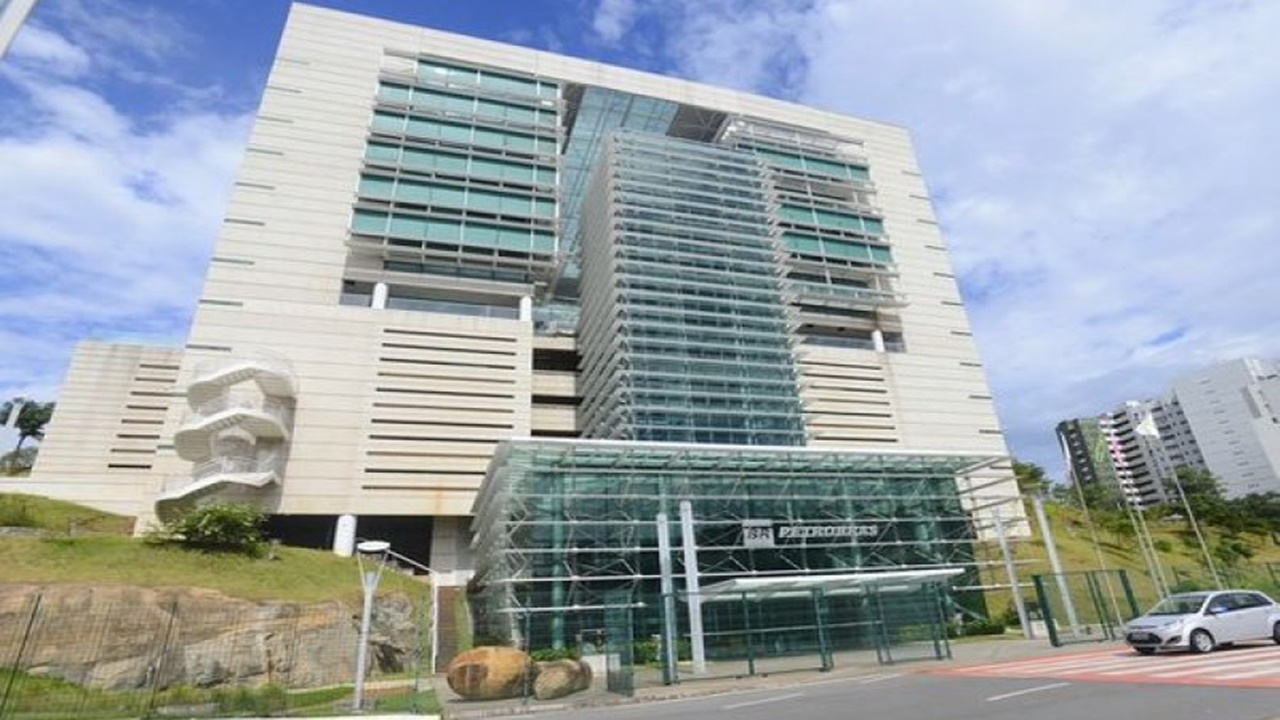
President Claims That Brazil Is Self-Sufficient in Fuel Issue, But Says He Has No Power Over Petrobras and Will Not Tear Contracts
The recent rise in fuel prices is criticized by the Federal Government. President Jair Bolsonaro mentions a building that, according to him, costs over R$ 300 thousand per month and is underutilized. “We have a very beautiful building in Vitória that is more than half underutilized, and the trend is for 90% of the building to no longer be used. We will sell it, [but they say] ‘President, you can’t sell it, no one will want to buy it because the building was built on rented land’,” said Bolsonaro.
Read Also
- 119 Free Courses With Certificate Offered by Fundação Bradesco in the Areas of Administration, Accounting, Education, Technology and Much More
- Port of Macaé Becomes Reality: Yesterday We Had a Historic Moment, Eneva Will Materialize the Dream of the People of Macaé; Billion-Dollar Investment Will Generate Thousands of Jobs in the Region
- Just Like Gasoline, Ethanol Prices Close September With a New High, Reaching Almost R$ 6 and Consumers Have Nowhere to Run
“R$ 1.7 million per month for land rent. It’s like a loan shark, who doesn’t want you to pay the bill, wants to get his money every month. Loan sharking, in quotes, with public money. Who pays the bill? All of you who put fuel in your cars,” said the president.
President Says He Has No Power Over Petrobras and Wants Not to Tear Contracts
“People complain about Brazil, about the rising prices of goods, of fuel. No one does this on purpose. I have no power over Petrobras. I will not just freeze fuel prices with a stroke of the pen. Many want me to, but we’ve already had experiences with freezing in the past,” said the president.
-
Offshore industrial demand in Macaé skyrockets with the recovery of oil and gas and could grow by up to 396% by 2026 in the Campos Basin.
-
Offshore industrial demand in Macaé surges with the recovery of oil and gas and could grow by up to 396% by 2026 in the Campos Basin.
-
Brazilian giant expands borders in the Southeast: Petrobras confirms new oil discovery in ultra-deep waters in the pre-salt of the Campos Basin.

-
Alert in the global energy market: Severe tropical cyclone hits the coast and disrupts gas production at major plants in Australia, threatening global supply.


Bolsonaro stated that Brazil is self-sufficient in fuel and mocked the questions about the pricing policy. “When we talk about fuel, we are self-sufficient. Oh, but why is the price tied to the dollar? Can I just tear contracts now?” he said.
The president also mentioned other factors that contribute to the final price, such as ICMS, freight, and the profit margin of those who sell fuel at the pumps. “Whose fault is it? Bolsonaro’s,” he joked. “I’m not shirking my responsibility, I’m showing the truth.” The price of gasoline per liter in the country rose by 2.47% in September compared to August, reaching a national average price of R$ 6.309. After a year and four months of consecutive increases, the fuel price has accumulated a rise of 57.33% since May of last year.
State Policy Is Determinant for Constant Increases in Fuel Prices
Petrobras’ policy is determinant for the increases, Carla Ferreira, a researcher at Ineep (Institute of Strategic Studies on Oil, Natural Gas, and Biofuels, linked to the Federation of Oil Workers), states that the most important part of the increases in consumer prices is linked to the hikes promoted by Petrobras.
According to her, the adjustments are a result of the company’s pricing policy adopted in 2016. The guideline ties the prices practiced in Brazil to the value of a barrel of oil in the international market, charged in dollars. With the dollar high, prices in Brazil also rise. Since the beginning of the year, gasoline has accumulated a 51% rise at refineries.
It is clear that, as the ICMS is a percentage of the final price, when the price rises, revenue increases. But it is not the villain of the current increases. The big question is the price that comes out of the refinery, which comes from the import parity policy, says Carla Ferreira.
According to Ferreira, an example that taxation is not the determining factor for recent increases was the low impact that the exemption of PIS and Cofins, two federal taxes, had on diesel prices. Despite the tax cut being R$ 0.31, the reduction at the pump was only R$ 0.03.
Watch a Video Below in Which the President Mentions at Another Time the Headquarters of Petrobras, Built on Rented Land in ES











Seja o primeiro a reagir!