





 Português
  Inglês
  Espanhol
  4 min de leitura
  0 comentários



Understand The Secrets Of Bridge Construction That Defy Gravity And Withstand Time
Have you ever wondered how water bridges manage to stay firm, even when built on muddy and submerged soils? It seems like magic, but the answer lies in the genius of construction and the engineering behind these structures that do not sink, even in inhospitable environments like rivers and oceans.
Bridges are not just links between two points. They are true engineering landmarks, supporting the weight of vehicles, trains, and pedestrians, while facing extreme conditions like winds, currents, and even the impact of vessels. See why these construction marvels manage to stand tall, and how their foundations, often invisible, are responsible for their stability.
The Secret Of Foundations In Construction
The main reason water bridges do not sink is the robustness of their foundations. Instead of simply resting directly on the ground, these foundations use piles driven deep into the ground. These piles are like long posts, which can be made of wood, concrete, or steel, designed to withstand both vertical and horizontal forces.
-
A megaproject worth R$ 89 billion is advancing in Iraq and promises to change the game in global trade by creating a new corridor between Asia and Europe, reducing traditional routes and repositioning the country as a logistics powerhouse.

-
Goodbye bedside table: floating shelves become a trend in 2026 by freeing up space in the bedroom, improving circulation, bringing visual lightness, and integrating technology without taking up floor space.

-
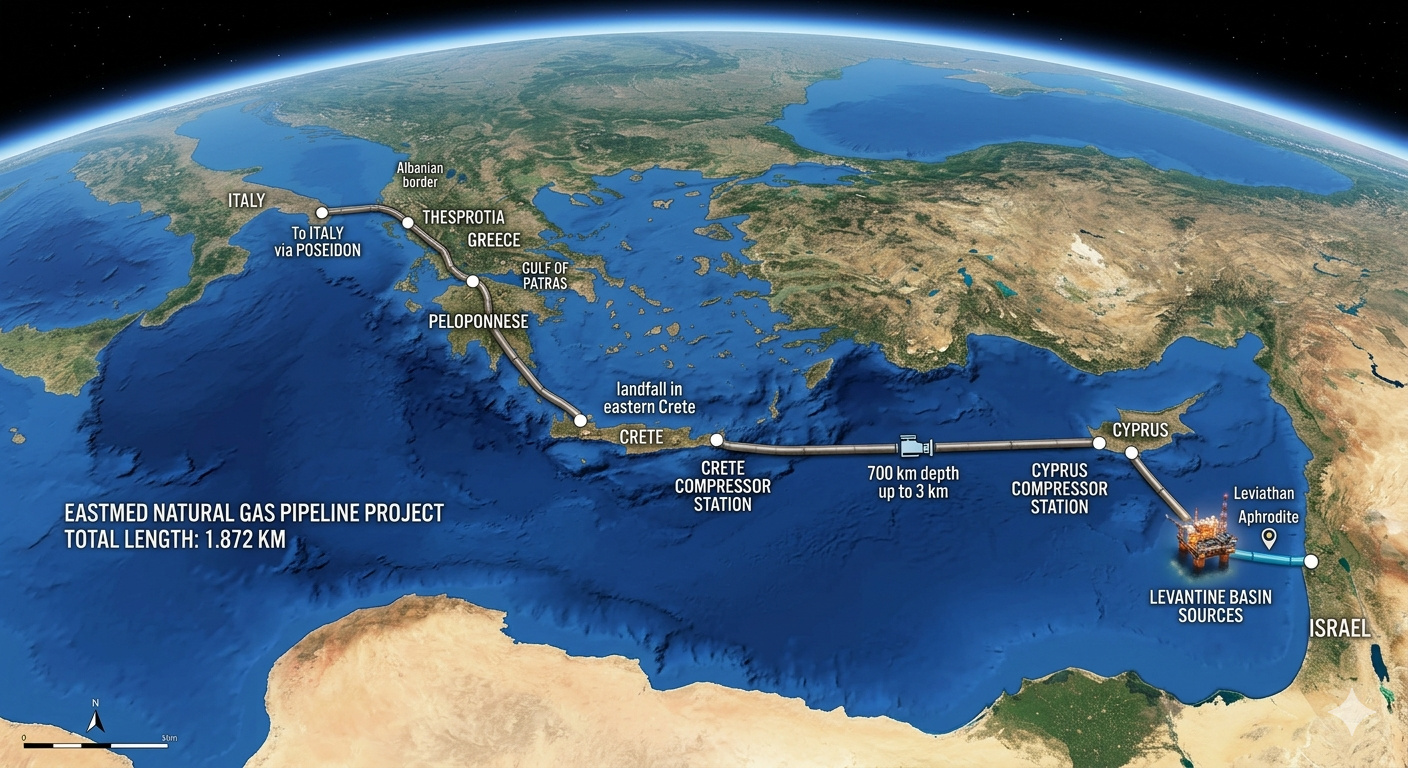
Israel, Greece, and Cyprus signed an agreement in 2020 to transport gas from the Mediterranean to Europe via a 1,872 km pipeline, but Turkey claimed sovereignty over part of the maritime route, and the project never materialized.
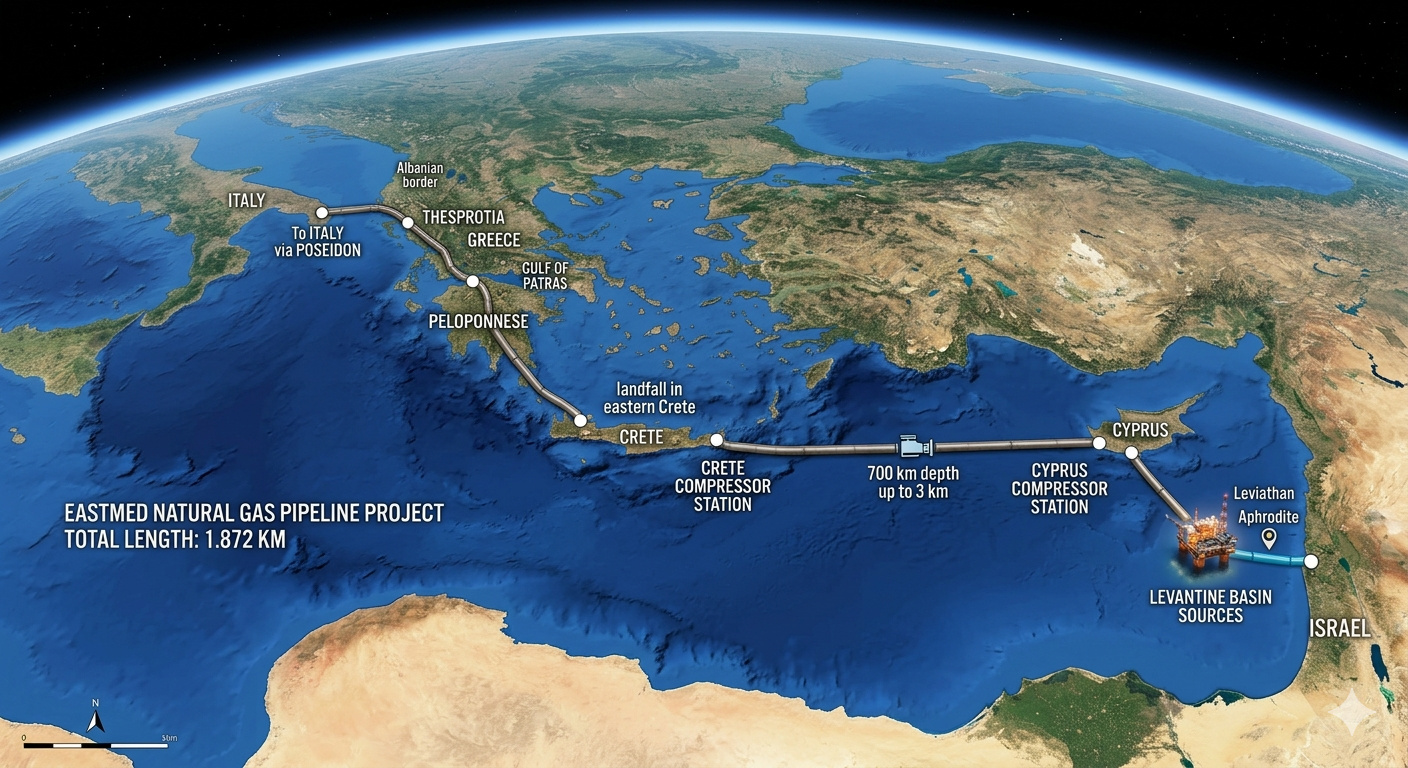
-
Israel, Greece, and Cyprus signed an agreement in 2020 to transport gas from the Mediterranean to Europe via a 1,872 km pipeline, but Turkey claimed sovereignty over part of the maritime route, and the project never materialized.

Imagine the following: if you step on muddy ground, you sink, right? It’s the same logic when we think about large constructions on submerged and muddy soils. But bridges do not sink because the piles are driven until they reach firmer soil layers or, in some cases, solid rock.
How Do These Piles Work?
There are two main ways that piles provide support: end bearing and lateral friction. End bearing occurs when the base of the pile reaches a solid layer, allowing it to support heavy weights. Lateral friction is the friction generated between the sides of the pile and the surrounding soil. In construction, the deeper the pile is driven, the greater the friction, and this helps keep the structure firm.
It is important to remember that, in addition to supporting the weight of the bridge, piles also face other forces, such as strong winds and flowing waters. To handle this, in some cases, engineers choose to install inclined piles, which offer extra resistance to lateral loads.
Challenges And Solutions In Water Bridge Construction
Building a bridge over a river or ocean is a true challenge, especially due to unstable soils and submerged conditions. Foundations need to be designed to withstand not only the weight of the bridge but also the forces of nature, such as floods and soil erosion over the years.
For this, engineers often opt to use techniques such as steel tubular piles or concrete piles. Each of these techniques has its advantages and disadvantages, but the goal is always the same: to ensure that the bridge’s foundation remains stable, even as time passes and changes occur in the surrounding environment.
Deep Foundations And Resistance Over Time
An interesting point about bridge construction is that they are designed to resist changes in soil and weather conditions. For example, during a flood, the soil around a bridge’s pillars can erode. To prevent this from affecting the structure, foundations are planned based on geotechnical forecasts that consider how the soil will behave over time.
An emblematic case occurred in 2004 when a pillar of a bridge in Florida sank more than 3 meters during construction, generating an additional cost of 90 million dollars and delaying the work by a year. This incident highlighted the importance of geotechnical engineering and in-depth soil studies in the construction of water bridges.
Water Bridges: The Invisible Marvel Of Engineering


Water bridges are true wonders of modern engineering and construction. Although most of their structure is submerged and out of sight, it is these deep foundations that ensure their stability. The next time you cross a bridge over a river or an ocean, remember that behind that seemingly simple crossing, there are years of research, testing, and technological advancements.
Each pillar, each pile driven into the ground, represents the effort of engineering to overcome the challenges imposed by nature. And it is this combination of knowledge and technology that allows us to trust that water bridges will not sink, continuing to connect people and places for many years.
So, the next time you cross one of these water bridges, will you remember all the complexity behind its construction?










Seja o primeiro a reagir!