





 English
  Francês
  Alemão
  Italiano
  Japonês
  Norueguês
  Portuguese
  Spanish
  3 min of reading


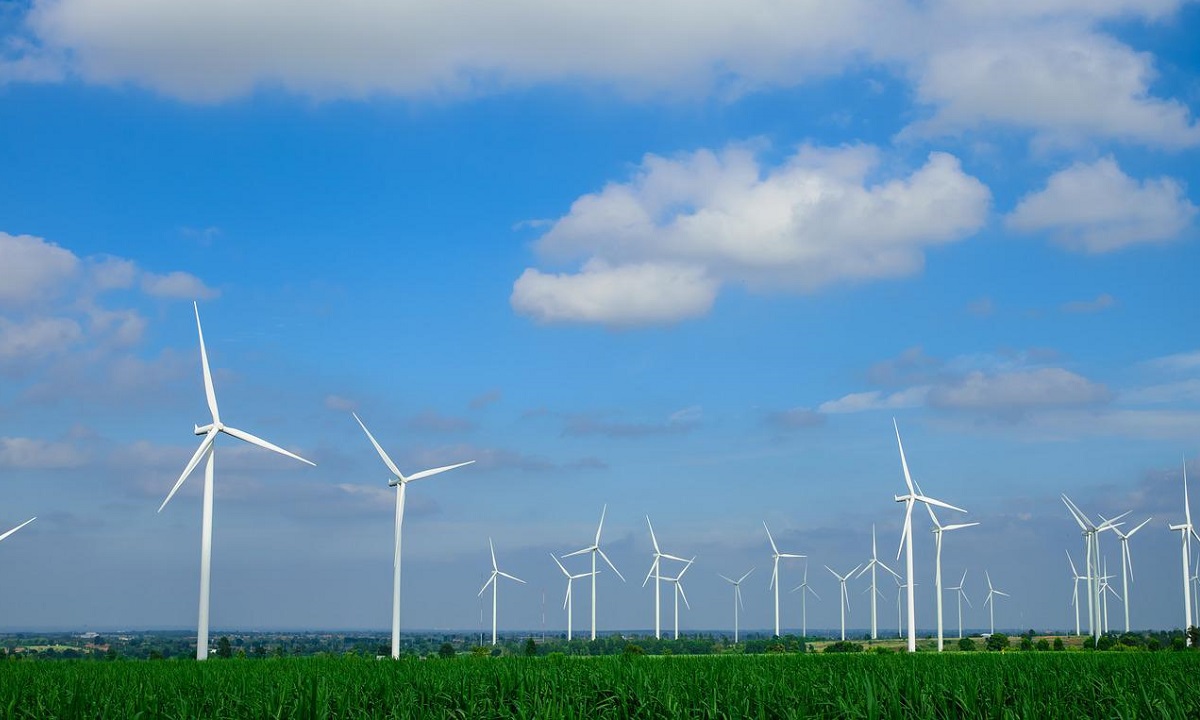
With The Pandemic And The War In Russia, Countries May Change Their Energy Matrices, The Called Energy Transition
The combination of the effects of the pandemic and the war in Russia with Ukraine will modify how countries direct the so-called energy transition, a change in energy, to combat climate change, according to data presented by experts to CNN Brasil Business.
The term “energy transition” refers to the process of changing the energy matrix of a country, more recently specifying the replacement of polluting sources with clean energy sources, such as wind, solar, and hydroelectric energy.
This energy transition process, which is still new, may obtain new concepts after the events of recent years, such as the war and the pandemic, incorporating a term that has been used again: energy security.
-
Rio Grande do Sul accelerates energy transition: State invests in renewable technologies and consolidates decarbonization strategies and pathways to attract billions in new industrial investments.

-
With 160,000 m² of collectors, an area larger than 20 football fields, Silkeborg, in Denmark, hosts a solar thermal plant that heats 19,500 homes and could become the largest solar heating plant in the world.

-
A study reveals the expansion of renewable energy procurement in Brazil and shows how companies are taking advantage of opportunities to reduce expenses, ensure energy efficiency, and strengthen strategic environmental commitments.

-
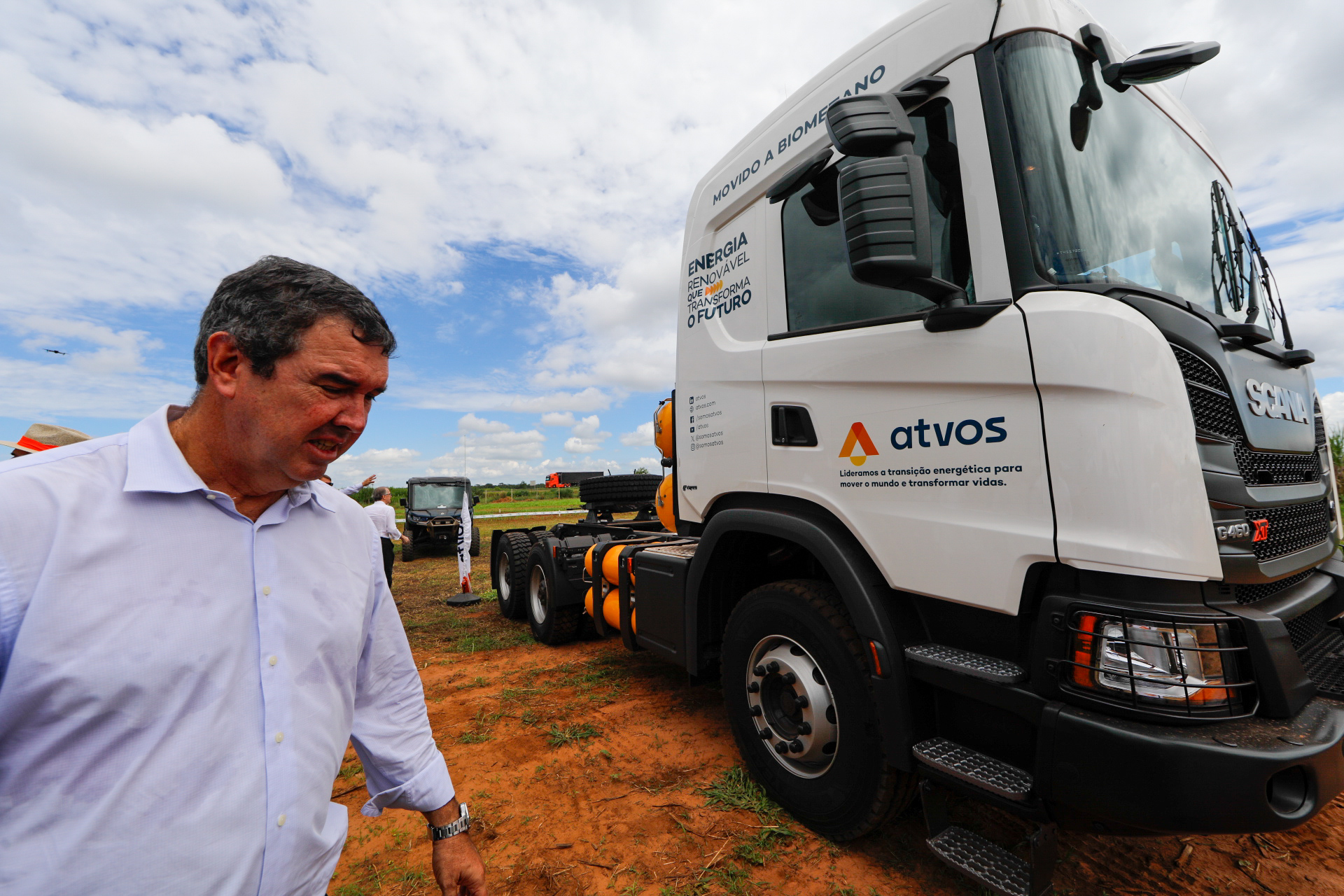
Mato Grosso do Sul excels in the sugar-energy sector: the state reaches a milestone of 22 operating mills and accelerates the production of clean energy in MS with a focus on sustainability.

The IEA (International Energy Agency) presented a report in the first week of August stating that the demand for energy from coal in 2022 may reach the highest level ever recorded in 2002.
This record in energy use occurs while many countries seek to manage greenhouse gas emissions, with coal being one of the most harmful sources to the environment.
In the same document, the IEA comments that the energy transition is linked to a change in the stance of countries after the consequences of the Covid-19 pandemic and the war in Ukraine.
For experts, the energy transition has not ended and is necessary to avoid even more extreme changes in the global climate; however, there is still no way to know how fast it will occur after the crises caused by the war and the pandemic.
Energy Transition After Consequences Of The War And The Pandemic May Come With More Security
The significant shift in the pattern for energy transition, according to the director of the Brazilian Center for Energy (Cbie) Adriano Pires, came with the war between Ukraine and Russia, as it became essential to reconcile climate concerns with energy supply.
The director also states that the trend now is for an energy transition with more security. “Fossil fuels have regained a certain prominence, and the current scenario shows that they were demonized too quickly.”
Adriano also hopes that countries will seek to build increasingly diversified energy matrices, including fossil fuels, in order to compensate for the vulnerability of each type of energy source.
Renewable energies, for example, have as their main problem intermittency, with a generating capacity that depends on factors such as rainfall, wind, and sunlight, while fossil fuels have risk factors involving price, supply, and pollution.
Therefore, the director believes that as long as renewable sources do not provide security of supply for countries wanting to implement the energy transition, the use of fossil fuels will continue.
For Experts, Countries Should Invest In Energy Transition Due To Fossil Fuel Prices
According to Edmilson Moutinho, a professor at IEE-USP, the signals in the economy have been gradual, but with the aim of stimulating investments in other types of energy due to the surge in oil prices from the war and the pandemic.
This reaction, however, is long-term and diverges from the short-term efforts of countries. China, for example, resumed using coal when it could not meet the country’s demand for renewable energies and natural gas.
European countries, especially Germany, reactivated their oil and coal-fired power plants, while Russia exceeded the supply of gas, promising that the action is temporary.
In Moutinho’s opinion, natural gas is the non-renewable energy source that benefits the most from the new scenario, as it is less polluting than oil and coal, and it has come to be viewed as safe and important in the energy transition post-war and pandemic.







Seja o primeiro a reagir!