





 Português
  Inglês
  Espanhol
 3 min de leitura
  0 comentários


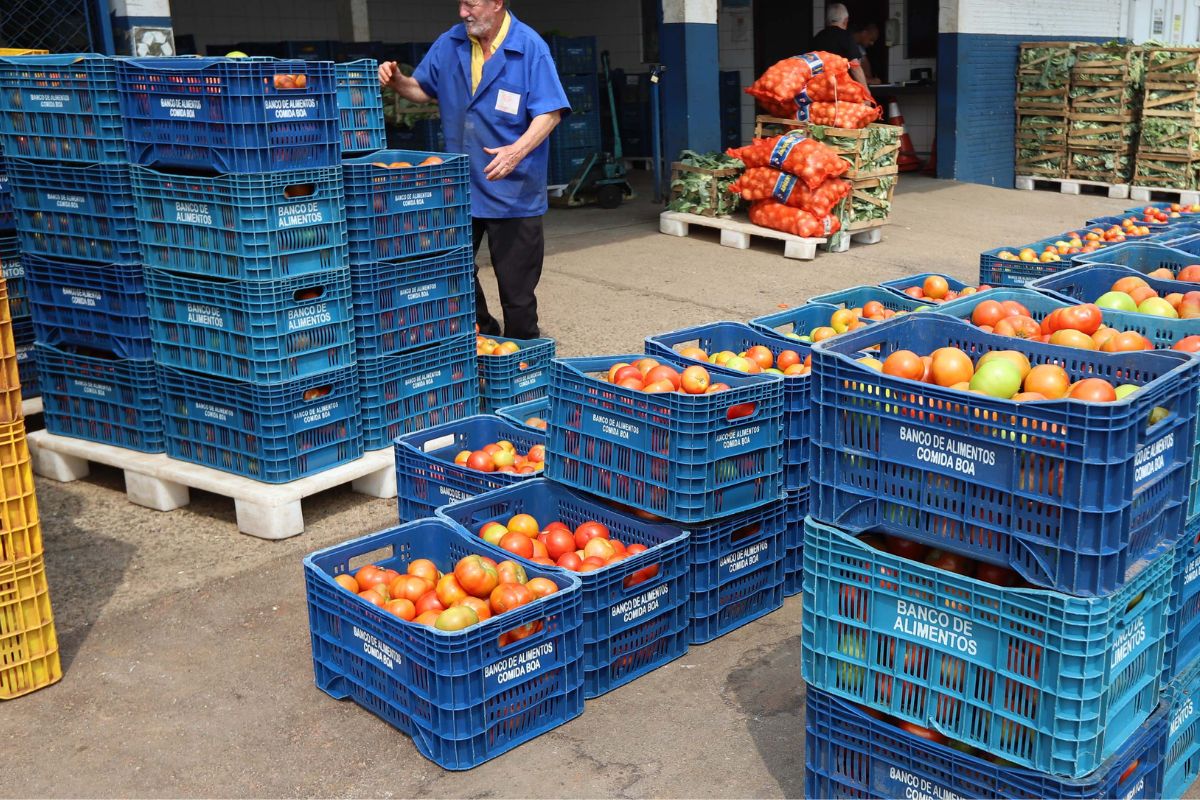
With National Highlight, Food Security in Paraná Strengthens Public Policies, Family Agriculture, and Integrated Programs to Combat Hunger Throughout the State
Food security in Paraná has been consolidated as one of the most structured public policies in the Country, placing the State in national leadership in legislation and planning to ensure adequate food for the population, according to an article published.
According to the 2024 survey by IBGE, 343 municipalities in Paraná, equivalent to 86% of the total, already have specific laws on the subject, a rate much higher than the national average of 36%.
These numbers reflect a consistent action between government, municipalities, and local councils, which has transformed Paraná into a reference in the management of the Human Right to Adequate Food.
-
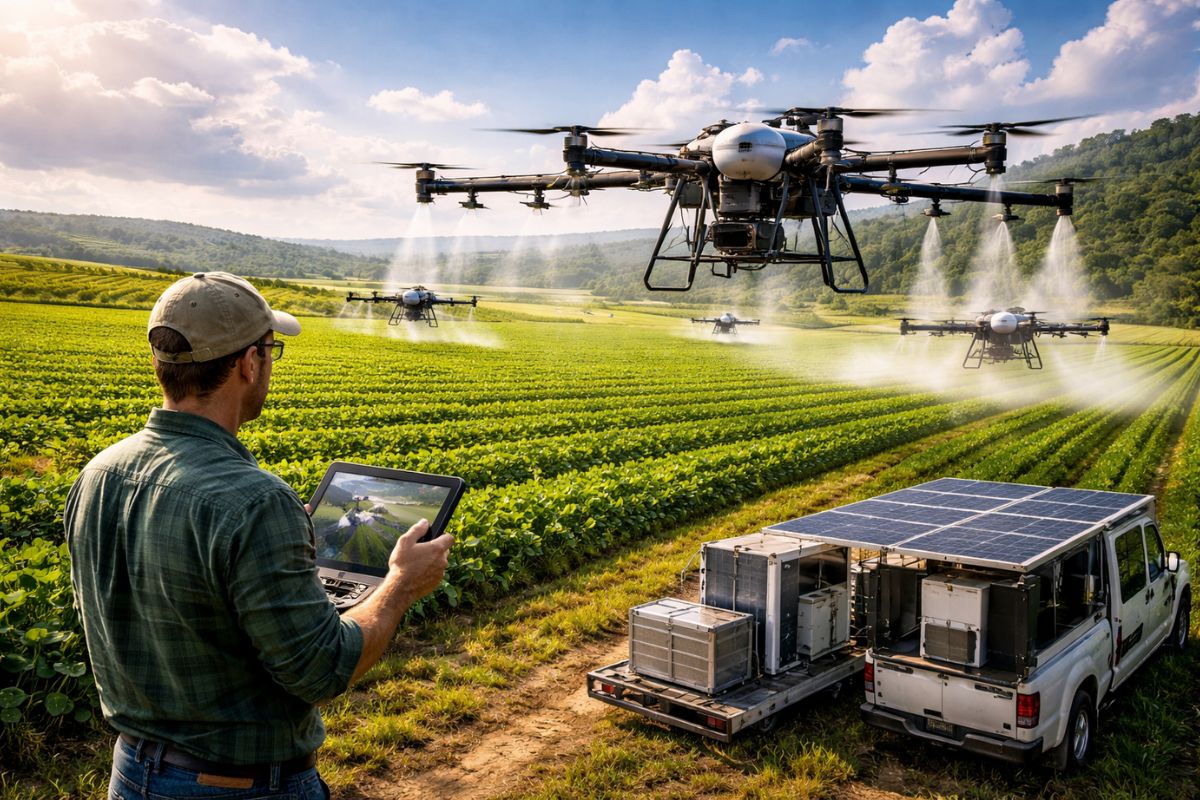
Alone, the producer applies 7,400 hectares with the T100 drone in an optimized structure, replaces the generator with a silent battery, and demonstrates how technology reduces costs, increases productivity, and even challenges the uniport in the field.
-
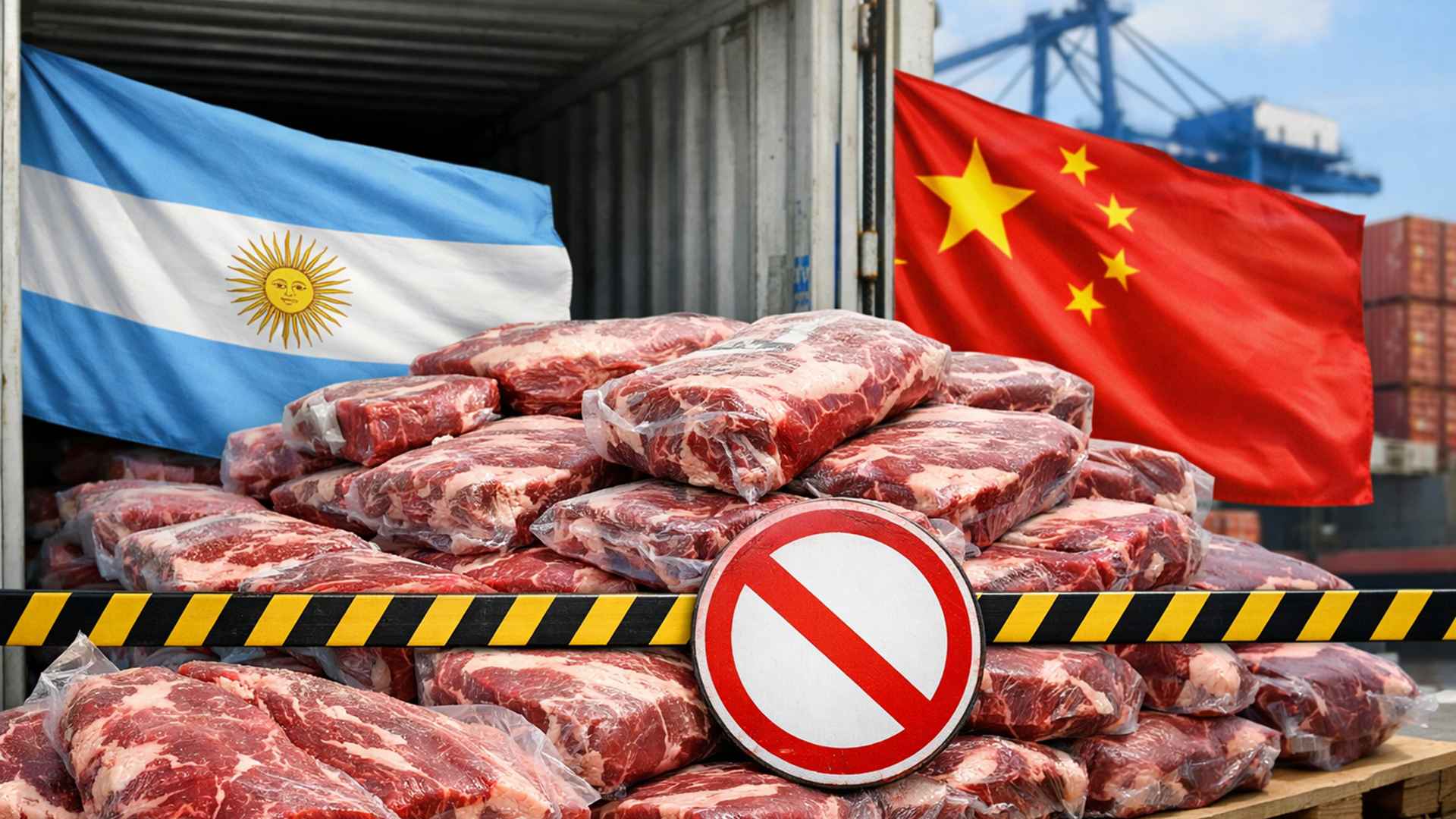
China banned the export of 22 tons of meat from Argentina.
-
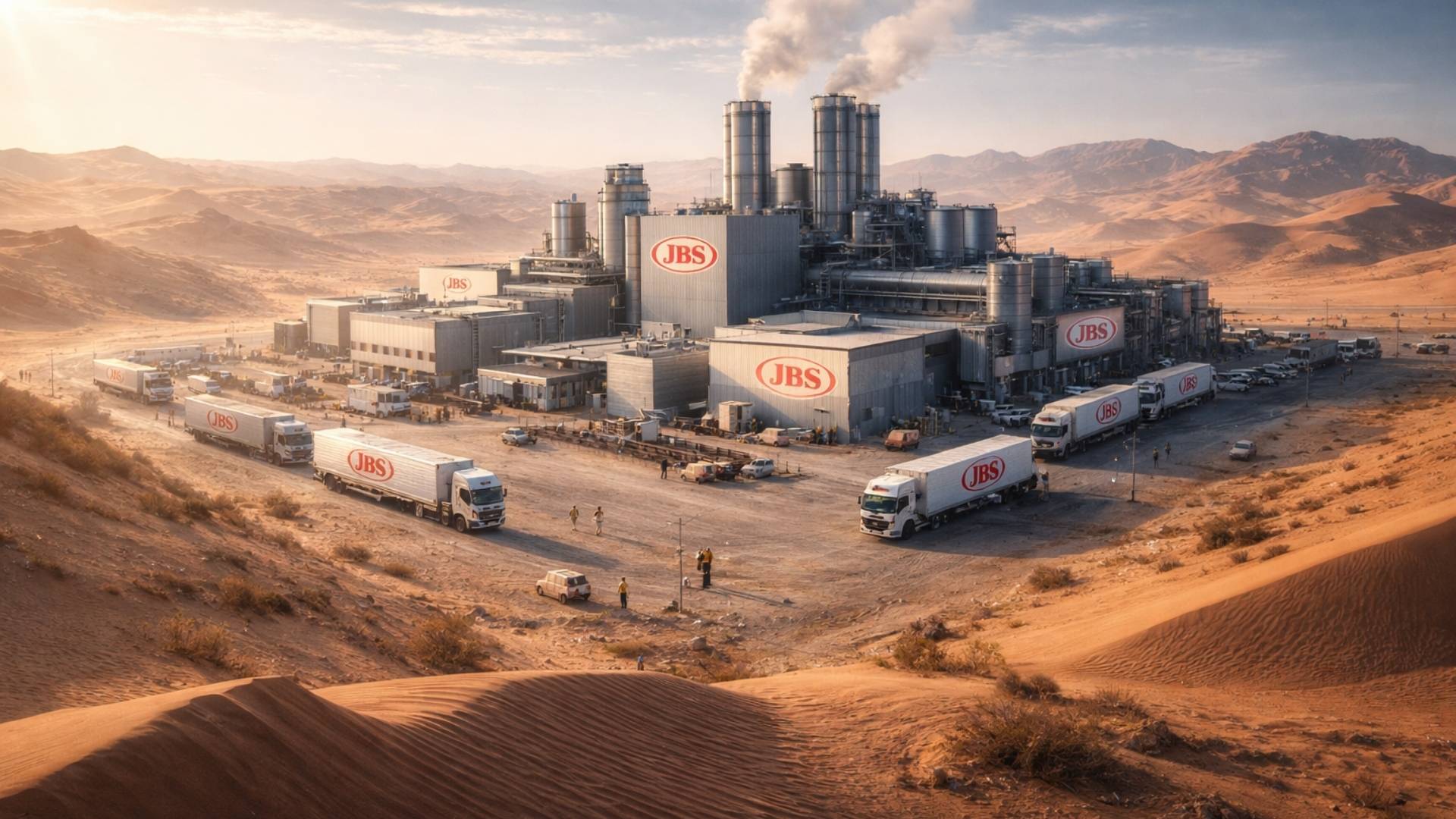
JBS, founded by the Batista brothers, continues to conquer the world: entrepreneurs built a ‘factory in the desert’ creating 3,000 jobs.
-
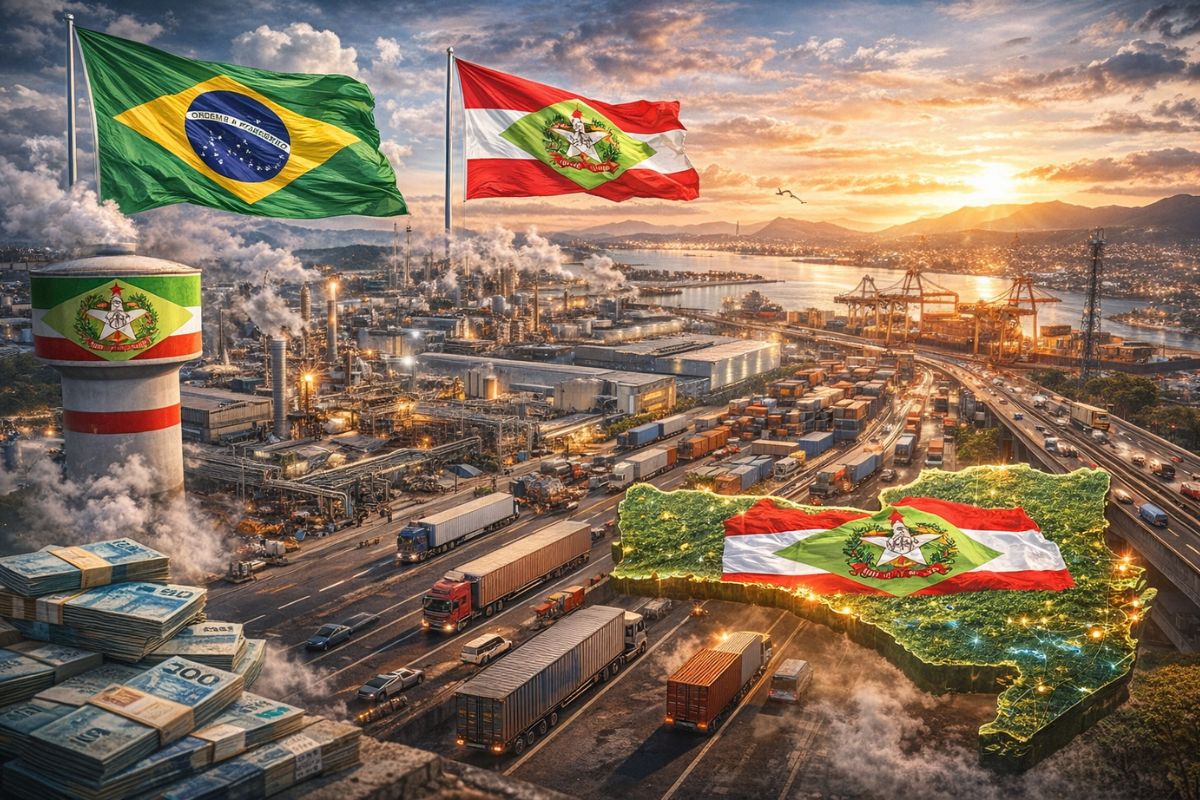
With only 1% of Brazil’s territory, Santa Catarina has built one of the most competitive industrial parks in the country, with 64,000 companies, nearly 1 million jobs, and a growth rate of 5.3% while the national industry is practically stagnant.

The State also leads in the number of municipal plans aimed at food and nutritional security.
Among the 394 Brazilian municipalities with consolidated planning, 118 are located in Paraná, representing almost one-third of the total.
These plans serve as essential tools to define intersectoral goals and strategies involving agriculture, health, social assistance, and education, always aiming to ensure healthy and sustainable food for the entire population.
Sustainable Family Agriculture as the Foundation of Nutritional Policy
The food security actions in Paraná are directly linked to sustainable family agriculture, a central pillar of the IV State Plan for Food and Nutritional Security 2024–2027.
Developed by Caisan/PR in partnership with Consea/PR, the plan includes 83 goals and 170 actions aimed at sustainability, valuing local producers, and combating food waste.
About 22,000 people participated in the construction of the proposals, reinforcing the participatory nature of the state public policy.
One of the highlights is the Direct Purchase Paraná program, which allocates R$ 77 million per year for the acquisition of food produced by family farmers.
These products are passed on to community kitchens, food banks, philanthropic hospitals, and popular restaurants, ensuring quality nutrition and income for the producers.
Additionally, Coopera Paraná invests approximately R$ 100 million annually to strengthen cooperatives and associations, providing infrastructure and technical training.
School Feeding Programs and Combating Hunger in Brazil
Another essential front of food security in Paraná is in the school feeding programs, which reach millions of students.
The State invests R$ 600 million per year in school meals, with R$ 250 million allocated to purchasing food from family agriculture.
The Mais Merenda program, created in 2020, guarantees three daily meals and has made Paraná the first state to fully meet the PNAE goal, which requires 30% of products from family agriculture in public schools.
These actions are complemented by other recognized initiatives, such as the Good Food Bank, which distributes over 600 tons per month of surplus fruits and vegetables from the Ceasa Paraná.
The project was internationally awarded in 2024, in Istanbul, for its social impact and sustainability.
Meanwhile, the Good Food Card and the Children’s Milk program expand the reach of hunger-combating policies in Brazil, benefiting vulnerable families and ensuring healthy food for around 100,000 children every day.
Rural and Nutritional Development Throughout the State
The expansion of food security in Paraná is also associated with rural and nutritional development.
The State achieved 82% of population coverage in food security policies, meeting 82.5% of the goals of the previous plan (2020–2023).
With 359 municipalities integrated into the National System of Food and Nutritional Security (Sisan), equivalent to 89.9% of the municipalities in Paraná, the State alone accounts for 19.5% of formal adherence in the country, consolidating its leadership in the sector.
According to the Secretary of Agriculture and Supply, this progress results from efficient coordination among different governmental areas.
The strategy involves sustainability, equity, and strengthening the local economy, demonstrating that the Paraná model is a reference for public governance in food and nutrition.
Thus, food security in Paraná reaffirms the State’s commitment to the future, ensuring everyone’s right to adequate, healthy, and accessible food.









-

Uma pessoa reagiu a isso.