





 Portuguese
  English
  Spanish
 3 min of reading
  0 comments


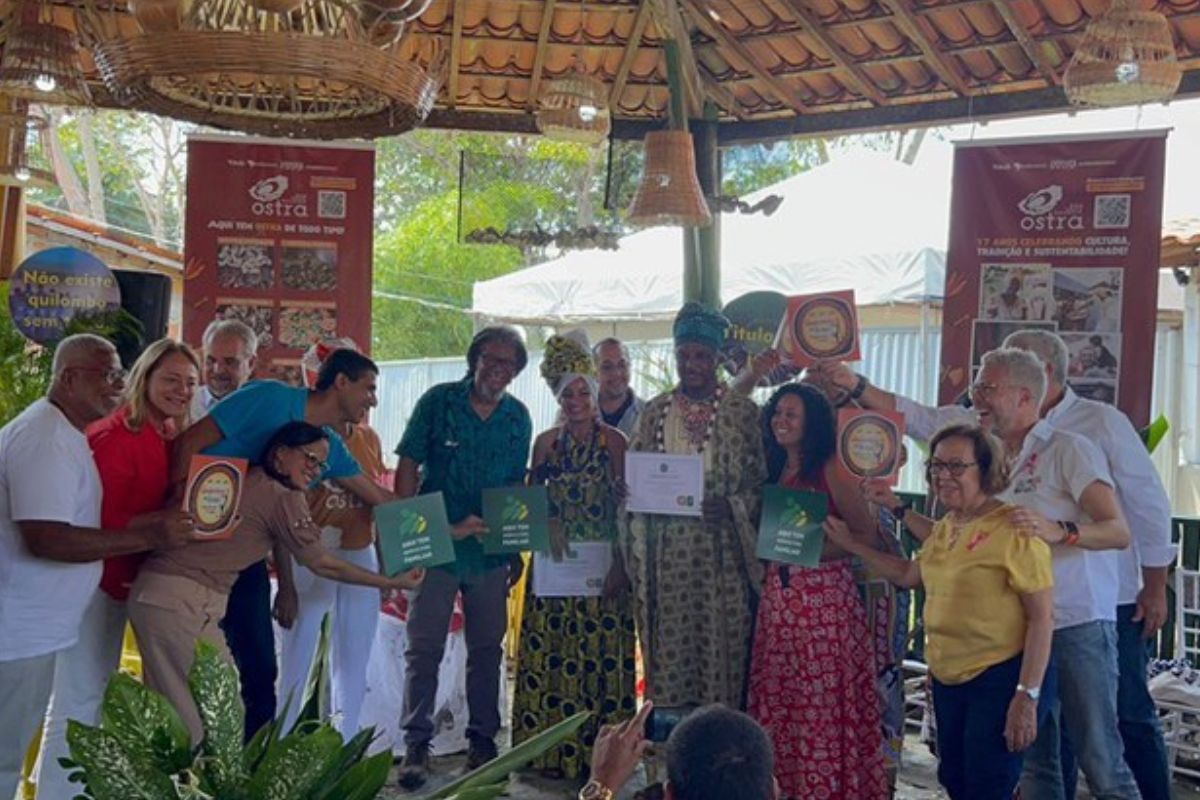
The Quilombos of Brazil Certification Seal Delivered by MDA Strengthens the Sustainable Economy, Ensures the Origin of Quilombola Products, and Boosts Family Agriculture in the Recôncavo Baiano
The Quilombos of Brazil Seal represents much more than a certification: it is a symbol of recognition, identity, and appreciation of quilombola communities, according to an article published.
In the Recôncavo Baiano, this achievement gained prominence in the municipality of Cachoeira, where the traditional products from the Kaonge and Mutecho Acutinga quilombos officially received the seal during the 17th Cultural and Gastronomic Festival of the Oyster, held on the last day of October 11.
The initiative, promoted by the Ministry of Agrarian Development and Family Agriculture (MDA), reinforces the importance of the origin and quality of sustainably produced food, strengthening the productive and social inclusion of these communities.
-
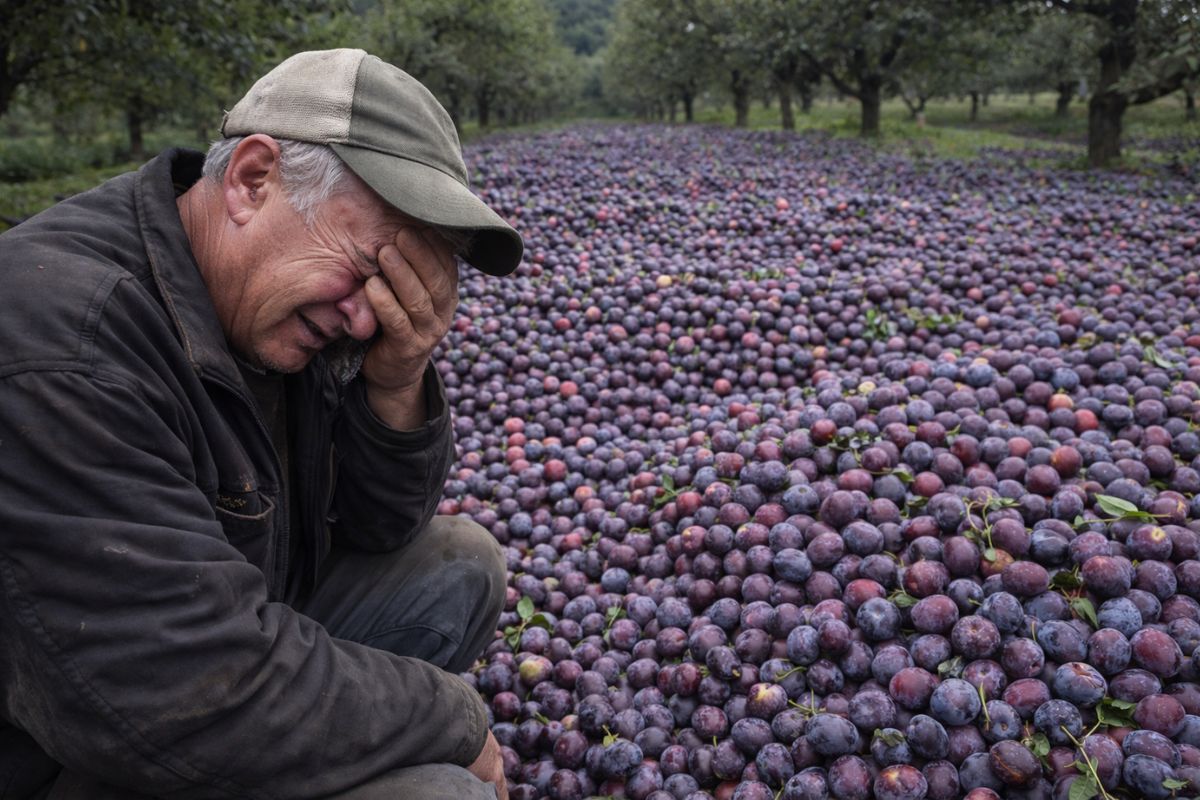
A rural producer from Urubici cries as he shows 50 tons of plums thrown on the ground because no one wanted to buy them, and in desperation, he records a video asking anyone to come to the property to pick the fruits before they rot.
-
Unable to pass through Hormuz, Brazil activated a plan B that uses Turkey as a gateway to the Middle East: the route through Gibraltar and the Mediterranean is longer and more expensive but ensures that chicken, beef, and corn continue to reach Arab markets.

-
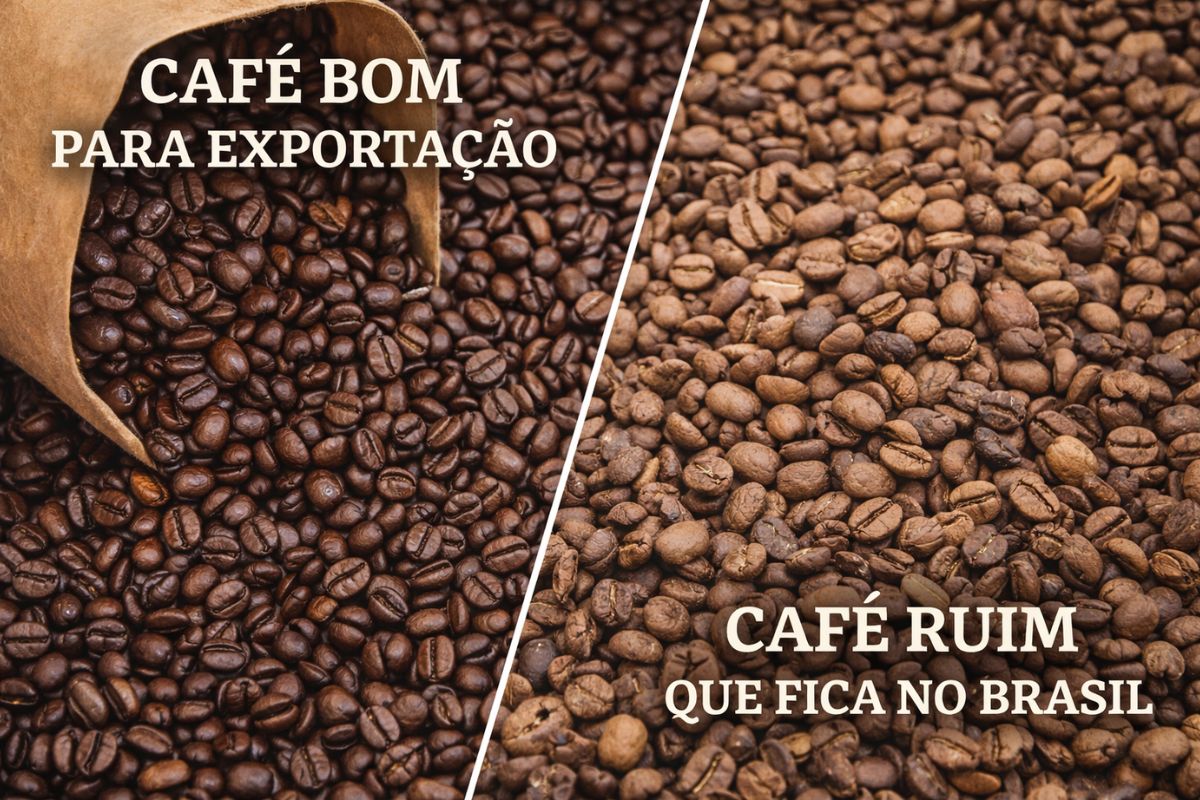
You grew up hearing that the good coffee from Brazil goes all abroad and the bad coffee stays for Brazilians, but this story has completely changed, and the numbers show that in the 1980s, thirty percent of the coffee sold here was adulterated with corn and barley.
-
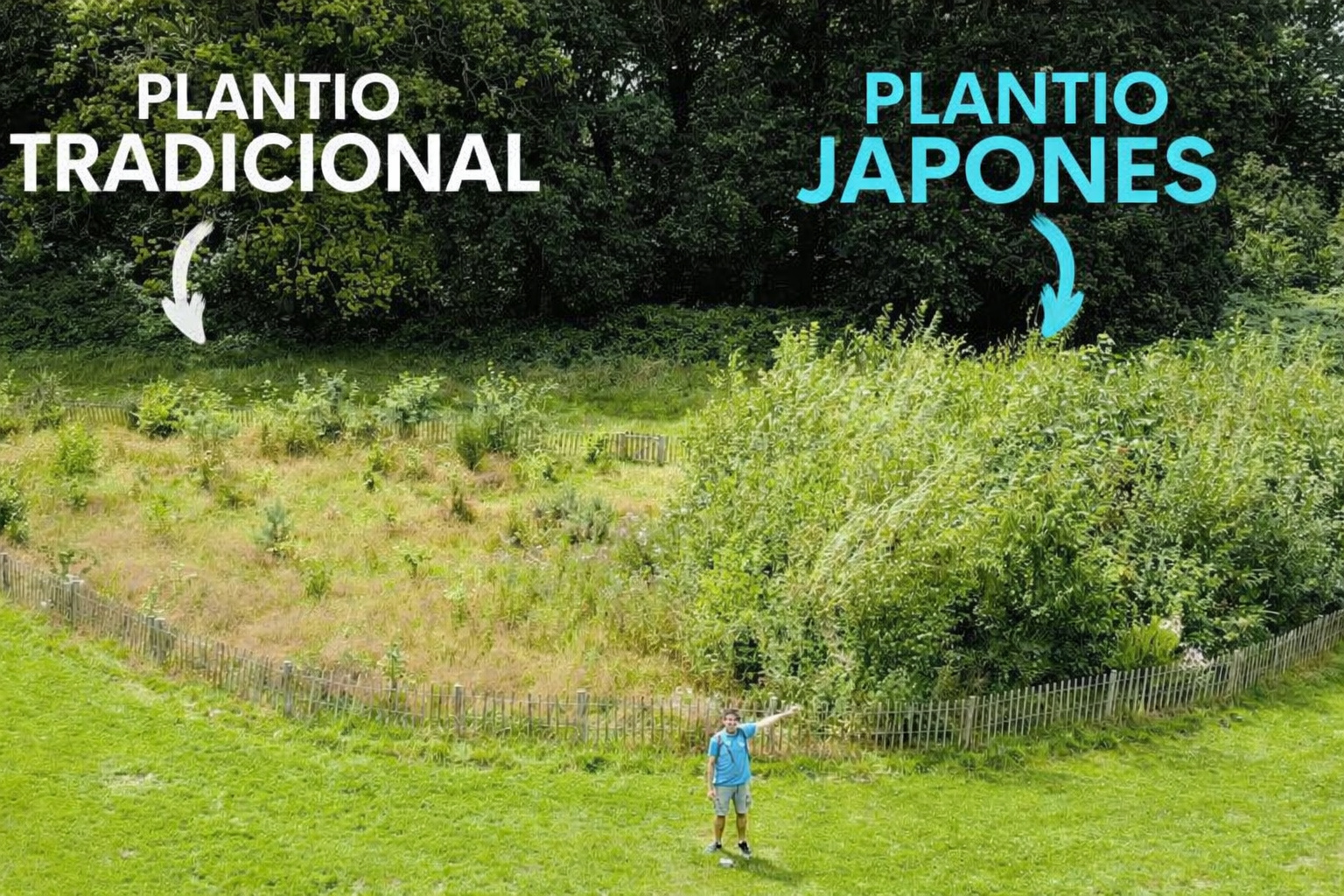
Engineer creates reforestation method that transforms small plots into dense forests in a few years using local biomass and can reduce environmental recovery costs.

Quilombola Certification Strengthens Sustainable Economy in the Recôncavo
During the event, the Secretary of Quilombola Traditional Territories and Production Systems (SETEQ/MDA), Edmilton Cerqueira, highlighted that origin identification seals are essential tools for ensuring food and nutritional security and territorial protection.
Products such as dende oil, honey, liqueurs, seasonings, and coconut oil now have official certification, which adds value and recognition to local production.
For quilombola and activist Ananias Viana, from Quilombo Kaonge, the seal represents a strengthening of trade and recognition of collective work.
According to him, the certification opens new doors for marketing and visibility of quilombola products at fairs, cultural events, and digital platforms.
The Quilombos of Brazil Seal also symbolizes the expansion of economic autonomy and the encouragement of a sustainable economy, connecting tradition with broader and fairer market opportunities.
Family Agriculture and Productive Inclusion with the Quilombos of Brazil Seal
The initiative from MDA, in partnership with the Ministry of Racial Equality (MIR), the Ministry of Culture (MinC), and the Palmares Cultural Foundation, integrates the Support Program for Strengthening Ethnodevelopment (PAFE).
The goal is to increase the productive and social inclusion of traditional peoples and communities. Along with the Indigenous Seals of Brazil and Traditional Peoples and Communities of Brazil, the Quilombos of Brazil Seal strengthens family agriculture and ensures visibility for sustainable production practices.
The certification directly contributes to the competitive positioning of products in local and regional markets, valuing cultural identity and stimulating income generation.
The government strategy seeks not only to certify but also to protect traditional ways of life and knowledge, preserving quilombola territory and culture.
Cultural Recognition and Free Access to Certification
Another relevant point is that obtaining the Origin Identification Seals is free of charge.
Communities can apply through the site www.vitrine.mda.gov.br, provided they are registered in Family Agriculture and present the required documentation for the National Seal of Family Agriculture (Senaf).
This public policy brings quilombos closer to market opportunities, reduces bureaucracy, and encourages the formalization of local production.
Thus, the Quilombos of Brazil Seal consolidates itself as a milestone of cultural appreciation and sustainable development, reinforcing the importance of solidarity economy, productive diversity, and the identity of quilombola communities in the national scenario.








Seja o primeiro a reagir!