





 English
  Francês
  Alemão
  Italiano
  Japonês
  Norueguês
  Portuguese
  Spanish
  4 min of reading
  0 comments


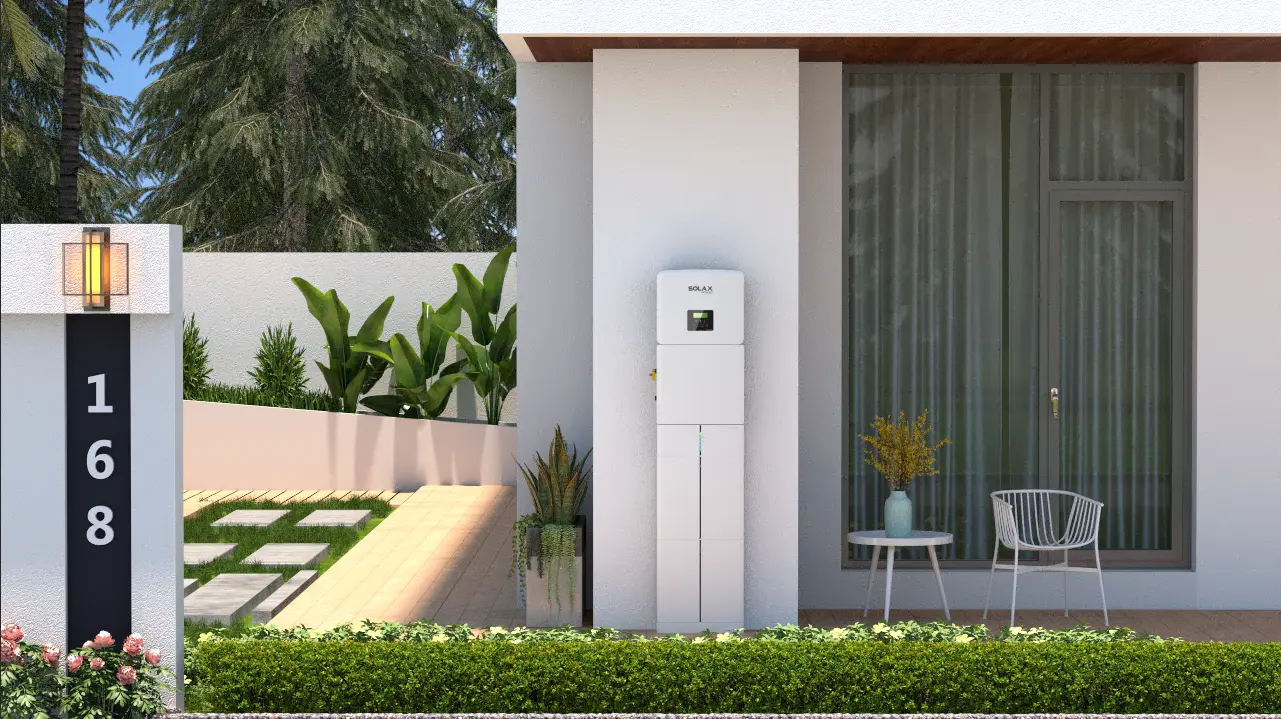
Stopping Global Warming Is One of Today’s Greatest Challenges, As Climate Crisis Worldwide Has Caused Extreme and Often Devastating Weather Events, Such as Hurricanes, Storms, or Worrying Heatwaves. And Brazil Is Not Exempt from This Scenario. Just This Summer of 2024, Damage from Flooding Between January and March, Especially in the Central-South, Along with Floods and Fatalities, Caused Blackouts That Left, For Example, The Largest Metropolis in Latin America in a Blackout That Lasted Up to Seven Days in The First Month of The Year, a Situation That Repeated Itself in Some Neighborhoods of The Same City in March.
A Few Days Before The Start of Autumn, Both The São Paulo Capital and The Entire Central-South of Brazil Felt The Effects of A New Heatwave, Which Raised Temperatures to Historical Levels, For Example, In The State Capital, Which Recorded Over 40º C and A Feels-Like Temperature That Exceeded 62º C. The Reflection of This Heatwave, According to The ONS (National Electric System Operator), Was That, At 2:37 PM on March 15, Energy Consumption Set A Record, Reaching 102,478 MW. The Previous Record Had Been Broken on February 7 of This Year, When 101,860 MW Were Consumed. Since November 2023, The SIN Has Been Recording Successive Demand Records Due to Heatwaves.
This Is A Scenario That Has Accelerated The Race for Alternatives That Do Not Impact The Environment and, Consequently, Lead to An Even More Concerning Situation. And This Search Includes Renewable Energy Sources, Such as Solar Energy. Brazil Is Starting to Follow The Path of Many Countries That Have Already Embraced, On A Large Scale, Solar Energy Storage. And This Energy Source Has Been Essential to Meet Brazilian Energy Demand, Especially Given The Increasingly Frequent Occurrence of These Phenomena, Being A Vital Complement to Hydroelectric Plants. Currently, According to Absolar (Brazilian Solar Energy Association), Solar Energy Represents 40 GW of Installed Capacity, Accounting for 17.4% of The Brazilian Electric Matrix.
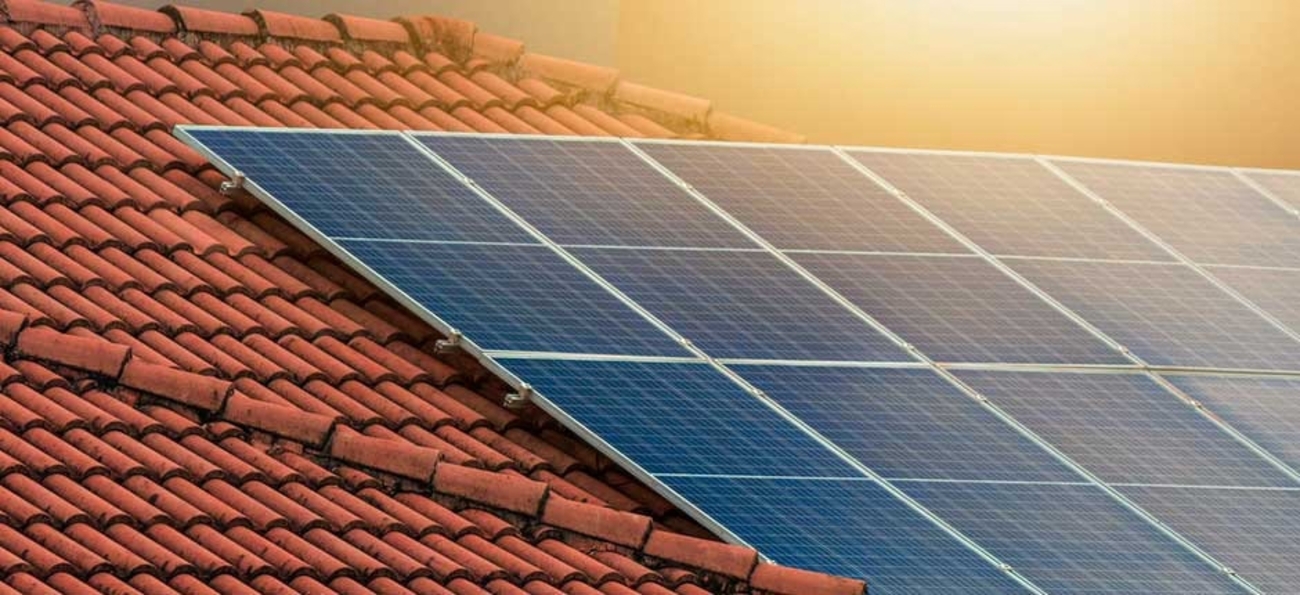
Beyond Its Importance As A Complementary Energy Source, Brazil Is Moving Toward The Next Step of Photovoltaic Solar Energy – Battery Storage. But First, It Is Important to Explain The Difference Between This and The Traditional Solar Energy System. In The Traditional System, The Photovoltaic Solar Generator Is Connected to The Utility Grid – During The Day, The Consumer Uses The Energy They Produce, While The Surplus Is Injected Into The Grid, Generating Credits With The Utility. At Night, These Credits Are Compensated, Meaning That In This Traditional System, There Is Still An Energy Dependency on The Utility Grid.
And This Is Exactly The Main Difference Between The Photovoltaic Solar Energy Storage System in Batteries. For This System to Function, It Is Necessary to Acquire Hybrid Inverters, Which Are The ‘Brain’ of The System, Meaning Equipment That Can Operate Simultaneously With A Source of Energy (Solar Panels) and A Battery Bank.
The Inverters Operate Connected to The Grid While The Battery Bank Is Charging, or Vice Versa, For Example, During Nighttime or Rainy Periods. Consequently, Even in The Event of Blackouts, The System Prevents Electrical Supply From Being Interrupted. And This Simultaneous Operation Is What Distinguishes It From Other Inverters.
In Other Words, One of The Main Advantages of The Storage System Is That, During The Day, Instead of Injecting Into The Grid The Energy That Is Not Consumed, It Is Directed to The Battery and Can Be Used Later. Therefore, There Will Be No Dependency on The Electric Grid, Along With A Substantial Savings on The Energy Bill, Which Can Reach Up to 95%, Making The Battery Storage System Pay Off in 6 to 8 Years.
For Industry or Commerce, This Storage Ensures Energy Security, As, In The Event of A Blackout, Staying Without Power for Too Long Can Create A Very Complicated Situation. And For Residential Customers, With So Many People Working From Home, As Well As Those Who Depend on Health Equipment That Runs on Electricity, It Is Essential That There Are No Power Interruptions.
And Since It Is A Market That Is Just Beginning to Enter The Country, SolaX Power, A Global Company Based in China, Which Was The First Manufacturer of Hybrid Inverters in Asia in 2013, Is Starting Its Brazilian Operations Bringing All This Know-How With The Goal of Boosting This Market. The Company Aims to Turn Brazil Into One of The Main Global Players.
Such Optimism Is Justified: There Is A Huge Untapped Potential in Brazil. According to Data From The Solar Free Movement, Brazil Has 93.5 Million Consumer Units and Only 3.4 Million Have Distributed Generation (That Electricity Generated On-Site, Such As Renewable Energy), Meaning 2.95%.
And With A Reduction of Over 40% in The Value of Solar Panels in 2023, According to A Study by Portal Solar, The Trend Is That The Attractiveness of This Energy Source Will See Significant Growth, A Scenario That, Along With The Ability to Store This Clean Energy, Ensures Energy Security and Reduces Payback (The Period Required for The Cost of Acquisition and Installation of Equipment to Be Recovered).
This Reduction in The Payback Period Is An Important Indicator of The Competitiveness of Photovoltaic Systems, As The Shorter The Timeline, The More Attractive It Is to Invest in This System, and With The Decrease in The Cost of Solar Panels, The Downward Trend Is Real.
Gilberto Camargos
Executive Director of SolaX Power in Brazil
Inscreva-se
Entrar
0 Comentários
Mais recente











Seja o primeiro a reagir!