





 Portuguese
  English
  Spanish
  6 min of reading
  2 comments


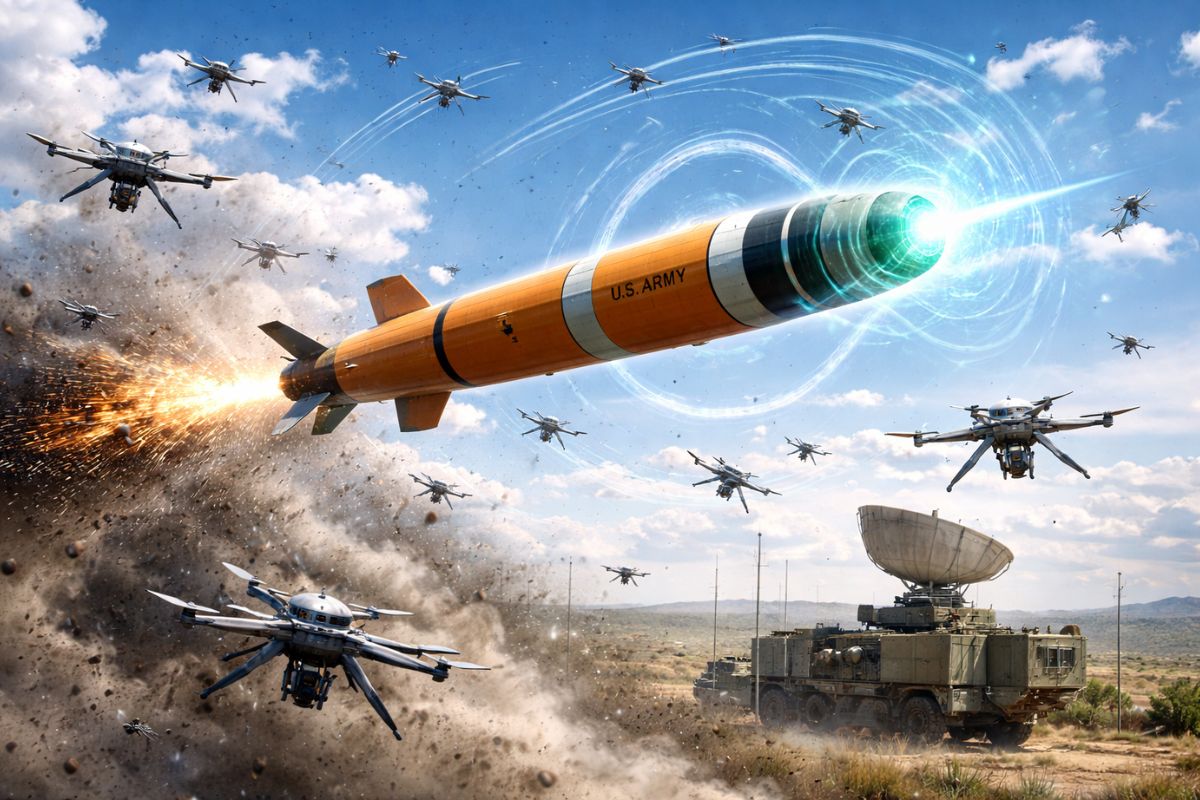


The Coyote Block 3 NK Anti-Drone System Was Presented Against Swarming Drones, with Recovery After Mission and Focus on Air Defense.
The anti-drone that stands out in the material is the Coyote Block 3 NK, a variant designed to tackle swarms with a logic different from traditional defense. Instead of responding with expensive missiles or conventional fire, this system appears as a solution capable of disabling drones in mid-air without visible impact, without apparent explosion and, reportedly, with a focus on multiple targets at the same time.
This changes the perspective on combating low-cost, high-volume aerial threats. When dozens of drones advance simultaneously, anti-drone defense ceases to rely solely on sheer power and begins to demand efficiency, scalability, and reusability. It is precisely at this point that the Coyote Block 3 NK emerges as a significant bet by the United States in the race for more economical and better-adapted systems for saturation attacks.
What Makes the Coyote Block 3 NK Stand Out
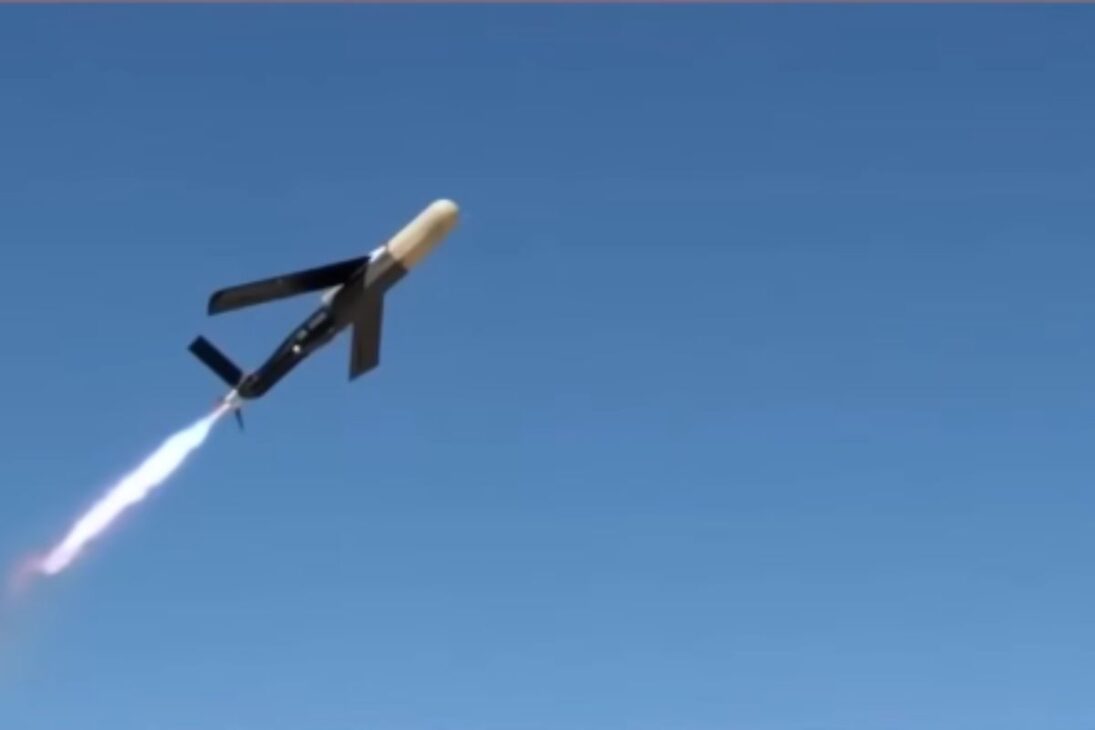
The main differential of this anti-drone model is that it is described as non-kinetic. In practice, this means that neutralization of targets does not depend on direct collision or a traditional explosive warhead.
-
A “silent skill” is allowing Brazilians to earn up to R$ 22,000 per month without a degree and become indispensable for companies that rely on millions of data to survive.

-
Researchers at the Toyota Research Institute found that if a human uses robotic arms to flip a pancake 300 times in an afternoon, the robot learns to do it on its own the next morning, and this is currently the most promising method to solve the biggest bottleneck in modern robotics.

-
Goodbye iron: a common item in households is starting to lose space to technology that smooths clothes in minutes without an ironing board and with less energy consumption.

-
Antarctica reveals an unusual clue high in the Hudson Mountains, and what appeared to be just an isolated rock began to expose a secret hidden under the ice for ages.


In the images cited in the material, the drones simply fall from the sky as they approach the Coyote, with no clear signs of physical impact.
This behavior suggests a type of action that deviates from the pattern of more well-known interceptors. The strength of the system lies not just in downing but in disabling the target in a cleaner, more controlled, and potentially more advantageous way in attacks with many drones at the same time.
As the exact method was not disclosed, the text mentions speculations about electromagnetic neutralization or electronic warfare, but without official confirmation of the mechanism.
How the Anti-Drone System Was Presented in Tests
According to the provided information, the tests shown occurred at the Yuma testing ground in Arizona, in early 2026.
The goal was to validate the new variant of the Coyote under a saturation scenario, with about ten drones approaching from different directions simultaneously.
The described result strengthens the project’s image as a new stage in anti-drone defense. The targets would have been tracked, locked, and neutralized without any escaping.
After the mission, the Coyote itself was guided to a large net, where it could be recovered intact and reused.
This detail is one of the strongest points of the entire concept, as it changes the operational and financial equation of air defense.
Why Recovering the Interceptor Changes Everything
In traditional systems, the defender usually spends one interceptor per target or engagement. This works but comes at a high cost when the attack comes in volume. In the case of the Coyote Block 3 NK, the reasoning is different: the anti-drone system can be launched, act on more than one threat, and then return for recovery.
This possibility alters the logic of combating swarms. Instead of quickly exhausting the launcher, defense operates with an effector that can return to service after the mission.
This is important not only for cost but also for response rate. In successive waves of attack, reducing recovery time and reusing the structure can significantly enhance defensive capacity.
The Advantage of Downing Without Visible Explosion
Another relevant point of the anti-drone concept lies in how the targets are neutralized. As the material describes falls without flare, visible fragmentation, and direct collision, the system can offer an added advantage in sensitive areas.
When an enemy drone explodes near critical infrastructure, allied troops, or populated areas, the debris can also cause damage.
In this context, deactivating the target without an apparent explosion can reduce collateral consequences and give more control to the defender. For scenarios where multiple drones approach simultaneously, this becomes even more relevant.
Where the Block 3 NK Fits Within the Coyote Family
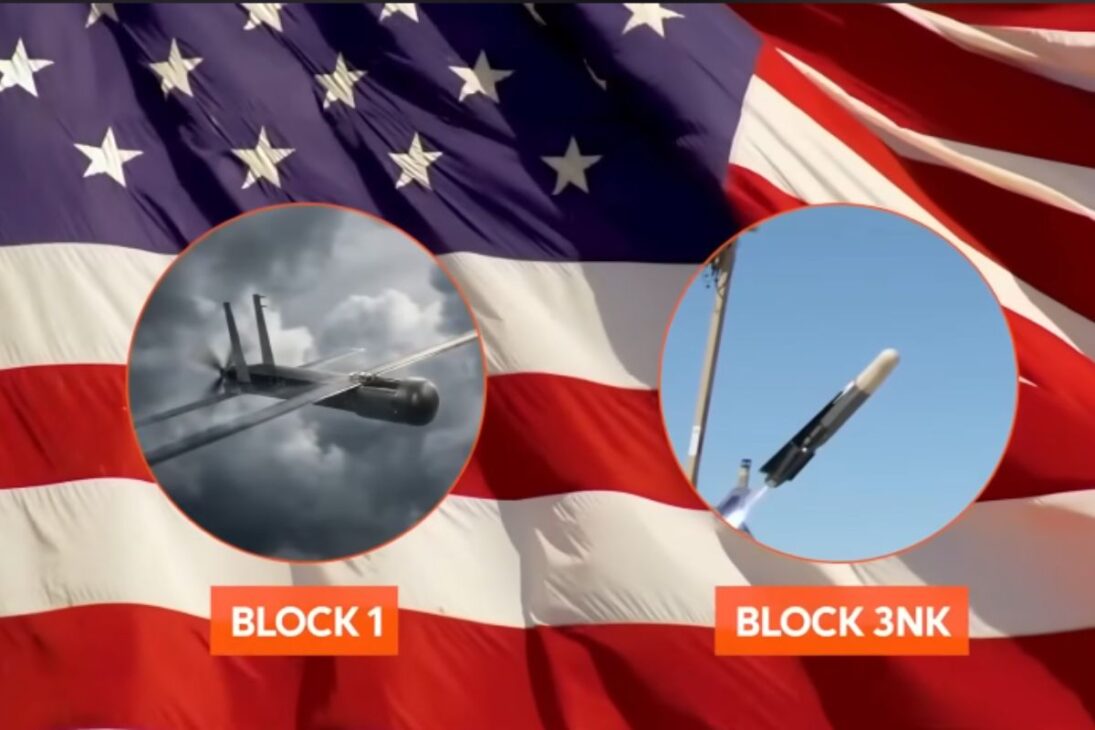
The Coyote Block 3 NK does not emerge out of nowhere. It appears as the third major evolution of a platform that already had earlier versions in use by the United States.
The Block 1 was linked to surveillance and reconnaissance missions, launched from a tube and operated as a compact unmanned aerial vehicle.
Then came the Block 2, described as a faster interceptor, jet-powered, and designed to function as a more direct response against enemy drones.
Now the Block 3 NK expands this line by introducing a non-kinetic and reusable anti-drone capability. In other words, the platform evolves from observation and interception to a more sophisticated proposal for mass neutralization.
The Focus on Swarms Makes the Project Even More Strategic
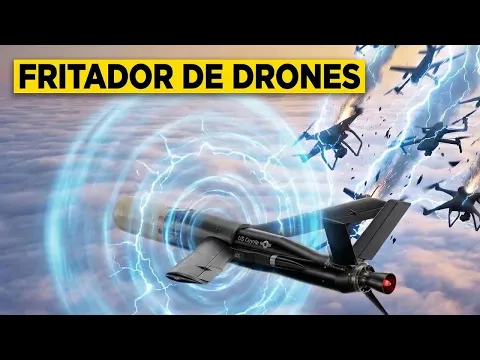

The threat of swarms constantly appears in the material as a backdrop for the advancement of the Coyote Block 3 NK.
This makes sense because attacks with many drones present defense with a different problem from facing a single target.
It’s not enough to detect and knock down. It must be done quickly, at scale, and cost-effectively. It is precisely where an anti-drone system capable of engaging multiple UAVs, without spending an expensive missile per threat, gains strategic weight.
The Block 3 NK starts to be seen not just as a new product, but as a practical response to a type of air warfare that has become cheaper to attack and more expensive to defend.
The Cost Factor Also Helps Explain the Interest
The base makes it clear that there is a growing concern over the cost of defending bases, troops, and ships against relatively cheap drones.
Traditional missiles remain useful, but they are not always the best response when the target is simple, numerous, and launched in mass.
In this scenario, the Coyote Block 3 NK gains strength as an anti-drone solution because it tries to balance this equation. If it can neutralize multiple targets and still be recovered, defense no longer has to respond solely with high-cost, single-use weapons.
This point helps explain why the project appears as such an important bet within the defense structure of the United States.
Network Capability Expands the Role of the System
Another aspect mentioned in the material is the possibility of the Coyote operating in a network with other systems of the same family. This means sharing targets, dividing engagement decisions, and acting coordinately in the same threat environment.
This type of architecture strengthens the anti-drone proposal further, as a swarm is not a simple or linear problem.
It demands rapid reading of the airspace, almost simultaneous reaction, and coordination among sensors, radars, and interceptors.
When multiple vectors can act as a team, defense moves from being merely reactive to building a more intelligent response field.
Why the Coyote Block 3 NK Is Drawing So Much Attention Now
Interest in the project is growing because it combines three attributes that rarely appear together in the same system: non-kinetic neutralization, capability against swarms, and recovery after the mission.
Each of these points would be significant on its own. Together, they transform the Coyote Block 3 NK into something particularly notable in the race for anti-drone solutions.
More than just downing drones, the system attempts to offer a more sustainable way to face repeated and numerous attacks.
In a scenario where adversaries are increasingly investing in swarms, the defense that can respond at scale, with lower cost and reuse may gain a decisive advantage.
What This Anti-Drone Bet Could Represent
If the performance observed in tests is confirmed in real deployment, the Coyote Block 3 NK could change how bases, ground forces, and naval assets prepare for UAV attacks.
The gain is not just in destroying threats but in doing so with more flexibility, less waste, and greater operational persistence.
Therefore, the system appears as one of the most interesting proposals at the moment within the anti-drone universe. It responds to a modern problem with a similarly modern logic: neutralizing without exploding, engaging multiple targets, and returning to be used again.
It is this combination that transforms the Coyote Block 3 NK into a standout piece in the new phase of air defense against drones.
What do you think, could a recoverable and non-kinetic anti-drone system truly become the most efficient response against swarms in the future?






Kkkkkk… na China essa Netflix já passou.
Muito bom … Pulsos eletromagnéticos !