





 Portuguese
  English
  Spanish
  4 min of reading
  7 comments





Meta Zuckerberg Is Exploring Revolutionary Energy, More Powerful Than Nuclear and Photovoltaic, That Could Transform the Future of Technology
Mark Zuckerberg and Meta are testing a revolutionary energy source, excluding alternatives such as nuclear and photovoltaic energy. The initiative seeks to explore innovative solutions to meet the growing energy demands of the company’s operations, pointing to a more efficient and sustainable future.
In a historic milestone, Meta Platforms Inc. (Meta) announced a strategic partnership with Sage Geosystems Inc. to explore the use of geothermal energy in its data centers in the United States.
This innovative project, with a capacity of 150 MW, marks Mark Zuckerberg’s first foray into geothermal energy and is expected to be completed by 2027. The initiative reflects the company’s commitment to a technological sustainable infrastructure, aggressively targeting the energy sector.
-
Man builds functional 5-meter submarine in his garage using gas cylinders, PVC pipes, and a refrigerator motor, and navigates with the vessel on a lake in Colombia.

-
Millions of people have been eating yam for centuries without knowing that this humble tuber contains a compound called diosgenin, which scientists have now discovered can improve memory and help control blood sugar levels.

-
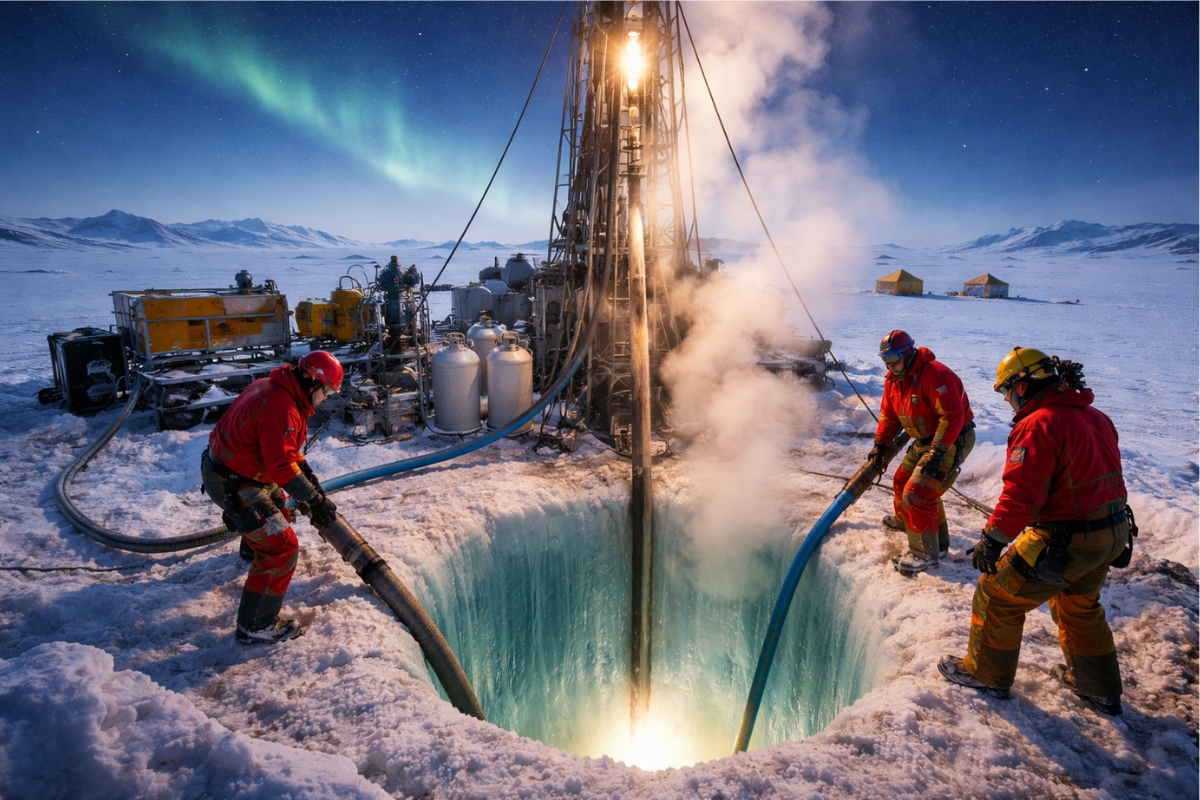
Scientists from an international project drill 1,800 meters of ice in Antarctica using hot water and discover details about one of the most intriguing places on planet Earth.
-
Seen from space, a colossal volcano nearly 5,000 meters high in Russia has released 1,600 km of smoke over the Pacific, forming “devil’s horns” of lava and revealing the brutal force of the Ring of Fire.


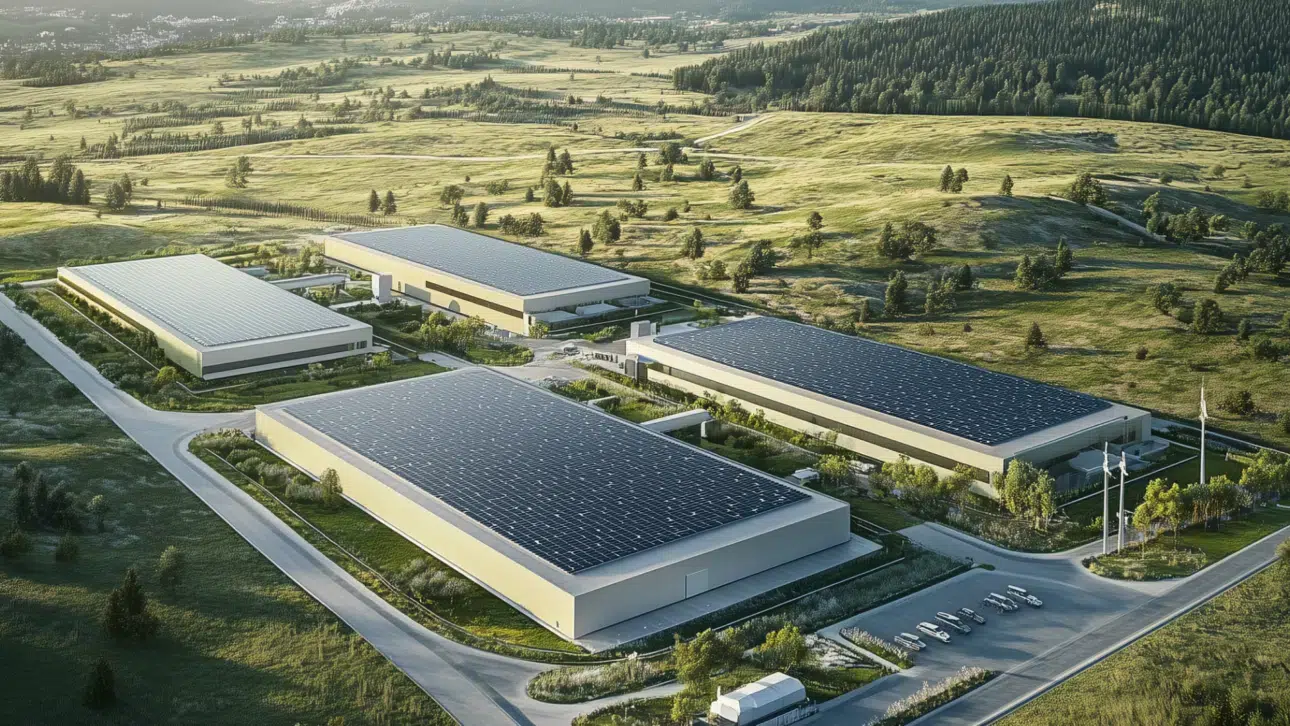
Mark Zuckerberg Takes Important Steps for Geothermal Energy
The collaboration between Mark Zuckerberg’s Meta and Sage Geosystems aims to implement the Geopressured Geothermal Systems (GGS) geothermal energy system developed by Sage.
This project will be the first to utilize this technology in the eastern region of the Rocky Mountains, expanding the operational reach of cutting-edge geothermal systems. Pilot studies have already demonstrated the success of the GGS, and its application in this project represents a significant advancement in the development of geothermal technologies in a shorter time frame.
The announcement of the partnership was made during a U.S. Department of Energy workshop focused on developing the next generation of geothermal energy. During the event, Deputy Secretary David Turk highlighted the importance of smart and reliable sources to meet the growing energy demands.
Meta of Mark Zuckerberg Advances in Net-Zero Emissions Strategy
The project aligns with Mark Zuckerberg’s Meta goal of achieving net-zero emissions across its entire supply chain by 2030.
By incorporating geothermal sources into its energy mix, the company seeks to reduce its carbon emissions and expand its operations sustainably. Urvi Parekh, representative of Renewable Energy Innovations at Meta, emphasized the relevance of geothermal energy as a constant and carbon-free source that significantly enhances the reliability and economics of the electrical grid.
This project joins Meta’s renewable energy portfolio, which already includes large-scale solar energy agreements and ongoing efforts to reduce emissions. With partnerships like this, the company aims to diversify its sources, making them more reliable and multifaceted.
Mark Zuckerberg’s Geothermal Energy for the Future
The partnership also reinforces the role of Sage Geosystems as a pioneer in the geothermal energy sector. Unlike solar and wind energy, which depend on weather conditions, geothermal energy is a constant and dispatchable source.
This characteristic makes it ideal for meeting the growing demands of the technology sector. Although it currently accounts for only 0.4% of electricity generation in the U.S., the expansion of geothermal energy shows promising signs for the future.
The new commercial project by Sage will be integrated into the ERCOT grid, serving as a model for the implementation of geothermal energy in different regions and facilitating its expansion within the energy system. Meta and Sage are establishing a paradigm in the convergence of technology and clean energy, highlighting geothermal energy as a key piece in the renewable sources puzzle.
Corporate Sustainability in Focus
With plans to rely 100% on renewable sources by 2030, Mark Zuckerberg’s Meta reaffirms its commitment to corporate sustainability and the energy transition in the U.S.
The partnership with Sage is another step towards a positive and sustainable climate future, demonstrating how collaboration between companies can drive innovation in the renewable energy sector.
This effort not only strengthens Meta’s environmental goals but also helps to consolidate geothermal energy as a viable and compact solution for the necessary energy transitions in an increasingly technology-dependent world.
What Is Geothermal Energy?
Geothermal energy is a renewable energy source that harnesses the natural heat stored within the Earth. This heat is generated by natural processes, such as the decay of radioactive elements in the Earth’s core, and can be accessed through underground reservoirs of hot water or steam. These reservoirs can be found at varying depths, ranging from a few meters to several kilometers below the surface.
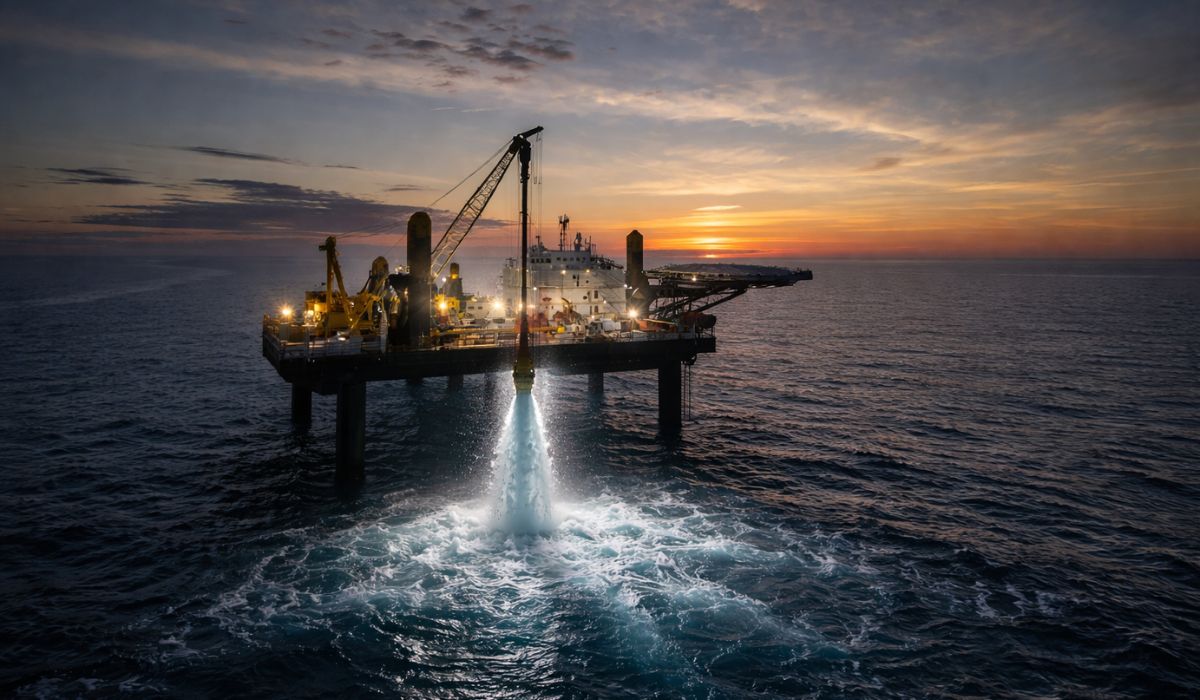
The process of generating geothermal energy involves drilling wells to access these reservoirs and using the heat to drive turbines that produce electricity. In systems like Geopressured Geothermal Systems (GGS), the technology goes further, using pressure and heat contained in deep reservoirs to optimize energy generation.
Advantages of Geothermal Energy
Geothermal energy offers several advantages, making it an appealing option in the energy mix:
- Consistency of Generation: Unlike solar and wind energy, which are intermittent and weather-dependent, geothermal energy provides a constant and predictable energy source, ideal for meeting high reliability demands.
- Low Carbon Emissions: The generation process in geothermal facilities emits a minimal amount of greenhouse gases, contributing to reducing environmental impact.
- Spatial Efficiency: Geothermal plants occupy less physical space compared to equivalent-sized wind or solar farms.
- Expansion Potential: With technological advancements, such as Sage Geosystems’ GGS, it is possible to explore areas previously considered unviable for geothermal energy, expanding the reach of this source.
Despite its benefits, geothermal energy faces technical and economic challenges. Deep drilling to access geothermal reservoirs can be expensive, and success depends on finding suitable locations with specific geological conditions. Additionally, the expansion of this source requires greater awareness of its potential and investments in research and development.







Espero que não acordam o Godzilla com esses barulhos.
Artigo muito **** a empresa não é pioneira nem os sistemas são inéditos, esta tecnologia é pesquisada e teve muitos testes maus de 40 anos atrás, e esta energia é largamente usada na Islândia, o site é tão ruim quanto seus artigos são fracos
Todo tipo de energia renovável é bem vinda, a preocupação é por conta da saturação e meios ecológicos.