





 Portuguese
  English
  Spanish
  4 min of reading
  0 comments


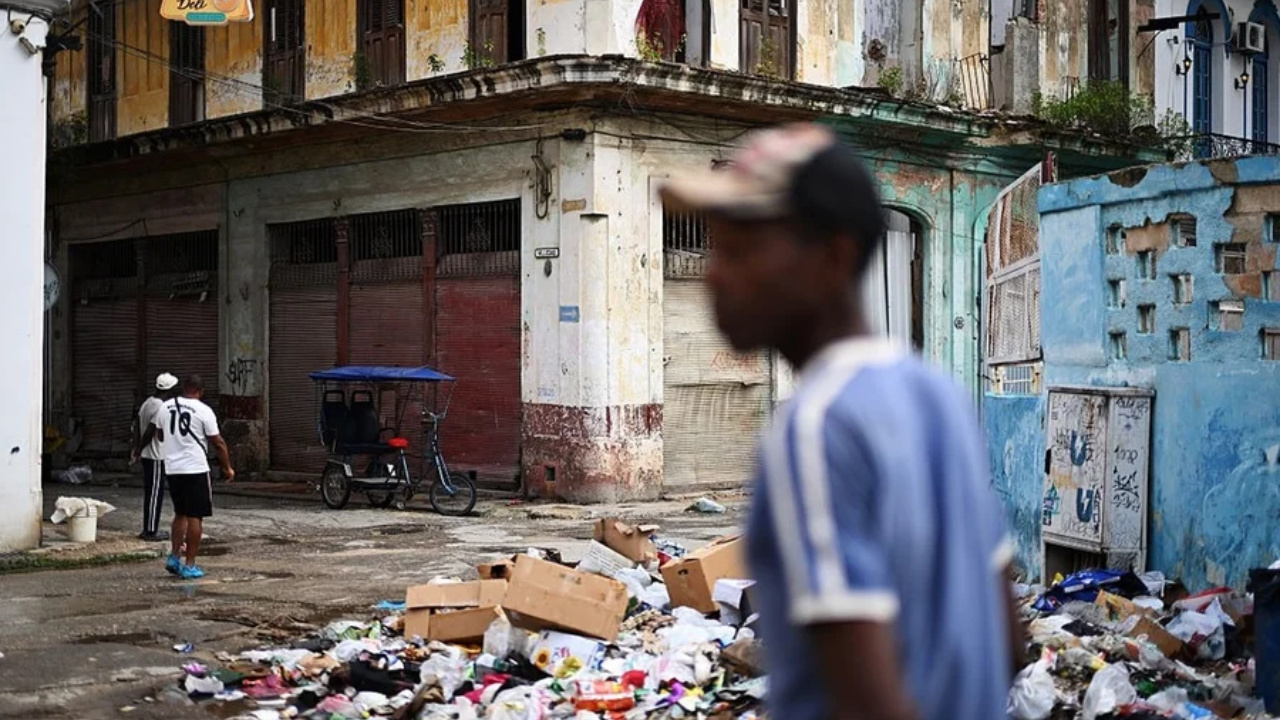
Oil Shortage from Venezuela Paralyzes Cuba, Disrupts Basic Services, and Places the Country at the Center of a New Dispute Between the United States, Russia, and China.
The oil has become the trigger for one of the biggest crises ever faced by Cuba. In a few days, the island went from a difficult scenario to a situation described by analysts as unsustainable.
The interruption of Venezuelan supplies, following actions by the United States in the region, caused a blackout in almost all sectors of the country.
Without fuel, everything came to a halt. Electricity, transportation, tourism, work, and even classes vanished from the daily lives of Cubans.
-
Brazilian giant expands borders in the Southeast: Petrobras confirms new oil discovery in ultra-deep waters in the pre-salt of the Campos Basin.

-
Alert in the global energy market: Severe tropical cyclone hits the coast and disrupts gas production at major plants in Australia, threatening global supply.

-
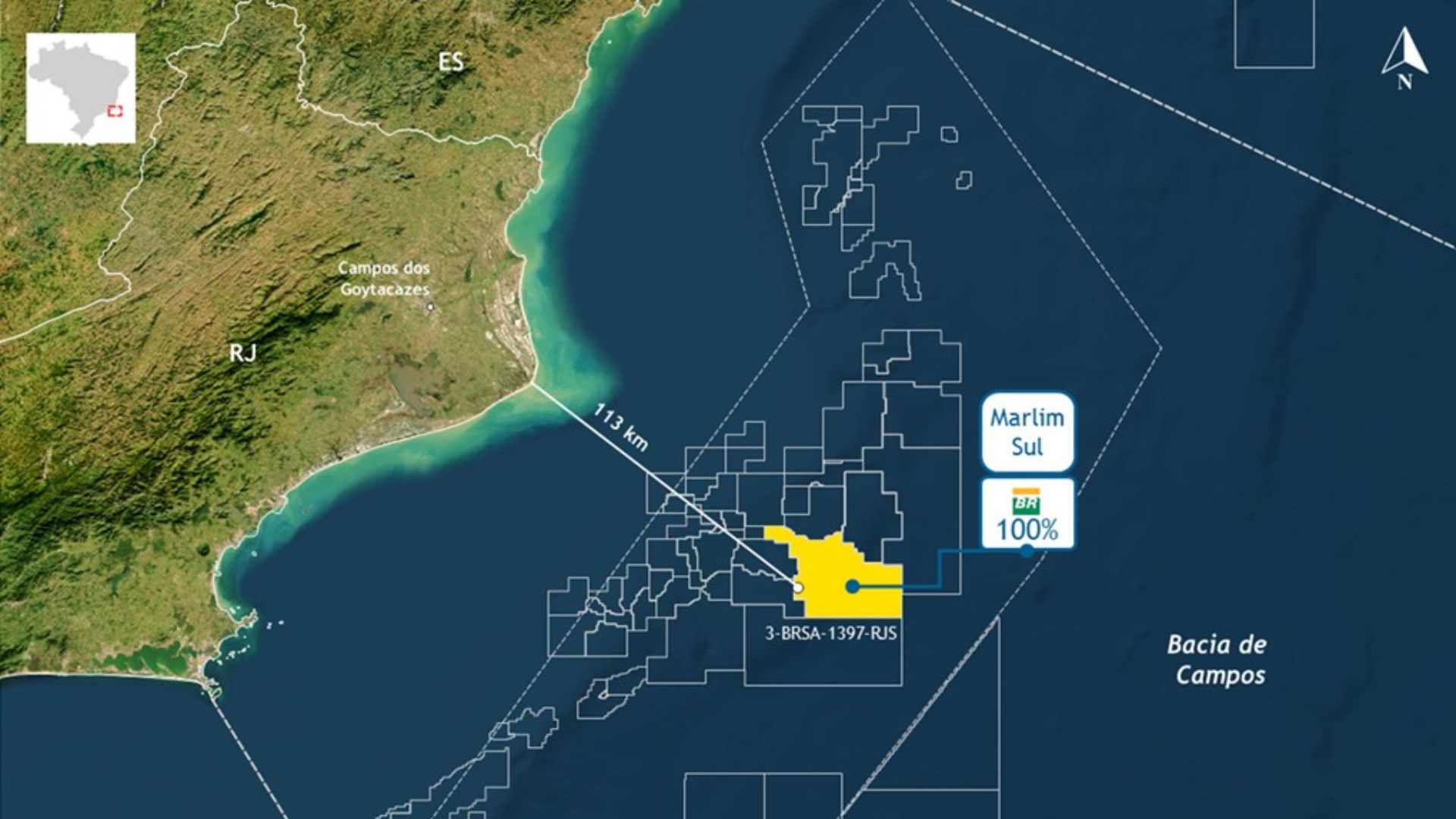
Petrobras finds high-quality oil in the pre-salt at 113 km from RJ and reignites expectations about strategic reserves in the Campos Basin.

-
Ocyan opens registrations for startups focused on innovation in the oil and gas sector and will select projects for Innovation Day with the support of Nexio.

Without Oil, Life in Cuba Is Collapsing
The dependency on Venezuelan oil was one of the last anchors of the Cuban economy. Part of this fuel was used within the country itself. Another part was resold to generate hard currency.
Now, without this flow, the little that still functioned has ceased to exist. In many regions, electricity lasts only an hour a day. In some places, not even that.

Buses are not running. Private cars are parked. Flights have stopped. Without kerosene, airports are practically empty.
As a result, tourism, one of the main sources of dollars, was interrupted. Even luxury hotels for foreigners are already facing blackouts.
The oil crisis has even affected symbolic spaces. The Karl Marx Theater in Havana announced the suspension of its activities due to lack of energy.
Ironically, the venue was known for comedy shows. Many of them mocked the regime itself. One of the most common themes was the garbage scattered in the streets.
A comedian once said: “when people start talking about garbage, the internet doesn’t work.” The phrase became a symbol of censorship and state control.
Now, the internet doesn’t work properly either.
Public Employees Without Work and Without Salary
With buildings without electricity, public servants are being laid off. There’s not even a way to pretend to work.
Moreover, there is growing fear that salaries, already low, will not be paid. The state machinery that sustained the regime is grinding to a halt.
Official propaganda has always spoken of strong public services. However, in day-to-day life, they have simply disappeared.
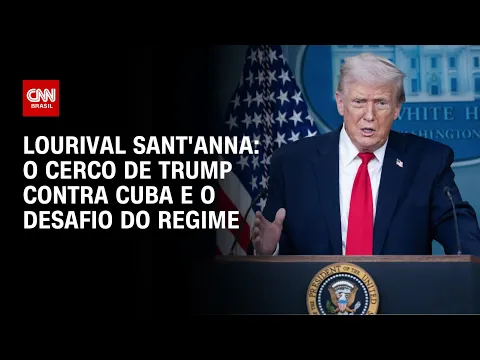
In light of the collapse, Vladimir Putin stated that he is considering sending oil tankers to Cuba. The measure, if confirmed, would place the island once again at the center of tension between Moscow and Washington, resembling the missile crisis of 1962.
However, few believe that Russia really wants to buy this fight.
China declared that it “strongly supports Cuba in safeguarding its national sovereignty and security.” But supporting with words is one thing. Confronting the United States over Cuba is another.
Mexico is experiencing an even more delicate situation. The country has historical ties with Havana, but also depends on its relationship with Washington. President Claudia Sheinbaum is navigating unstable ground.
U.S. Also Fears Humanitarian Outburst
The U.S. government does not desire a wave of desperate Cubans trying to escape in makeshift boats, as happened in the past.
The special asylum regime for Cubans is over. Even so, a humanitarian crisis on the island would put political pressure on Washington.
At the same time, Americans do not want Cubans to appear as victims of the oil boycott, which would empower the narrative of the international left.
Trump Wants an Agreement, But the Cuban Regime Resists
Donald Trump has already said he wants an agreement. However, the Cuban one-party system makes any concession difficult without dismantling the entire structure.
Miguel Díaz-Canel is seen as a hardliner. He does not have the power of the Castro brothers but represents the rigidity of the regime.
In the background, the model used in Venezuela draws attention. There, government figures remain in their positions but follow directives from the U.S.
Marco Rubio, the U.S. Secretary of State, would be ready to repeat the script in Cuba.
Do you think Cuba has the strength to continue resisting, or will it end up yielding to the U.S. government?








Seja o primeiro a reagir!