





 Portuguese
  English
  Spanish
 3 min of reading
  0 comments


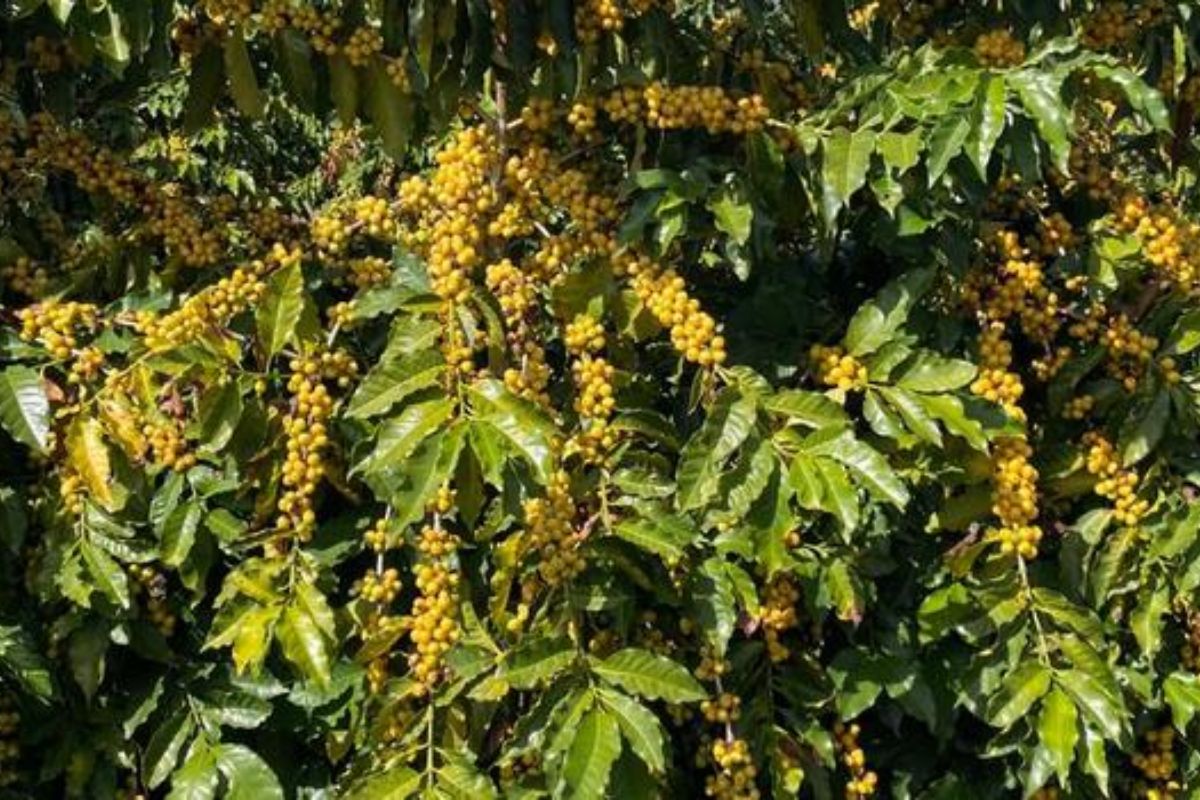
During The International Coffee Week 2025, Epamig Presents The Arabica Cultivar ‘Amarelão’, Developed To Unite Productivity, Sustainability And Resistance, Strengthening Brazilian Coffee Farming With Technology And Innovation
The International Coffee Week 2025 marks a historic moment for Brazilian coffee farming with the launch of the new arabica coffee cultivar “MGS Epamig Amarelão,” according to a report published.
Developed by the Minas Gerais Agricultural Research Company (Epamig), in partnership with Federal University of Viçosa (UFV) and Embrapa Coffee, the innovation is the result of more than 40 years of research dedicated to improving the performance of the bean in different systems and cultivation conditions.
The highlight is its high productivity, resistance to diseases, and excellent drink quality, characteristics that promise to transform the routine of producers in various regions of the country.
-
Brazil has just secured a secret route through Turkey to save agribusiness exports that were threatened by the closure of the Strait of Hormuz amid violent clashes in the Middle East.

-
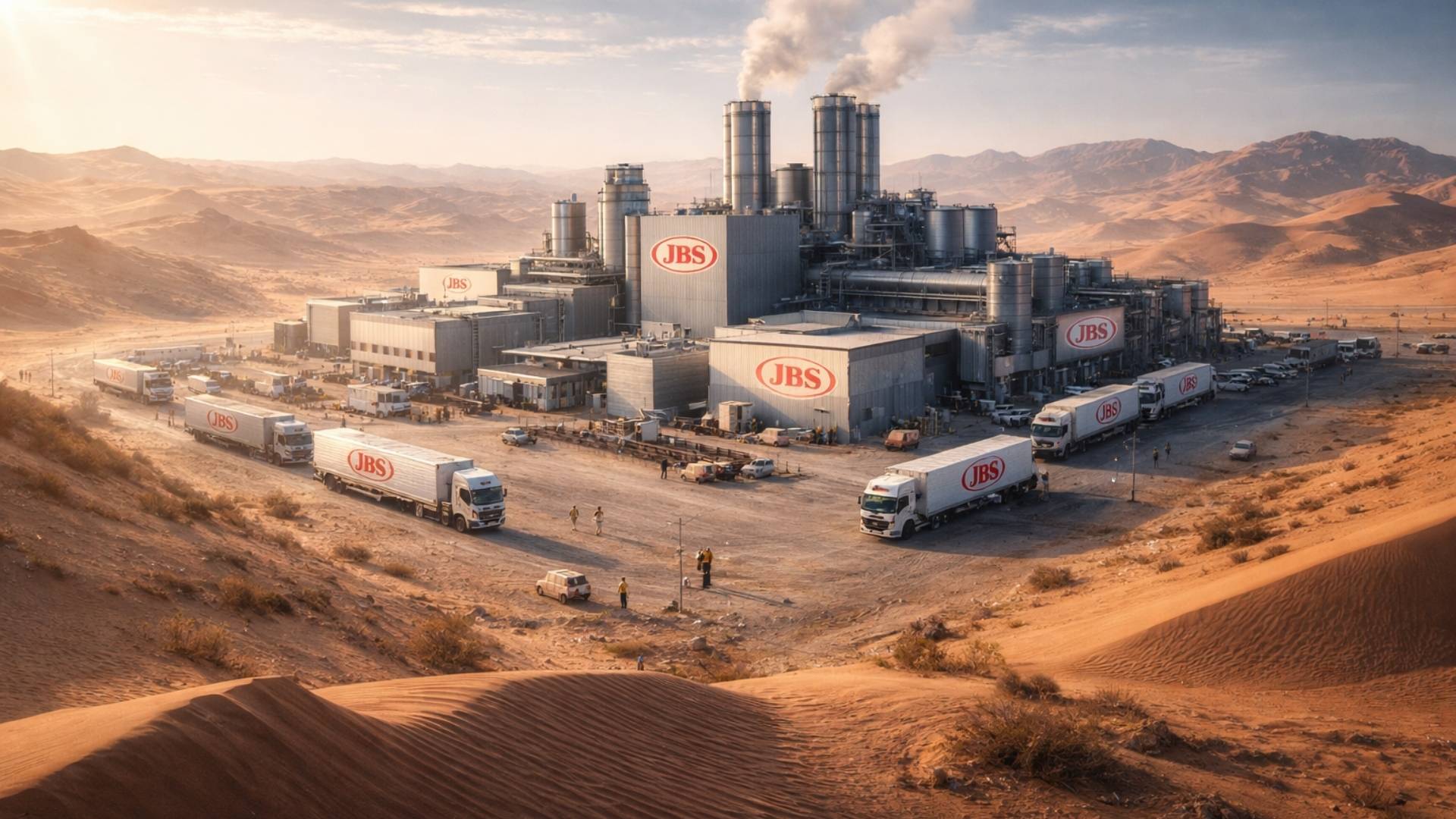
JBS, founded by the Batista brothers, continues to conquer the world: the entrepreneurs built a ‘factory in the desert’ with 3,000 jobs.
-
With only 1% of Brazilian territory, Santa Catarina has built one of the most competitive industrial parks in the country with 64,000 companies, nearly 1 million jobs, and a growth of 5.3% while the national industry is practically stagnant.

-
China banned the export of 22 tons of meat from Argentina.


A Drought-Resistant Arabica Cultivar Ideal For Sustainable Production Systems
The “Amarelão” emerges as a symbol of innovation in sustainability and productive efficiency.
The crossing between the varieties Catuaí Amarelo IAC 30 and Timor Hybrid UFV 445-46 resulted in a low-growing plant with early and uniform maturation, reaching the ideal harvest point between 30 and 40 days before traditional Catuaí cultivars.
This earliness brings logistical and economic advantages, reducing climate risks and operational costs.
During trials conducted by Epamig, the new cultivar showed an average productivity of 51 sacks per hectare, both in irrigated areas and in rainfed systems.
Another difference is its resistance to coffee rust and root-knot nematode, as well as high drought tolerance, essential attributes in times of intense climate variations.
These characteristics make the “Amarelão” especially suitable for regions with water deficit and for organic cultivation, which requires less use of chemical pesticides, aligning with the sustainability agenda promoted by the International Coffee Week 2025.
Productivity, Drink Quality, And Valuation Of Small Producers
The impact of the new cultivar is already being felt by coffee producers in Minas Gerais. At Fazenda Canaã, in Água Boa, producer Ismair Campos says that the arrival of the “Amarelão” transformed the dynamics of the property.
According to him, the cultivar ensured viability for arabica coffee cultivation in the region, reducing losses caused by diseases and improving the final product quality.
Although it does not have specific resistance to Phoma, the variety showed excellent performance in areas with high incidence of the disease, strengthening the resilience of the crops.
The yellow fruits, easily detached, favor both manual harvesting and mechanized and semi-mechanized systems, optimizing work time and reducing waste.
The combination of drink quality and ease of handling enhances the potential value of Brazilian coffee in both domestic and international markets, in tune with the innovation and competitiveness goals discussed during the International Coffee Week 2025.
Research, Technology, And New Paths For Brazilian Coffee Farming
The development of “Amarelão” had the support of the Foundation for Research Support of the State of Minas Gerais (Fapemig), CNPq, and the Coffee Research Consortium, reinforcing the role of science in the advancement of the national agribusiness.
Epamig has already announced that seeds of the cultivar will soon be available at the company’s regional units, accompanied by technical guidance on planting and management.
From November 5 to 7, from 10 AM to 7 PM, the public will be able to closely discover this and other innovations at Expominas, in Belo Horizonte, during the International Coffee Week 2025.
At the institutional stand of the Government of Minas and the State Secretary of Agriculture, Livestock and Supply (Seapa-MG), researchers from Epamig will present coffee preparation methods and promote technical shifts.
Also, on the 5th, at 3 PM, at the International Coffee Week 2025, the book “Arabica Coffee: Production Technologies” will be launched, part of the Epamig Agricultural Research series, consolidating decades of knowledge applied to sustainable and innovative coffee farming.








-

-

2 pessoas reagiram a isso.