





 Portuguese
  English
  Spanish
  2 min of reading


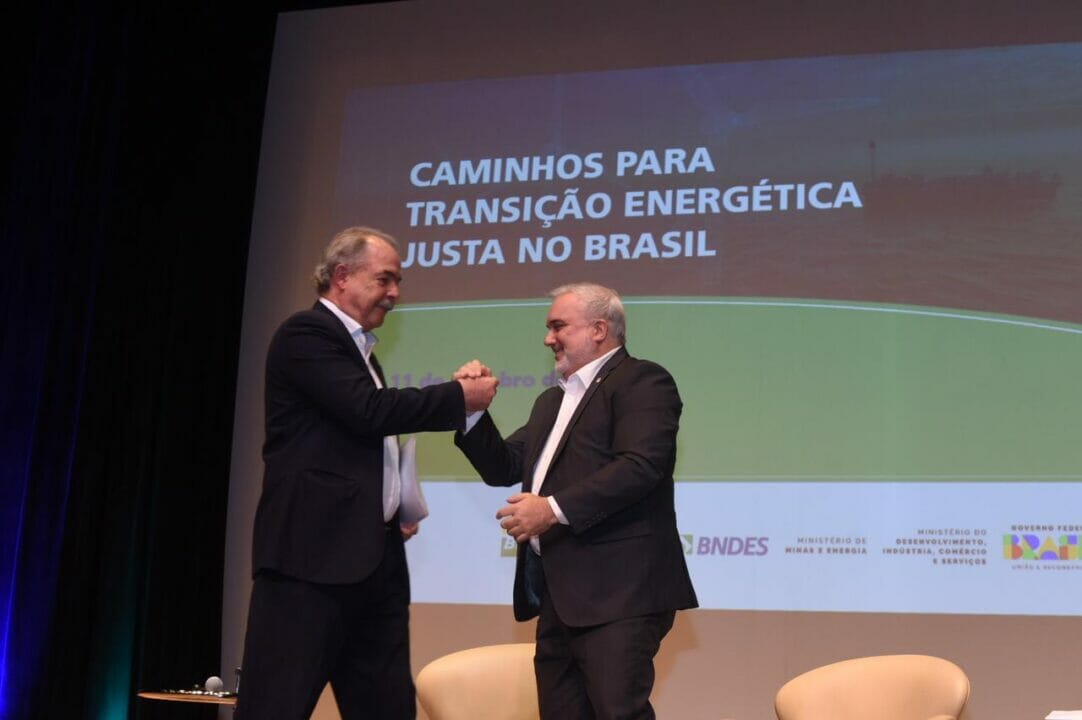
Experts Highlight The Importance Of Balancing Oil Exploration And Advancement Of Clean Sources In The Country
At the emblematic meeting “Paths To Just Energy Transition In Brazil,” held in Rio de Janeiro, the voices of leaders from two of the largest Brazilian institutions stood out. Aloizio Mercadante, at the head of the National Bank For Economic And Social Development (BNDES), and Jean Paul Prates, president of Petrobras, emphasized the cruciality of a balanced energy transition, in which oil exploration in the Equatorial Margin plays a central role.
Oil: The Evolving Protagonist Of The Energy Matrix
Mercadante pointed out that, however much we seek alternatives, oil has still not found an integral substitute. It remains a key piece in the world’s energy puzzle. “According to projections by the United Nations (UN), it is expected that by 2050, 17% of the energy matrix will still have fossil origins,” he said. In this context, he argued that oil will coexist with new energy sources, whose presence is encouraged to dominate the future economy.
-
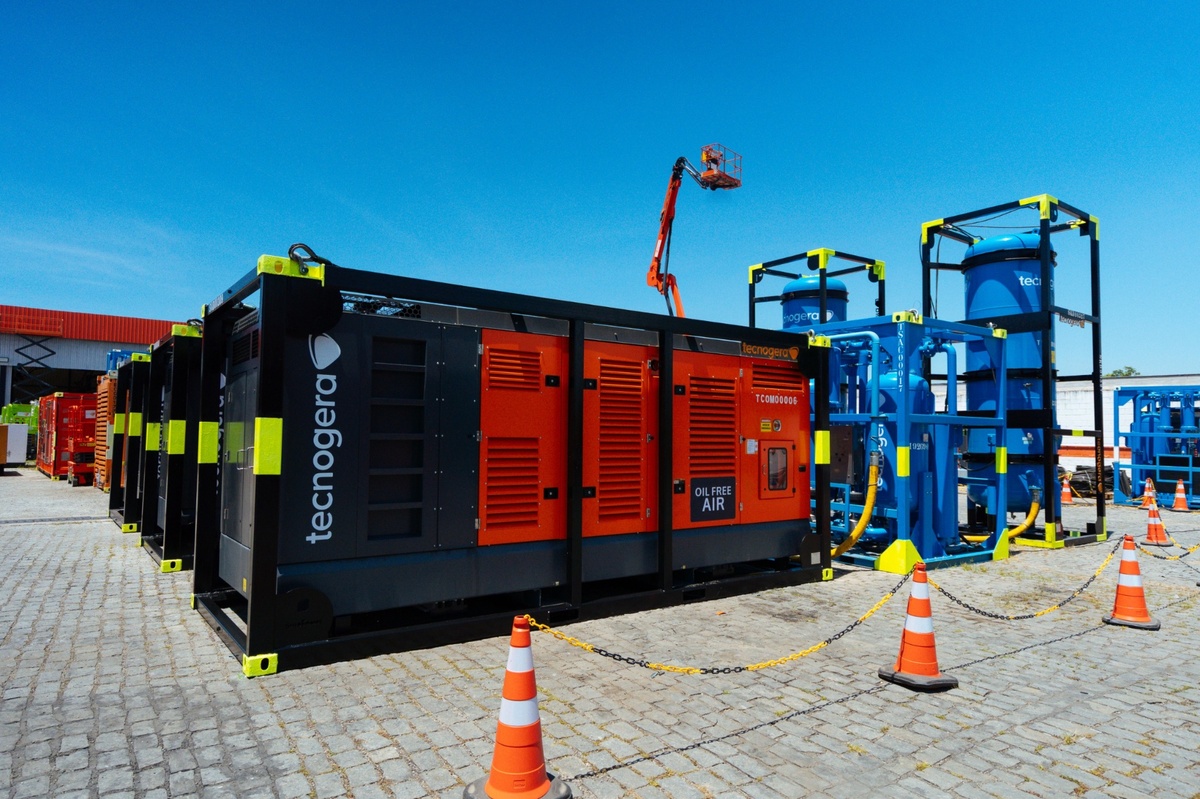
Offshore industrial demand in Macaé skyrockets with the recovery of oil and gas and could grow by up to 396% by 2026 in the Campos Basin.
-
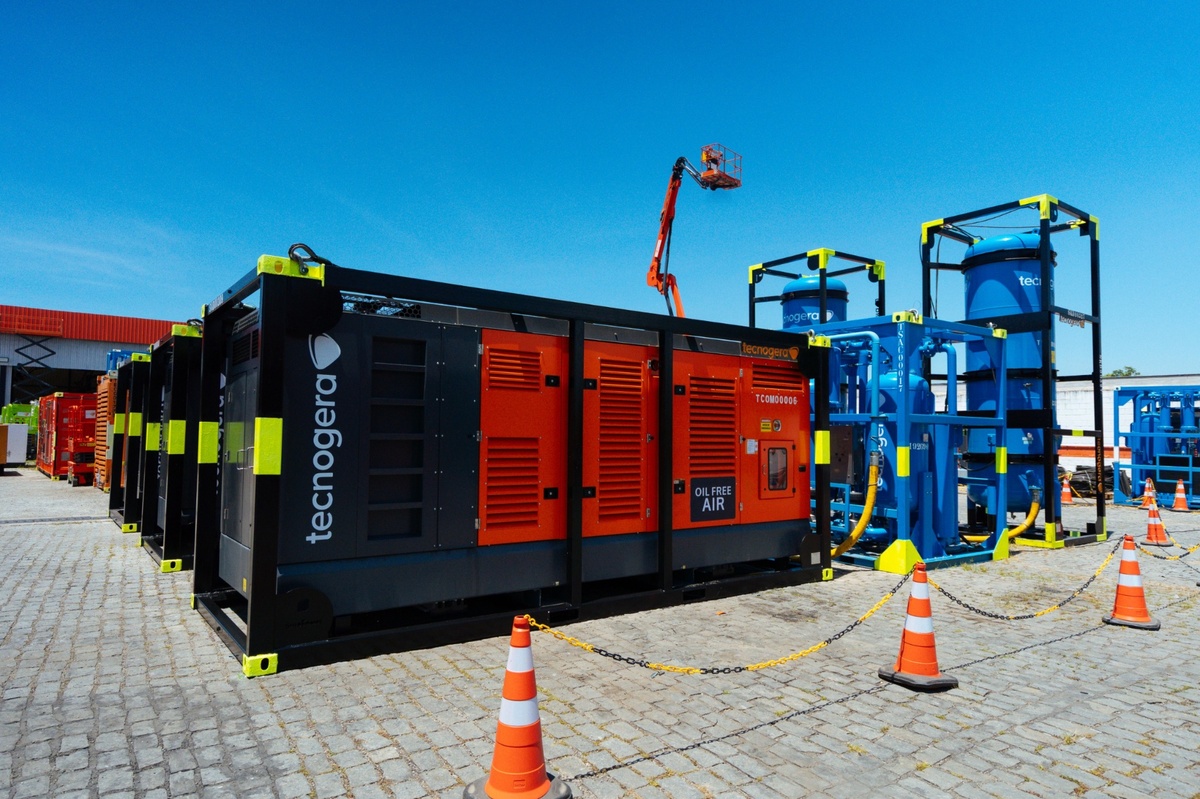
Offshore industrial demand in Macaé surges with the recovery of oil and gas and could grow by up to 396% by 2026 in the Campos Basin.
-
Brazilian giant expands borders in the Southeast: Petrobras confirms new oil discovery in ultra-deep waters in the pre-salt of the Campos Basin.

-
Alert in the global energy market: Severe tropical cyclone hits the coast and disrupts gas production at major plants in Australia, threatening global supply.


Latin America: The World’s Gaze Turned To Its Oil Reserves
Latin America, and particularly Brazil, is in a strategic position in the global energy landscape. With extensive reserves already identified and the potential to become one of the largest oil producers, the continent draws global attention. Mercadante highlighted the length of the Brazilian coastline, which stretches from Rio Grande do Norte to Amapá. “We have already identified proven reserves of 11 billion barrels in this stretch, with an expected production of 1.5 million barrels per day,” he pointed out, alluding to the remarkable potential of the region, especially near the Amazon.
In summary, the transition to a cleaner energy matrix is undeniably essential, but responsible oil exploration will be a reality for a long time. The conclusions of the BNDES-Petrobras seminar reiterate the need to balance these two worlds, ensuring that oil revenue is channeled to finance this critical transition.
Source: BNDES Press.










Seja o primeiro a reagir!