





 Portuguese
  English
  Spanish
  4 min of reading
  0 comments


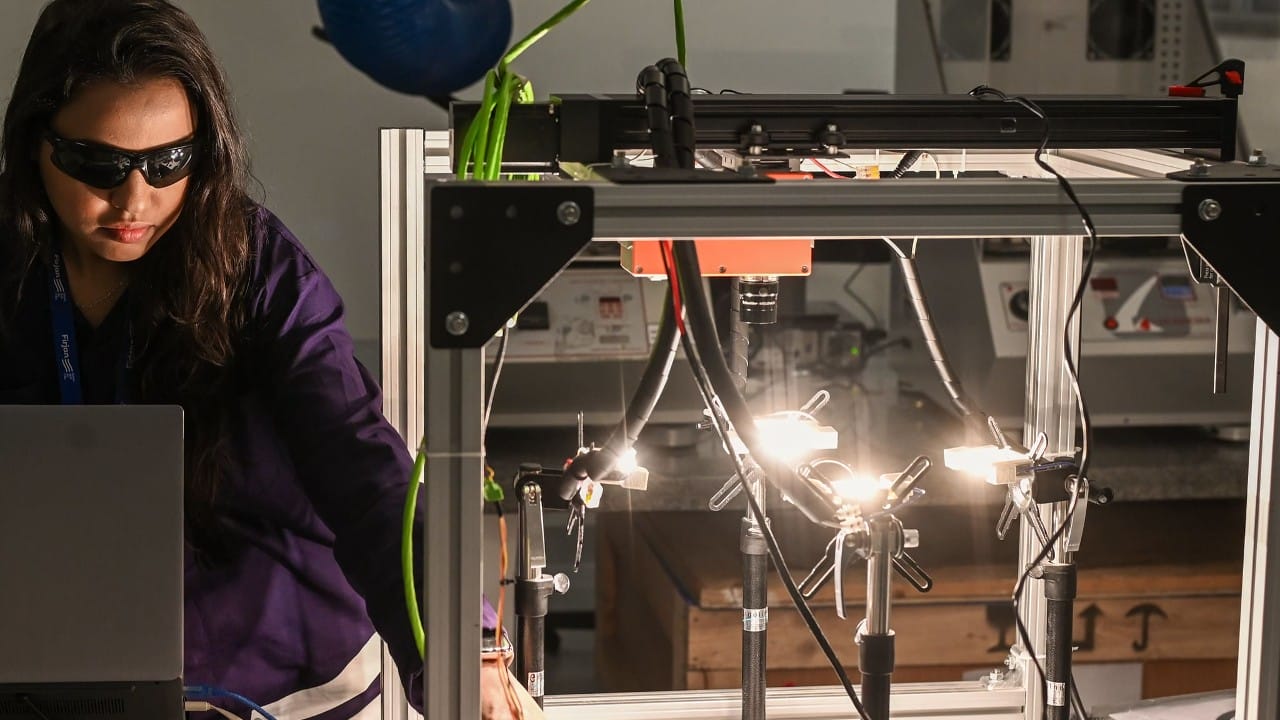
Ricardo Alban Sees The Federal Government Initiative As Modern Industrial Policy To Boost Competitiveness And Economic Development. Funding Of R$ 300 Billion With Zero Fiscal Impact.
The New Industry Brazil was recently launched by the federal government, demonstrating a commitment to a new approach to industrial policy. This initiative consists of a set of programs and measures aimed at addressing current challenges and creating opportunities for the country’s industrial development. The president of the National Confederation of Industry (CNI), Ricardo Alban, emphasized the importance of this new approach, stating that it offers a viable path to boost industry, promote investment in technology and innovation, and increase Brazil’s competitiveness in the global arena.
At a time when the need for a new industrial development policy is being discussed, the New Industry Brazil emerges as a concrete and promising response. The implementation of innovative industrial policies is essential to drive economic growth and strengthen the country’s productive capacity. It is crucial that the government and the private sector are aligned in this challenge, aiming to achieve the goals proposed by this new approach to industrial policy.
Alban Advocates The Need For A Realistic Vision For Industrial Policy
Alban emphasizes the importance of a realistic vision for the country’s industrial policy. He questions why Brazil is still discussing ideological concepts, while other nations are already seeking to develop their industrial policies using known tools. He highlights that it is time to combine efforts and turn public policies into effective actions for Brazil’s development. Alban believes that issues such as increasing productivity, digitization, decarbonization of production processes, expanding exports, and professional qualification are not topics for a specific segment, but rather for industry and the economy as a whole.
-
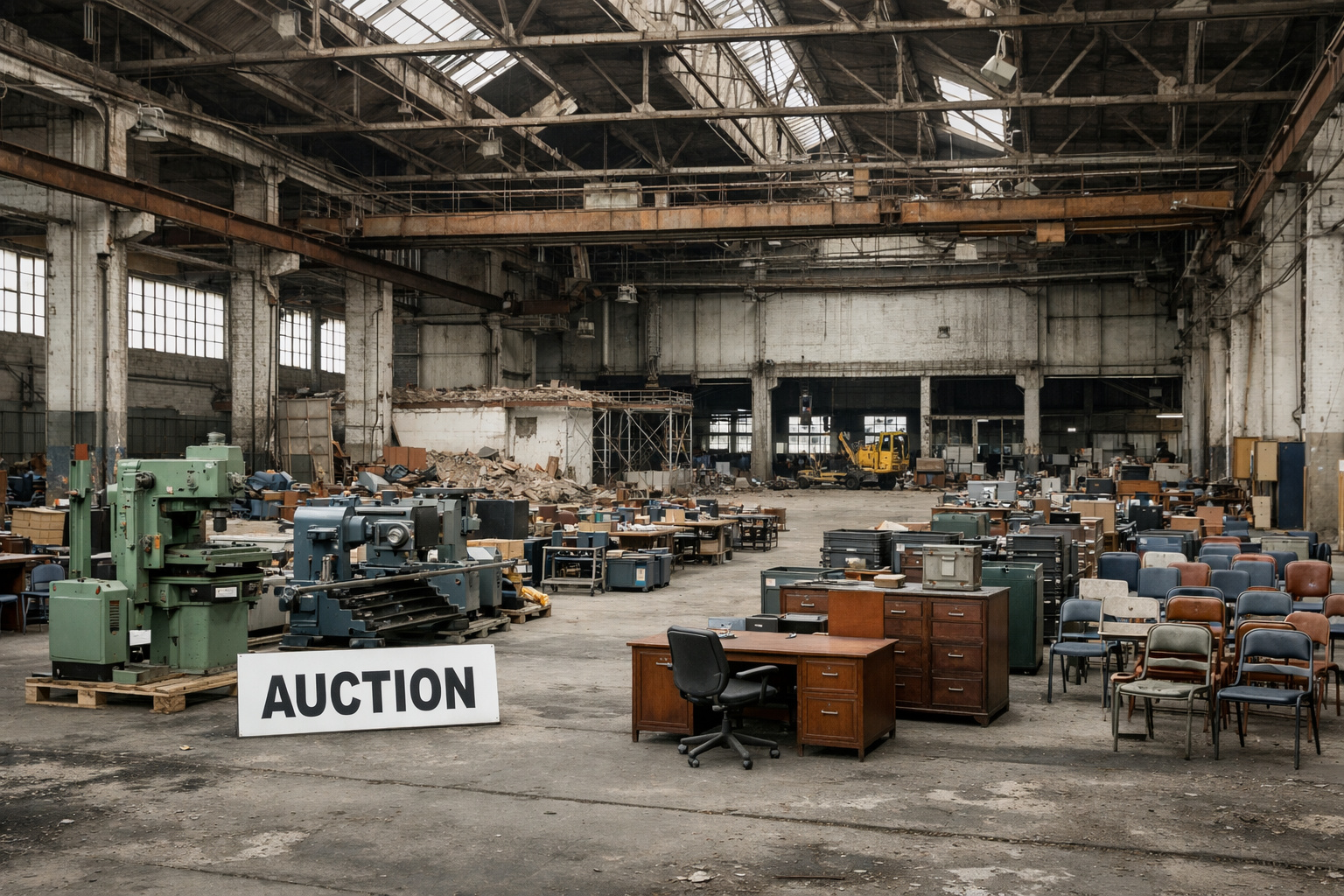
Historic bankruptcy of Centauro shocks the market, and the century-old company puts more than 500,000 products, machines, and complete infrastructure up for online auction.
-
New shoe factory in Ceará is expected to create 400 jobs and strengthen the local economy.

-
No one imagined it, but a mixture of sawdust with a mineral that fights fires surprises scientists with a result that changes the course of fire-resistant construction.

-
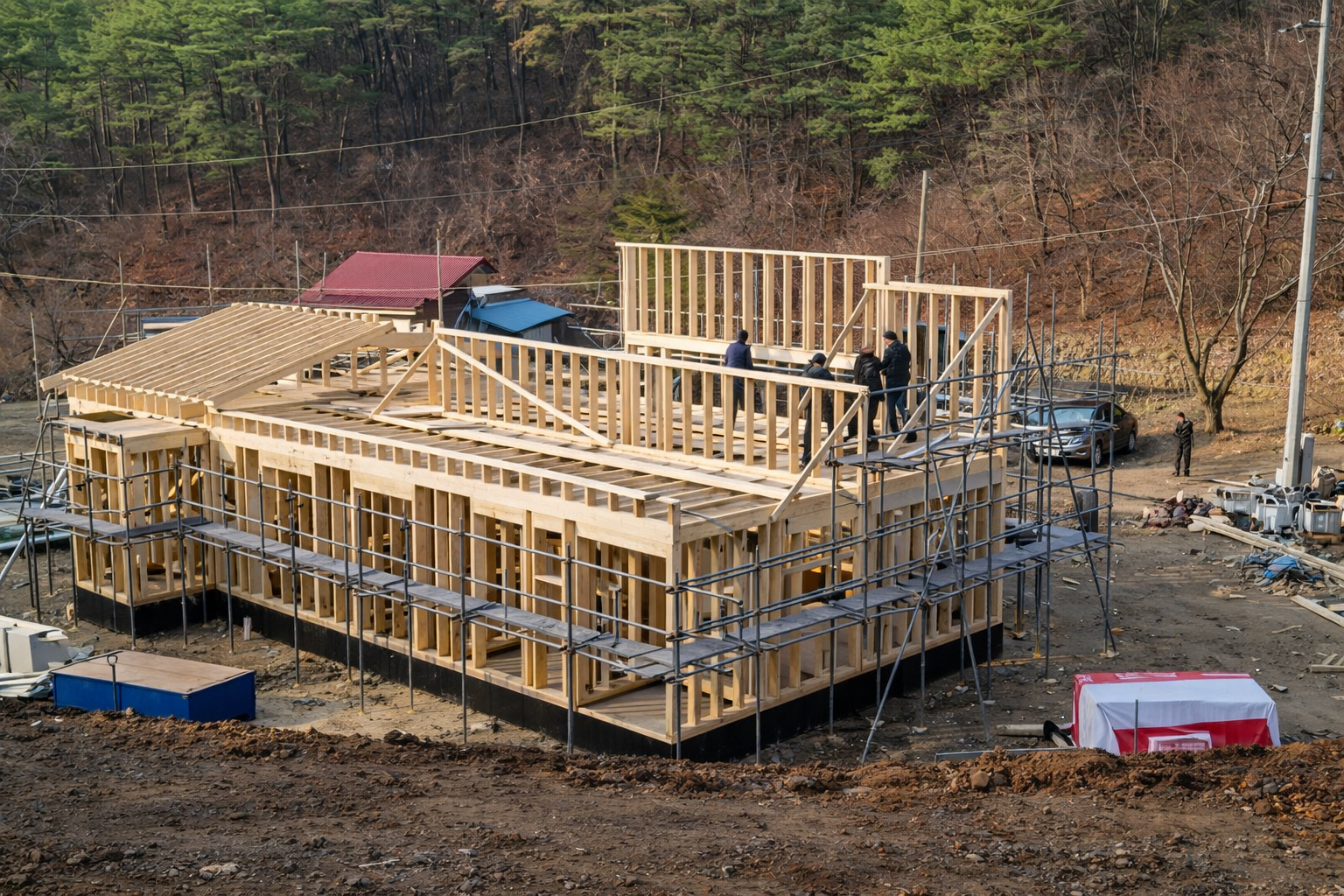
From empty land to a high-end house, wooden construction uses a lightweight system, metal structure for the foundation, ventilated ceramic cladding, and special windows to create an efficient and comfortable living space throughout the year.

The president of the CNI emphasizes that it is time for a realistic vision on strengthening the industrial sector and how this can be a driver for a new cycle of economic and social development. He questions who could be against a contemporary industrial policy that seeks to boost industry. Alban points out that the world’s largest economies are implementing current industrial policies focused on industrial development. He mentions funds allocated by other countries, such as the United States, European Union, United Kingdom, and Japan, to strengthen their development strategies.
Industrial Policy And Economic Development
Regarding the New Industry Brazil, Alban emphasizes that the planned investments are an important step for Brazil’s development. He highlights the importance of uniting economic actors and fostering greater industrialization of agricultural and mineral commodities. Alban advocates the need to increase manufacturing, with value addition and encouragement of higher socio-economic impact jobs. He stresses that being against modern industrial policy is against the country’s development and that it is necessary to stay the course and make necessary adjustments.
Federal Government And Competitiveness
In addition to investments, Alban highlights that the New Industry Brazil has an additional zero fiscal impact over the four years of the plan. He mentions that the resources allocated to the plan do not imply additional spending by the Treasury. Alban emphasizes that the policies of countries investing in their industries seek to strengthen and diversify financing structures and support for local production.
Regarding competitiveness, the president of the CNI points out that Brazil faces challenges, such as the high cost of financing. He notes that the More Production Plan offers credit lines at more accessible rates, which can positively impact the Brazilian industry. Alban states that it is necessary to discuss the banking spread in Brazil constructively, understanding that the sustainability of financial intermediation requires a balanced productive sector.
Industrial Development And Investment
Alban highlights that Brazil is an agro-industrial powerhouse due to investments in innovation and technology in the sector. He emphasizes that the new industrial policy is in the same direction, focusing on the industry, promoting investments in sustainability, productivity, and strengthening productive chains in the country. Alban emphasizes that these investments can promote economic growth and social development for Brazilians.
Moreover, Alban addresses the issue of fiscal spending, emphasizing that most of the resources allocated to the More Production Plan refer to credit, which will be paid back by borrowers. He highlights that fiscal spending is a small portion of this amount, for the equalization of interest rates. Alban compares the More Production Plan with the Safra Plan, highlighting the investments made in each sector.
Conclusion: Commitment To Industrial Development
Alban advocates for the commitment of all economic actors to strengthen Brazilian industry, aiming to seize the opportunities that new global demands offer. He stresses that transforming Brazil’s industrial reality is an urgency, and that industrial development is a real necessity, not an ideological concept. Alban concludes that it is time to join efforts and contribute to Brazil’s industrial development, following the practices adopted by other nations.
Source: Portal da Indústria









Seja o primeiro a reagir!