





 Portuguese
  English
  Spanish
  3 min of reading
  0 comments


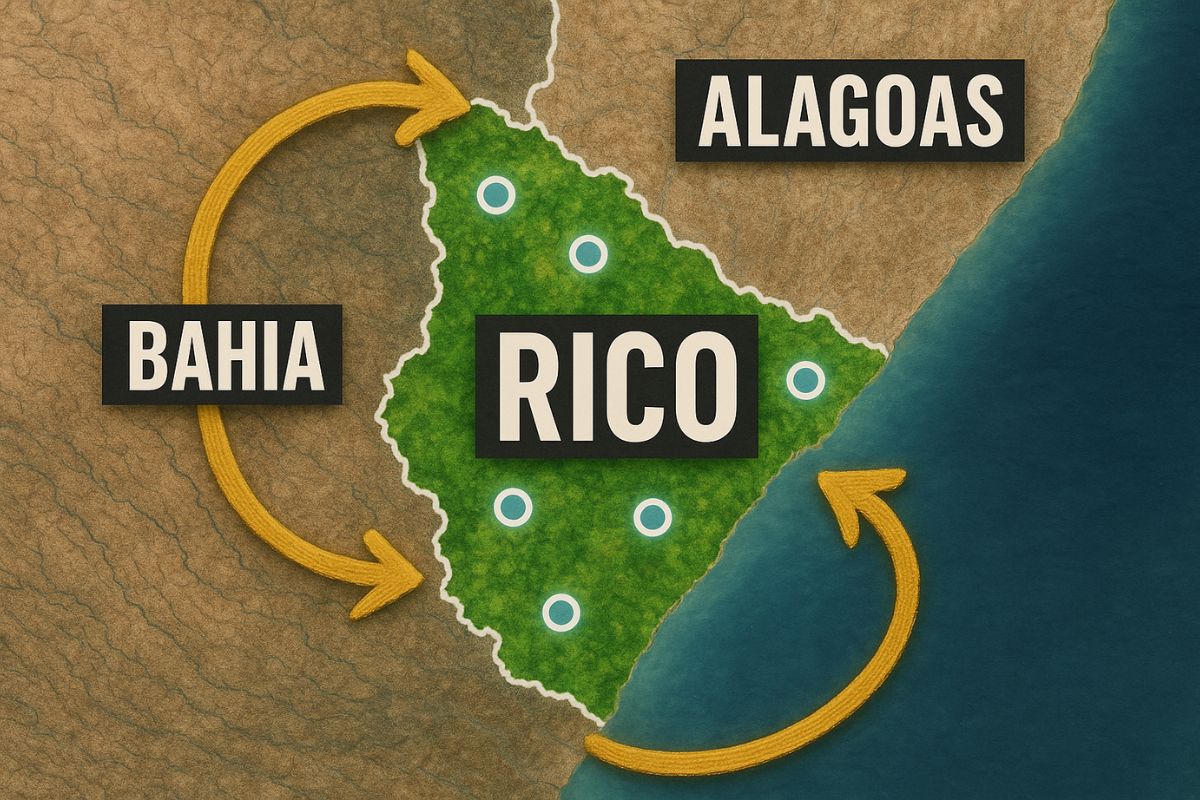
Sergipe, the smallest state in Brazil, presents economic growth above the national average, driven by gas, oil, services, and investments in infrastructure.
Sergipe is expected to show strong economic growth in 2024. The forecast is 3.6%, nearly three times higher than initially expected. This number surpasses the Brazilian average (3.5%). Even being the smallest state in the country in terms of territory, Sergipe emerges as one of the most dynamic economies in the Northeast region. The economy is diversifying, attracting companies, and generating jobs.
Sergipe Surprises: Economic Growth Above the National Average
The growth of 3.6% in the GDP of Sergipe in 2024 caught attention. It surpassed the initial expectation of 1.7% and the national average. The state has a GDP of R$ 57 billion. Its population is 2.2 million inhabitants.
The balance of formal titles also grew significantly (+33% compared to October 2024, according to the source). Its geographical position on the northeastern coast is an asset. It ensures access to the sea and enables the exploration of natural gas and oil.
-
A new Brazilian shopping center worth R$ 400 million will be built in an area equivalent to more than 4 football fields, featuring 90 stores, 5 cinemas, a supermarket, a college, and parking for 1,700 cars, potentially generating 3,000 jobs.

-
Larger than entire cities in Brazil: BYD is building a 4.6 km² complex in Bahia with a capacity for 600,000 vehicles per year, but the discovery of 163 workers in conditions analogous to slavery has shaken the entire project.

-
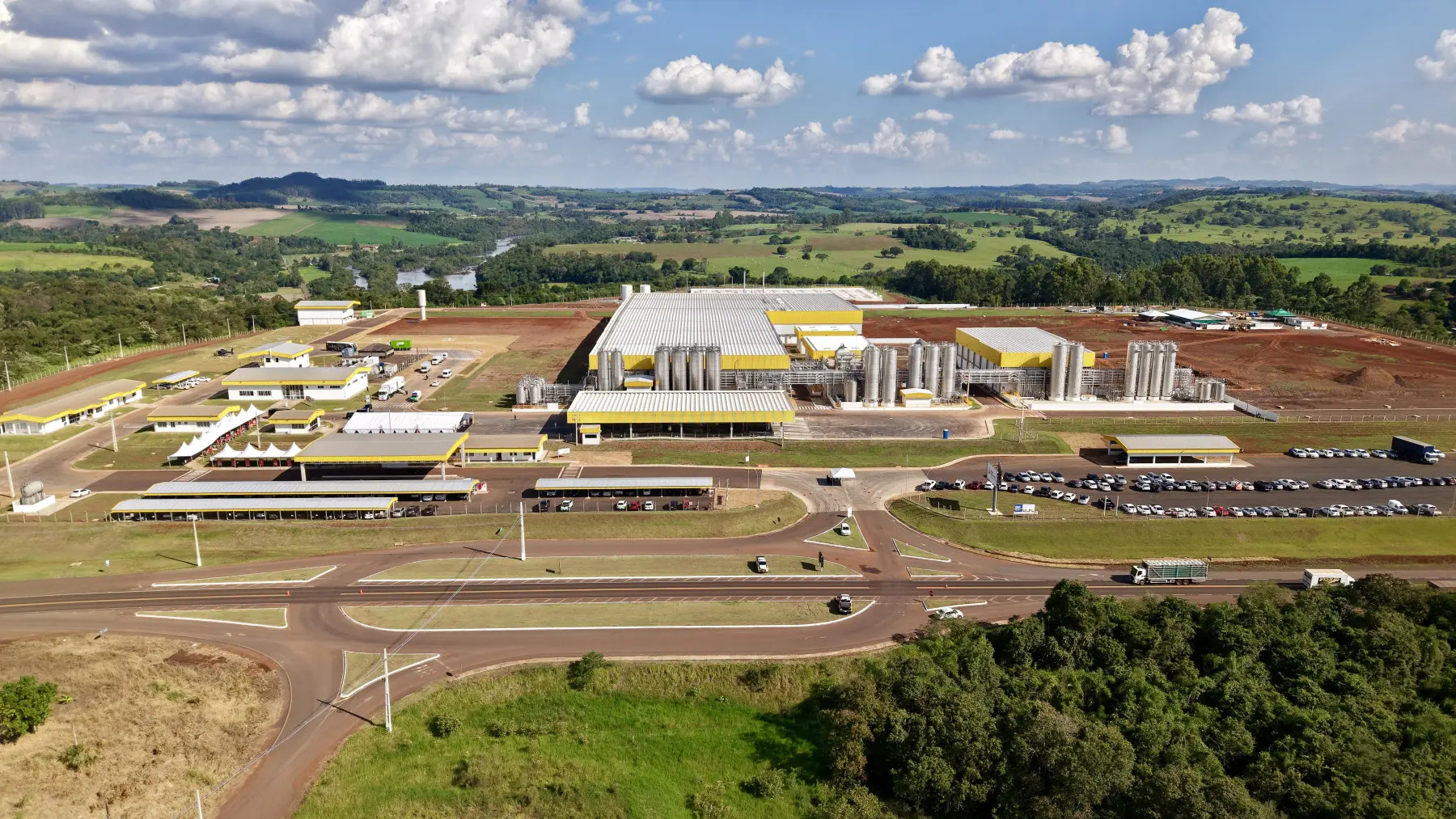
With an investment of R$ 612 million, a capacity to process 1.2 million liters of milk per day, Piracanjuba inaugurates a mega cheese factory that increases national production, reduces dependence on imports, and repositions Brazil on the global dairy map.
-
Brazilian city gains industrial hub for 85 companies that is equivalent to 55 football fields.


From Sugarcane to the Oil Boom in Sergipe

The economy of Sergipe has undergone significant transformations. In the colonial period, there was a peculiarity in the main activity. Then came the monoculture of sugarcane in the 17th century. Sugar production boosted the state but created an unequal society. Industrialization began gradually in the early 20th century (textiles, alcohol, sugar).
From the 1950s, incentives from Sudene helped attract new industries. A major shift occurred in the 1960s with the discovery of oil and gas off the coast. Petrobras invested heavily, boosting the industry and diversifying the economy of Sergipe.
The Pillars of Current Growth: Services, Industry, and Natural Gas
Currently, the economy of Sergipe is developing. The service sector is the main driver, accounting for more than 60% of the state GDP. In 2024 (source period), Sergipe led the nominal growth in service revenue in the country (133.8%). The volume of services also grew strongly (7.9%). The industry is still very relevant (about 23% of GDP).
It is strongly linked to the energy sector, with an emphasis on oil and natural gas. Sergipe is the 7th largest producer of gas and the 6th largest producer of oil in Brazil, with potential for expansion. Resources such as potassium and limestone are also being explored.
Programs Boost Competitiveness
To sustain growth, Sergipe has been investing in infrastructure. The state government is betting on improving highways, ports, and airports. In 2024 (source year), R$ 141 million were invested in transportation, an increase of 86% over 2022.
Programs such as “Acelera Sergipe,” created in 2024, allocate funds for works in various municipalities. There are R$ 200 million for road restoration and restructuring of commercial centers. The goal is to improve logistics, strengthen commerce, and generate jobs.
Sergipe Consolidates as a Hub in the Northeast
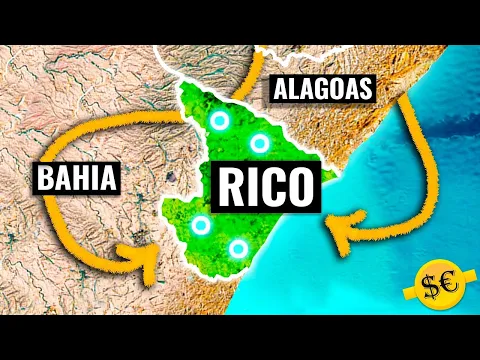

Sergipe emerges as a new and important economic hub in the Northeast. Its dynamism and growth above the average show potential. The state could align with the richest in the region. The future depends on the continuity of investments in modernization.
The sustainable exploration of its natural wealth (gas, oil) is essential. With a management focused on innovation and development, Sergipe tends to strengthen its position as a strategic hub for production and export. It can become a national reference.







Seja o primeiro a reagir!