





 Portuguese
  English
  Spanish
  3 min of reading
  0 comments


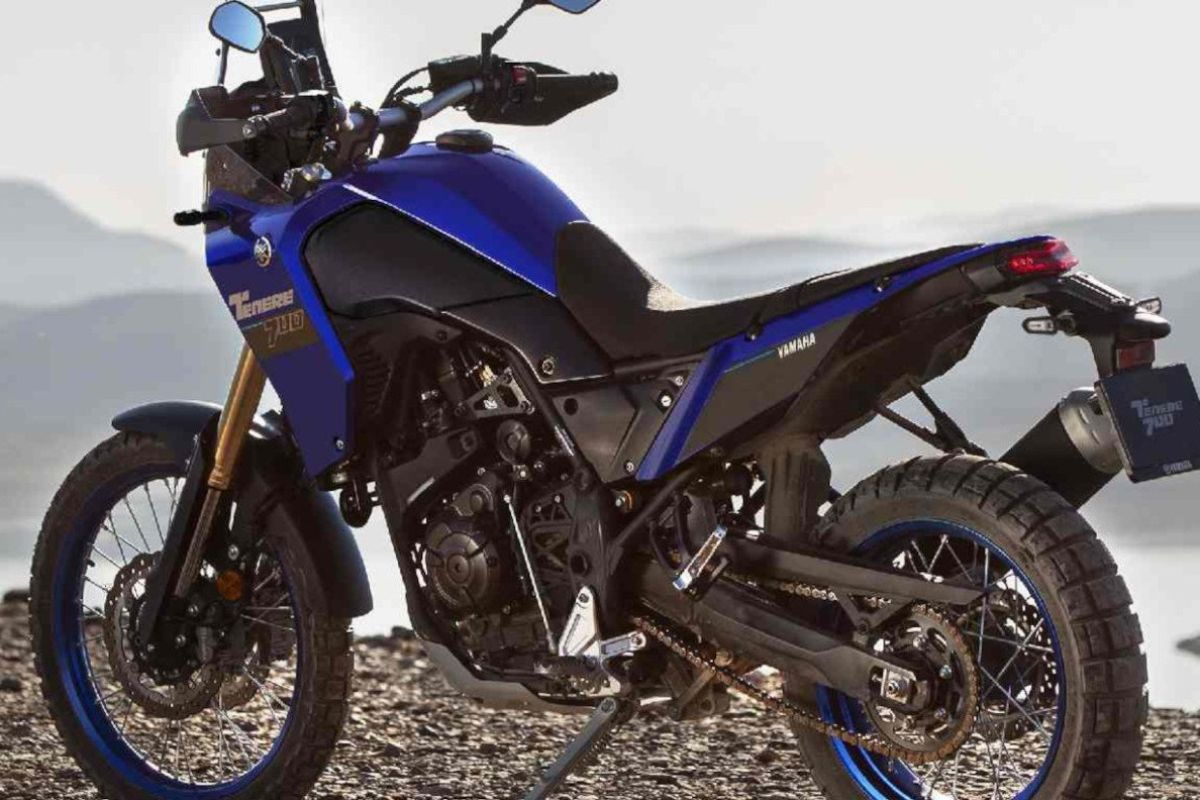
Yamaha Ténéré 700 Arrives In Brazil For R$ 72,990 With TFT Dashboard, Connectivity, And Performance That Requires High RPMs To Deliver Its 68.9 HP, But Faces Cheaper And More Powerful Rivals
The Yamaha Ténéré 700 returns to the Brazilian market in 2025, after seven years out of production, as the brand’s main launch in the country. Priced at R$ 72,990, the bigtrail will arrive at dealerships in October with the mission of reclaiming the prestige built in the 1980s, 1990s, and 2000s.
According to Vinicius Montoia from g1, the model captures the adventurous DNA that marked generations, but now with an updated technology package. The challenge, however, will be to face competitors that deliver more power for lower prices, such as the BMW F 800 GS and the Moto Morini X-Cape.
Engine And High RPM Performance
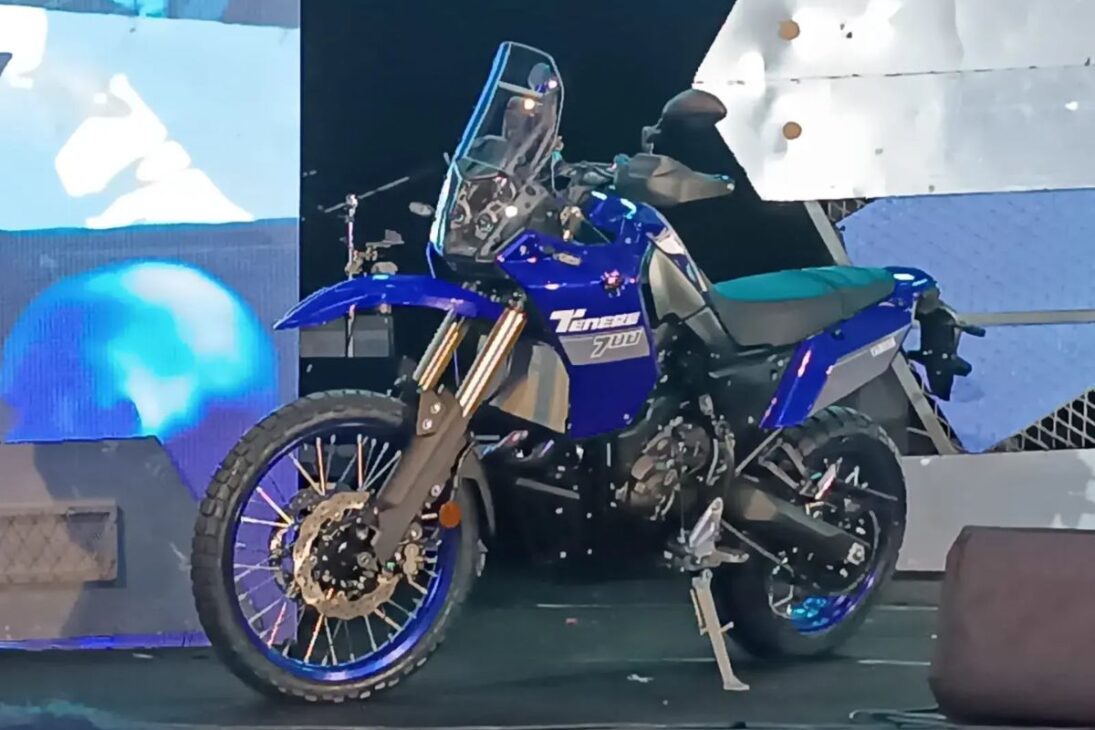
The heart of the Yamaha Ténéré 700 is a 689 cm³ twin-cylinder engine, capable of generating 68.9 HP and 6.6 kgfm of torque.
-
For R$ 32,000, a brand new Hyundai car is a rival to the Kwid with a 1.2 engine producing 82 hp, 6 airbags as standard, multimedia with wireless Android Auto, up to 391 liters in the trunk, and a refreshed look for 2026 in India.
-
He bought a new car in 1983, locked it in the barn in 1988, and no one opened the door for 38 years until the family discovered what was stored inside and realized it looked like something out of a movie.
-
A 250cc motorcycle that can reach 560 km with a 14-liter tank, features disc brakes on both wheels and is among the most well-known in Brazil.
-
Man finds over 200 rare cars abandoned on a lot and tries to do the impossible in 8 hours with a surprise at the end.


Despite respectable numbers, full performance only appears from 6,500 RPM, which requires the rider to keep the revs high to explore the full power of the engine.
At low RPMs, the response is slow, particularly during quick accelerations.
This characteristic is typical of trails, as the air travels a longer path to the combustion chamber.
Even so, on the highway, the bike maintains 120 km/h at around 5,000 RPM, providing comfort on long trips.
Comfort, Dimensions, And Urban Limitations
With a 21-inch front wheel and long-travel suspension, the Yamaha Ténéré 700 tackles rough terrain with ease.
However, its nearly 90 cm seat height intimidates shorter riders. Unlike the European version, which offers a lower seat, only one configuration will be available in Brazil.
Another point is the weight and dimensions.
The Ténéré was not designed for intense urban traffic: with a width 20 cm greater than that of a Honda CG 160, it proves to be awkward in tight spaces and quick direction changes.
For long trips, the seat could also be more comfortable, especially for the passenger.
Connected Dashboard And Technology Package
The 6.3-inch TFT dashboard is one of the highlights. It offers two display modes, Bluetooth connectivity, USB-C input, and even call and music controls directly on the handlebars.
The model comes with full LED lighting and adjustable ABS brakes in three modes, allowing for total shutdown for off-road use.
During tests conducted by g1, the average fuel consumption was 19.2 km/l, a performance consistent with the segment.
This balance shows that, despite requiring high RPMs to extract power, the bike can maintain efficiency in daily use and on long trips.
High Price And Fierce Competition
The biggest obstacle for the Yamaha Ténéré 700 is its price. Costing R$ 72,990, it surpasses rivals like the BMW F 800 GS, which offers 87 HP and 9.1 kgfm of torque for R$ 69,990, and the Moto Morini X-Cape, available from R$ 47,990.
The price difference is significant and may limit the Yamaha’s reach, even among fans of the line.
To attract customers, the brand bets on its reliability history, the updated technology package, and a four-year warranty, above the market average.
Still, the cost-benefit equation may drive away some of the audience that made the Ténéré a success in the past.
The Yamaha Ténéré 700 honors the legacy of the Ténéré family, bringing more technology, safety, and a twin-cylinder engine that reduces vibrations at high RPMs.
However, the lack of a low seat version and the high price leave doubts about its ability to repeat the success of previous generations.
Do you think the Yamaha Ténéré 700 is worth the R$ 72,990 being asked in Brazil? Or should the cheaper and more powerful competition attract new adventurers? Share your opinion in the comments — we want to hear from those who live this choice in practice.










Seja o primeiro a reagir!