





 Portuguese
  English
  Spanish
  5 min of reading
  0 comments


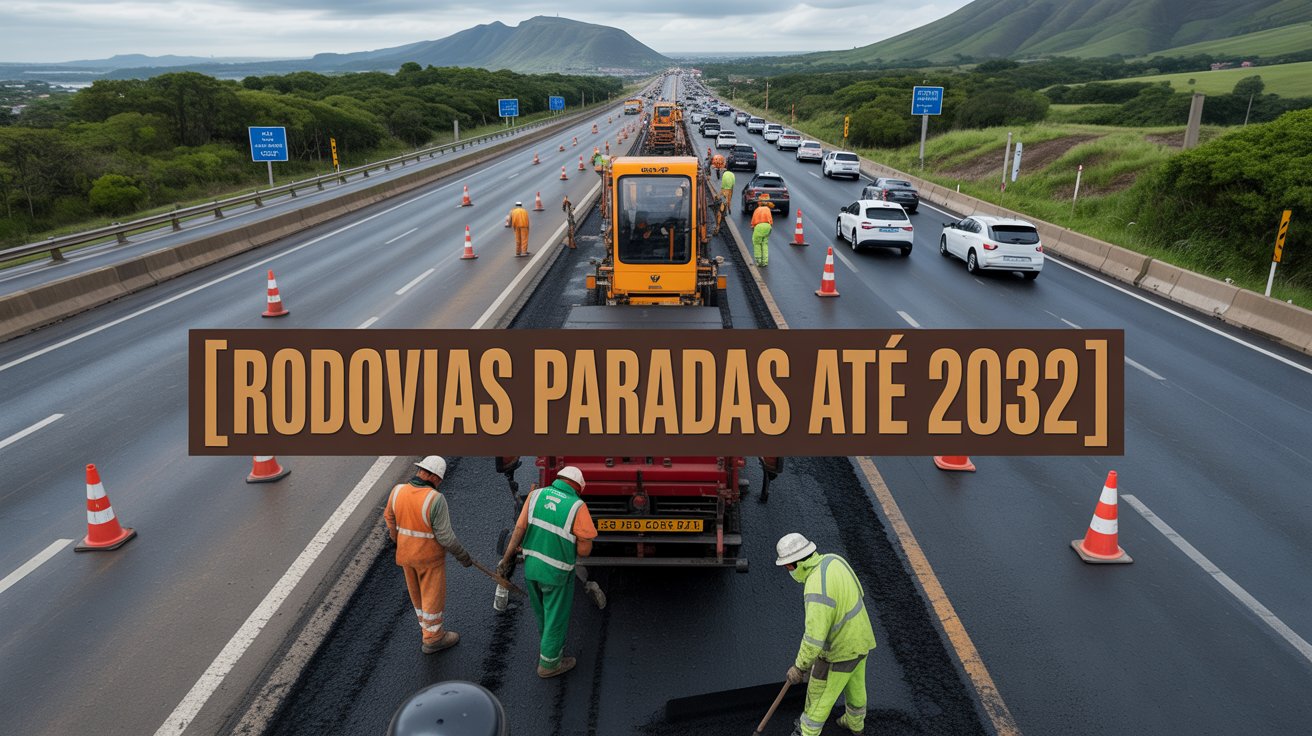
Works on Highways in São Paulo’s Coast will Last Until 2032, with Billion-Dollar Investments and Direct Impact on Tourism, Traffic, and the Routine of Thousands of Drivers, Who Will Have to Coexist with Closures and Congestion Over the Coming Years.
The highways connecting Baixada Santista to Alto Tietê and the Ribeira Valley are undergoing a modernization package estimated at R$ 4.3 billion, with completion expected by 20232.
Duplication, marginal roads, footbridges, bike paths, bridge widening, and new service bases are part of the plan.
As deliveries occur in stages, residents and drivers must deal with slowdowns, closures, and more dust at construction sites.
-
A new Brazilian shopping center worth R$ 400 million will be built in an area equivalent to more than 4 football fields, featuring 90 stores, 5 cinemas, a supermarket, a college, and parking for 1,700 cars, potentially generating 3,000 jobs.

-
Larger than entire cities in Brazil: BYD is building a 4.6 km² complex in Bahia with a capacity for 600,000 vehicles per year, but the discovery of 163 workers in conditions analogous to slavery has shaken the entire project.

-
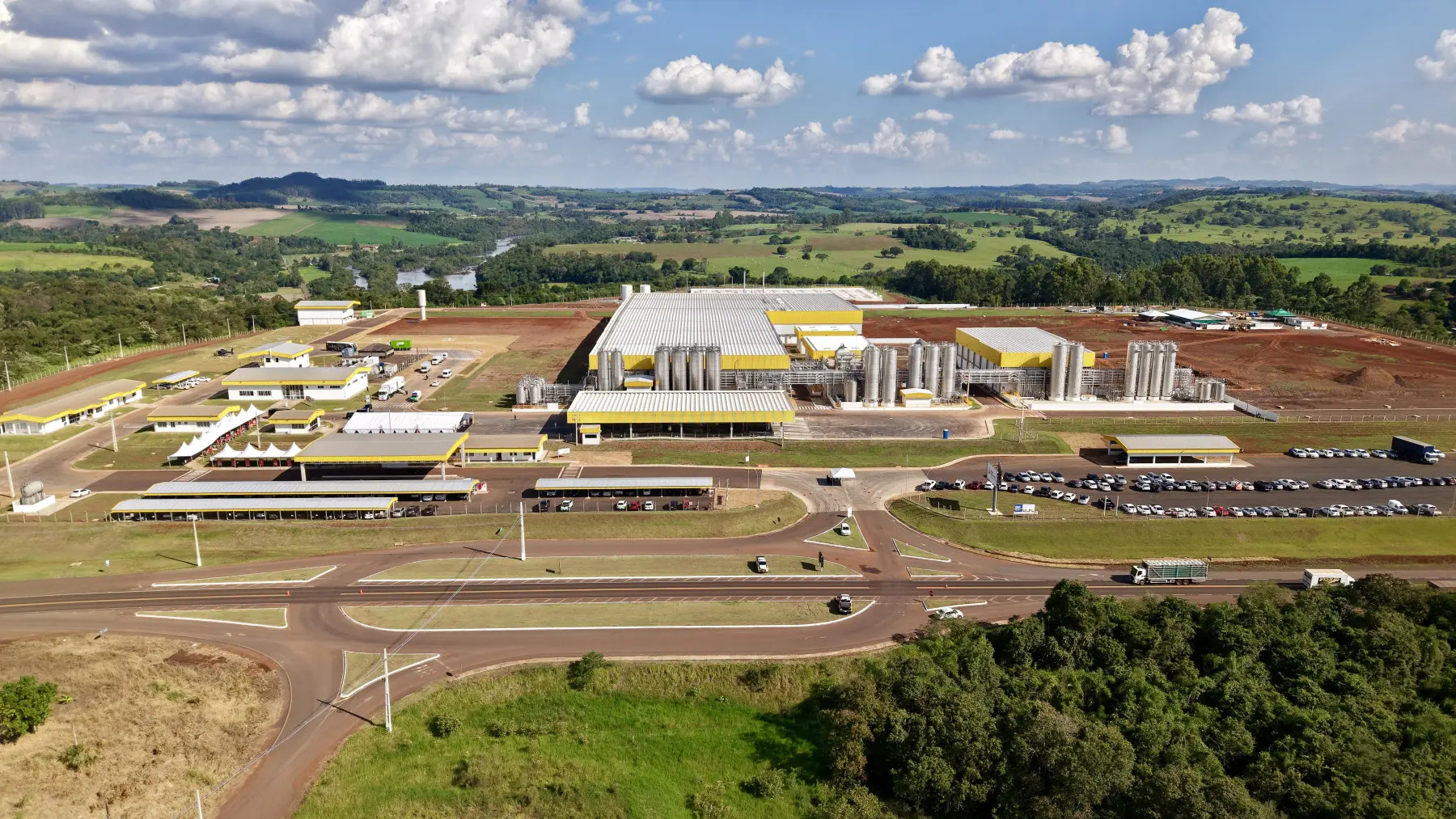
With an investment of R$ 612 million, a capacity to process 1.2 million liters of milk per day, Piracanjuba inaugurates a mega cheese factory that increases national production, reduces dependence on imports, and repositions Brazil on the global dairy map.
-
Brazilian city gains industrial hub for 85 companies that is equivalent to 55 football fields.


The interventions cover SP-055 (Padre Manoel da Nóbrega), SP-088 (Mogi–Dutra), and SP-098 (Mogi–Bertioga), under the supervision of Artesp and operated by the concessionaire Novo Litoral.
In the Public-Private Partnership model, the contract lasts for 30 years and covers about 212 to 213 kilometers.
The state government projects direct impact on the flow capacity, access to the Port of Santos, and road safety, in addition to creating over 24,000 jobs directly, indirectly, and induced throughout the concession.
Timeline of the Works Until 2032
The execution has been organized in phases. In 2025, the focus is on implementing eight User Service bases and the first portals of the electronic toll collection system.
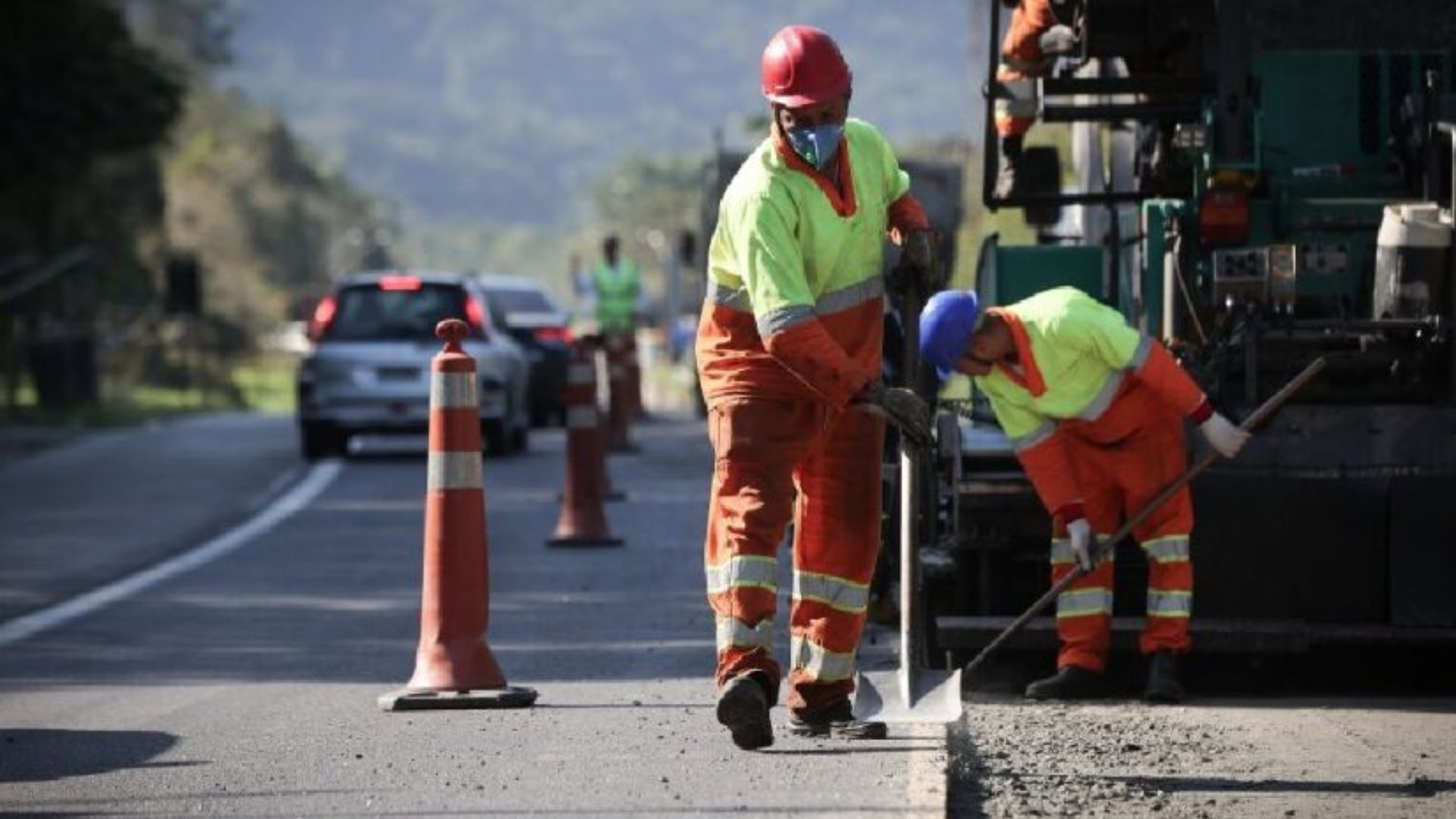
Between 2026 and 2027, urban marginal roads on SP-055, footbridges, bike paths, and improvements at bus stops will progress.
In 2027, the level return devices will begin.
The period 2028–2029 will focus on underpasses and artworks.
In 2030, interventions are planned on the Mogi–Bertioga mountain range, with additional lanes, escape ramps, and bays.
The duplications of Padre Manoel da Nóbrega will continue from 2027 to 2032.
In addition to physical works, the project incorporates electronic tolling in a model of free passage.
According to the government, the tolling on the South Coast will only begin after the delivery of continuous marginal roads between Praia Grande and Peruíbe, which will segregate urban traffic from long-distance flow.
The promise is that local trips, such as Peruíbe–Praia Grande, will have alternatives without payment.
Concerns of the Tourism Sector
The extended timeline worries sectors dependent on tourism.
Inns, restaurants, and local commerce fear losses during holidays and high season, when any delay impacts trips to the beaches.
Municipalities also assess short and medium-term effects on urban traffic and the attractiveness of the region.
Still, the state management maintains that the final balance will be more fluidity and safety, with reduced travel times and more options for pedestrians and cyclists.
Immediate Impacts and Mitigation Measures
During execution, the concessionaire and Artesp affirm that there will be traffic planning, reinforced signage, and alternative routes when necessary, to minimize disruptions as much as possible.
The forecast includes 24-hour operation of service teams, monitoring by cameras, and pavement reinforcement in critical areas.
What the Municipalities Say
In Santos, the municipal administration recognizes long-term effects, including on tourism, and states it maintains “dialogue with the State Government to preserve the interests of the population of the Continental Area,” according to a report by Gazeta de São Paulo.
In Itanhaém, the city hall emphasizes that tourism is a central economic vector and advocates for the preservation of flow and access, but does not detail expected impacts.
Praia Grande reports that it still does not have a specific study on the impact on tourist arrivals, but is monitoring the discussion on tolls and registers an opposing position to new charges.
In Bertioga, the Secretary of Tourism and Culture, Ney Carlos da Rocha, told Gazeta de São Paulo that the interventions could affect tourism, as “any situation that affects this movement, regardless of how, impacts tourism.”
At the same time, he expressed hope that the responsible companies will work to carry out the services without major impacts.
In Peruíbe, the city hall attributes the works to the state government and expressed confidence that the improvements will be beneficial and boost the development of the coast.
The report sought Mongaguá, but did not receive a response by the time of publication.
Works by Municipality
In Bertioga, the package includes marginal roads and duplications in the urban sections of SP-055, with new footbridges and level returns, in addition to bike paths.
The first deliveries are scheduled for 2026–2027, with duplications continuing in phases until 2032.
In Santos, there will be duplication in segments of SP-055, level returns, adjustments for pedestrians, and sections of bike paths.
The timeline indicates urban completion between 2027 and 2029, with phased duplications until 2032.
In Praia Grande, the focus is on level returns, new footbridges, and continuous marginal roads with paving and lighting before tolling on the stretch between the municipality and Peruíbe.
The main works will concentrate in 2026–2027.
In Mongaguá, the plan includes continuous marginals, level returns, footbridges, and underpasses.
The expectation is to finalize marginals and footbridges by 2027, with underpasses by 2029.
In Itanhaém, marginals are planned at the busiest points, safe crossings, and bike paths throughout the urban grid.
The deliveries will be from 2026 to 2029.
In Peruíbe, the highlight is the duplication of 89.8 km to Miracatu, with marginals, underpasses, bike paths, and improvements to access SPA-344/055.
Urban works will extend until 2029, and duplications will be carried out across several fronts until 2032.
Traffic and Tourism in the High Season
As the works progress, the combination of construction sites, detours, and lane reductions may congest traffic during peak demand periods.
The effect is likely to be more sensitive during holidays and summer, when the flow of visitors increases.
Hospitality, food, and local commerce sectors demand predictability and coordination to ensure the work calendar considers both residents’ logistics and tourism seasonality.
As highlighted by Gazeta de São Paulo, the State states that, once the main axes are completed, through traffic will be segregated from local traffic through continuous marginals, illuminated sidewalks, and standardized crossings.
The official expectation is that the reorganization of the system will bring fewer accidents, improved travel times, and safe infrastructure for pedestrians and cyclists.
In light of this scenario, residents and visitors will have to adapt routes, times, and means of transportation over the coming years.
It will be the responsibility of the concessionaire to maintain transparent communication regarding temporary closures and alternative routes, especially during peak times. In your view, will the expected improvements compensate for the inconveniences?









Seja o primeiro a reagir!