





 Português
  Inglês
  Espanhol
 3 min de leitura
  0 comentários



The Strength of the Coffee Sector in Minas Gerais Goes Beyond Tradition: Technology, Innovation, and Strategic Investments Transform the Field into a Global Reference in Quality, Sustainability, and Competitiveness
The coffee sector in Minas Gerais occupies a central position in the Brazilian and global economy, being responsible for about 70% of the country’s coffee exports, according to a report published.
With each harvest, in addition to the flavor and tradition recognized internationally, the Minas product gains added value through technological innovation, artificial intelligence, and robust investments.
Since 2019, the state has attracted over R$ 1.8 billion in investments aimed at modernizing the production chain, resulting in the creation of 1,911 direct jobs.
-
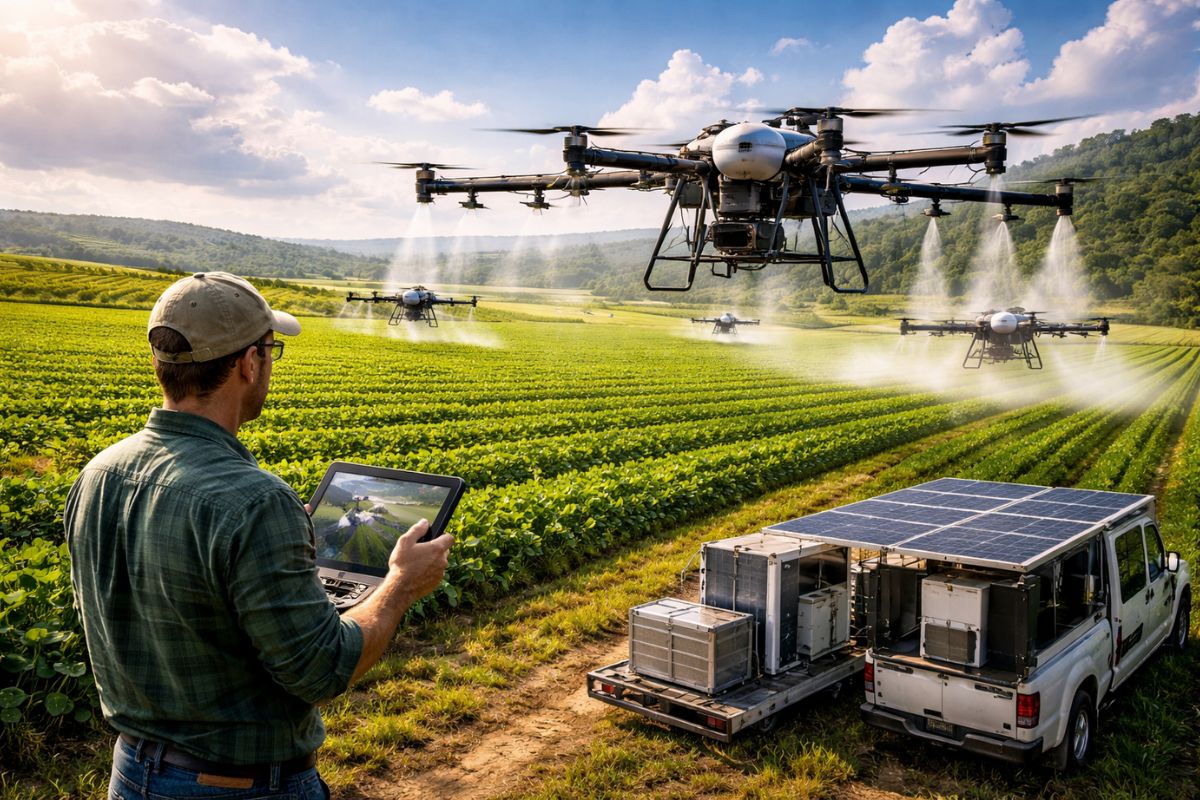
Alone, the producer applies 7,400 hectares with the T100 drone in an optimized structure, replaces the generator with a silent battery, and demonstrates how technology reduces costs, increases productivity, and even challenges the uniport in the field.
-
China banned the export of 22 tons of meat from Argentina.

-
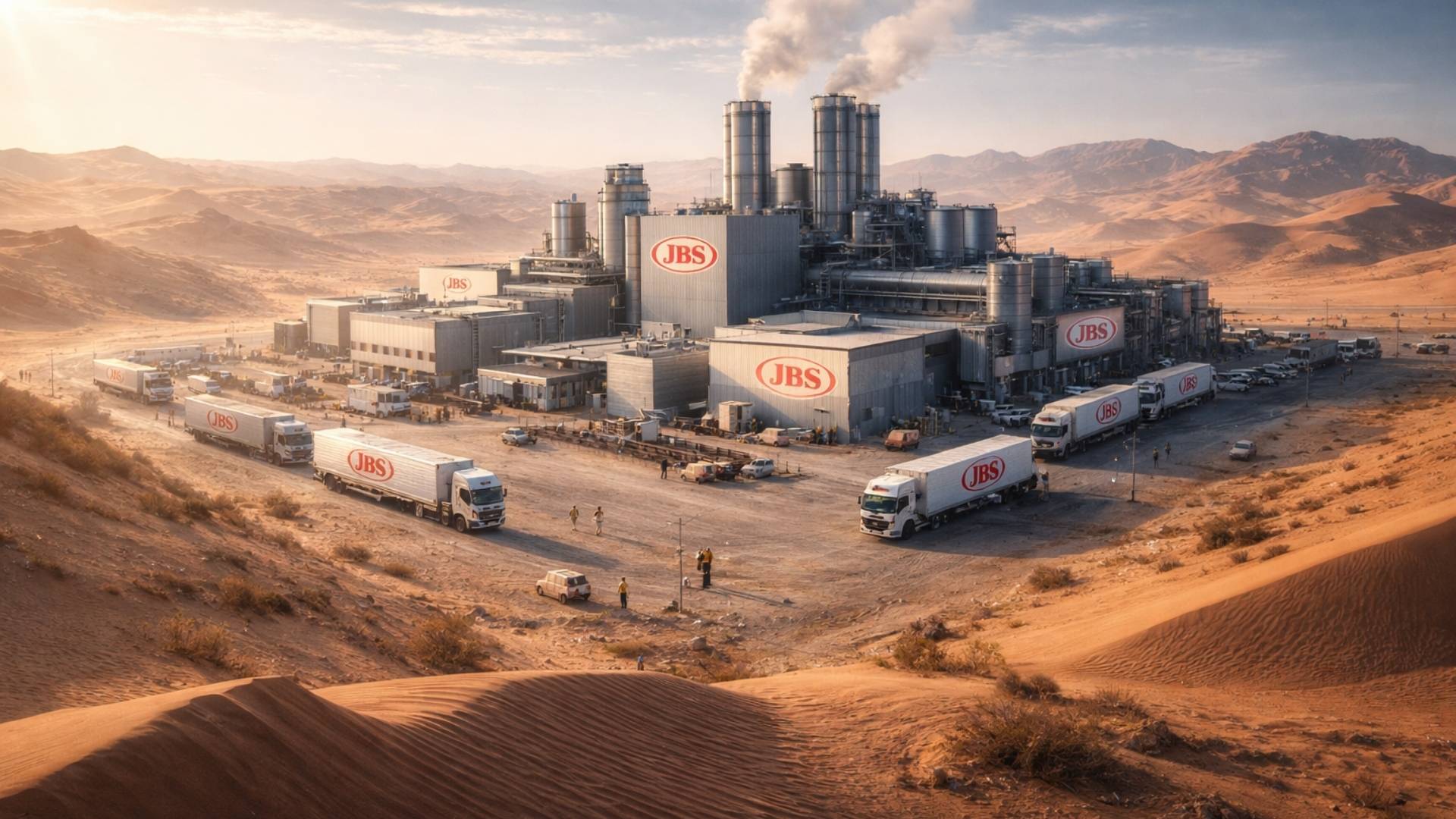
JBS, founded by the Batista brothers, continues to conquer the world: entrepreneurs built a ‘factory in the desert’ creating 3,000 jobs.
-
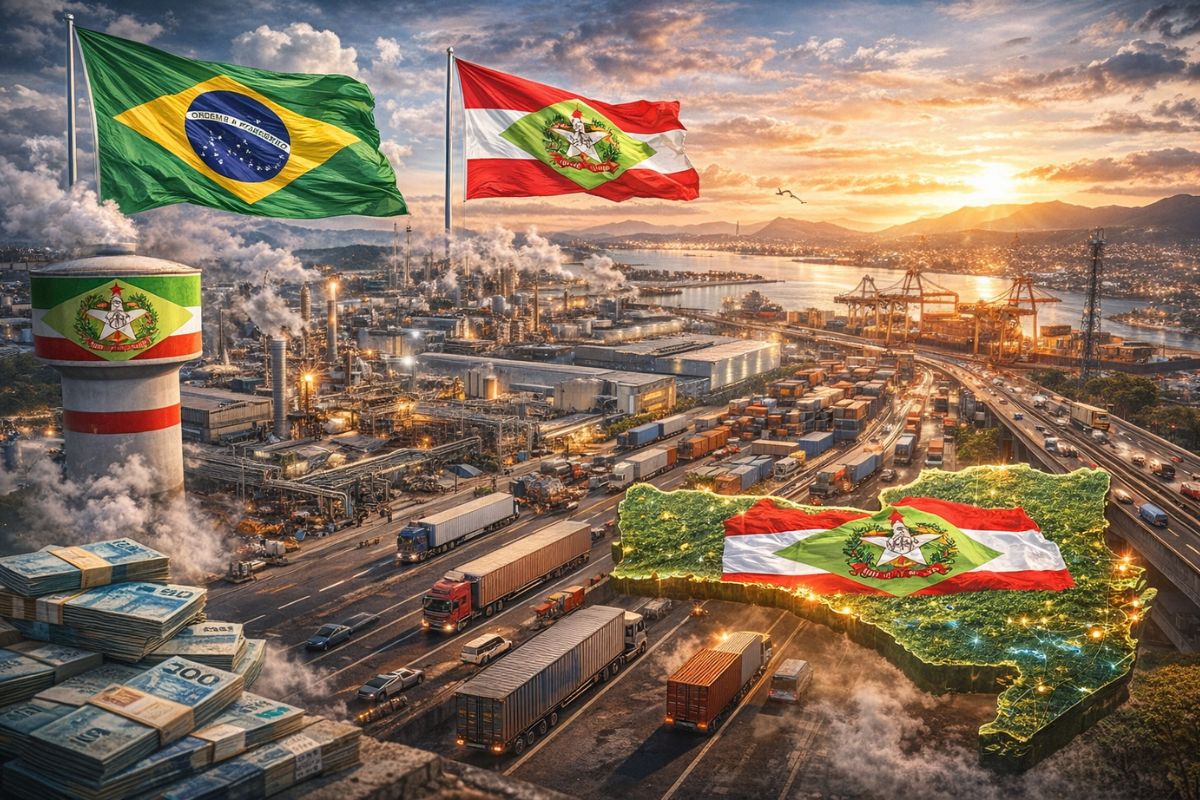
With only 1% of Brazil’s territory, Santa Catarina has built one of the most competitive industrial parks in the country, with 64,000 companies, nearly 1 million jobs, and a growth rate of 5.3% while the national industry is practically stagnant.

With this movement, Minas Gerais consolidates itself as a global reference by uniting science, sustainability, and competitiveness.
Special Coffees and Differentiation in the Global Market
The coffee sector in Minas Gerais stands out for the production of special coffees, which fetch higher prices in the market and attract demanding consumers.
Projects like the “From Seed to Cup,” developed by the Federal University of Uberlândia, in Patos de Minas, apply cutting-edge technologies and artificial intelligence directly on farms to enhance quality and productivity.
With an investment of over R$ 420 thousand from Fapemig, this project resulted in Café Porandu, available in the market, as well as Vila Café, an event dedicated to popularizing the consumption of special coffees.
The advancement demonstrates how scientific research translates into differentiated products and experiences that strengthen Minas Gerais’s position on the international scene.
Sustainable Exports and Job Creation
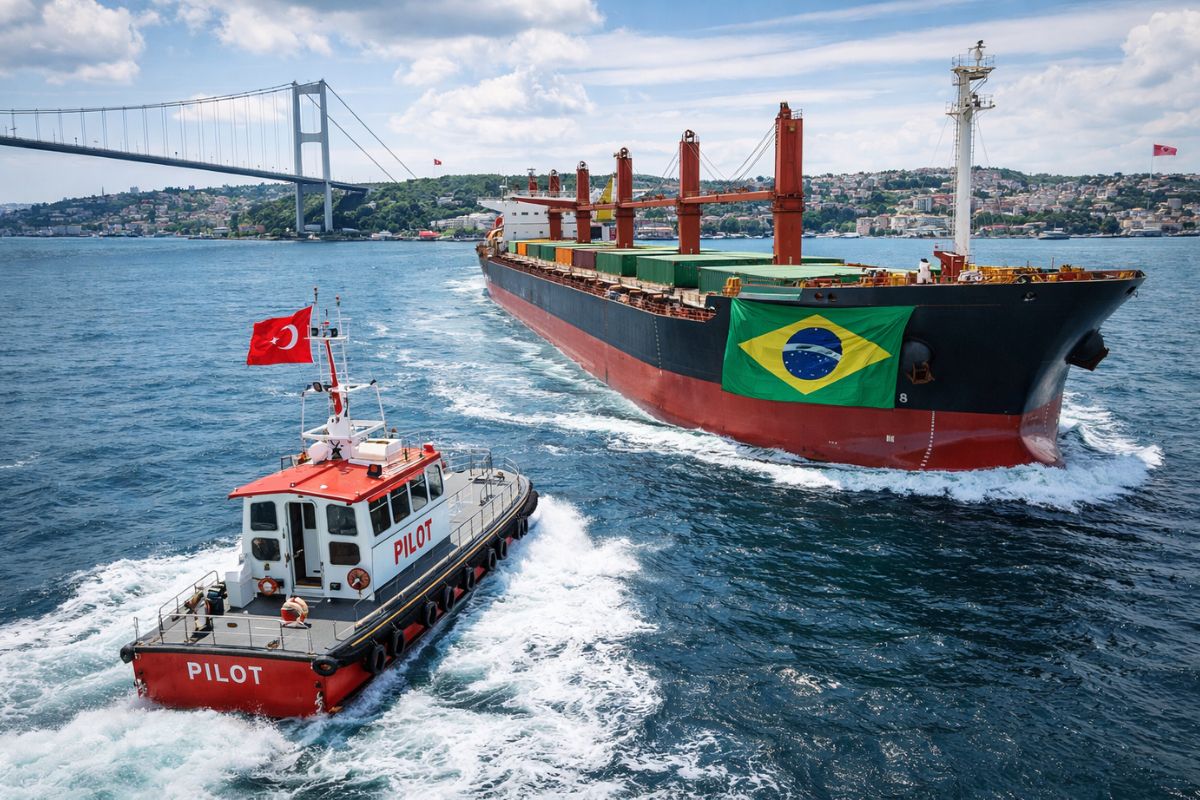
The coffee sector in Minas Gerais is not limited to domestic consumption: its strength lies in leading exports. The state itself accounts for about 70% of the coffee that leaves Brazil, generating billions and ensuring thousands of jobs.
This global expansion occurs alongside sustainable practices that prioritize less environmentally aggressive production techniques.
In addition to generating income for families in the countryside, the activity also stimulates sectors such as logistics, industry, and commerce, forming a development network that positively impacts society as a whole.
Artificial Intelligence in Premium Coffee Production
The application of artificial intelligence is revolutionizing the coffee sector in Minas Gerais, particularly in the premium segment.
Through sensors and software, coffee producers receive precise data on climate, soil, and grain ripeness, allowing for more accurate decisions in the fields.
In the Cerrado Mineiro, for instance, research conducted with support from Fapemig guides practices that enhance flavor, aroma, and sustainability of production.
The integration of science and the field provides efficiency gains and keeps Minas Gerais at the forefront of the use of digital technologies in agriculture.
Billion-Dollar Investments in Innovation and New Technologies
Since 2019, the coffee sector in Minas Gerais has received investments of over R$ 1.8 billion, driven by programs from the State Secretariat of Economic Development.
Among the highlights is the arrival of Mocoffee, a Swiss multinational based in Varginha with an initial investment of R$ 20 million.
The company introduced an unprecedented technology for capsule production in Brazil, which previously needed to be manufactured abroad. With fully nationalized production, Minas coffees gain added value and global competitiveness.
Additionally, the state government, through the Compete Minas, Alysson Paolinelli, and PCTI programs, has already allocated R$ 16.9 million for science, technology, and innovation projects in the coffee chain, consolidating a fertile environment for new businesses and attracting strategic companies.








Seja o primeiro a reagir!