





 Portuguese
  English
  Spanish
  3 min of reading
  0 comments


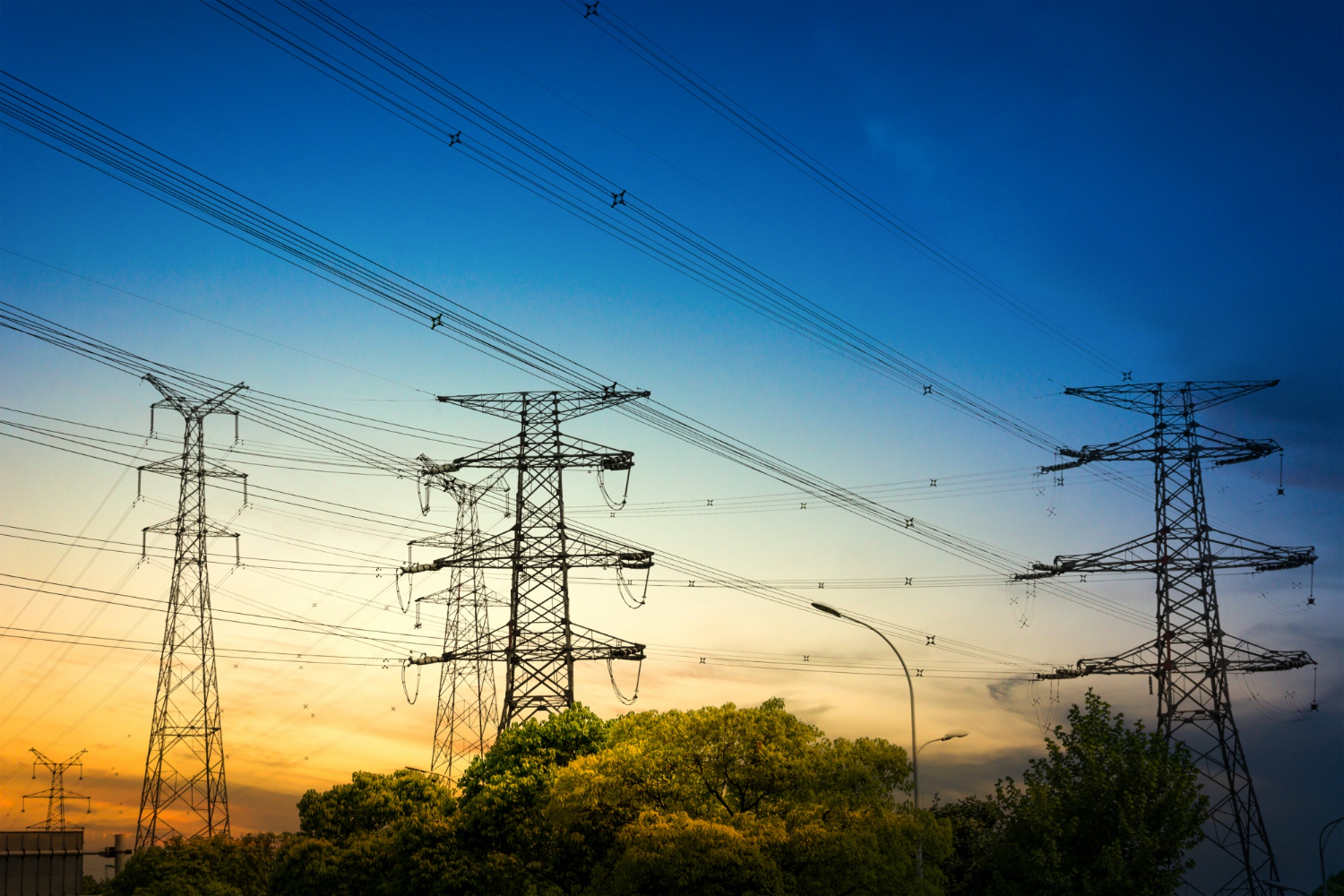
The New Law Redefines The Energy Sector In Brazil, Updates Regulations, Expands Social Protection, Modernizes Electric Planning, And Adjusts Tariffs To Ensure Stability And Predictability For Consumers
The energy sector in Brazil begins a new regulatory cycle following the sanctioning of Law No. 15.269, published on November 24, and signed by the acting president, Geraldo Alckmin, according to a report published.
The regulation reorganizes essential pillars of the national energy policy, such as tariff moderation, supply security, and long-term planning, while incorporating structural measures for electric storage and the commercialization of natural gas from the Union.
The text emerges after two decades of debate and comes with the promise of balancing costs, expanding social protection, and bringing predictability for consumers in both regulated and free environments.
-
Equatorial adopts new national number for consumer units on electricity bills starting in April, following ANEEL standards and modernizing energy bills in several states.

-
Itaipu Impresses the World: Hydroelectric Plant with 20 Turbines and 14,000 MW Generates Over 2.9 Billion MWh and Leads Global Clean Energy Production
-
Aneel Revokes CMAA Thermal Power Plants After Network Restrictions and Excess Energy in the System

-
13-Year-Old Scientist Creates Clean Energy Device For Just R$ 16, Wins $25,000 Prize And Surprises The World With Affordable Solution


The Ministry of Mines and Energy (MME) highlighted that the new regulatory framework relies on three central pillars: tariff justice, market opening, and operational balance.
According to Minister Alexandre Silveira, the program Luz do Povo protects 17 million low-income families with tariff exemption for consumption of up to 80 kWh and grants 12% discounts for another 21 million families up to 120 kWh.
With the creation of the ceiling for the Energy Development Account (CDE), set for the values budgeted in 2025 and adjusted for inflation, the government claims to reduce pressures that historically increased subsidies and burdened the end-user.
Market Opening For Electricity And Updated Regulatory Environment
The depth of the reform is evident in the reorganization of the Free Contracting Environment (ACL), a secondary keyword that integrates this subtitle.
The text establishes concrete timelines for complete market opening, defines load service requirements, and creates the last-resort supply service, supervised by ANEEL.
This mechanism ensures that consumers are not left without assistance in potential emergency situations.
The energy sector in Brazil appears as the focus of the transition that seeks to balance rules between regulated and free consumers, with new parameters for cost sharing and tariff mechanism reviews.
Additionally, the new framework adjusts historical issues in the short-term market by incorporating competitive instruments to accelerate settlements and direct recovered resources to reduce future tariff impacts.
The intention is to create a more transparent, predictable, and competitive commercial environment.
Energy Storage And Advanced Infrastructure
The second pillar of the reform involves the expansion of energy storage in an intelligent manner.
The law defines guidelines for the adoption of batteries, hydraulic solutions, and other systems essential for the reliability of the matrix.
The Energy Research Company (EPE) will now have expanded responsibilities to develop studies and monitor projects related to hydraulic storage, strengthening the country’s planning capacity.
The implementation of these changes positions the energy sector in Brazil in front of new flexibility parameters, essential for a system that must respond to variations in supply, consumption, and weather conditions.
Commercialization Of Natural Gas From The Union And Energy Integration
In practice, the legislation strengthens the role of PPSA and Petrobras in managing the input, organizing flows to enhance the use of national production.
The modernization allows gas to play a strategic role in the transition, supporting energy security and diversification of the matrix.
In summary, the energy sector in Brazil re-emerges as a focus of integration, with natural gas contributing to operational stability and reducing volatility in the system.








Seja o primeiro a reagir!