





 Português
  Inglês
  Espanhol
  5 min de leitura
  0 comentários


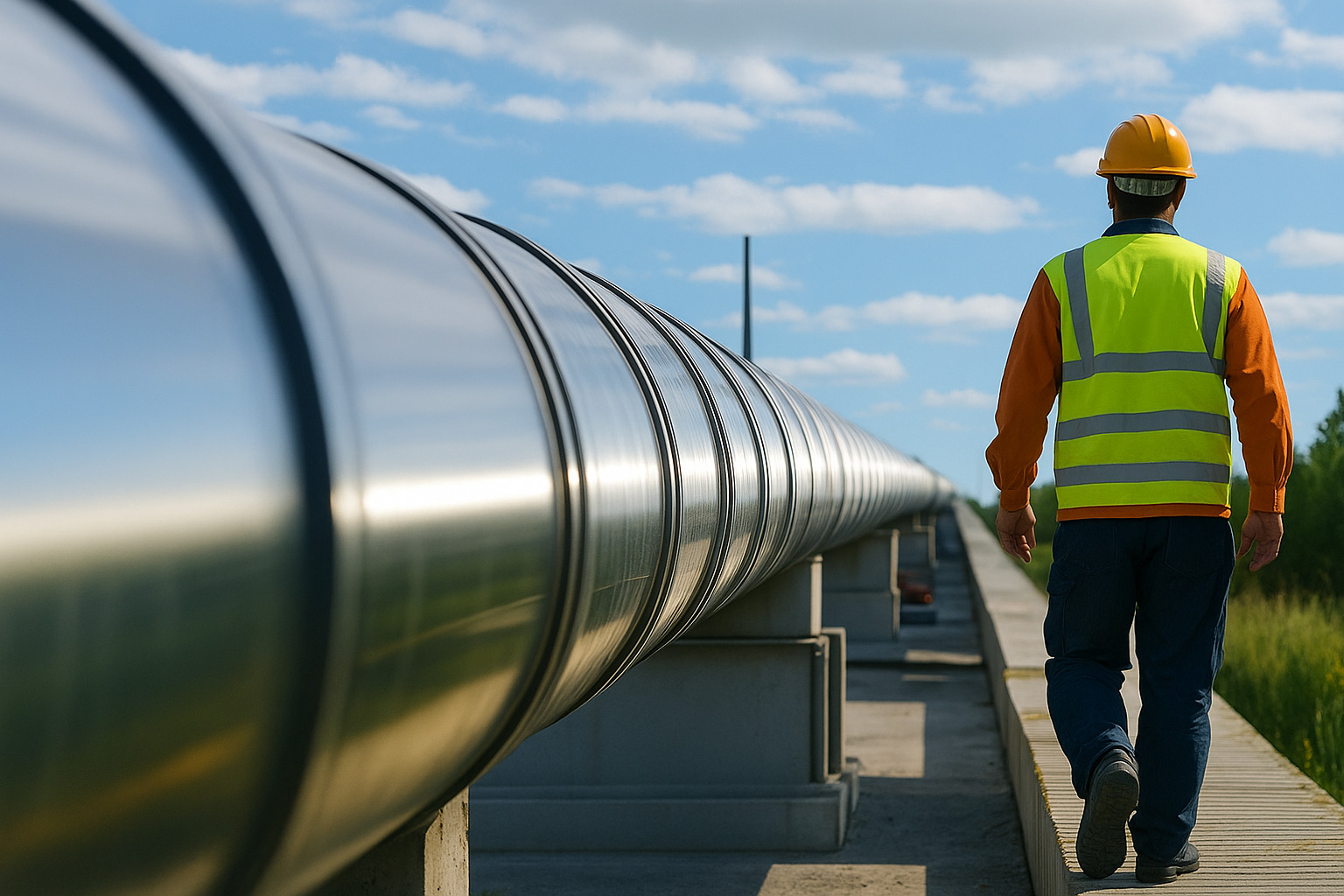
The Natural Gas Sector in Brazil Faces Strong Regulation, Balancing Safety, Consumption and Economic Expansion, According to Assessments by Experts and the Board of Ultragaz.
The natural gas sector in Brazil has always occupied a central space in the debate about energy, safety, and economic development. Therefore, the use of liquefied petroleum gas (LPG), known as cooking gas, has become an essential part of the population’s life and also a strategic resource for industries and businesses.
Moreover, Fabiana Molina, Legal and Institutional Relations Director of Ultragaz, explains that the market follows strict rules imposed by the National Agency of Petroleum, Natural Gas and Biofuels (ANP). Thus, legislation directly influences everything from production to resale.
For Molina, there is no room for decisions without regulatory basis, as any movement in the sector goes through this control.
-
Offshore industrial demand in Macaé skyrockets with the recovery of oil and gas and could grow by up to 396% by 2026 in the Campos Basin.
-
Offshore industrial demand in Macaé surges with the recovery of oil and gas and could grow by up to 396% by 2026 in the Campos Basin.
-
Brazilian giant expands borders in the Southeast: Petrobras confirms new oil discovery in ultra-deep waters in the pre-salt of the Campos Basin.
-
Alert in the global energy market: Severe tropical cyclone hits the coast and disrupts gas production at major plants in Australia, threatening global supply.

In this context, she states that the daily routine of distributors involves constant vigilance in the face of public consultations and reviews of regulations.
This stance shows how regulation guides the present and future of the sector while protecting consumers and companies.
Historical Roots of the Natural Gas Sector in Brazil
Historically, the gas sector in Brazil began in the 19th century when gas lighting arrived on the streets of Rio de Janeiro. Since then, this landmark represented the beginning of the country’s integration into a modern energy scenario.
As the decades went by, gas ceased to have only an urban function and began to occupy space in the domestic environment. Thus, the LPG cylinder transformed the way of cooking in Brazilian homes, replacing the use of coal and wood.
In this way, this change brought more safety, practicality, and reduced pollution in enclosed spaces.
During the second half of the 20th century, the distribution of gas in Brazil consolidated through private companies, which gained relevance alongside state-owned energy companies.
At the same time, regulation strengthened to organize the market and protect consumers in the face of the accelerated expansion of demand.
Currently, therefore, gas represents not just a household input, but also a strategic resource for the industry and for sectors seeking low environmental impact alternatives.
Regulation and Review of Regulations by the ANP
In this scenario, Fabiana Molina emphasizes that the ANP plays a fundamental role in balancing safety and innovation. Since 2024, the agency has been conducting public consultations to review LPG regulations.
Thus, these initiatives draw the attention of distributors, who monitor every detail of the proposals.
For Molina, the regulatory review plays a positive role, as it encourages society to participate in debates on relevant issues.
However, she also warns of points that may generate insecurity, especially when they involve practices that directly affect the daily lives of families.
One of the most discussed examples is the possibility of allowing the fractionation of cylinders. Currently, Brazilian law prohibits consumers from filling partially used containers.
Precisely for this reason, the rule aims to reduce accidents and facilitate oversight. If this change happens, the market will need to assess risks and benefits very carefully.
Another topic under discussion is the standardization of containers. Currently, the consumer can only return the cylinder of the same brand they purchased.
However, a change in this system would pave the way for greater freedom of choice, but would require more maintenance and safety control by companies.
The Impact of LPG on the Daily Life of the Population
In practice, the natural gas sector in Brazil connects directly to the daily lives of the population. In millions of homes, the blue, yellow, or orange cylinder is present in the kitchen.
Thus, this presence shows the social importance of gas, a resource that enables safe and accessible food.
At the same time, the price of gas influences families’ budgets. Although regulation tries to balance this aspect, the market remains subject to variations in logistical costs and taxes.
For this reason, any changes in the rules raise concerns, both from consumers and companies.
Additionally, LPG already finds space in bakeries, restaurants, hotels, and small industries.
These sectors rely on the fuel for its practicality and for lower emissions of pollutants compared to other sources, such as wood and diesel oil.
Thus, gas becomes a cleaner and more sustainable alternative for economic activities.
Gas as an Energy and Environmental Alternative
At the same time that the debate about the future of energy gains strength, gas emerges in a prominent position.
This occurs because, although it is derived from petroleum, LPG has environmental advantages over other fossil sources.
In this sense, it emits fewer polluting particles and can reduce the pressure on the use of wood in rural areas.
Furthermore, the director of Ultragaz emphasizes that the regulatory framework needs to ensure clarity and security so that the sector can better explore this potential.
Thus, she argues that gas can play a strategic role in Brazil’s energy transition, especially in areas where other energy options have not yet reached.
Historically, Brazil has faced challenges to universalize access to energy. While electricity expanded its networks significantly, gas coverage remained more restricted.
However, the LPG cylinder has ensured access to millions of people in isolated regions, becoming an element of energy inclusion.
Therefore, with modern regulation adapted to societal transformations, the sector can expand its relevance not only in domestic consumption but also as an alternative in renewable energy projects.
Future Perspectives for the Natural Gas Sector in Brazil
Looking ahead, the natural gas sector in Brazil faces the challenge of balancing tradition and innovation.
On one hand, there is a consolidated market accustomed to operating under strict rules.
On the other hand, the need to modernize practices, reduce logistical costs, and expand energy supply is growing.
In this context, the ANP’s regulatory review appears as an opportunity to update rules, reinforce safety, and create space for new forms of consumption.
For distributors, care must be taken with the pace of these changes, avoiding exposing consumers to unnecessary risks.
Consequently, the future points to a sector increasingly integrated into discussions of energy transition.
If well managed, gas can help reduce inequalities in access to energy and offer cleaner solutions compared to other sources.
Thus, gas ceases to be just the fuel for the stove and transforms into a key element of an economy seeking balance between safety, sustainability, and development.











Seja o primeiro a reagir!