





 Portuguese
  English
  Spanish
  3 min of reading
  0 comments


The Oil And Gas Sector Can Become A Protagonist In The Transition To Cleaner Energies
Since the beginning of the Industrial Revolution, the oil and gas sector has been essential for the global and Brazilian economy. With a large presence in GDP and strong energy demand, the sector now faces a new challenge: it must, without a doubt, adapt to ensure a sustainable future. Thus, it maintains its relevance while also reducing carbon emissions.
The Economic Importance Of The Sector In Brazil
The economic impact of the oil and gas sector in Brazil is undeniable, both in energy supply and job creation. According to the Brazilian Institute of Oil and Gas (IBP), it accounts for 17% of industrial GDP and nearly half of the primary energy supply. Even with the advancement of clean energies, the sector will remain relevant, as 80% of the global energy matrix still depends on fossil fuels.
Why A Gradual Transition Is Essential For Competitiveness
Energy transformation is necessary, but also extremely complex and must be gradual. According to IBP president Roberto Ardenghy, this change needs to be “fair and efficient,” respecting the time for technological innovation. This way, it becomes possible to ensure competitive energy and avoid economic impacts.
-
Brazilian giant expands borders in the Southeast: Petrobras confirms new oil discovery in ultra-deep waters in the pre-salt of the Campos Basin.

-
Alert in the global energy market: Severe tropical cyclone hits the coast and disrupts gas production at major plants in Australia, threatening global supply.

-
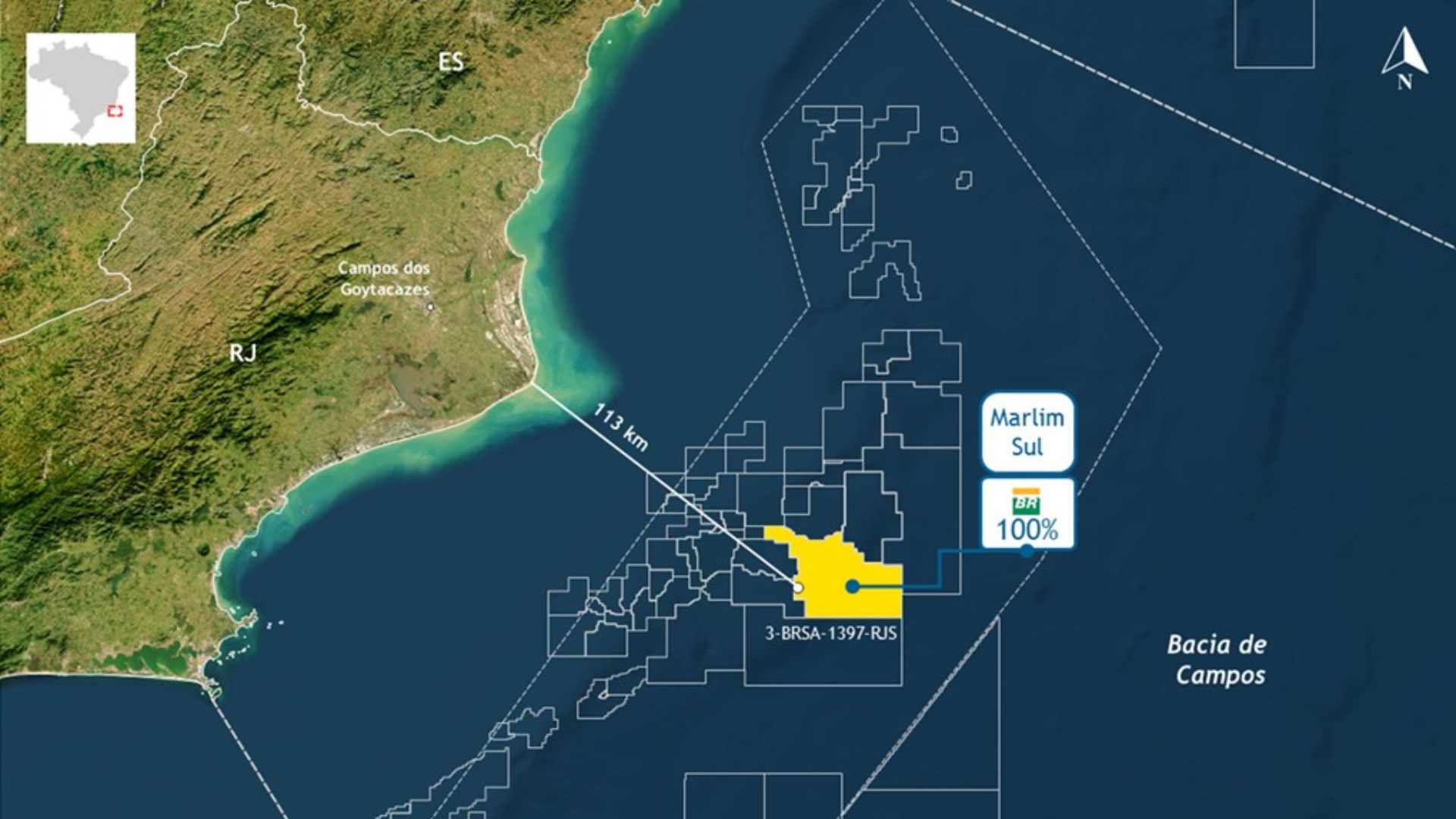
Petrobras finds high-quality oil in the pre-salt at 113 km from RJ and reignites expectations about strategic reserves in the Campos Basin.

-
Ocyan opens registrations for startups focused on innovation in the oil and gas sector and will select projects for Innovation Day with the support of Nexio.


The Sector’s Infrastructure Facilitates The Transition
With a consolidated structure, the oil and gas sector is prepared to adapt its operations to a low-carbon economy. For this, for example, an essential strategy involves the repurposing of assets for hydrogen transport, which extends the lifespan of facilities and reduces waste. In this way, this adaptation optimizes resources while also lowering costs.
Investments In Alternative Energies: A Promising Path
The sector has already started investing in alternative energies to meet sustainability requirements. According to the IBP, in 2023, about 15% of the R$ 3.9 billion in research went to energy efficiency and renewables, highlighting the commitment to the future. Furthermore, the approval of the Future Fuel project reinforces this commitment by increasing the proportion of biofuels and reducing the carbon footprint.
Overcoming Regulatory Challenges And Planning For The Future
Although significant advances have already been made, Brazil needs to strengthen regulation to encourage energy alternatives and enable new investments. According to Ardenghy, coordinated policies are essential to ensure the competitiveness and accessibility of energy. João Victor Marques from FGV Energia adds that transparent public policies are fundamental for a fair transition.
The oil and gas sector plays an essential role in the energy transition, with the infrastructure and experience to lead the way toward a more sustainable matrix. Besides being crucial for the Brazilian economy, the sector is already investing in low-carbon technologies and has policies that promote renewable sources. For this transition to occur in a balanced manner, planning is necessary to ensure energy security while keeping the sector as a protagonist in this new era.









Seja o primeiro a reagir!