





 Portuguese
  English
  Spanish
  3 min of reading


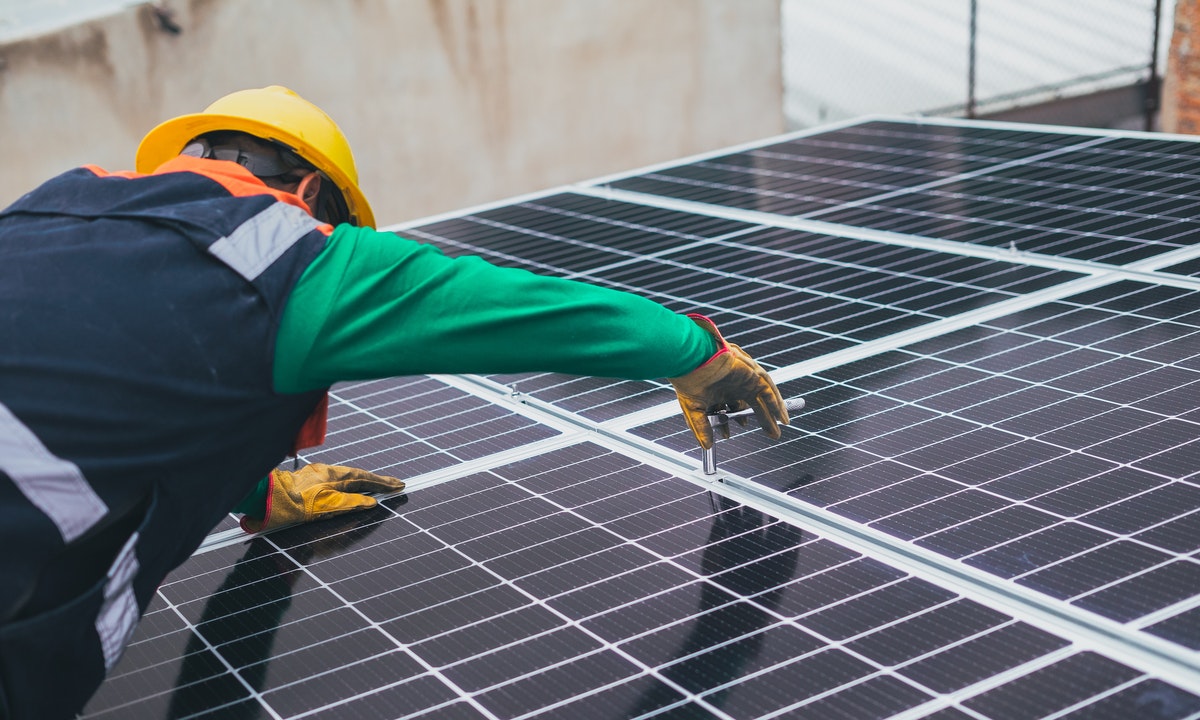
Rystad Energy Data Indicates That Approximately 550,000 Tons of Solar Energy Panels Could Be Disposed of in Brazil by 2050
The demand for components from recycled solar energy panel energy may expand in the coming years as the number of installations increases and the threat of a supply bottleneck looms, according to data from the Canal Solar website based on information from Rystad Energy.
Rystad Energy’s analysis, an independent research company focusing on energy and business intelligence with representatives in Oslo, London, New York, Houston, Aberdeen, Stavanger, Moscow, Rio de Janeiro, Singapore, Bangalore, Tokyo, Sydney, and Dubai, showed that recyclable materials from solar energy panels at the end of their life cycle will be worth over US$ 2.7 billion in 2030 compared to US$ 170 million this year.
The trend of recycling solar energy panels, according to Rystad Energy, will only accelerate in the coming decades, and the price of such materials is expected to approach US$ 80 billion by 2050.
-
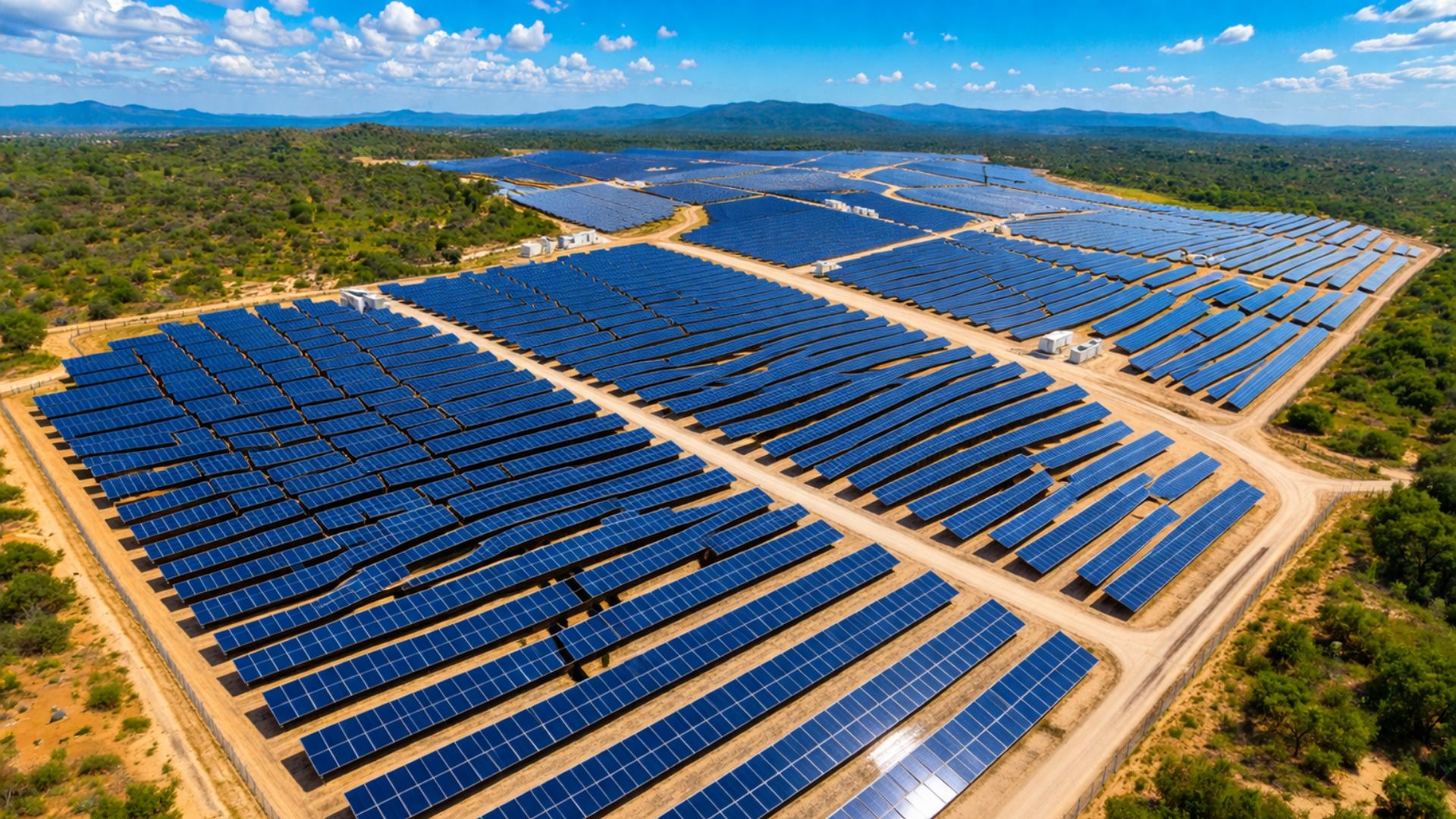
The Sol do Agreste Photovoltaic Complex begins operations in Pernambuco and accelerates the expansion of solar energy in Brazil, directly impacting the reduction of emissions and strengthening the sustainable energy matrix.
-
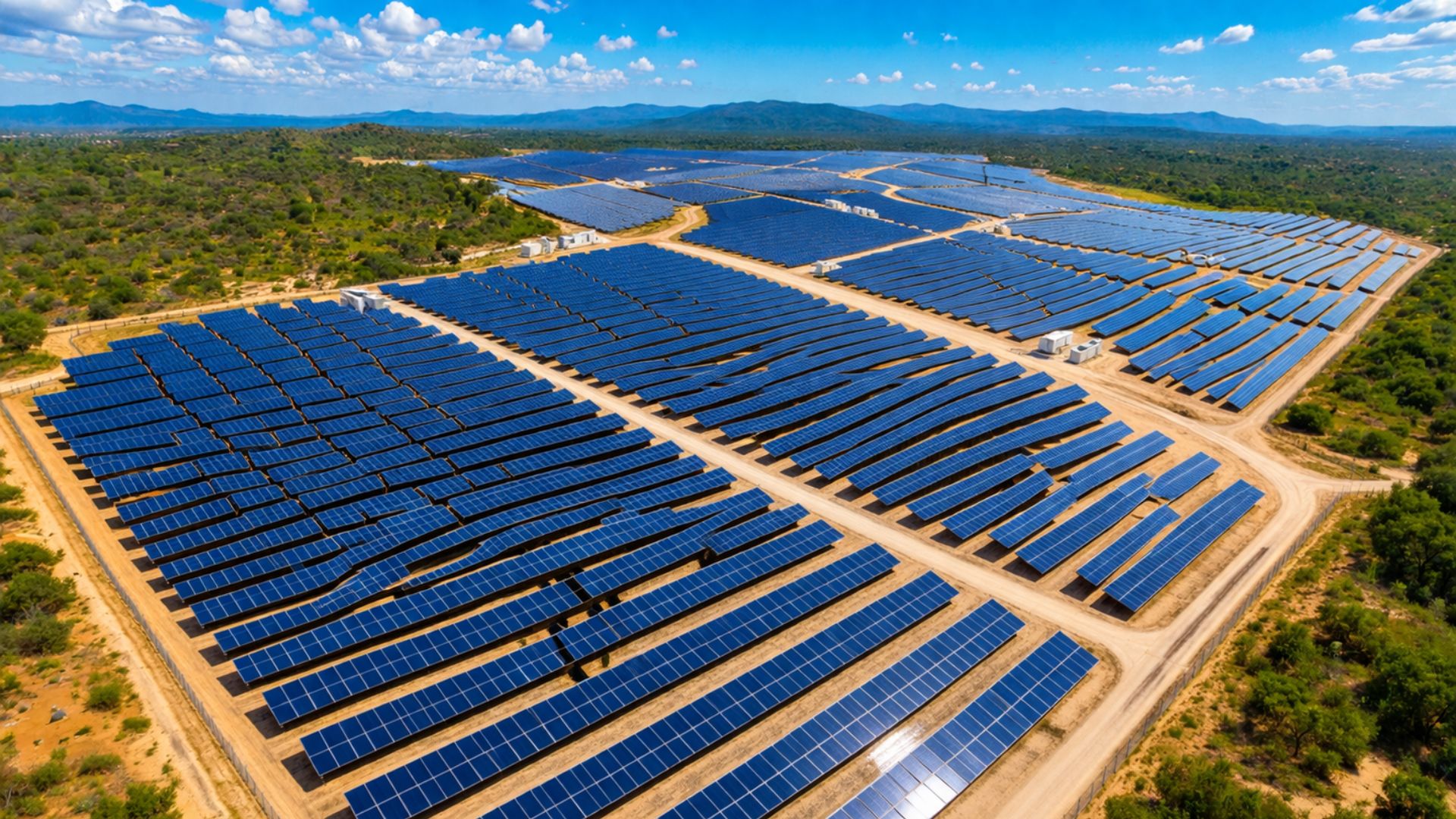
The Sol do Agreste Photovoltaic Complex begins operations in Pernambuco and accelerates the expansion of solar energy in Brazil, directly impacting the reduction of emissions and strengthening the sustainable energy matrix.
-
Renewable energy advances over protected areas in Brazil, and a survey by the Energy Transition Observatory reveals silent impacts that challenge environmental conservation and pressure sensitive traditional territories.

-
Rio Grande do Sul accelerates energy transition: State invests in renewable technologies and consolidates decarbonization strategies and pathways to attract billions in new industrial investments.


“The recycling of solar panels is still in its infancy, but it is seen as a crucial element of the energy transition, with solar waste projected to grow to 27 million tons per year by 2040,” said the Rystad Energy research.
Recycled Materials from Solar Energy Panels May Represent Investments in the Sector
Rystad Energy further predicts that recycled materials from solar energy panels could represent 6% of investments in solar energy by 2040, compared to just 0.08% today.
The Rystad Energy research also indicated that landfills are a practical and profitable option, as current resale prices for recycled photovoltaic materials do not offset the costs of transportation, sorting, and processing.
However, Rystad Energy said that the rapid growth rate of large-scale utility solar farms may change this fact.
The hope is that the supply side of recyclable materials from solar panels will find relief amid the growing demand for minerals, with recycling serving as a buffer as solar energy panels reach the end of their life cycle.
“Rising energy costs, improved recycling technology, and government regulations may pave the way for a market where more decommissioned panels are sent for recycling instead of the nearest landfill,” commented Kristin Stuge, an analyst at Rystad Energy.
Recycled Components in Solar Panels
The components of solar panels with higher value for recycling are aluminum, silver, copper, and polysilicon. Silver accounts for approximately 0.05% of the total weight but represents 14% of the material’s value.
Rystad Energy’s 1.6°C scenario forecasts a peak in solar energy installations by 2035 of approximately 1.4 TW. At that time, they indicated that the solar panel recycling sector could provide 8% of polysilicon, 11% of aluminum, 2% of copper, and 21% of silver sufficient to recycle the panels installed in 2020, aiming to meet the demand for materials.
Recycling Process of Materials Removed from Solar Panels
The first stage for recycling the solar panel is disassembly, where the aluminum frame and junction box are separated from the solar panel, then crushed into pieces and sorted by material immediately after.
“There are solar panel disassembly machines on the market today, including one from NPC, which is based in Japan. It more effectively separates the parts of the solar panel before grinding the remnants, increasing the recovery rate of the materials,” explained Rystad Energy.







Seja o primeiro a reagir!