





 English
  Francês
  Alemão
  Italiano
  Japonês
  Norueguês
  Portuguese
  Spanish
  3 min of reading


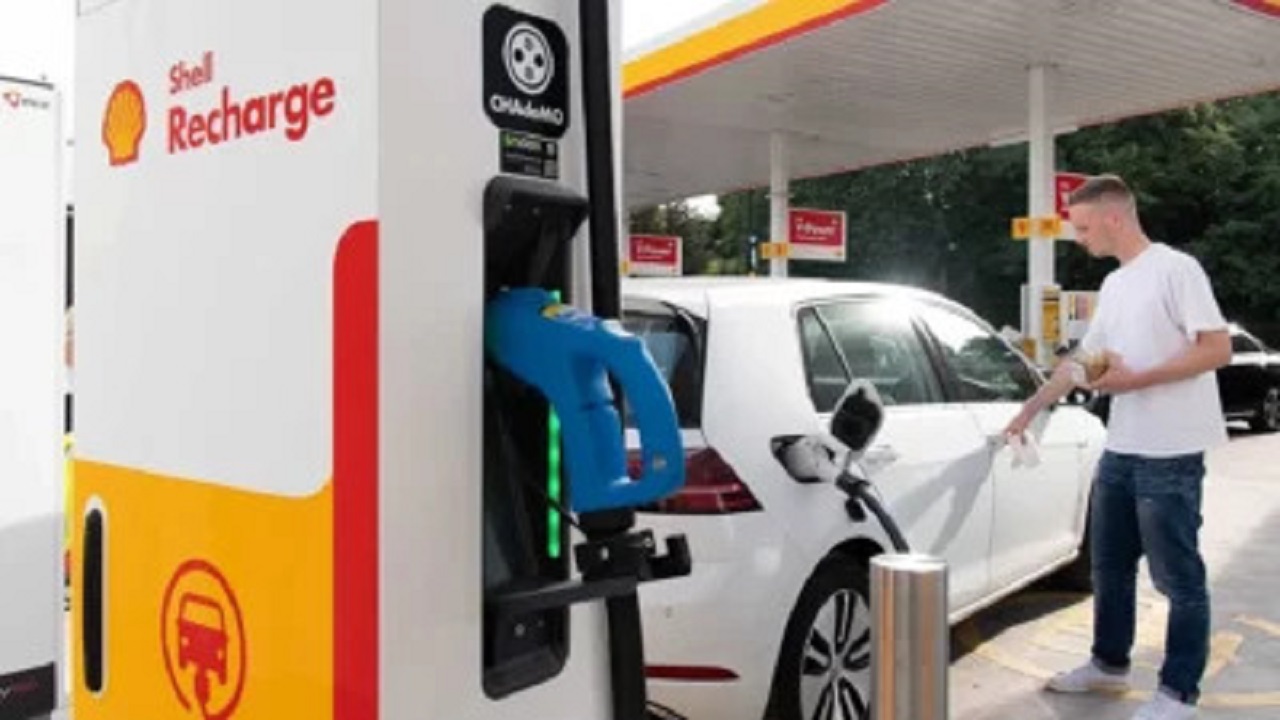
Besides Supporting The Network Of Electric Vehicle Charging Stations, The Announced Investment Of R$ 10 Million By The Joint Venture Is Aimed At Offering Other Solutions For The Electric Car Market In Brazil
The application of this multimillion-dollar resource from Raízen will be in the startup Tupinambá Energia, which develops solutions in electric vehicle charging technology. The company, now a partner of Shell and Cosan, was created in 2019 and now operates end-to-end charging infrastructure and systems, from the app to the charged electric car.
See Also:
- Raízen And Volkswagen Develop ‘New Ethanol’ As An Alternative To Electric Cars
- Raízen Will Invest R$ 150 Million To Build A New Electricity Generation Unit From Sugar Cane Bagasse
- Electric Vehicles: Manufacturing, Operation And Advantages
Raízen itself, which operates in the sugar-energy sector, announced its participation in the investment round of Tupinambá Energia. This fundraising process also included the participation of the investment company Plataforma Capital.
Today we made our first investment in Electric Vehicles with Shell / Cosan!
ARTICLE CONTINUES BELOWSee also
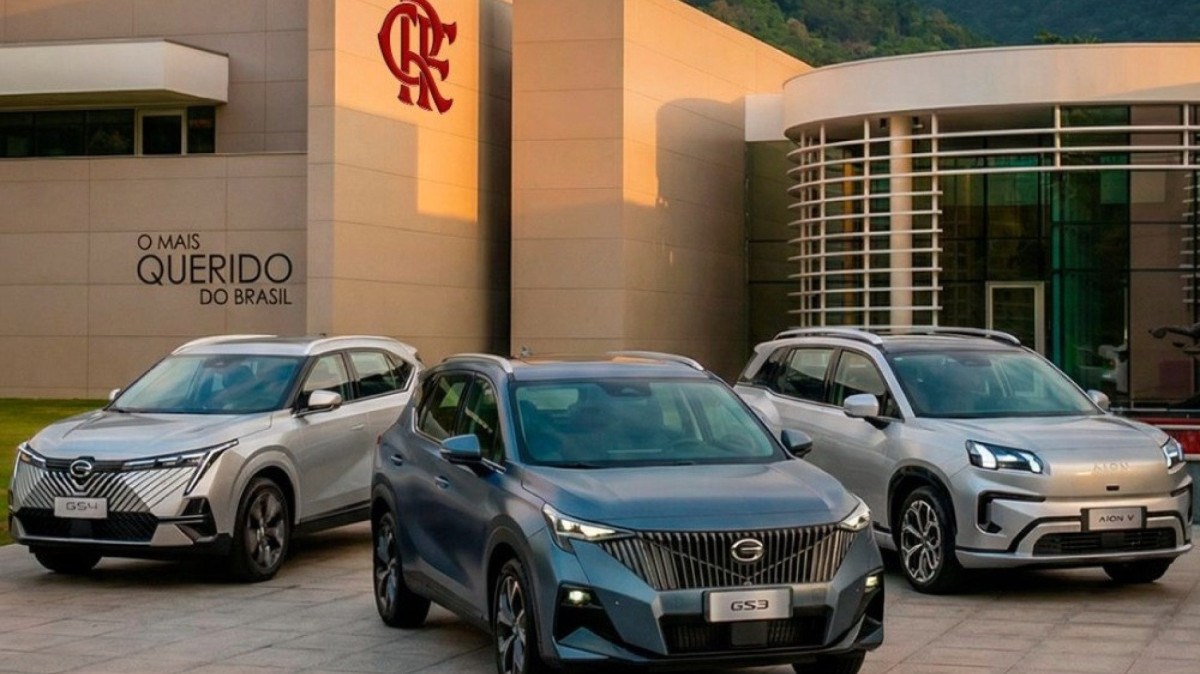
After launching the new GS3 with a 1.5 turbo engine producing 170 hp, GAC partners with Flamengo, enters the field with the largest fan base in Brazil, and accelerates an ambitious offensive to gain scale and confidence in the national market.
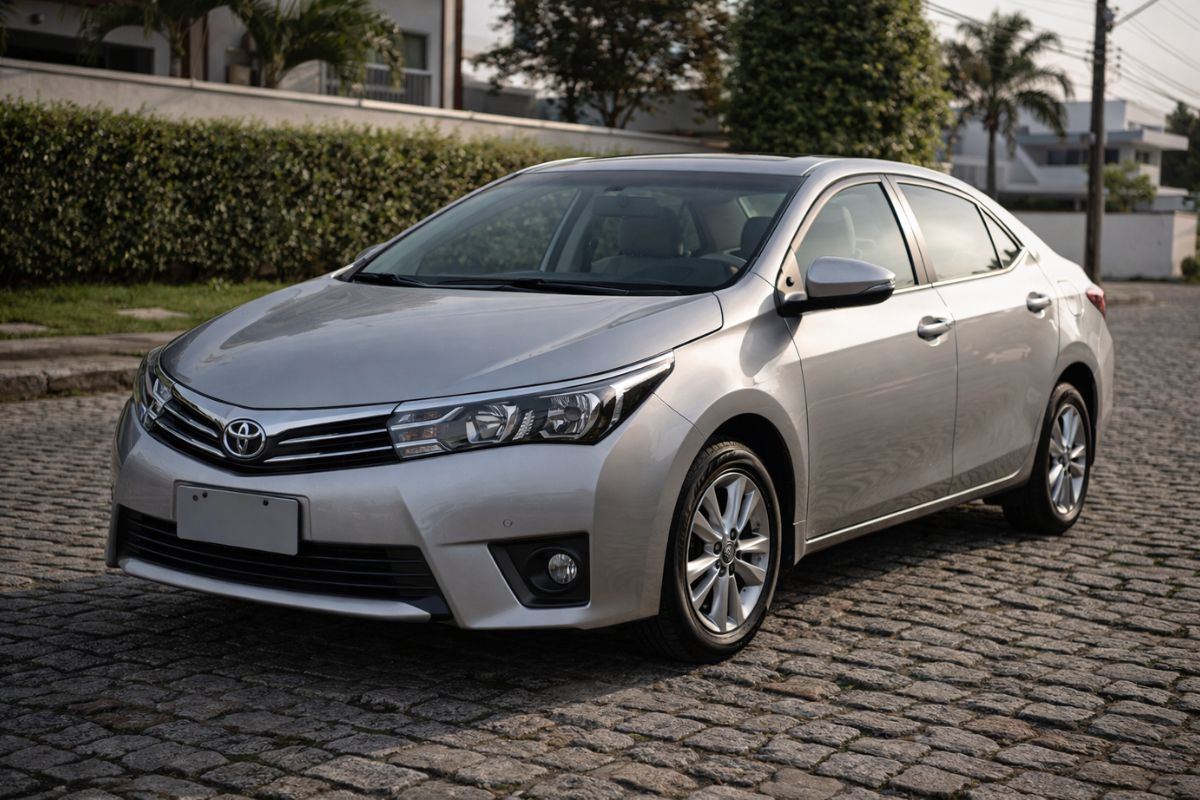
The Corolla from 2015 to 2019 depreciates so little that a 10-year-old model is still worth over 76 thousand reais, and owners treat this sedan as a safe investment thanks to its reputation for durability that no competitor has been able to match.
Is it worth considering a financed 2025 HB20 Comfort? A simulation with R$ 50,000 in the bank shows installments ranging from R$ 5,687 to R$ 2,365.

Road surveillance in Rio de Janeiro enters a new phase with the installation of more than 140 speed cameras on highways RJ-106 and RJ-104, and DER-RJ expands speed control in high-traffic areas.
We are very excited about the ESG agenda, especially in renewable energies.
Tupinambá Energia consolidates itself as the main network of Electric Vehicle charging! pic.twitter.com/aLA6lTyQrx
— Anibal Messa (@AnibalMPS) January 28, 2022
The Tupinambá app brings together more than a thousand mapped electric vehicle charging points throughout Brazil, making it easier for electric car users to locate the services offered.

Through the investment of R$ 10 million, Shell and Cosan intend to accelerate the development of the electric vehicle charging network in the country, as well as potentially convert their investments into equity in the company.
All this partnership will be included in Raízen’s portfolio regarding electric mobility. The services also include the supply of renewable energy and electric refueling solutions for corporate fleets, in addition to the development of the rapid charging network of the Shell Recharge program.
In Addition To Electric Vehicle Charging, Raízen’s Strategy Is For Selling Services And Products In A Single Virtual Environment
The investment in partnership with the startup Tupinambá Energia is part of Raízen’s goal to become a reference in one stop shop services for electric vehicle energy solutions. This means allowing the customer to acquire various products and services in one place.
Raízen invests in distributed generation solutions and electricity commercialization in the free market, energy efficiency, renewable energy certificates, and electric mobility.
In 2018, the company created one of the major business hubs called Pulse. Currently, Pulse directly collaborates with the development of over 50 associated startups. Thus, more than 70 pilot projects have been tested within Raízen.
Another project related to urban electric car charging infrastructure came from Movida. The car rental company announced in December 2021 the opening of its first concept store for electric mobility located on Marginal Tietê in São Paulo.
On site, there are 10 standard electric vehicle charging points from Zletric, capable of charging up to 25 vehicles per day, in addition to an ultra-fast charger from Nissan, which allows for a full charge in just 40 minutes.
Will The Number Of Electric Vehicle Charging Stations Increase With Raízen’s Investment?
The electric vehicle market in Brazil has been growing every year. In 2021, according to the Brazilian Electric Vehicle Association (ABVE), 34,990 electrified cars were sold in the country.
This number represents a growth of about 77% in sales, compared to the previous year. It was much higher than ABVE’s projections, which were around 29,000 electric cars.
The expectation for 2022 is to replicate the growth achieved in 2021. ABVE projects a minimum growth of 50% in electric vehicle sales.
The Shell electric vehicle charging stations are expected to spread across Brazil with the announced investments and partnerships, but there are no dates disclosed yet. According to ABVE, the number of charging stations jumped from 500 in 2020 to 850 in 2021, and the forecast is that this number will increase by at least 50% in 2022.









Seja o primeiro a reagir!